
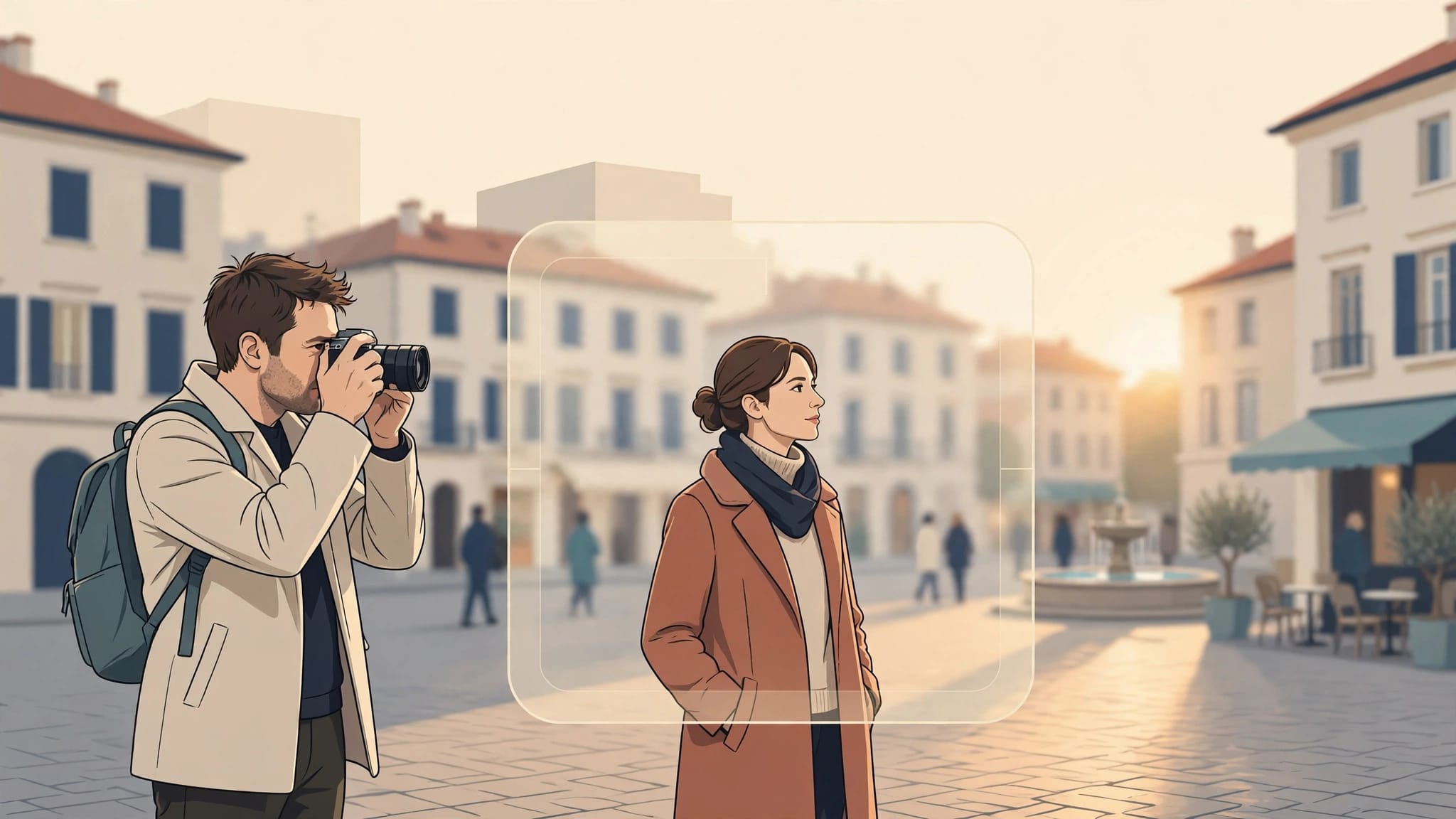
A candid photo can feel harmless until the person in it sees it online. Street photography laws Europe travelers encounter are rarely about one camera click. They turn on who appears in the image, where you shot it, and what you do with it afterward.
Europe has no single rule for every street, square, or social-media post. Street photography laws Europe travelers encounter vary by country. Still, you can travel confidently by treating publication as a separate decision from taking the picture.
This article provides general information, not legal advice. Image rights and the relevant legal framework vary by country.
For street photography, pause before publishing, even when taking the picture itself was permitted.
Key Takeaways
- Taking photographs in public spaces is often less risky than publishing a recognizable person’s portrait.
- An identifiable face can make a photograph personal data under the GDPR.
- Artistic and journalistic work may receive freedom of expression protection, but national laws decide how that balance works.
- Respect photography rules on private premises, and avoid conduct or private moments where people have a reasonable expectation of privacy.
- Consent requirements become stricter for close portraits, children, vulnerable subjects, and commercial use.
Start with the frame. Then consider the audience.
Are Street Photography Laws Europe Wide the Same?
No. Street photography is not governed by one Europe-wide photography rule. The General Data Protection Regulation applies across the European Union, but each country has its own laws on image rights, privacy, personality rights, and freedom of expression. The United Kingdom also has its own data-protection framework after leaving the EU.
That means a photo that feels routine in London may need more caution in Paris or Berlin. France, Germany, Italy, Spain, Greece, and Poland all have national rules and court decisions that can shape the outcome. A public pavement does not create a Europe-wide permission slip.
Taking photos is usually the lower-risk act
In many places, taking photographs of everyday life in public spaces does not require written consent from every passerby. A wide shot of a market, train platform, protest, or piazza is generally less intrusive than a tight portrait of one person.
Consent requirements are usually higher for a close, recognizable portrait than for a wide scene. Public access still has limits. Don’t photograph through a home window, follow someone, block a pavement, or keep shooting after your conduct becomes intimidating. Public space matters, but so does a person’s reasonable expectation of privacy.
Use extra restraint around police operations, security checks, transport controls, hospitals, schools, and restricted areas. A public location doesn’t automatically authorize photographing security-sensitive activity.
Privately controlled places are different. A mall, museum, station concourse, concert venue, church, hotel, or ticketed landmark may allow visitors in while restricting cameras, tripods, or commercial-looking setups. A personal travel image also differs from commercial use, such as licensing or advertising.
Publishing photographs creates the harder question
Uploading the image to Instagram, placing it in a portfolio, licensing it, or selling prints changes the analysis. If the person is identifiable, publication can engage the GDPR, privacy rights, and national image rules, even when taking the photograph was lawful.
A photo can be lawful to take yet risky to publish, especially when one recognizable person is the clear subject.
This distinction matters most when the image shows distress, illness, children, a heated argument, religious practice, intoxication, or another private moment exposed in public.
When a Photograph Becomes Personal Data
A photo is not automatically personal data merely because people appear in it. Yet it can be personal data when it relates to an identifiable person. The European Data Protection Board’s definition of personal data includes information linked to someone who can be identified directly or indirectly.
A sharp face, a name badge, a distinctive tattoo, a visible address, or a recognizable location can make identification easier. Metadata and captions can add more identifying detail.
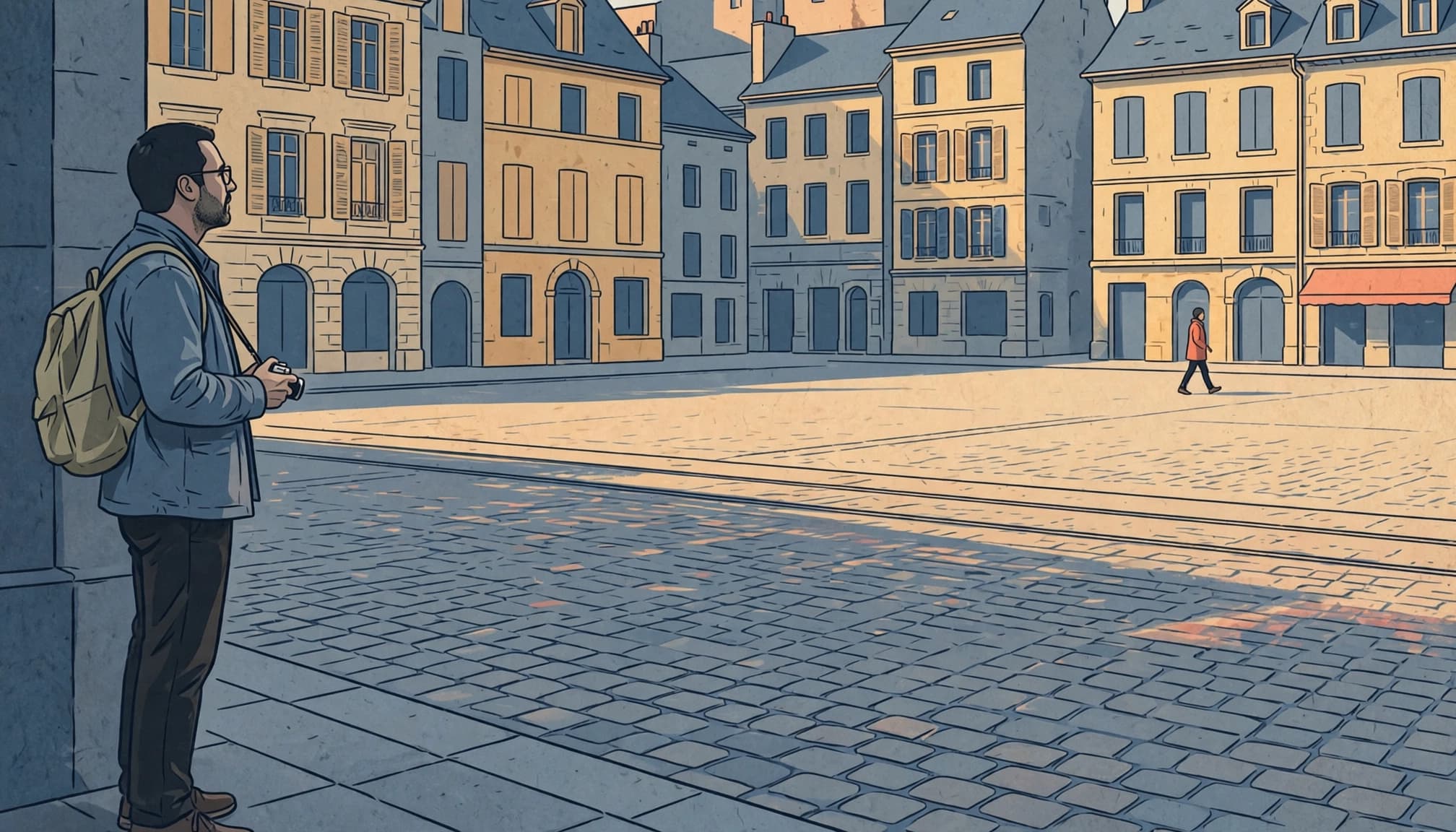
Identifiability depends on the whole image
A person turned away in a large crowd may be difficult to identify. The same person in a close street portrait, tagged with a location and posted publicly, is easier to identify. Cropping can also change the picture’s legal and ethical weight.
Look beyond faces before publishing. Reflections in shop windows, car number plates, uniforms, children, and phone screens can reveal more than you noticed during the walk.
The safer choice: a wider scene.
Personal use has a limited shelter
GDPR Article 2 includes the household exemption for processing carried out by an individual as a purely personal or household activity. Keeping photographs in a private travel album may fit more comfortably within that space.
Public distribution is less certain. A public portfolio, monetized account, stock upload, business website, or sponsored post is difficult to treat as purely private. Legitimate interests may be relevant to a public processing analysis, but they don’t automatically permit publishing a stranger’s portrait.
Don’t assume a hobby account makes every public upload exempt. The GDPR is not a ban on cameras. It asks whether the image identifies someone, how it is used, and what rights may be affected.
Taking a Photograph Versus Publishing It
Taking a photograph and publishing photographs involve separate decisions. Travelers also need to consider storage, editing, captions, sharing, and licensing. Each use can carry different risks.
A group photo of a busy Paris street may be ordinary travel photography. A close image of one grieving person outside a hospital needs more careful judgment, even if the pavement is public. The impact and publication context matter.
Social media turns a local image global
A post can reach an audience far beyond the city where you took it. It can also be copied, indexed, reused, and difficult to remove. Privacy concerns grow when a caption identifies the person, their workplace, neighborhood, political activity, or vulnerable situation.
Legitimate interests may sometimes support processing, but they require a real balancing exercise, not a shortcut. Avoid publishing a stranger’s face beside a caption that guesses at their income, health, relationship, or immigration status. The image may show only a moment, while the caption supplies the harm.
The Irish Data Protection Commission’s decision on an unlawful processing of a photograph and an erasure request shows that image publication can become a real data-protection dispute.
Commercial use needs extra care
Selling a print as fine art differs from using a photograph to advertise a hotel, clothing brand, workshop, or product. Advertising can imply endorsement, especially when it features an identifiable person. A signed model release form is often the sensible standard for a recognizable person in promotional material. Consent requirements can vary by location and intended use.
Privacy and image permissions are separate from copyright law. Owning a camera or image file doesn’t resolve whether a depicted artwork, logo, or another person’s protected work creates a separate copyright issue.
A release doesn’t cure harassment, unlawful capture, or humiliating treatment. Still, it records permission, intended uses, compensation if any, and contact details. Keep it with the original file.
If a brand, editor, gallery, or agency is involved, seek local legal advice before publication. Use written terms, especially when children or sensitive subjects appear.
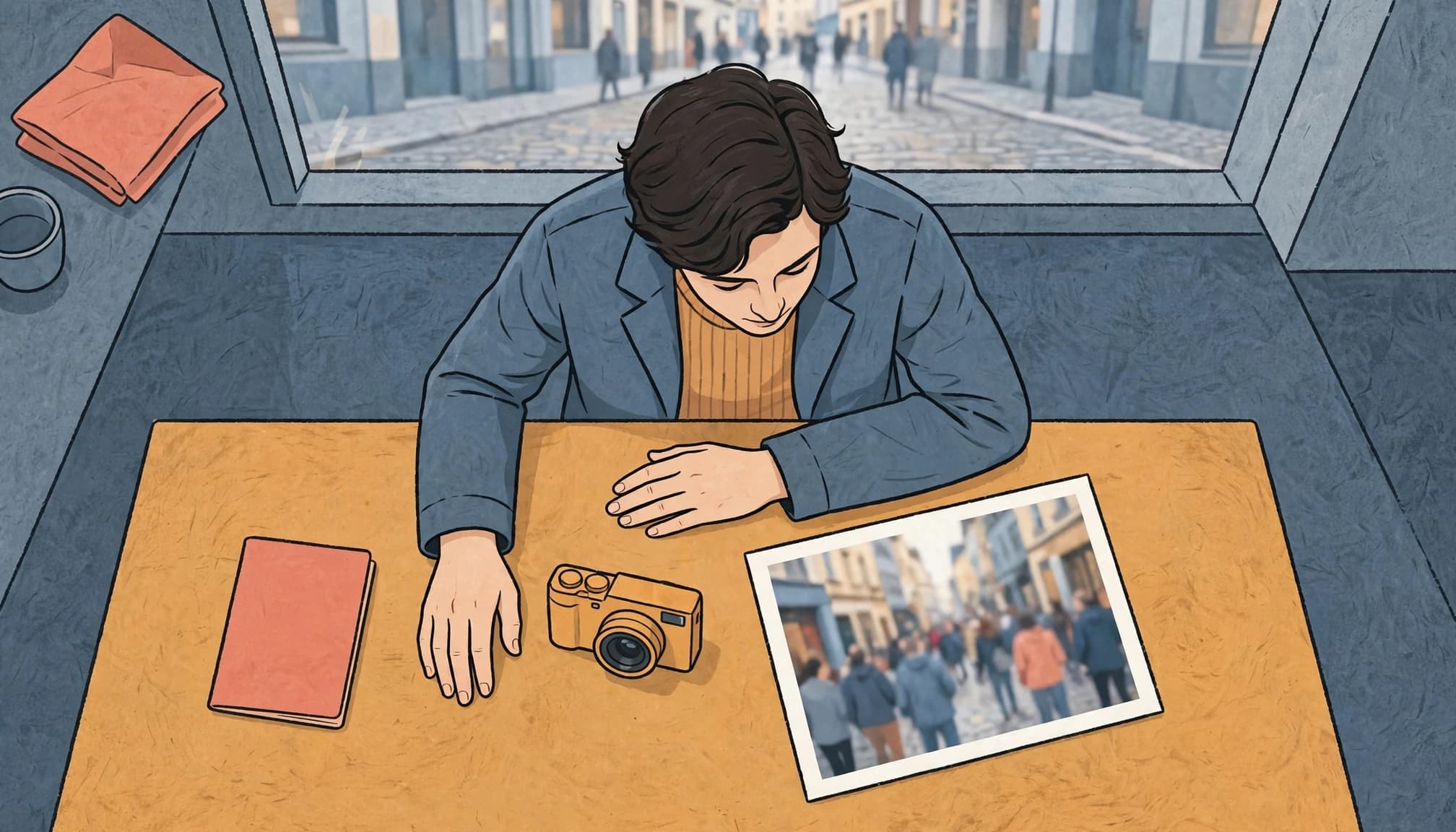
GDPR, Artistic Expression, and Journalism
The GDPR protects people’s data, but it also recognizes freedom of expression. Article 85 GDPR requires EU countries to reconcile data protection with journalistic, academic, and artistic expression.
That provision doesn’t give every photographer a universal artistic exemption. National law decides which exemptions apply and when they’re necessary.
Artistic work is not a blanket defense
A carefully observed street project may have a stronger artistic case than a casual close-up posted to attract clicks. Context matters. So do editing choices, the intended audience, the image’s dignity, and whether the work contributes to public expression.
Courts commonly balance privacy against freedom of expression. This balance also appears in the European Convention on Human Rights, which protects private life alongside public communication.
A photograph tied to a matter of public interest has a different position from a humiliating portrait of an unknown person on a difficult day.
The GDPR’s freedom-of-expression provision makes clear that this reconciliation belongs in national law. Therefore, a photographer can’t rely on one label, such as “art,” to end the conversation.
Journalism requires a real editorial purpose
News reporting and photographs of public figures may receive stronger protection when connected to a genuine matter of public interest. Even then, publication should be proportionate.
Public status doesn’t erase privacy rights during ordinary private activities. National civil law and image-right rules may still shape available remedies.
The European Court of Human Rights has considered this balance in cases involving Princess Caroline of Monaco, including von Hannover v. Germany. Photographs of a public figure during ordinary daily activities prompted scrutiny over whether they added to a debate of general interest or merely exposed private life.
For travelers, the lesson is practical. A compelling frame doesn’t automatically justify broad publication.
Country Differences That Affect Travelers
Country-specific law can change the outcome, so check the destination’s rules before a serious project, exhibition, paid assignment, or large-scale release. Local photography groups and qualified local lawyers can help clarify current practice.
France and Germany call for restraint
France has a strong portrait right tradition, and its image right protects identifiable people in many published photographs. A wide incidental scene, a close portrait, and commercial publication can receive different treatment, so check consent requirements before distributing a recognizable image widely.
Germany also recognizes a portrait right, with image right rules reflected in the Kunsturhebergesetz, often called the KUG. A broad public scene differs from street portraits or a commercial image built around one identifiable subject, and consent requirements depend on the circumstances.
In both countries, don’t assume that a public location settles the issue. Get consent for close, recognizable portraits when you plan to publish widely or use them commercially.
The UK, Italy, Spain, Greece, and Poland vary
The United Kingdom is often more accommodating of photography in public places, but the UK’s Data Protection Act, harassment rules, private-property restrictions, and misuse of private information can still matter. Public figures and news reporting may involve additional public-interest considerations, but neither makes public photography unrestricted.
Italy and Spain combine privacy and image-right concerns with separate rules for particular sites, cultural institutions, and commercial activity. Greece and Poland likewise require local context, especially when street scenes become identifiable portraits or images intended for commercial use.
This legal framework may include national statutes, court decisions, site rules, and municipal controls, while civil law can shape remedies. Before a serious project, check current official national, municipal, museum, transport, and site-owner sources, since rules change and courts interpret facts differently.
A Pre-Publication Risk Check for Street Photographers
Spend one minute reviewing an image before it leaves your phone. This simple pause supports ethical street photography and can prevent common mistakes.
Look at the person, not only the composition
Ask whether an identifiable person is recognizable and whether they are the subject rather than part of the background. Consider their apparent age, state of distress, and the information surrounding them.
A stranger sitting alone outside a clinic has a higher privacy risk than a small figure crossing a sunlit square. Similarly, someone visible through a restaurant window may have a stronger expectation of privacy than someone standing openly at a festival in public spaces.
Check purpose, place, and likely impact
Consider why you’re publishing the image, who will see it, and whether commercial use is involved. A private family album differs from a public monetized account. A documentary essay differs from an advertisement, and legitimate interests don’t automatically authorize publication.
Use this quick guide to review consent requirements before posting:
| Situation | Practical approach |
|---|---|
| Wide crowd scene | Review for incidental faces and sensitive details |
| Close portrait of a stranger | Ask permission before public publication |
| Child or vulnerable person | Avoid publication without clear consent |
| Commercial campaign | Obtain a written model release |
| Museum, church, venue, or transport interior | Check the photography policy. Avoid restricted checks, active operations, or police and security-controlled areas without permission |
Blur or crop when it protects someone without weakening the image. When doubt remains, don’t publish.
Handle Objections Without Escalating
A person may object while you’re taking photographs, even when you believe the image is lawful. Legal arguments on a pavement rarely improve the moment. Stay calm, keep physical distance, and listen.
Use a simple, respectful response
You can say that you’re a visitor making street photographs, then show the image if it feels safe. Consent requirements may not resolve every legal question, but an objection is an important signal to stop, offer not to publish the image, or delete the frame when safe and appropriate.
Don’t make unsupported claims about “your rights.” You may be mistaken about the country, the location, or the image’s legal status.
Continuing to follow, block, surround, or repeatedly photograph someone can create a conduct problem, even when the first image was taken in a public space. Give the person room and move on.
Know when to put the camera away
Stop when someone appears frightened, angry, or vulnerable. Move on if security staff direct you to leave a controlled site. They may enforce site rules, but they don’t automatically decide national image-right questions.
Never argue over a shot near police operations, transport checks, medical facilities, schools, or private homes.
A small kit helps. One camera body and a lens you know well draw less attention than a sprawling setup on a bench or pavement. Keep walkways clear, particularly on narrow stairways, platforms, and crowded viewing areas.
Respect is practical. It also protects your trip.
FAQ
Do I need written consent to take photographs in public?
Usually, no Europe-wide consent requirements call for written permission before every public street photograph. A wide public scene is different from publishing a close portrait, using an image for commercial use, or featuring a child or vulnerable person. In those cases, asking first is wise.
Can someone sue over a street photograph?
Potentially, yes. Claims may involve image rights, privacy, data protection, defamation, harassment, or misuse of private information. A dispute is more likely when an identifiable person is published rather than photographed for private storage. Depending on the country and circumstances, claims may also involve a portrait right or image right.
Does the GDPR prohibit street photography?
No. GDPR doesn’t automatically prohibit photographing people in public. It can apply when an image identifies someone, while Article 85 requires national law to balance data protection with freedom of expression. Public figures and news reporting can affect that balance, but they don’t create a blanket exception. The Article 85 GDPR overview explains why that balance varies between member states.
Final Thoughts
The best travel street photography often comes from patience, distance, and attention to the whole scene. Those habits also reduce legal and ethical risk because they make one stranger less likely to become an exposed subject.
This article offers general information, not legal advice. Laws vary by country, and national terms such as image right can differ. Travelers should check current official local sources before photographing or publishing work abroad.
Treat every upload as a new decision, including a license, print sale, or advertisement for commercial use. If a frame depends on a recognizable person’s private, painful, or embarrassing moment, consider the consent requirements before publishing it. Leave it on the memory card.
