
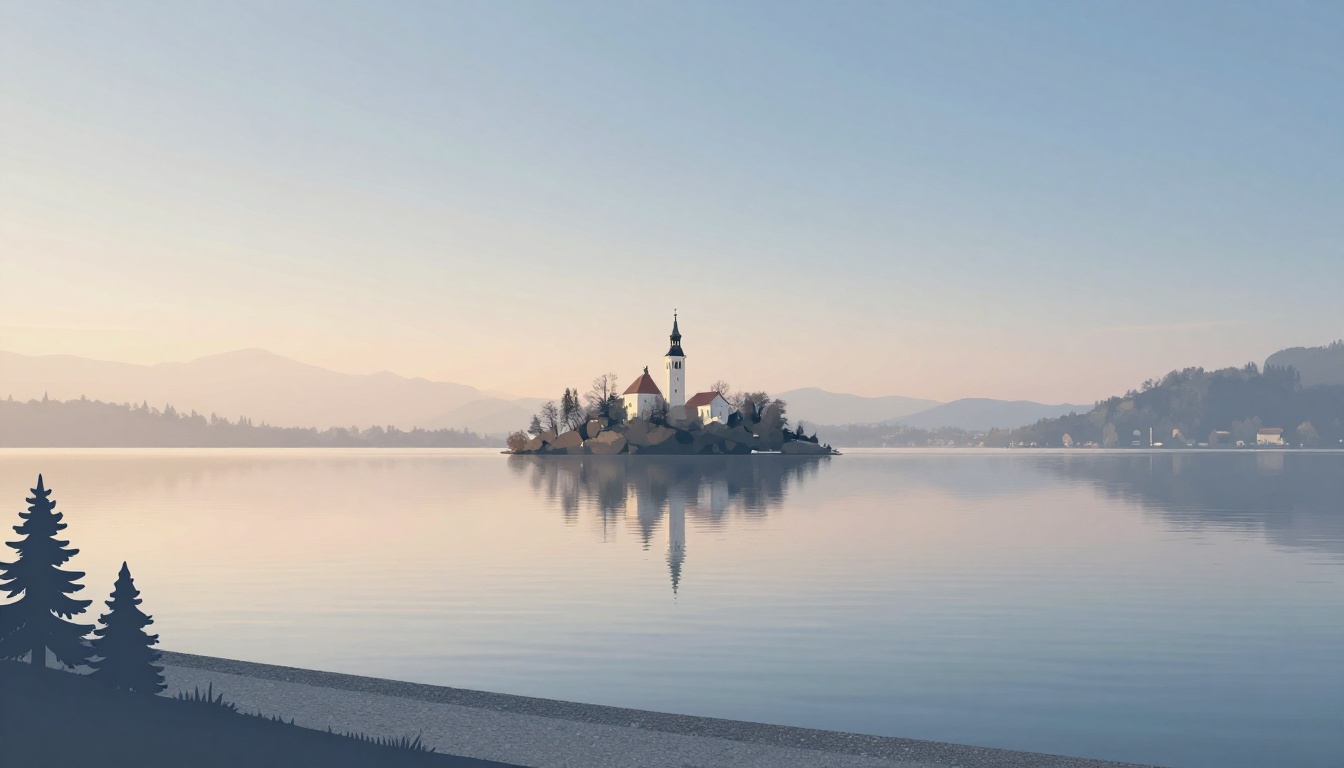
At first light, Lake Bled can look unreal. The water is still, the island church seems to float, and the first pale color on the sky gives the whole basin a soft, silver-blue glow. If you want the best photo spots around Lake Bled, timing matters as much as the view.
A place that works at 6 AM often falls flat by 2 PM, because the lake changes fast with light, crowds, haze, and wind. That’s why it helps to know not only where to stand, but when to be there, from pre-sunrise calm to blue-hour reflections and night shots. For photographers and casual travelers alike, late spring through early fall gives you the longest shooting windows, and many April sunrise and sunset tables place first light around 6 AM, with sunset stretching a little past 8 PM by late month.
The guide below matches each hour with the spot that gives you the strongest chance at a great shot.
Start before sunrise for mist, still water, and the most peaceful views
If you want the classic Lake Bled photo, dawn is the sweet spot. The lake is often calmer, the wind is low, and the first color in the sky is soft instead of harsh. Just as important, the paths and viewpoints are still quiet, so your frame feels clean and your time feels unhurried.
Try to arrive 45 to 60 minutes before sunrise. Around late April and early May, first light comes early, with sunrise roughly between 6:10 AM and 5:48 AM local time, so this hour matters more than most travelers expect. That earlier arrival gives you blue hour, a better chance of fog on the water, and the kind of still reflections that often fade once the lake wakes up.
Ojstrica gives you the iconic postcard view before the crowds arrive
Ojstrica is one of the best dawn viewpoints around Lake Bled because it opens the whole scene in one sweep. You get the lake, the island church, and the mountain backdrop in a single frame, which is why so many of the best-known Bled photos come from here. At first light, the church sits like a small anchor in the center of a much bigger stage, while the sky starts to glow behind the ridges.
The hike is short, but it feels sharp in the dark. A headlamp helps, especially on the steeper, rooty sections near the top. If you want a quick overview of the path and what to expect, this Ojstrica hike guide is a useful reference before an early start.
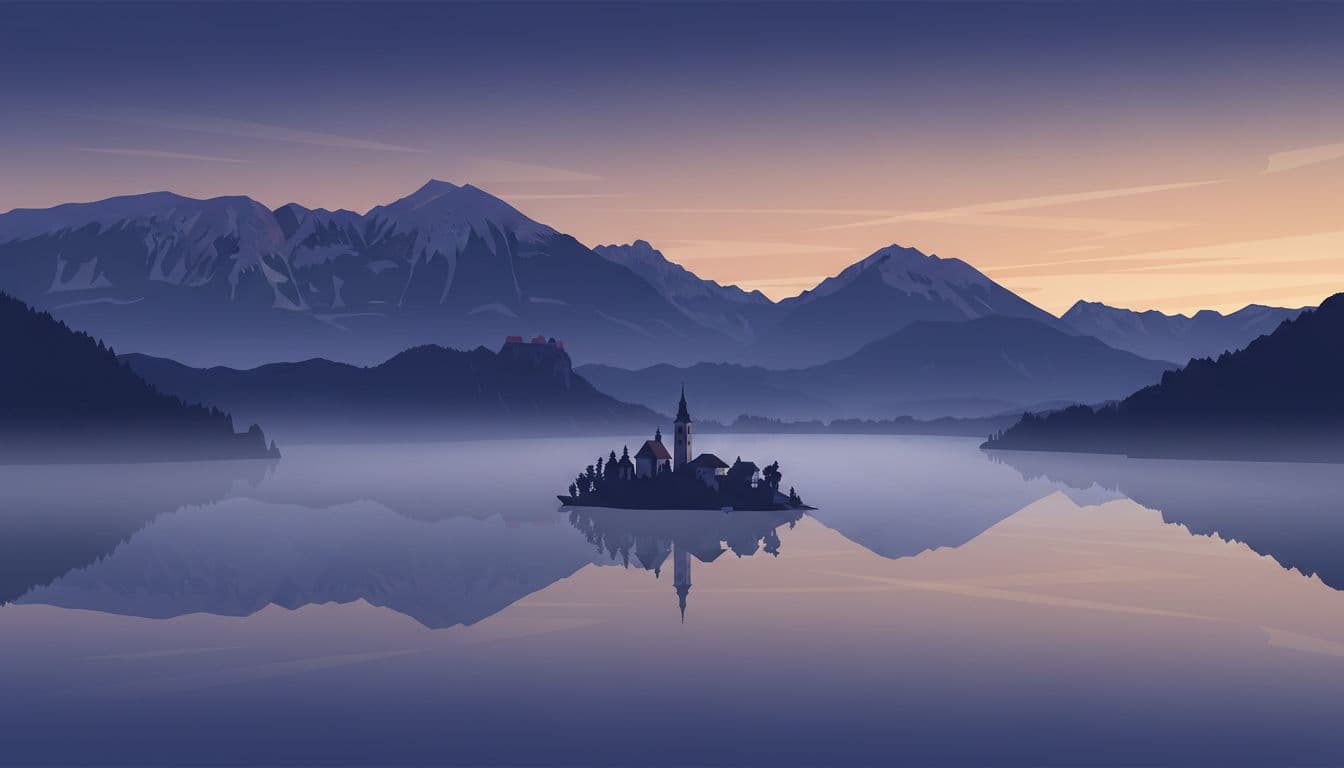
When you set up, keep your composition simple. Place the island in the lower part of the frame, then leave enough room above it for the sky to build color. That space matters because pre-sunrise light changes fast, and the best part of the scene is often the contrast between the dark land and the pale sky.
A few framing ideas work especially well here:
- Shoot wide if you want the full postcard look, with the mountains holding the background.
- Use the slope and treetops at the edges only if they help the frame feel grounded.
- Watch the church and its reflection line, because a small shift in position can clean up the scene.
If mist is hanging low over the lake, stay patient. The view can change by the minute, and that thin veil over the water often gives the frame its mood.
On clear mornings, the color often peaks before the sun fully clears the mountains.
The east shore is best for soft reflections and low fog over the lake
If you want beautiful dawn photos without a steep climb, the east shore is a smart pick. It doesn’t have the same high, sweeping drama as Ojstrica, but it gives you something just as useful: low effort, easy access, and a calmer view of the lake when the water is glassy.
This side works well because the shoreline gives you natural foregrounds. Trees, branches, and the edge of the water can add shape without crowding the frame. Meanwhile, low fog often sits close to the lake here, which can make the island look like it’s floating.
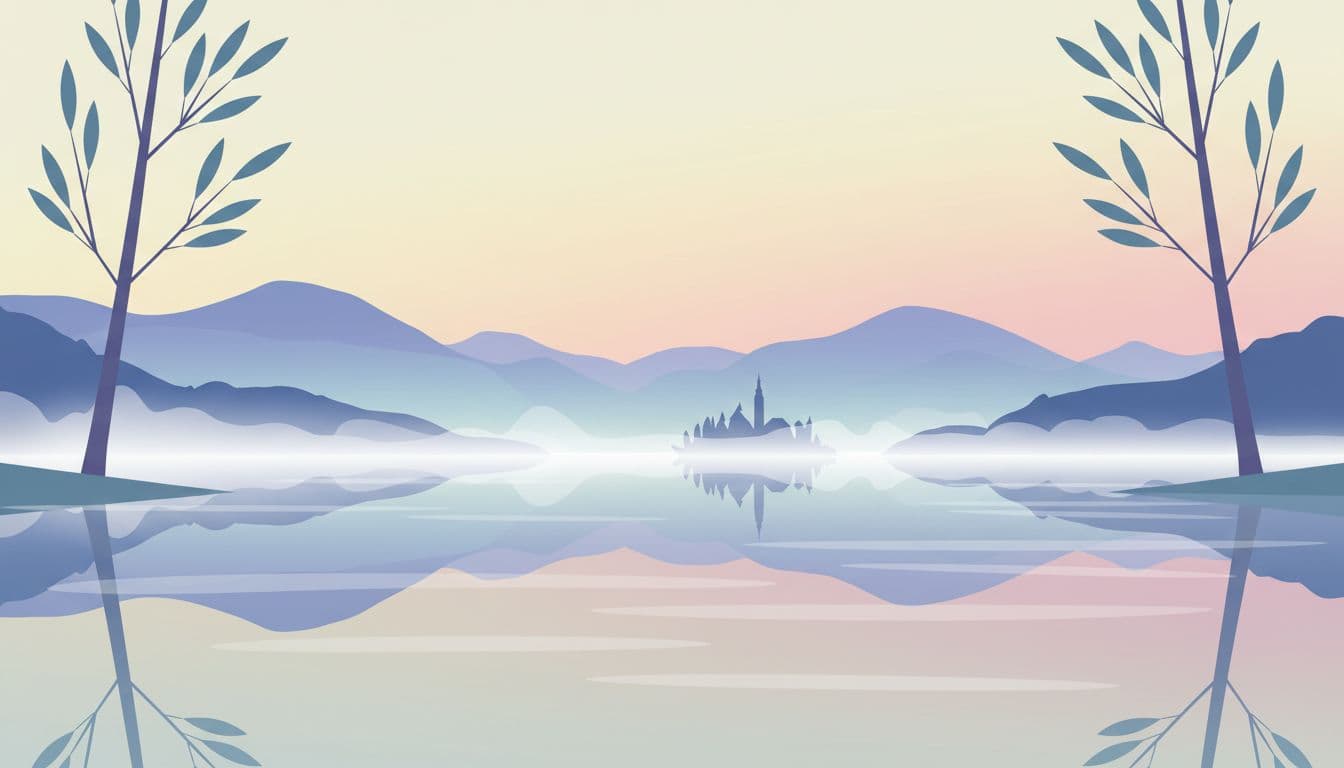
Because this is a lower angle, reflections become the main story. On a still morning, the lake can act like polished glass, especially before boats and walkers stir things up. That softer, quieter look feels less expected than the big viewpoint shot, and it often suits travelers who want images with a gentler mood.
A few small choices make this spot stronger:
- Stand close enough to the water to pull reflections into the frame.
- Use trees or hanging branches to add depth, but don’t block the island.
- Leave extra space around the fog if it’s drifting low over the surface.
This shoreline is also a good fallback when you don’t want to hike in the dark. For a broader overview of popular Lake Bled photography spots and timing, Bled’s photography guide can help you compare options.
What to shoot in low light so your dawn photos stay sharp
Low light is where many dawn shots fall apart, but the fix is usually simple. Start with a tripod, because pre-sunrise shutter speeds can get slow fast. If the water is still and the scene is not moving much, a slower exposure helps you keep detail without pushing your ISO too high.
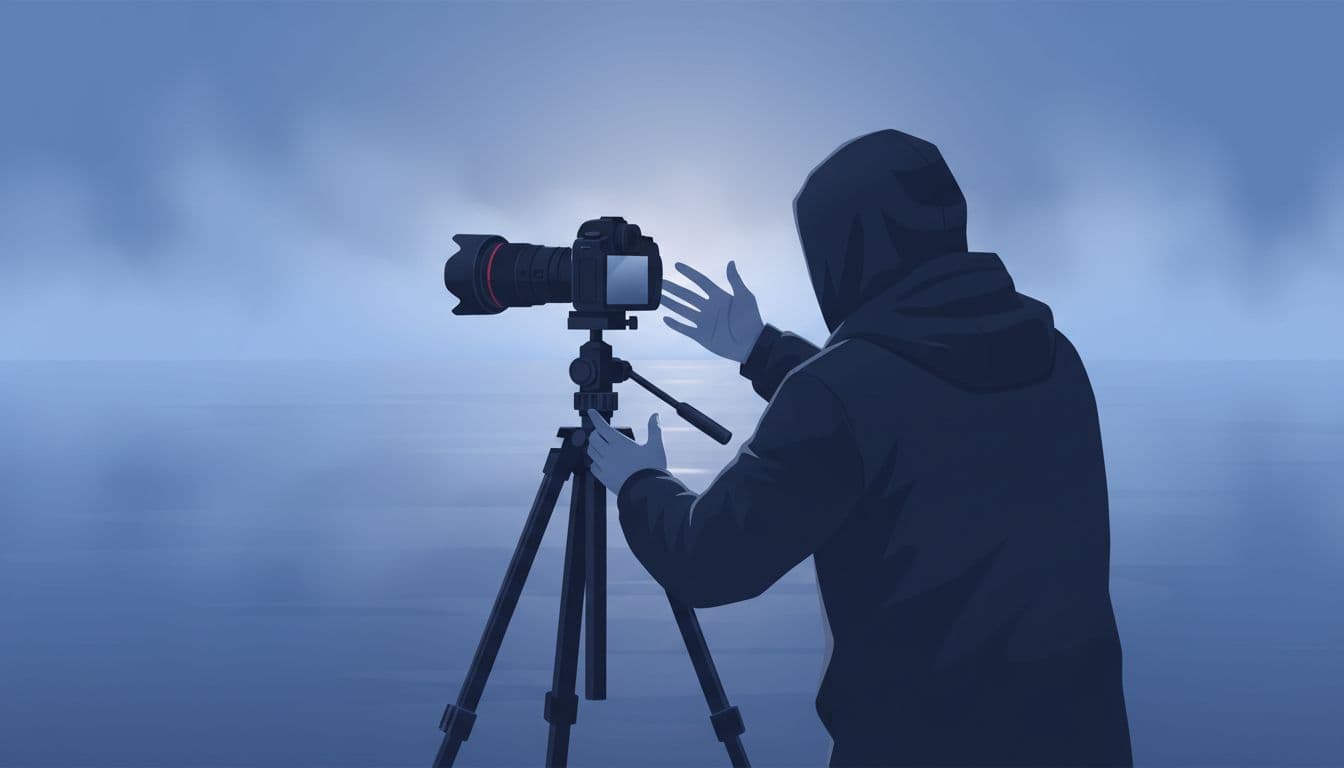
A wide lens is usually the best fit for this hour. It lets you hold the sky, lake, and island in one frame, which matters most before direct sun starts carving up the light. Keep your ISO low if you can, because dawn color looks cleaner when shadows aren’t noisy.
For this hour, the basics are enough:
- Use a tripod and keep it steady on firm ground.
- Start with a low ISO, then raise it only if the scene is moving.
- Use a wide lens for the full lake-and-sky view.
- Accept slower shutter speeds when the water is calm.
- Watch the mist, because it can soften contrast and shift your exposure.
If you’re unsure where to begin with settings and field technique, Photography Life’s Lake Bled guide has practical examples that match the location well.
Mist deserves special attention at dawn. It can make the scene look dreamy, but it also lowers contrast and hides fine detail. Because of that, zoom in on your screen, check sharpness, and take a few versions as the fog shifts. A frame that looks flat one minute can look perfect five minutes later.
Use the early morning glow for the lake’s most balanced, easy-to-shoot light
From sunrise to about 9 AM, Lake Bled is often at its most forgiving. The light is soft, contrast stays gentle, and the paths are still calmer than they will be later in the day. For most visitors, this is the best overall window because it works for both big scenic frames and smaller moments along the shore.
You can start high for a full panorama, then move lower as the town wakes up. That way, you get the grand view first and the easy, close shots after, while the water still holds some calm and the color still feels smooth.
Mala Osojnica rewards the climb with the fullest view of Lake Bled
If you want everything in one frame, Mala Osojnica is hard to beat. From the top, the lake opens like a map. You can fit the full oval of the water, the island church, Bled Castle on its cliff, and the mountain wall behind it all. In early morning light, those layers separate cleanly, so the scene feels rich without turning harsh.
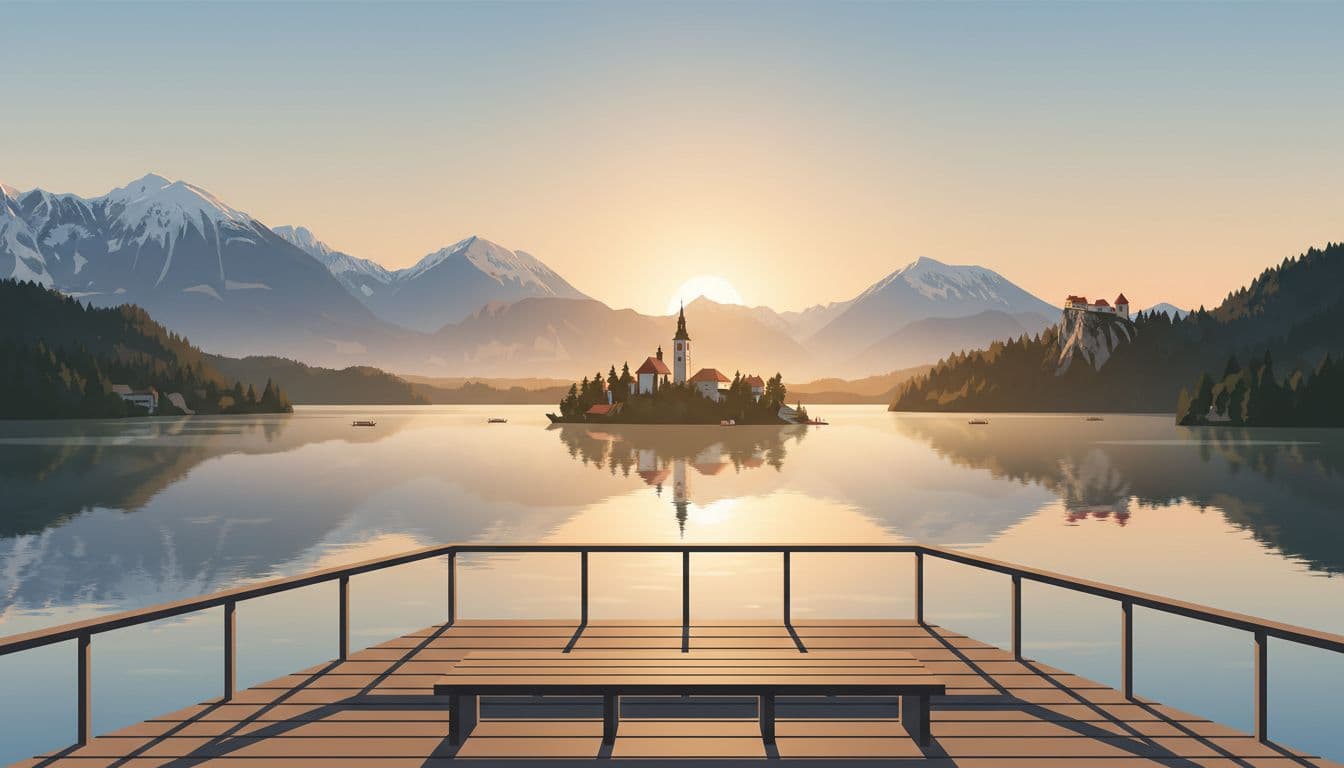
This viewpoint suits photographers who want the classic all-in-one composition. A wide lens helps, but you don’t need extreme width if you step back and keep the frame tidy. Leave space for the mountains, and let the island sit where the eye finds it first.
The trade-off is the climb. Mala Osojnica takes longer than Ojstrica and feels more demanding, especially if you’re heading up soon after dawn. Plan extra time, wear good shoes, and expect a steeper, rougher trail in sections. If you want a route overview before you go, this Mala Osojnica hike guide is a helpful reference.
Early morning gives this lookout its cleanest balance of color, detail, and depth.
Bled Castle terrace shines once it opens and the light is still soft
After sunrise, Bled Castle is a strong second stop. The castle typically opens in the morning, often around 8 AM, which lines up well after an early viewpoint shoot. Current official hours usually start at 8 AM, but it’s smart to confirm on the Bled Castle opening hours page before your trip.
Once you’re on the terrace, the view shifts from wild panorama to something more polished. You still get the island and broad lake, but from a higher built edge that adds shape to the scene. If the surface is still calm, the water can hold soft texture and partial reflections, which makes this hour especially photogenic.
This is also a good place to compose with the castle itself. Use a stone window, an arch, or a section of wall as a frame, and the photo gains depth right away. Those details can turn a pretty view into a shot that feels anchored to Bled rather than just taken above it.
The lakeside path captures swans, boats, and simple frames that feel alive
Not every great Lake Bled photo needs a climb. The easy loop around the shore is perfect in this time block because the light is still kind, the path is simple to work, and the scene starts to fill with life. Swans move through the foreground, rowboats drift from their moorings, and boathouses add texture without stealing the frame.
This stretch is where you can slow down and look for smaller stories. A church view through hanging branches, a wooden boat cutting a narrow line in the water, or a swan near the reeds can say more than a huge panorama. For many travelers, these are the photos that feel most personal because they place you at the lake, not above it.
If you want an easy place to start, the Rowers’ Promenade photo spot is a useful benchmark for lakeside angles. Still, the best approach is to walk slowly and keep your frame simple. By mid-morning, that mix of soft light and everyday motion often gives you the most natural set of images from the whole day.
Midday is harder, but a few spots still work when the sun gets strong
From about 10 AM to 3 PM, Lake Bled asks you to change your approach. The light gets sharper, the water turns bright, and wide postcard shots become harder to keep clean. Still, this part of the day isn’t wasted at all, because noon light can bring out color, texture, and small moments that softer hours sometimes hide.
If you can’t shoot at dawn or sunset, keep your expectations realistic and your framing tighter. Midday works best when you stop chasing one huge scene and start looking for pieces of it.
The main lake path works best for close details, not big dramatic scenes
The main path around the lake is strongest at midday when you treat it like a detail hunt. Instead of trying to fit the whole lake into one bright, flat frame, look for boats tied to the shore, flowers near the waterline, old wood grain, swans, and church details across the lake. These smaller subjects hold up better when the sun is high.
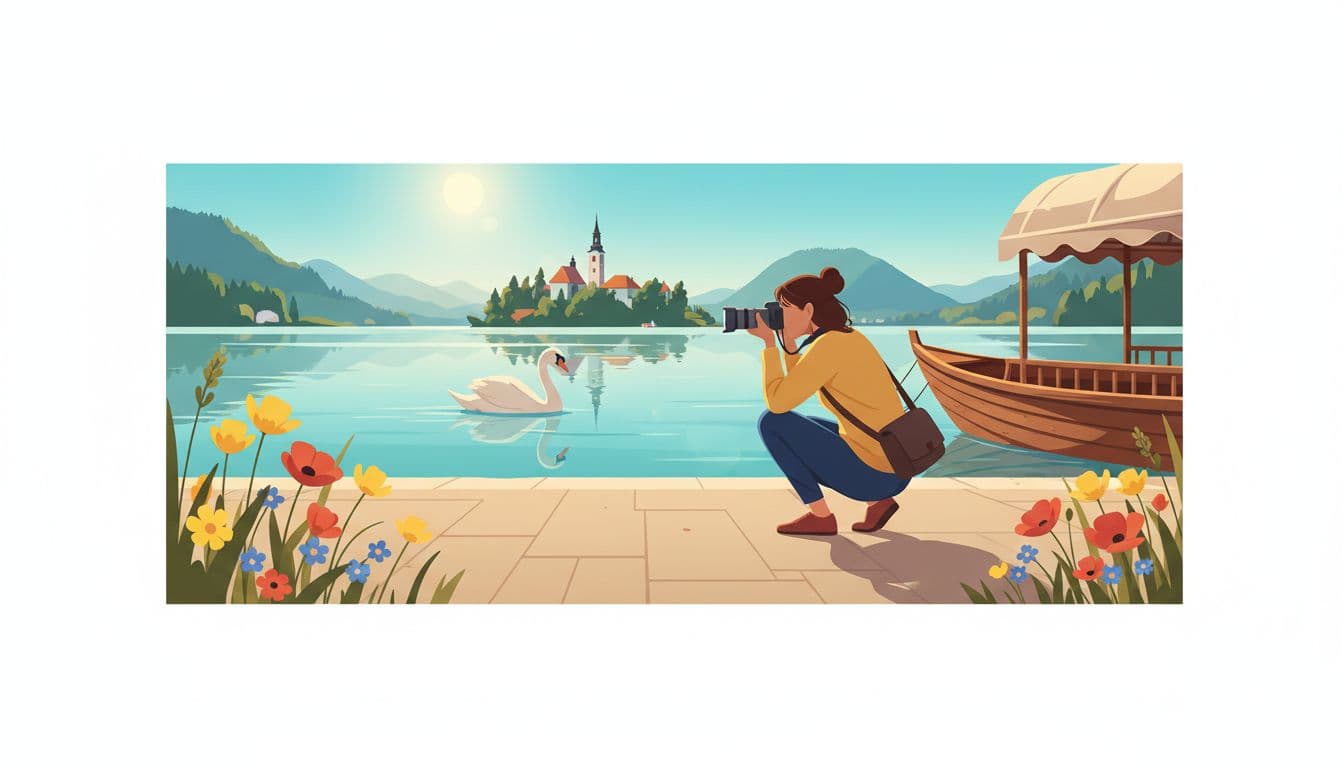
A swan gliding past can give the frame life, while a rowboat or dock adds shape and texture. Meanwhile, the church on the island still works from shore if you shoot it as a distant detail, not the whole story. Along spots like the Rowers’ Promenade photo area, this slower, closer style often works far better than a broad scene in harsh sun.
One simple tool helps here: a polarizing filter. It can cut some glare on the water and pull out richer color in wood, leaves, and boats. Even without special gear, though, the main fix is simple, get closer, crop distractions out, and let the small details do the work.
At midday, Lake Bled often photographs better in pieces than in one giant frame.
Straža and Velika Osojnica offer brighter panoramas with fewer visual blocks
If you still want a wide view in the middle of the day, go higher. Elevation helps separate the lake from the busy shore, parked boats, and lakeside clutter. That cleaner separation gives your photo more breathing room, even when the sun is bright and direct.
Straža is the easier option because it’s quicker to reach and less demanding than the longer climbs. It’s a practical midday choice when you want a view above the trees without giving half the day to a hike. For route basics and access, the official Straža overview is a useful reference.
Velika Osojnica is the stronger pick if you have more time and want a more hidden feel. It tends to be less busy, and that extra height helps the island, lake, and mountains separate into cleaner layers. A good trail overview is in this Velika Osojnica hike guide.
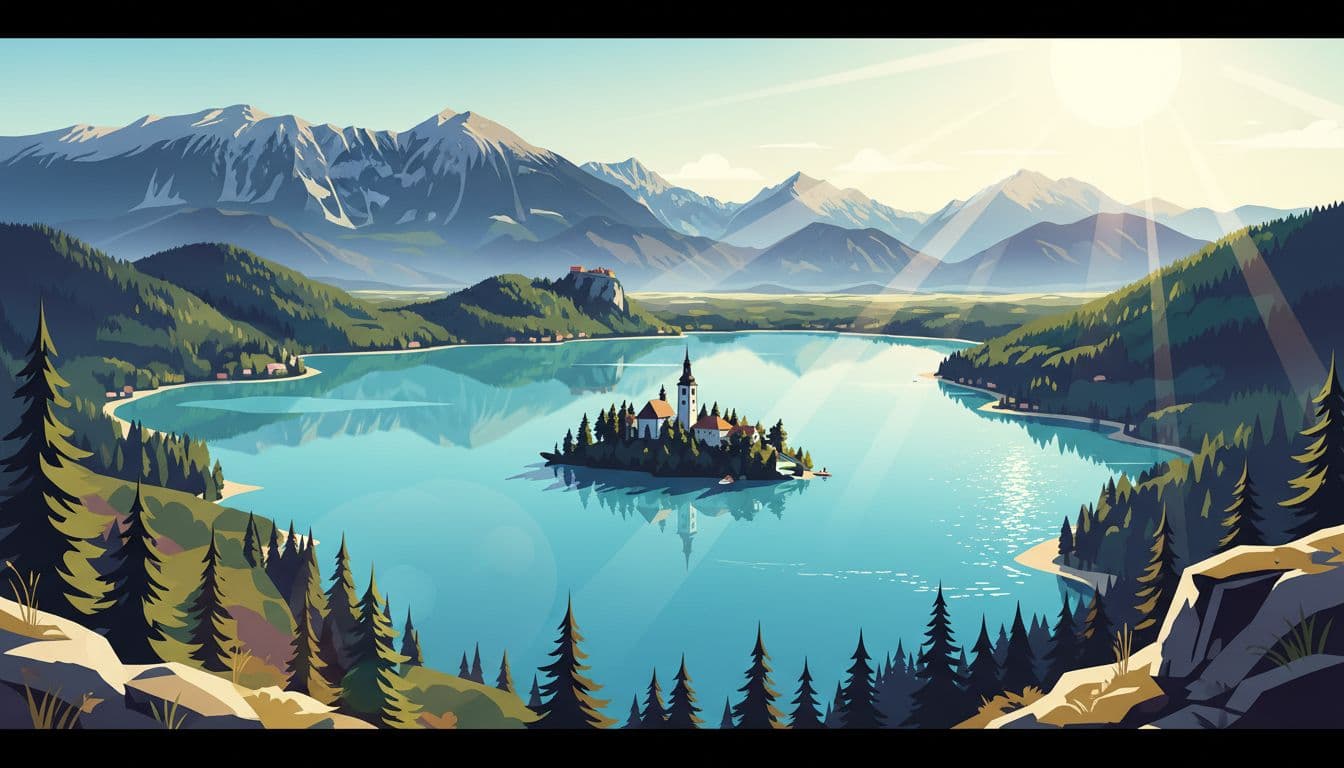
Still, expect stronger contrast and brighter highlights than you saw in the morning. White clouds can blow out fast, and the water may look shiny instead of silky. That said, these viewpoints can still produce solid midday panoramas because the higher angle clears away a lot of the visual noise below.
Small foregrounds can save your midday photos
When the light feels flat, composition matters more than drama. A small foreground element can give the frame purpose and depth, even when the sky has little mood. Around Lake Bled, that might be a bench, a railing, a few leaves hanging into the edge of the shot, or the popular Heart of Bled photo spot.
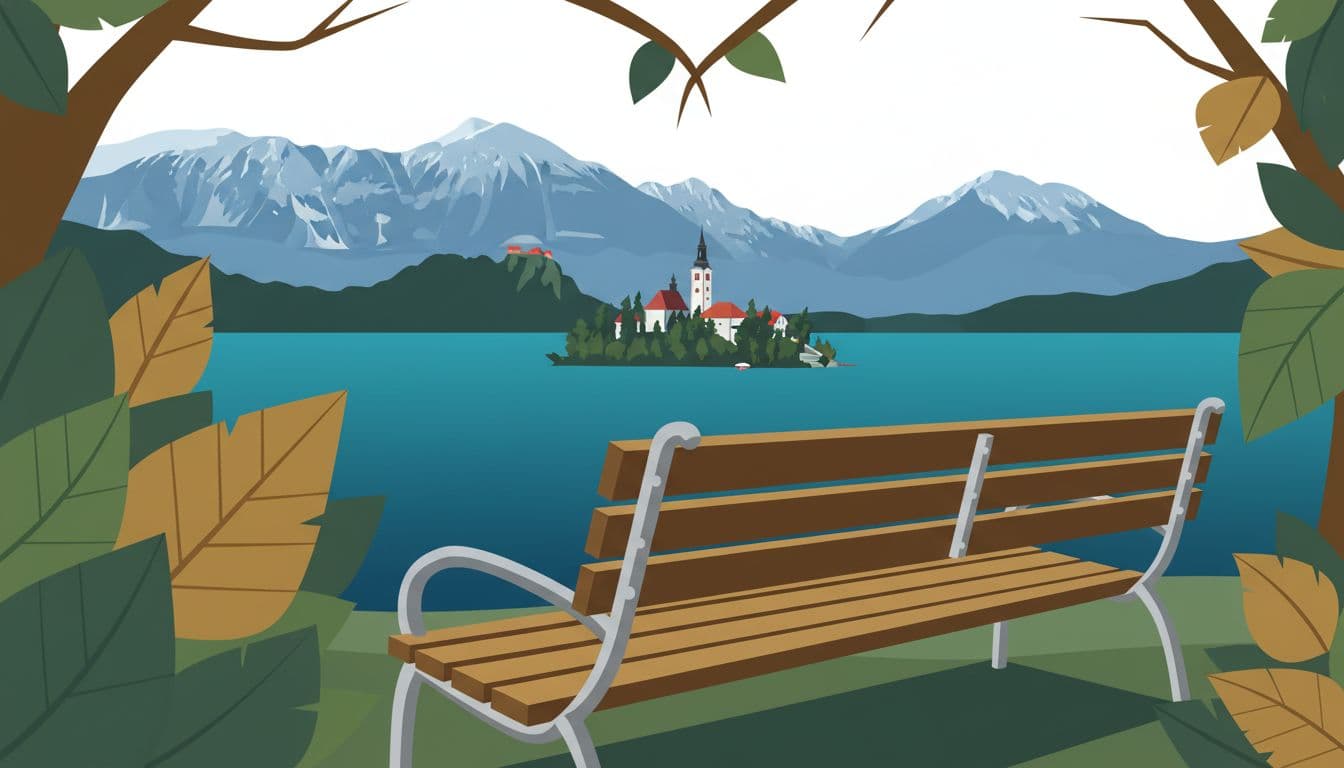
The trick is to use that foreground as an anchor, not a distraction. Let it sit near the edge or lower part of the frame, then keep the island, castle, or shoreline beyond it. Suddenly the photo feels chosen, not grabbed on the walk past.
A few simple foregrounds work especially well at noon:
- A bench gives the eye a starting point.
- A railing can guide attention toward the island.
- Leaves soften empty sky and bright water.
- The heart-shaped spot adds shape when the lake view feels too open.
Midday often strips a scene down to its bones. That’s not always bad. If you compose with intention, even a bright noon frame can feel calm, balanced, and worth keeping.
Late afternoon and sunset bring warm light, glowing stone, and richer color
By mid to late afternoon, Lake Bled softens again. The hard midday shine fades, shadows stretch, and the whole basin starts to pick up warmer color. This is the window for golden light on the castle, calmer evening tones on the lake, and wide scenic frames that feel fuller and more dramatic.
If you’re shooting roughly from 3 PM to sunset, then into the first part of blue hour, plan to move from easy access to higher viewpoints. Around late April and early May, sunset often falls close to 7 PM and keeps getting later, with twilight lasting another 30 to 40 minutes, so there is more usable light than many visitors expect. For a broader planning reference, Photography Life’s Lake Bled guide is still one of the better overviews.
Bled Castle is at its best in late afternoon when the cliff starts to glow
Late afternoon gives Bled Castle a different mood than morning. The side light turns the stone warmer, pulls shape from the walls, and adds gentle contrast to the lake below. Instead of a flat view, you get layers, the castle, the cliff, the island, and the mountains sitting one behind the next.
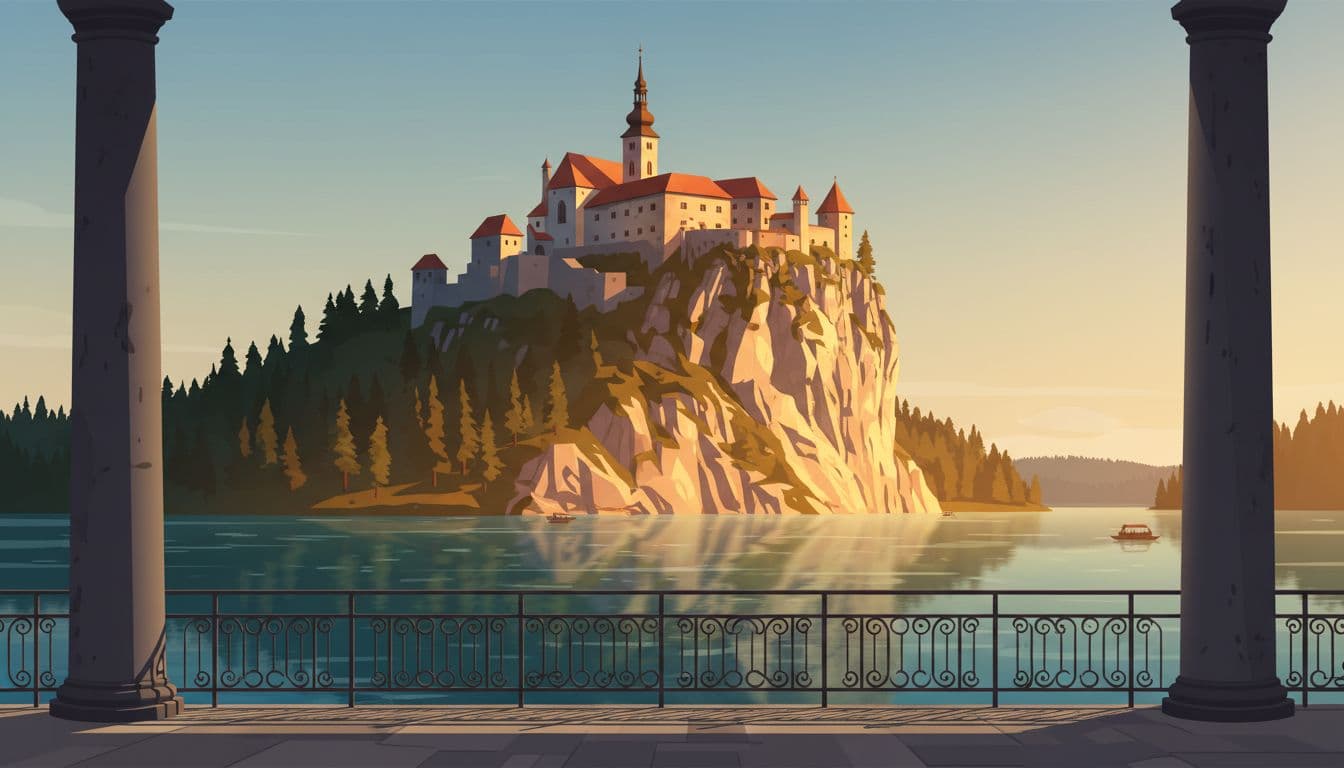
The terraces are especially useful at this hour because they open up wider frames without much effort. Step around a bit and look for angles where the cliff fills part of the foreground or side of the image. That dark drop under the castle gives the scene more depth, and the glowing stone above it feels stronger because of the contrast.
This is also one of the most practical evening choices. If you want a high view without another steep climb, the castle is an easy-access answer. The official Lake Bled photography guide also highlights the castle as a strong late-day option, and for good reason, it combines access, height, and very flattering light.
Mala Osojnica turns into a classic sunset spot if you time the climb right
By evening, Mala Osojnica earns its reputation all over again. The panorama is broad, the lake takes on warmer tones, and the island church sits in the middle like a small bright mark on a darker stage. When clouds drift in, the sky often does half the work for you, because sunset color spreads across the whole frame instead of staying near the horizon.
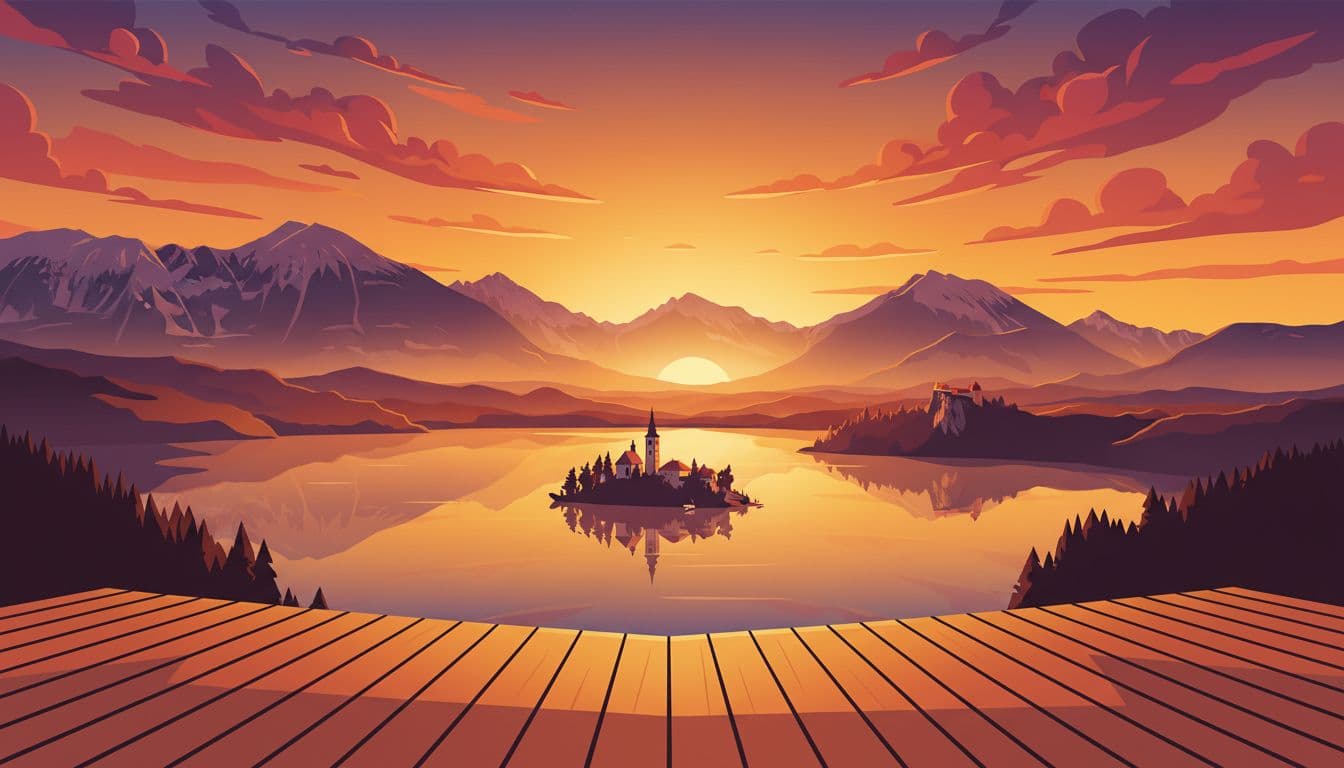
Photographers keep coming back here because it gives the full story in one shot. You can hold the lake, castle, island, and mountains together while the color gets richer by the minute. On evenings with broken cloud, the scene can shift from warm gold to pink and deep orange very fast, so settling in early matters.
Start the climb with enough margin to reach the top, catch your breath, and choose your frame before the best light begins. A rushed arrival usually means a rushed photo. If you want a route refresher, this Mala Osojnica trail guide is a helpful planning link before you go.
For many visitors, this is the classic Lake Bled sunset view, especially when the sky has some cloud to catch color.
Ojstrica is ideal for blue hour after the sun drops behind the hills
The best mood at Ojstrica often comes after sunset, not during it. Once the sun slips behind the hills, the sky cools into blue and violet tones, while the lake turns darker and smoother. The island church and shoreline lights begin to stand out, and the whole scene feels calmer, almost like the day is exhaling.
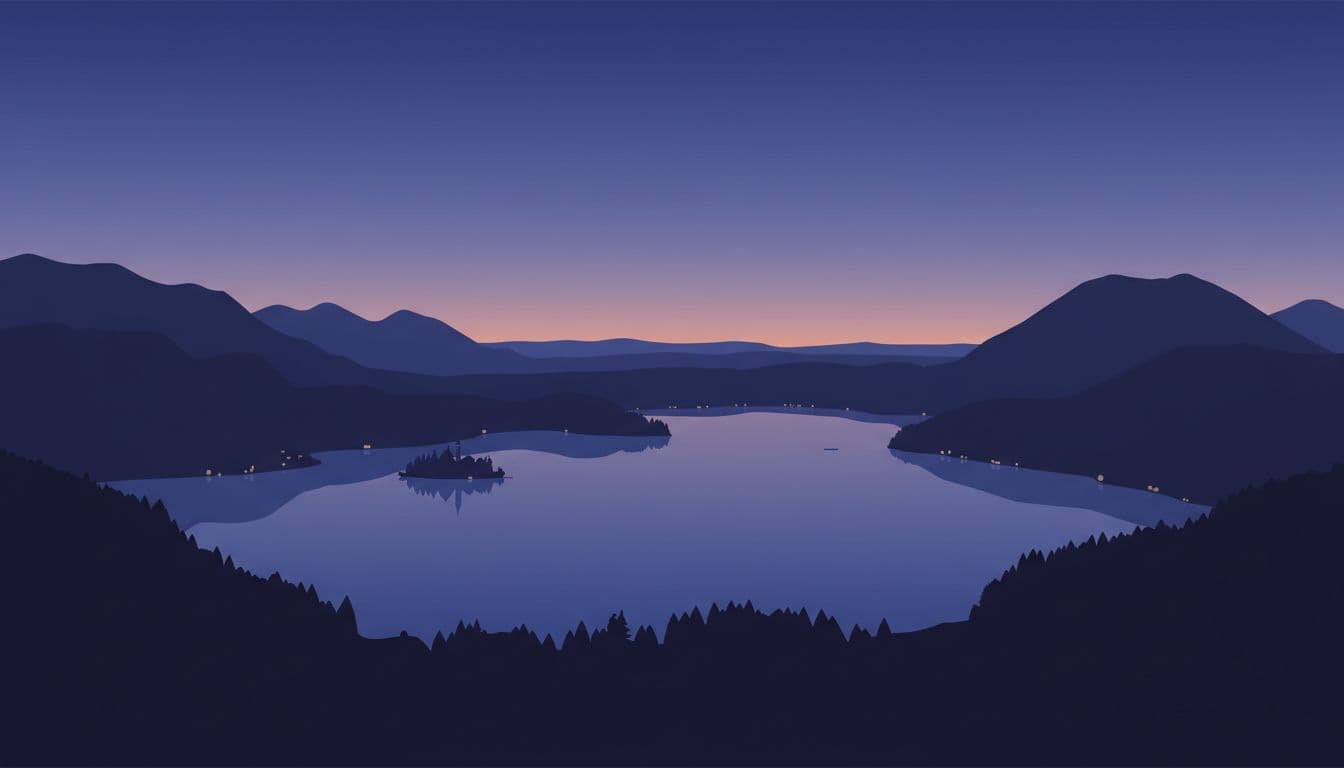
That short blue-hour window is great for moodier images because the contrast is softer and the colors feel more woven together. Sunset itself can look beautiful, but it can also be harsh if the bright sky overpowers the lake. A little later, the scene often balances out. If you want to preview the angle, this Ojstrica viewpoint reference gives a useful sense of the composition.
Take the descent seriously, though, because the trail is less forgiving in low light. Watch your footing on roots and dirt, give yourself extra time, and bring a small light for the walk down. That simple bit of prep makes this final shooting window much easier to enjoy.
After dark, the lake gets quiet and the island lights take over
Staying late at Lake Bled is worth it if you want a calmer mood than sunset gives. After blue hour, the chatter fades, the path opens up, and the island church starts to glow like a lantern on black glass. With fewer people in the frame and more contrast between light and water, even simple compositions feel richer.
This part of the evening also rewards patience. Long exposures soften ripples, small lights stretch into reflections, and the lake trades detail for atmosphere. If you don’t want to end your shoot at sunset, this is the hour that often gives Bled its most peaceful photos.
The lake loop gives easy night shots of the island church and its reflection
For most travelers, the easiest night photos come from the shore. The full lake loop keeps you on accessible paths, so you can shoot after dark without taking on a steep trail. If you want the island lights without hiking in the dark, this is the safest and simplest choice.
The best frames are usually the cleanest. Set up where the church has space around it, then wait for the water to settle. When the lake goes still, the lit church doubles in the reflection and the whole scene feels almost painted. Even when the surface isn’t flat, a longer exposure can smooth the ripples into soft bands of light.
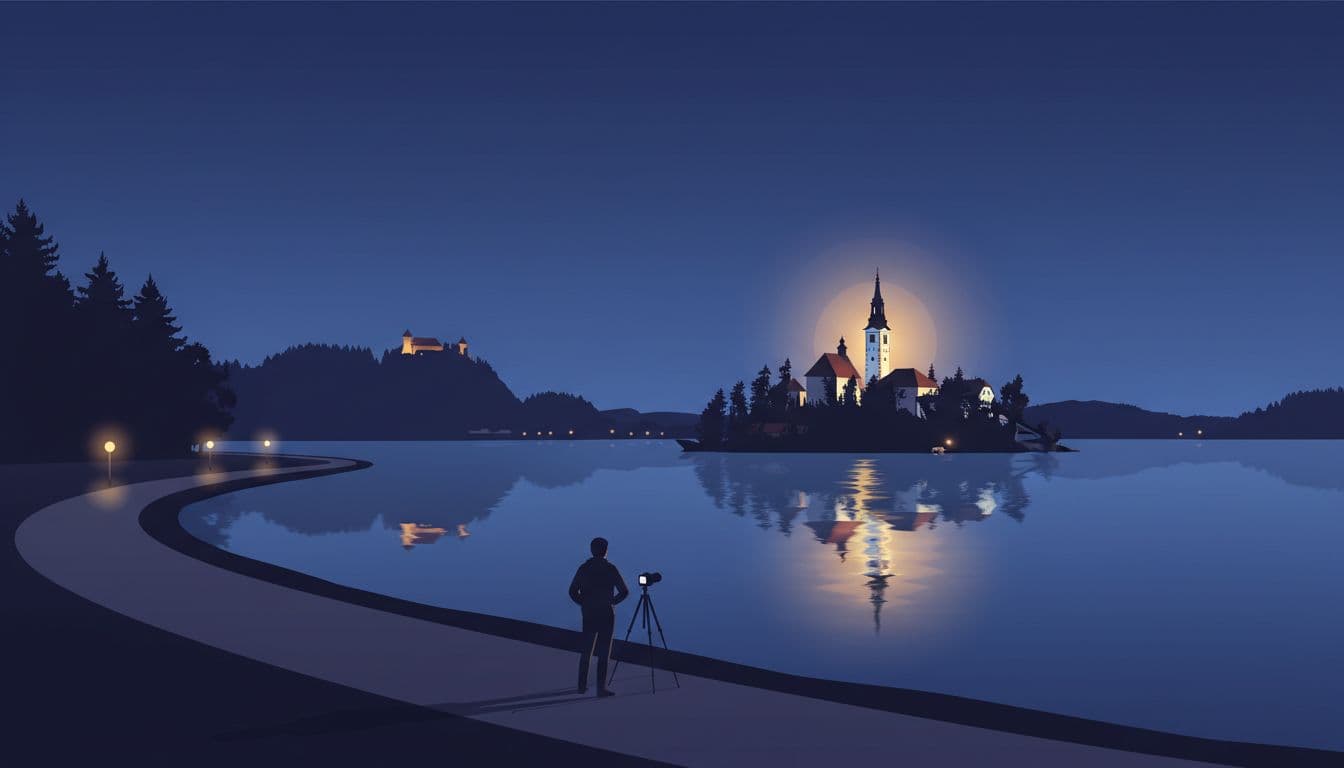
Blue hour is often strongest about 30 to 45 minutes after sunset, because the sky still holds color while the lights are already on, based on current night-shooting guidance for the lake area. That short window gives you enough separation between the island, the hills, and the sky. For broader spot ideas around the lake, this Lake Bled photography guide is a useful planning reference.
Castle exteriors and distant viewpoints create a darker, moodier frame
Even after interior access ends, Bled Castle still works well from outside. Its lit walls and cliff edge stay visible from several points around the lake, and that makes for a stronger night subject than many travelers expect. Instead of a bright postcard look, you get a darker frame with pockets of warm light.
From lower ground, the castle can look like it’s floating above the shore. From higher viewpoints, it becomes part of a wider night scene with the island lights below. Those elevated shots are best left to experienced photographers who already know the trail, carry a headlamp, and feel comfortable on uneven ground after dark. Night hikes here need care, not bravado.
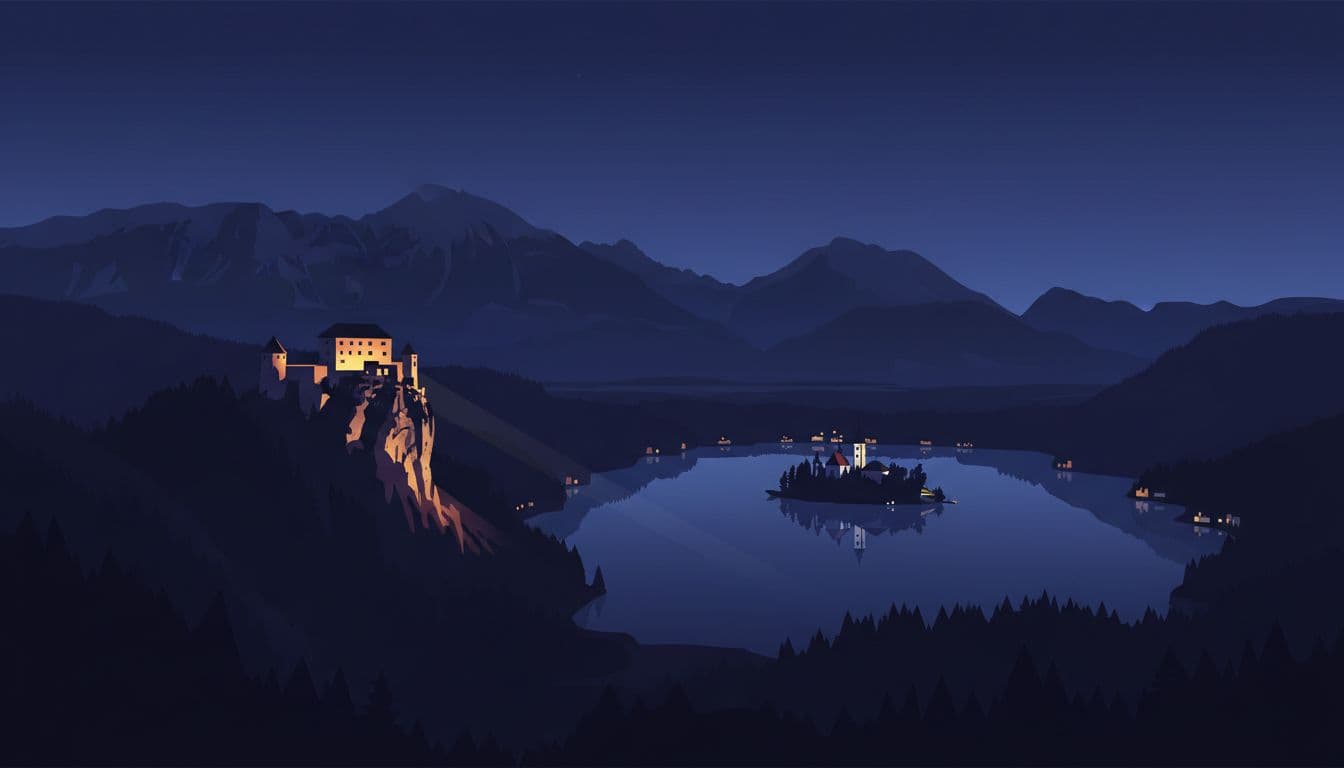
If you’re choosing between shore and height, the shore is the easier late-night win. A distant viewpoint can look dramatic, but only if you can reach it and return safely. For location ideas and field notes from photographers who have shot Bled after sunset, this Lake Bled photography tips guide gives helpful context.
After dark, the best photo is often the one you can make safely and without rushing the walk back.
A few simple night settings make a big difference
At Lake Bled, night photos improve fast when your setup is stable. A tripod matters most, because the island lights look much cleaner when the camera stays still. On the lakeside path, take a second to find solid footing, since soft edges and uneven boards can ruin a long exposure.
Start with 10 to 30 seconds and adjust based on the water. Shorter exposures keep a little texture in the lake, while longer ones turn ripples into a smooth mirror below the church. Use a self-timer or remote so you don’t shake the camera when you press the shutter. Keep ISO low at first, then raise it only if wind or movement forces a faster shot.
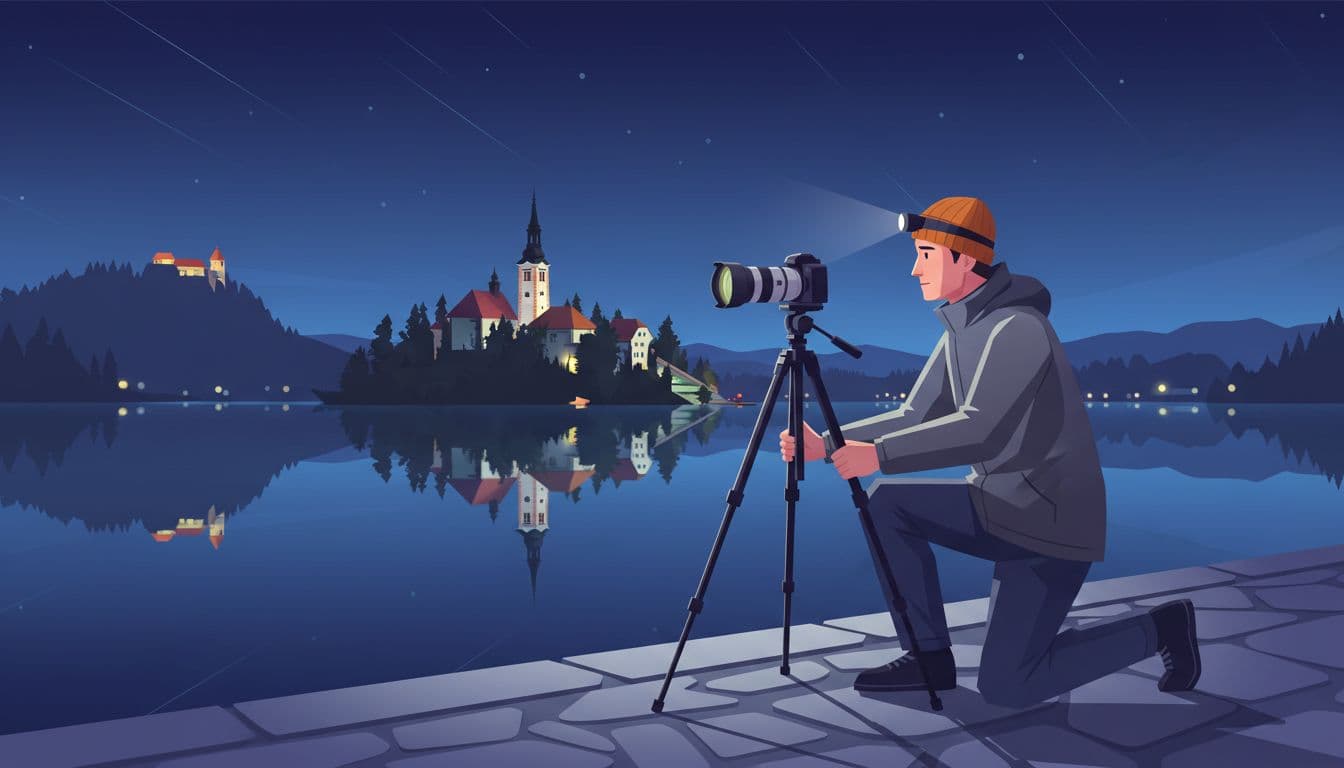
A few small habits help on this lake at night:
- Check each frame for blur after people pass or the boardwalk shifts.
- Give the church lights room in the frame, because reflections need space to breathe.
- Watch bright lamps near shore, since they can pull attention away from the island.
If you stay through blue hour into full dark, those simple changes usually matter more than any fancy gear.
Conclusion
Lake Bled rewards timing more than speed. The best photo spot depends on the hour, not just the location, so your strongest plan is to match the lake’s mood to the light.
At dawn, go for calm reflections and mist. Then use early morning for the easiest all-around shooting, midday for close details, late afternoon for warm color, and night for mood and clean reflections under the lights.
Because the light shifts so fast here, don’t try to chase every viewpoint in one day. Pick one or two time windows, stay patient, and let Lake Bled look its best when that hour arrives.
