
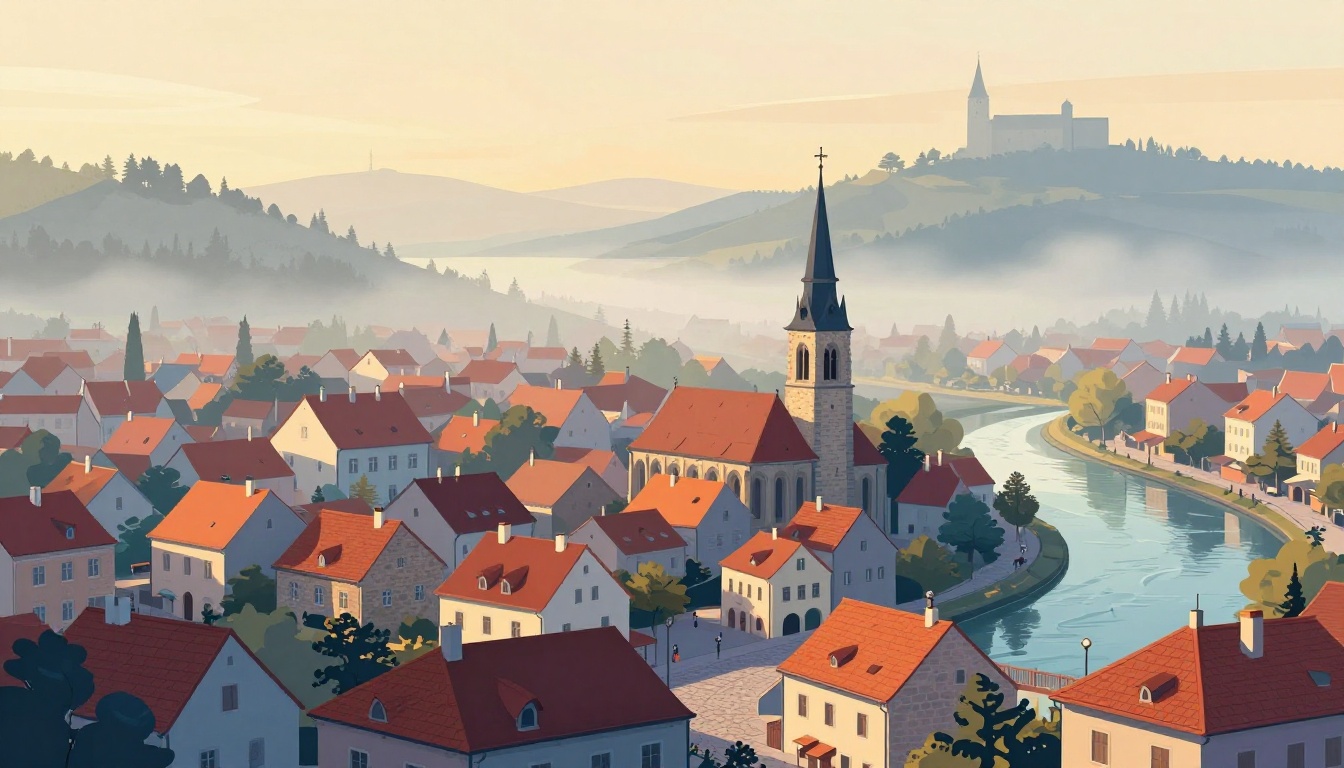
Mist hangs over a river, church bells carry across the square, and first light warms old stone before the tour buses arrive. That short window is why Central Europe works so well for travel photography, especially in its small towns.
You can cover a lot on foot, which means more time shooting and less time in transit. The streets are calmer, the history is layered into every facade, and the soft light lasts long enough to catch river reflections, market corners, hilltop castles, and ordinary street scenes that feel alive. For this article, Central Europe means places such as Czechia, Austria, Germany, Poland, Hungary, Slovakia, and nearby border regions with the same visual pull.
What makes a small town worth the trip for travel photography
Before naming towns, it helps to know the filter. A strong photo town gives you range, not just one pretty square. You want skyline views, street details, water reflections, markets, and slices of local life, all within a short walk. It should also be easy to shoot early, with compact old streets, open viewpoints, and scenes that don’t demand a long climb before sunrise.
Look for layered scenes, not just one postcard angle
The best small towns have depth. A single postcard view looks great for five minutes, but a place worth traveling for keeps giving as you move. Look for a foreground you can use, such as an arcade, a railing, flowers, or a side street, and then check what rises behind it, rooftops, towers, bridges, a lake edge, or hills.
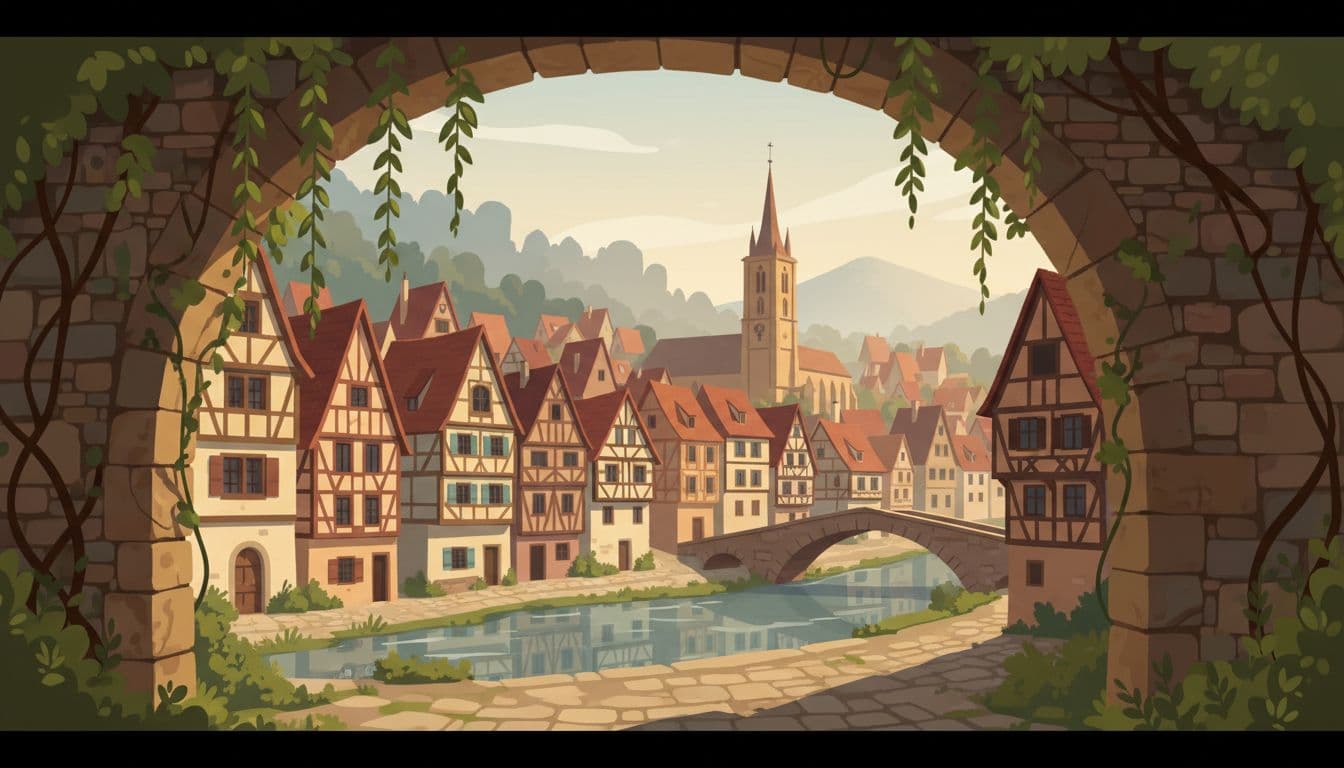
A good test is simple: can one walk give you a wide townscape, a tight shot of worn doors or window boxes, and a few candid frames from cafés or market stalls? Towns with bridges, arcades, narrow lanes, and lakes or rivers usually pass that test. Even Bruges photo walks show why layered streets and water keep a place fresh frame after frame.
A town becomes photogenic when the scene keeps changing, even when you only turn one corner.
The best photo towns change with the season and the light
Light can lift an ordinary street into something memorable. Fog softens church towers and bridges. Snow simplifies busy scenes and adds contrast to dark roofs. Fall color warms stone and timber, while spring flowers and fresh green hills give old towns a lighter feel. Current spring travel notes for places like Cesky Krumlov and Trebon also point to milder weather, blooms, and thinner crowds, which is a strong mix for photographers.
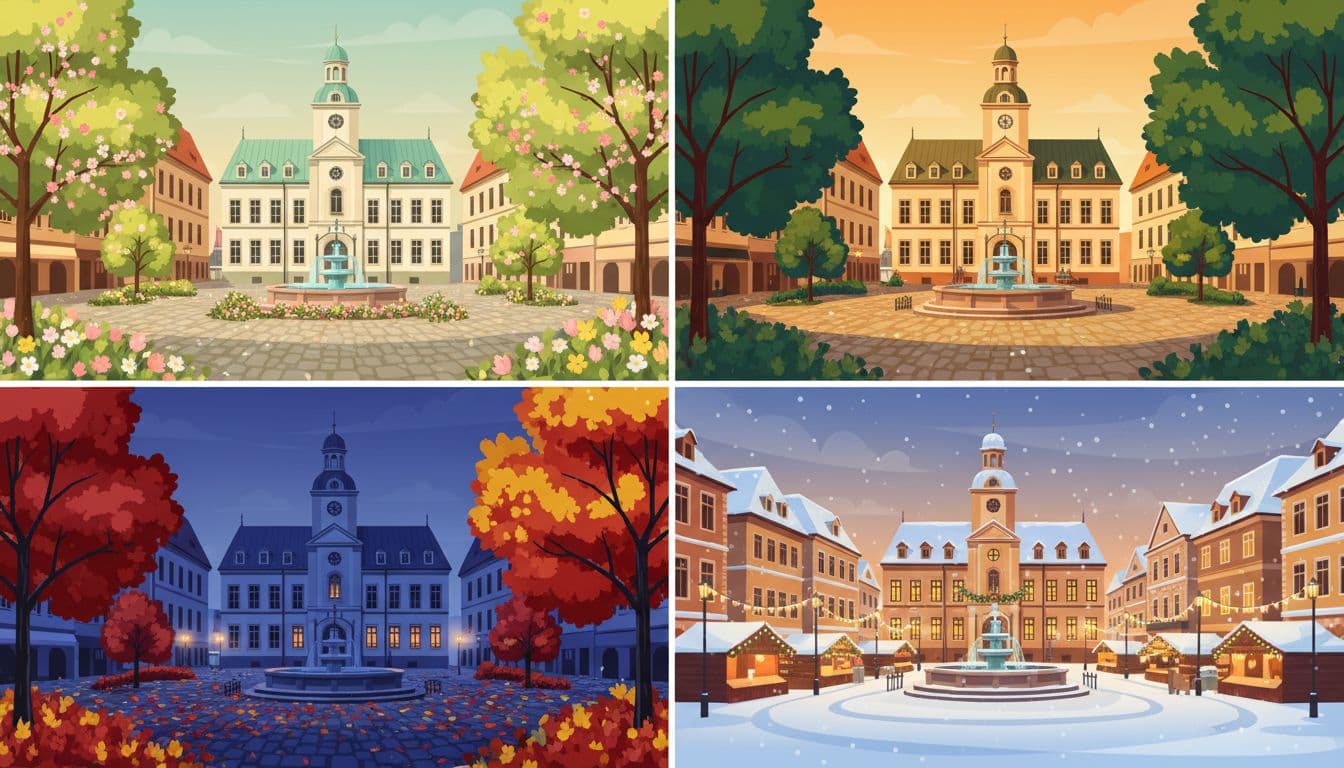
Then there is timing. Golden hour gives roofs and facades warmth. Blue hour makes lamps, windows, and river reflections glow. Early morning is often best because the streets are calm and the square still feels local. If you want a feel for how much late-season light can change a historic setting, this piece on South Bohemia in late autumn captures that quieter mood well. Holiday markets can also add color and life, but only if the town still looks good once the stalls are gone.
The best small towns in Central Europe for travel photography
If you want towns that keep paying off after the first postcard shot, start here. These places are compact, rich in angles, and easy to work on foot, so you can move from skyline views to street details in minutes.
Each one has a distinct mood. Some are best at dawn, some glow after dark, and some reward a fall or winter trip more than a summer one. Timing matters in all four, especially because two of them are very well-known and fill up fast.
Cesky Krumlov, Czech Republic, for river curves, castle views, and misty dawns
Cesky Krumlov is one of those towns where the shape of the land does half the work for you. The Vltava River loops around the old center, which creates layered frames with water in front, red roofs in the middle, and the castle complex rising above it all. Add the painted tower, church spires, and worn cobbles, and you have a town that looks built for a wide lens.
Early light is the secret here. Dawn mist often hangs low over the river, softening the scene and giving rooftops a hushed glow. Elevated viewpoints are where the town really opens up, because you can catch the river bends and the castle in one frame. For practical angle ideas, this Cesky Krumlov photo spot guide is a useful companion.

Fall and winter are especially good here. Autumn adds warm color without hiding the stone and plaster, while winter simplifies busy views and makes chimney smoke and pale sky part of the scene. It’s also a UNESCO favorite, so crowds come early. If you want clean lanes, calm bridges, and quiet reflections, get out before breakfast.
Hallstatt, Austria, for lake reflections and steep alpine drama
Hallstatt has one of the strongest natural backdrops in Central Europe. The lake sits still at sunrise, the mountains rise almost straight from the shore, and the church spire cuts a clean shape against the pale morning sky. When the water turns mirror-like, the houses along the waterfront seem to float between rock and reflection.
Because the village is small, tiny changes in light make a big difference. Spring adds flowers and fresh green slopes, which help soften the gray stone and wood. In winter, snow on the roofs and ledges gives the whole waterfront a sharper graphic look. After dark, lamps along the shore throw warm streaks across the lake, so night shots can work just as well as dawn ones. This Hallstatt photo guide has current angle and timing ideas.
The catch is simple: Hallstatt is famous, and it feels famous by mid-morning. Go early for still water, cleaner foregrounds, and room to work the classic waterfront composition without a wall of phones in front of you.
Rothenburg ob der Tauber, Germany, for storybook streets and blue-hour charm
Rothenburg ob der Tauber is made for architecture and street photography because the setting feels complete from almost any corner. Half-timbered houses lean over narrow streets, towers anchor the skyline, and old gates pull your eye down the lane. Even small details work here, from iron signs and shutters to warm shop windows glowing against cool stone.
The town is strongest early in the day and again at blue hour. Morning gives you emptier streets and cleaner geometry, especially around the gates, walls, and famous intersections. Then, after sunset, the lamps come on, windows glow amber, and the whole place takes on that storybook look people hope to find. If you’re mapping out angles in advance, this Rothenburg photography guide is worth a look.

The holiday season is an obvious high point, but it isn’t the only one. Food festivals and market scenes can add life and local color to frames in 2026, especially if you want people, stalls, and small gestures in the shot rather than empty architecture alone. Here, a simple lane often turns into a full scene once a baker opens up or a market square starts to stir.
Eger, Hungary, for castle ruins, warm light, and vineyard scenes
Eger gives you more variety than many towns its size. You can start on the castle hill with old stone walls and broad town views, then walk down to baroque streets, Ottoman-era traces like the minaret, and finish among wine cellars and vineyard edges before sunset. That range makes it especially good if you like to build a full photo set in one day.
Light suits Eger well because the stone and pastel facades pick up warmth fast in the late afternoon. The Valley of the Beautiful Women is best near sunset, when low sun brushes the vines and cellar fronts with soft gold. In fall, harvest color adds depth and texture, while winter can bring steam and haze near thermal areas, which gives you another mood entirely. This Eger photography spots guide can help with planning.

Because everything sits close together, Eger is great when you want options without long transfers. You can shoot architecture, city views, street life, and wine-country scenes in a compact area, which is hard to beat on a short trip.
Small towns that feel more under the radar, but reward patient photographers
Some places don’t dominate social feeds, and that’s exactly why they work. You get slower mornings, cleaner frames, and room to notice the small things, like fog lifting off water, chipped plaster, or light sliding across a quiet wall.
These picks feel different from the headline towns above. They ask for more patience, but they often give back more personal images, especially if you like reflections, texture, and scenes that unfold over time.
Trebon, Czech Republic, for mirror-still ponds and soft fog
Trebon is a smart pick if Prague-side icons feel too busy. The town has graceful Renaissance facades and arcaded squares, yet its real pull for photographers sits just beyond the center, where fish ponds, wetlands, reeds, and tree lines turn the landscape into a soft mirror at daybreak.
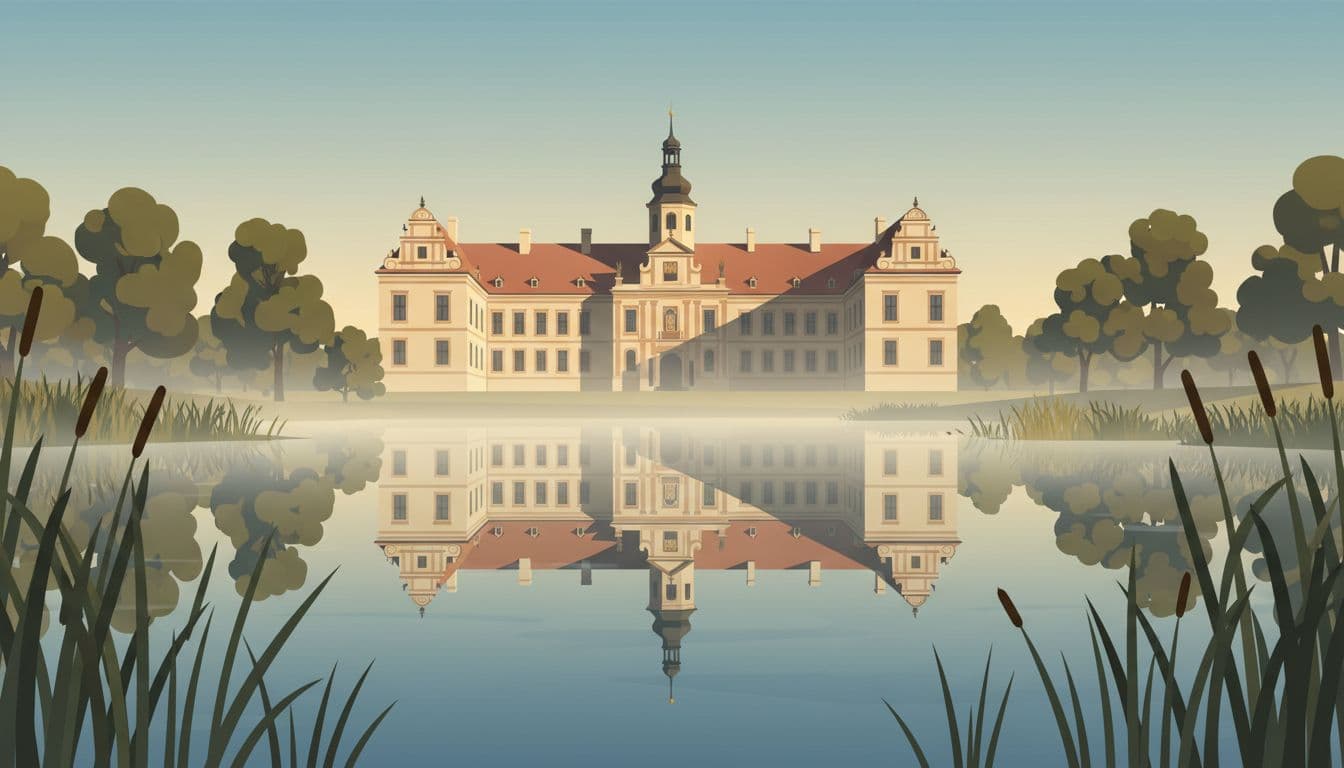
Foggy mornings are the sweet spot here. When the air is still, the ponds flatten into glass, and even simple reeds can look like fine brushstrokes. That’s where Trebon shines, because it rewards close looking. Water plants, damp grass, bark, peeling paint, and stone details all work well for tight frames as well as wider scenes.
The mood is calm, almost hushed. If you like images with space and subtle tone, this town gives you plenty to work with. For a quick visual sense of the local architecture and grounds, the Trebon Castle photo galleries are worth a look before you go.
Trebon is best for photographers who don’t need spectacle in every frame. The quiet is part of the picture.
Bled, Slovenia, for an iconic lake scene and easy day-to-night shooting
Bled is well-known, yes, but it still belongs here through a photographer’s lens. The reason is simple: few places give you so many workable angles in such a compact area. You have the island church, wooden boats, castle viewpoints, tree-lined lake edges, and mountains that keep changing with the weather.
Sunrise is the cleanest time to shoot. The lake often looks smoother, the paths are quieter, and the church on the island feels more isolated in the frame. If you stay through the day, Bled keeps shifting. Clouds can add drama, a break in mist can open the background, and late light can warm the cliff below the castle. After dark, the lakeshore still works because the scene holds its shape at blue hour.
For cleaner images, timing matters more than usual here. Shoulder season is your friend, especially April, May, and late fall. Winter also helps, because snow strips away visual clutter and gives the island church and castle stronger contrast. If you want to map classic angles in advance, the Lake Bled photography guide is useful, especially for viewpoint planning.
The trick is to treat Bled as more than one postcard. Work the lake edge. Shoot across branches. Step away from the busiest pull-offs. The famous view is real, but the better set comes from staying longer than most visitors do.
Kazimierz in Krakow, Poland, for small-scale streets with strong local character
Kazimierz isn’t a true small town. It’s a district of Krakow, and it belongs here as a bonus pick because it often feels like one when you photograph it on foot. The scale is intimate, the streets are compact, and the visual character is far stronger than many actual towns.
This is a place for texture first. Old walls carry stains, cracks, posters, and layers of paint. Synagogues and courtyards add weight and history, while street art, cafe windows, doorways, and shopfronts keep the area current and lived-in. You can move from quiet heritage sites to lively corners in minutes, which makes it great for photographers who like contrast inside one walk.
Light near the Vistula is especially useful late in the day. Riverside paths soften the scene, and that gentler light can help if the inner streets feel too flat at noon. In spring, trees and mild weather make the area easier to shoot for longer stretches, and cultural events can add portrait chances without forcing the frame. Musicians, vendors, locals at cafe tables, and festival crowds all bring life, provided you work with respect and patience.
If you want a planning aid, this Kazimierz walking guide helps identify corners with strong visual character. For photographers, Kazimierz is less about one grand landmark and more about collecting small scenes that feel honest, worn, and local.
How to plan a photo trip through Central Europe’s small towns
A good photo trip starts before you pack a lens. Pick a pace that matches how you shoot, then build a route that leaves room for weather, tired feet, and those slow, unexpected moments that often make the best frames.
Choose towns by your style, architecture, landscapes, or street life
Start with your strongest instinct. If you chase old facades, towers, and tidy lanes, Rothenburg ob der Tauber and Cesky Krumlov give you shape, pattern, and storybook lines. If you want water, peaks, and weather drama, Hallstatt and Bled are better fits.
Mixed shooters should look at Eger or Trebon. Eger blends castle views, baroque streets, and vineyard edges in one compact stop. Trebon pairs a calm old center with ponds and foggy wetlands, which is great if you like both town scenes and soft landscape work.
Then choose your travel style. A single-base trip works well if you hate constant packing. Stay 3 to 5 nights in one hub and make short day trips. A rail or road route fits photographers who want variety fast, but keep it tight, with 2 to 3 towns at most. For rail planning, these Central Europe train notes show how realistic transfer times shape the trip.
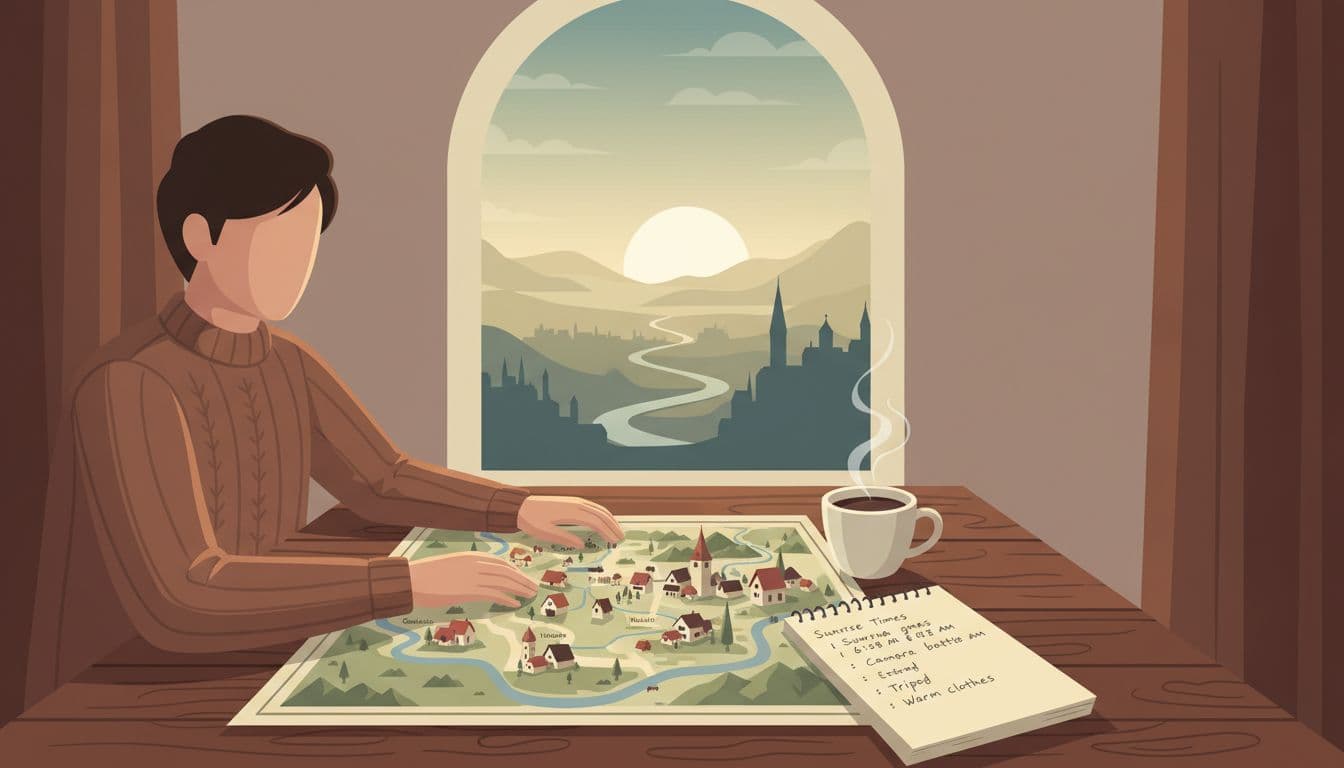
Build your days around sunrise, weather shifts, and slower afternoons
Plan each day in two strong photo windows. Shoot at sunrise, rest or scout at midday, then go back out for golden hour and blue hour. That rhythm is simple, and it saves your energy.
Also, let weather help you. Check for fog the night before, especially near lakes and rivers. Light rain can rescue a flat day because wet streets catch reflections. Shoulder season, often April to May or September to October, gives you softer light and fewer crowds, which Travel + Leisure’s shoulder-season guide explains well.
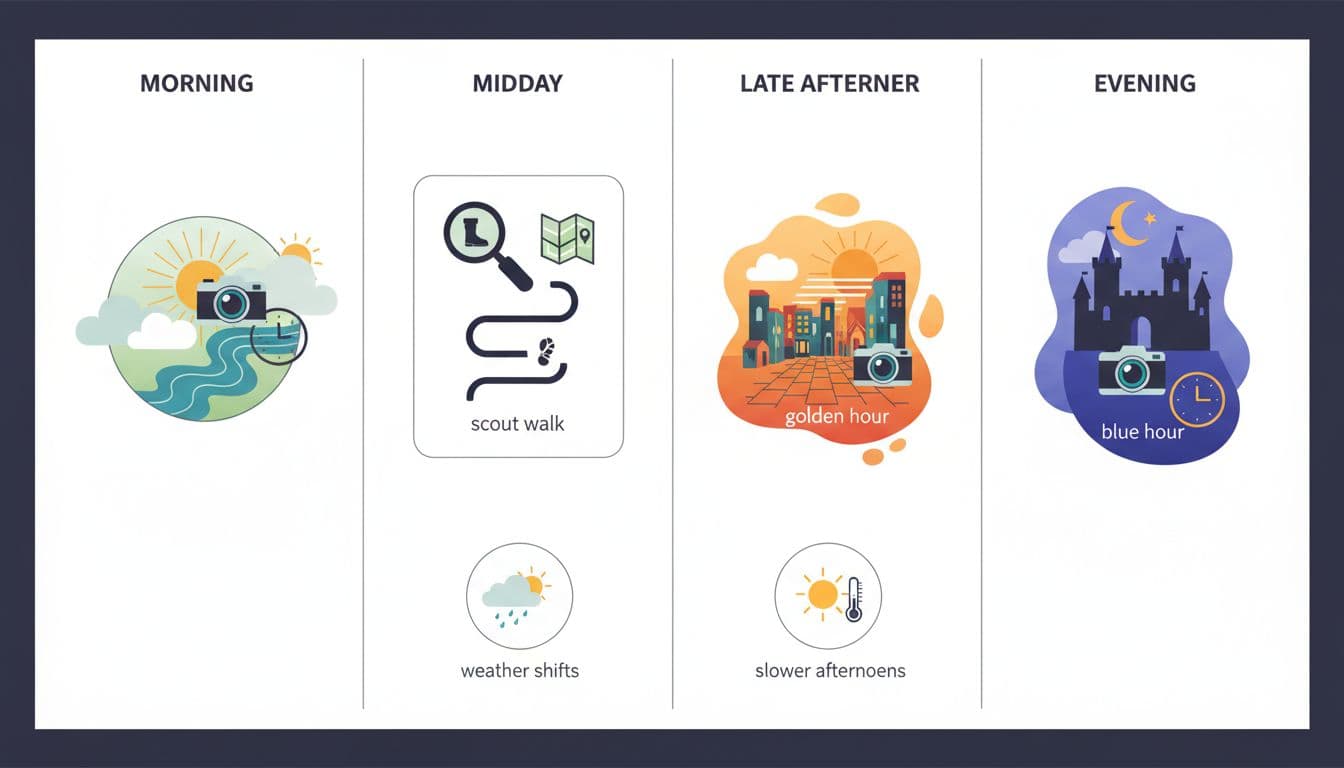
For beginners, one rule matters most: stay longer than your first impression. Give each town at least 2 nights, and give famous places like Hallstatt or Cesky Krumlov 3 nights if you can. The first morning shows you the postcard. The second lets you make your own picture.
Simple travel photography tips that help you come home with stronger images
The best photos in Central Europe’s small towns usually come from simple habits, not a heavy bag or a rushed schedule. A little restraint helps. So does slowing down long enough to notice how light hits wet stone, how a street opens after a turn, or how one person can bring a quiet frame to life.
Keep this part practical. You’re often walking on cobbles, ducking into churches, waiting out a shower, and shooting in low light before breakfast or after dinner. In places like these, lighter choices, better timing, and more patience usually beat more gear.
Pack light, but bring what helps in low light and changing weather
A flexible kit keeps you moving, and that matters in towns built for walking. If your bag feels like a brick by noon, you’ll stop exploring side streets, skip the hill view, or leave your camera behind for dinner, which is often when the light gets best.
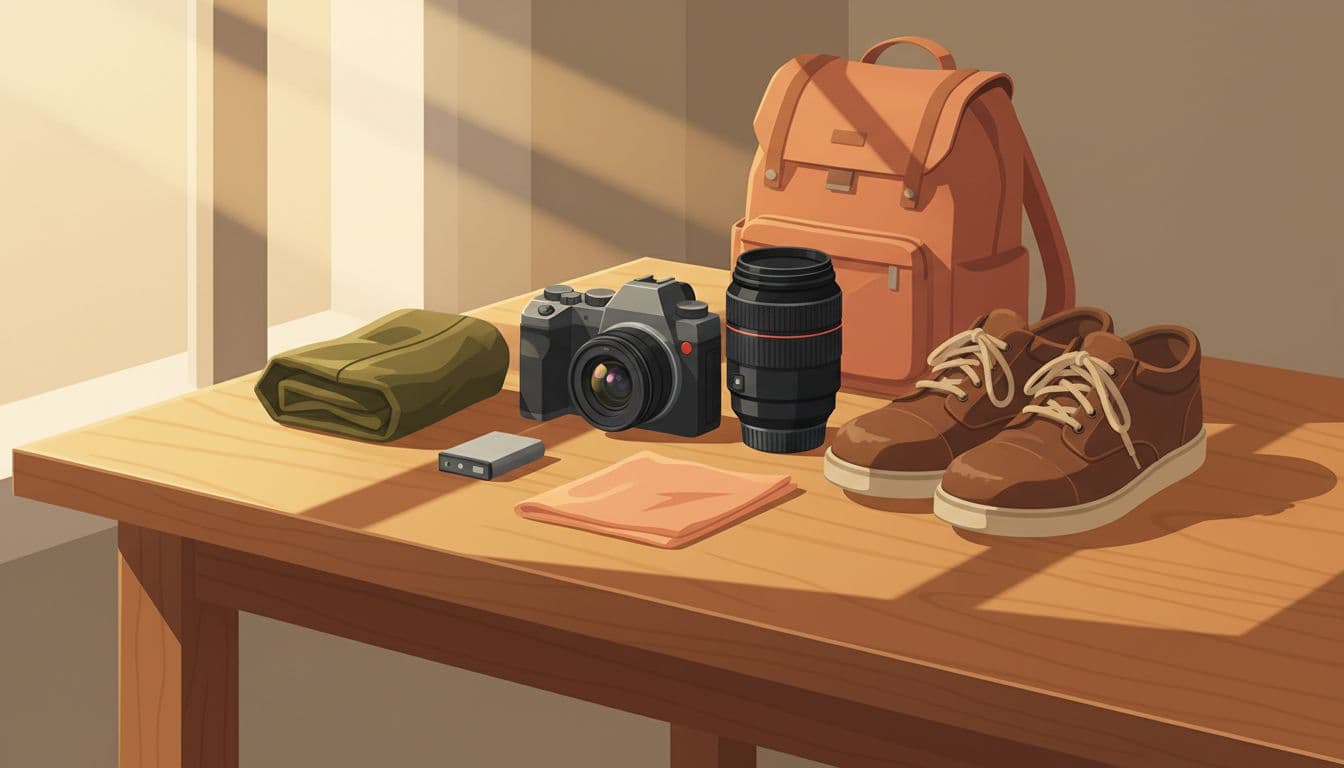
A simple setup is enough for most travelers. Bring one walk-around lens if you use a camera, or just trust your phone and keep it ready. Add a small weather cover, a spare battery or power bank, a lens cloth, and comfortable shoes you can wear for hours. That short list handles most of what small-town travel throws at you, from drizzle and fog to dim lanes and long staircases.
If you want a packing philosophy that keeps things sane, Rick Steves’ packing light advice is still useful because the logic applies just as well to photography. Carry what you’ll actually use, not what sounds smart at home.
Low light matters more than people expect. Many of the strongest scenes happen at dawn, blue hour, or under a gray sky. Because of that, keep your setup easy to hold steady and easy to reach. Wipe rain from your lens often, pause under an archway when the weather turns, and use shop windows, railings, or door frames for support if your hands need help.
If your kit is simple enough to carry all day, you’re more likely to have it out when the photo appears.
Photograph local life with care, and wait for the scene to come to you
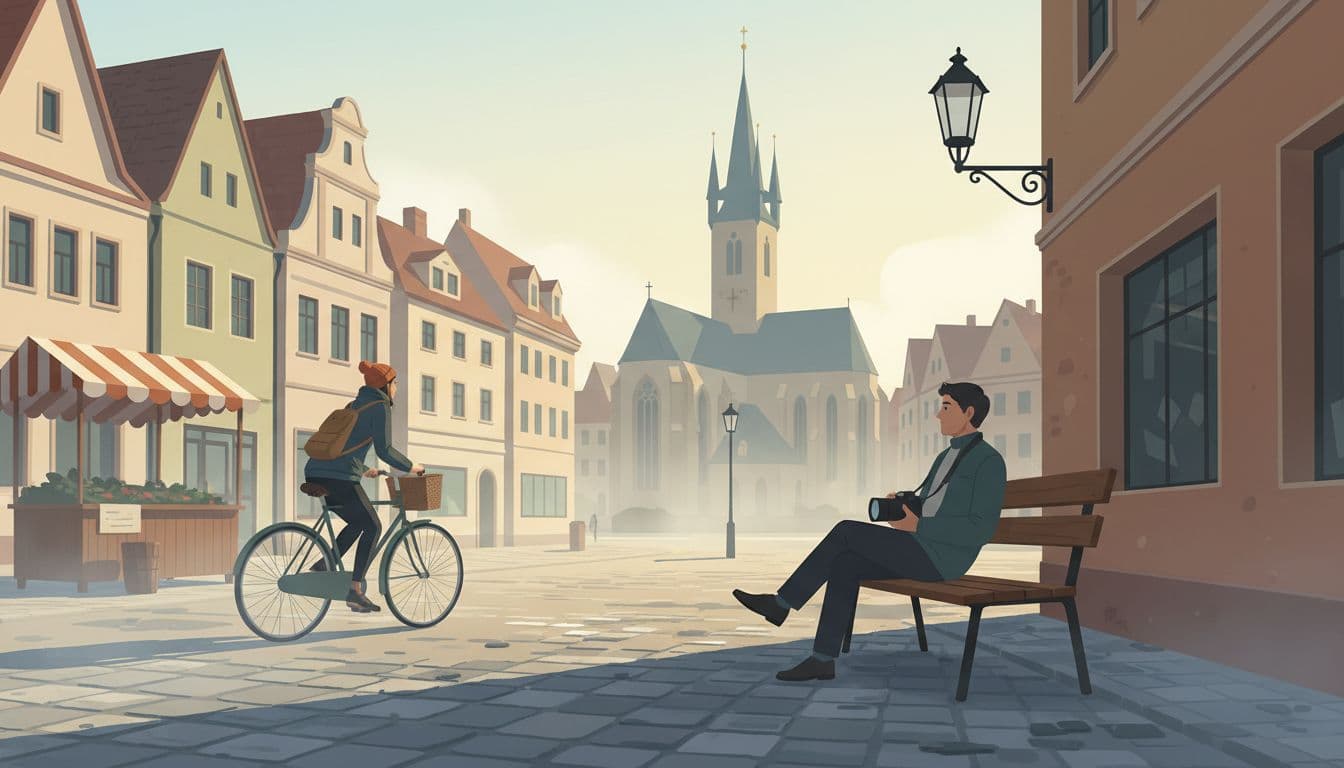
Small towns feel human because life still happens at a slower scale. A baker opens a door, a cyclist crosses the square, a boat cuts through a reflection. Those details give a place its pulse, but they only work if you shoot with respect.
In markets, churches, and quiet residential lanes, act like a guest, because you are one. Keep your voice low, don’t block paths, and pay attention to signs or local cues. If a moment feels too private, leave it alone. Thoughtful habits make better photos anyway, and guides on street photography ethics and respect explain why dignity matters as much as timing.
Patience helps more than speed in places like Rothenburg, Trebon, or Eger. Instead of chasing every moving subject, pick a strong composition first. Then wait for one person, one bike, or one boat to enter the frame. That single element often gives scale, motion, and story without turning the picture messy.
A quiet square can feel empty for five minutes, then suddenly click into place. The same goes for a bridge, a riverside path, or a church door after Mass. Stay still a little longer than feels natural. In small towns, the scene often comes to you if you give it room.
Conclusion
The best small towns in Central Europe for travel photography aren’t all chasing the same kind of beauty. Some give you medieval streets and blue-hour glow, while others give you lake light, vineyard edges, or mist lifting off still water at dawn. So the right choice comes down to what you love to shoot most, and how patiently you want to watch a place wake up.
Pick one town, get out before breakfast, and stay longer than the postcard stop. Then let church bells roll across the square, let wet cobbles catch the first light, or let a castle hang above a town that’s only just opening its shutters. That’s usually when the strongest images arrive.
