
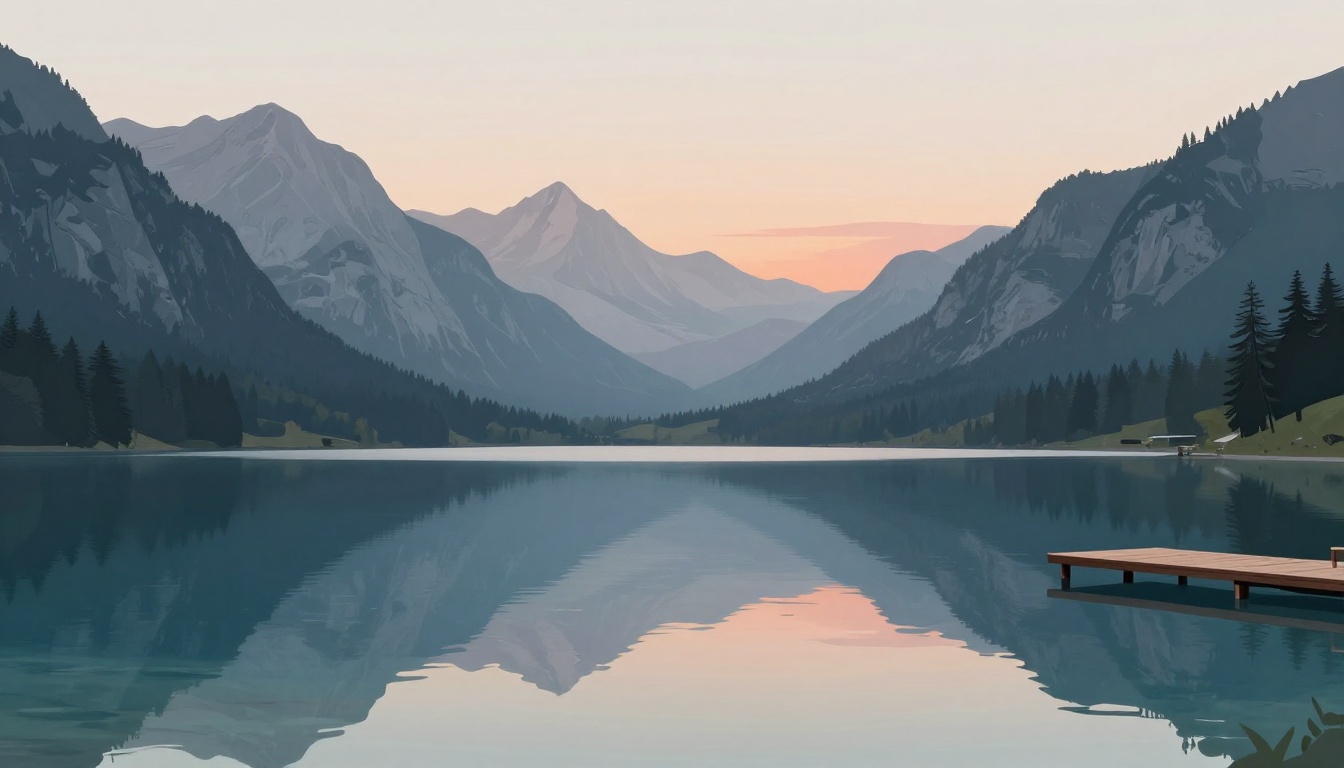
Glassy water, steep gray peaks, and soft morning light over the Julian Alps can make Slovenia feel almost unreal. Yet this is a small country where some of the best photo spots in Slovenia are surprisingly easy to reach, whether you’re carrying a phone, a mirrorless camera, or a full pack of lenses.
That ease is part of the appeal, but it also means the most famous places can fill up fast, especially around Lake Bled. If you’re trying to catch clean reflections, quiet shorelines, or crisp mountain detail, timing matters as much as location. That’s why it helps to know which lakes shine at sunrise, which viewpoints give you the strongest peak backdrops, and where to go when Bled feels too busy.
This guide focuses on the best places for lake-and-mountain photos, including favorites like Bled, Bohinj, Jasna, Zelenci, and the Soca side of the Julian Alps, along with the best times to shoot, what each spot does best, and how to miss the busiest hours.
Lake Bled gives you Slovenia’s classic postcard view
Lake Bled is famous for a reason. The island church, the cliffside castle, and the mountain backdrop line up in a way that feels almost too neat to be real. Still, the lake changes with light, weather, and season, so the same scene can look bright and polished one day, then soft and moody the next.
It also rewards early risers. Crowds build fast, especially in summer, but dawn gives you the quiet version of Bled. That’s when the water often turns to glass, mist hangs low, and the classic view earns its reputation.
Best viewpoints around Lake Bled for wide shots and reflections
For easy access, start on the lakeside path. The full loop is about 6 km, so you can cover several angles in one visit without rushing. Along the shore, you get clean compositions of the island church, Bled Castle above the water, and the mountains sitting behind them like a painted backdrop.
The west and southwest sides usually work best for broad frames and reflections at sunrise. If the lake is calm, you can catch the island and castle doubled in the water. When light fog drifts over the surface, the scene softens and the reflections look brushed rather than sharp, which can be just as photogenic.
For the elevated postcard shot, Ojstrica and Mala Osojnica are the common lookout choices near Bled. They give you the full layout in one frame: island in the center, castle on its perch, forested slopes, and distant peaks. If you want a quick overview of those trails, this Ojstrica and Mala Osojnica guide is a helpful starting point.
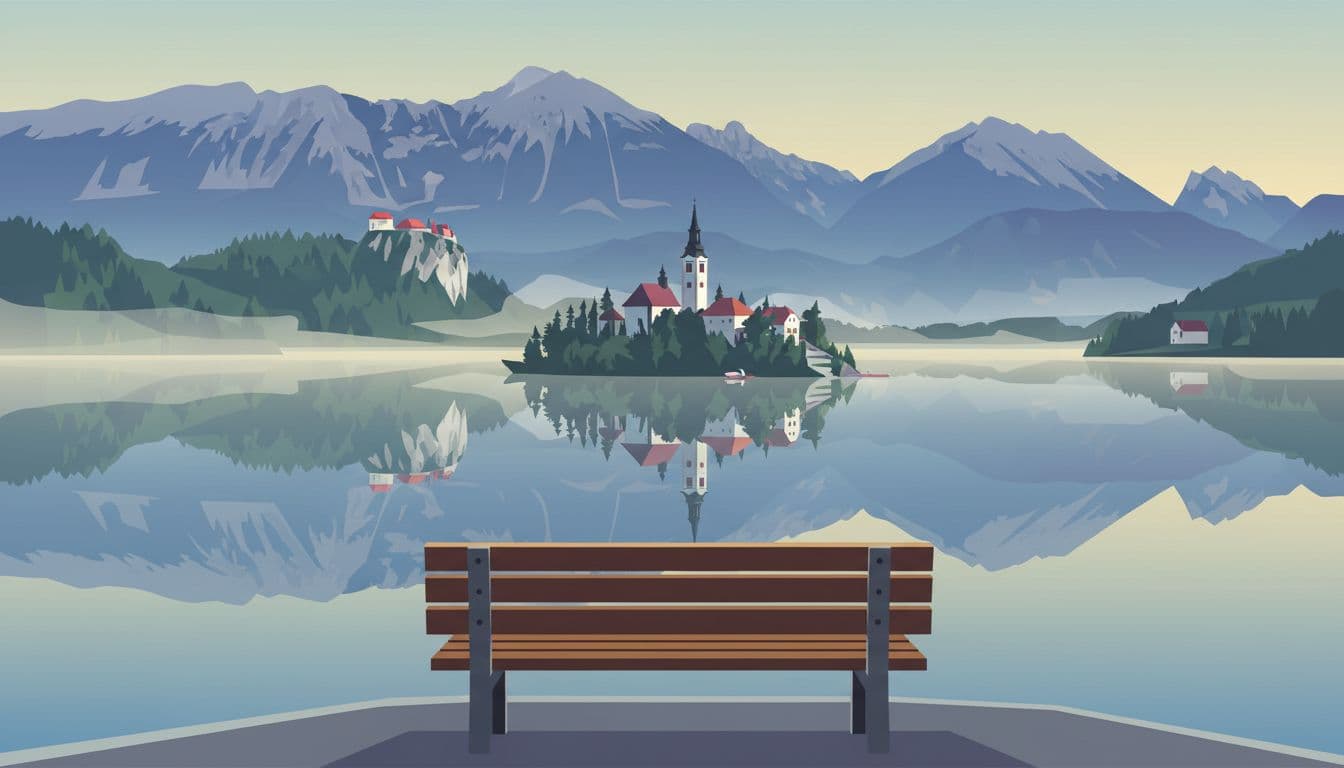
Boat-level angles add a different mood. From a traditional pletna or a small rowboat, the church rises straight from the water, and the castle feels taller in the background. These lower views don’t give you the whole map of the lake, but they make the island feel close and quiet, especially on still mornings.
For mirror-like water, your safest bet is sunrise or the hour just after it.
When to shoot Bled for softer light and fewer people
Sunrise is the best time to photograph Lake Bled if you want softer light and cleaner frames. In summer, people arrive early, tour boats start moving, and lakeside paths get busy fast. Dawn gives you the best chance at calm water, empty foregrounds, and softer contrast on the church and castle.
Fall is especially strong for photos. Mid-October often brings gold and rust-colored trees, crisp air, and a good chance of morning fog. That mix can turn Bled from a polished postcard into something more atmospheric, with the island church half-veiled in mist and the castle hovering above the lake.
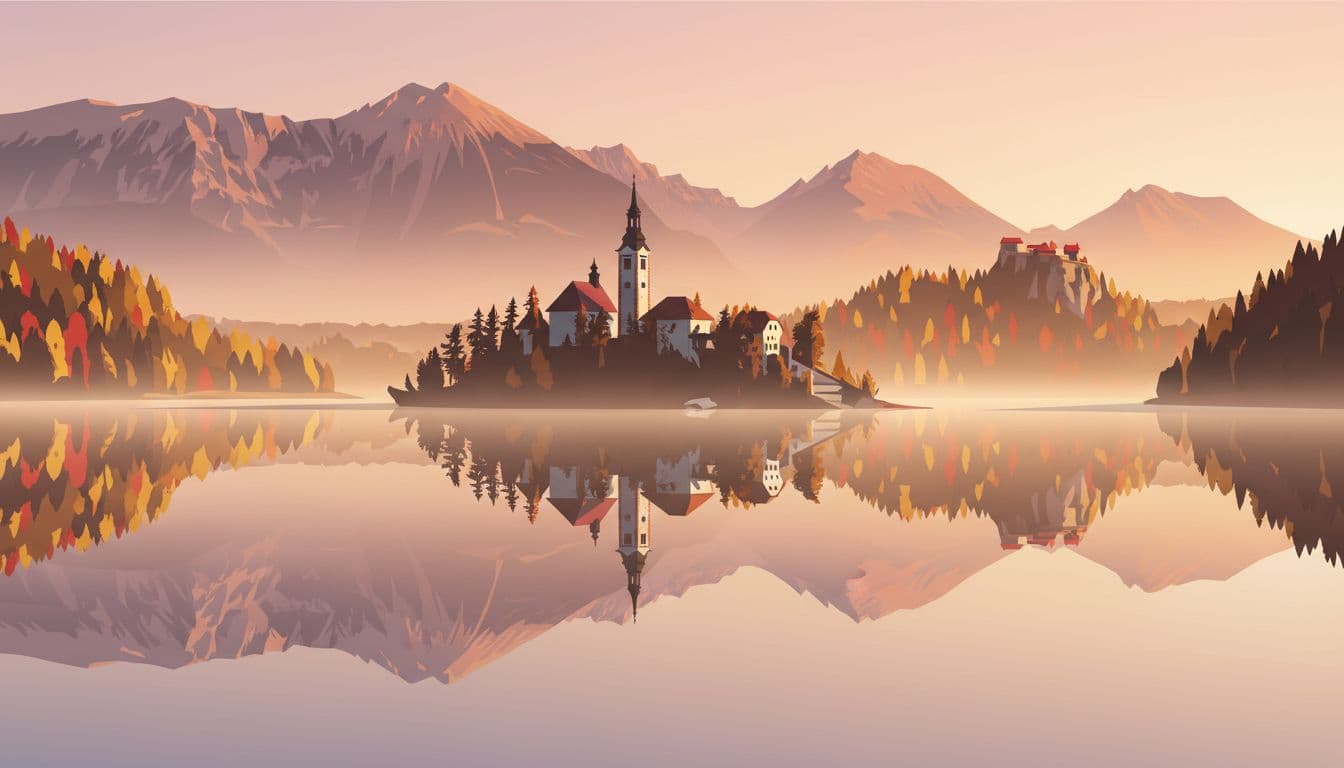
Foggy mornings are worth chasing because they change the lake’s mood completely. Reflections become softer, colors mute down, and the church tower stands out like a small marker in a pale blue-gray scene. If you want seasonal timing ideas, this recent Lake Bled photography timing overview matches what photographers usually look for most, sunrise, mist, and shoulder-season light.
Bled is also an easy day trip. From Ljubljana, it’s about one hour by car or bus, so you can leave early, shoot sunrise, and still have time to walk the lake or head on to another spot. That convenience is part of why it gets crowded, but if you arrive before the crowds do, Bled still feels worth every click.
Lake Bohinj feels wilder, bigger, and less polished
If Bled is Slovenia’s polished postcard, Lake Bohinj is its rougher, moodier sibling. It sits inside Triglav National Park, and that setting changes the whole feel of your photos. The shoreline is less built-up, the mountain backdrop feels closer, and the lake often looks broader in frame because the scene has more open space and fewer man-made distractions.
For photographers, that matters. Bohinj gives you a stronger peaks-to-water look, with forests, rock walls, and weather doing more of the work. If you want room to move, softer edges, and images that feel natural rather than polished, this is often the better pick.
Where to frame the lake with churches, forests, and mountain walls
Start near Ribcev Laz, where the Church of St. John the Baptist gives the lake a clear focal point without taking over the frame. Set the church off to one side, then let the water lead the eye toward the forested shore and the steep gray walls beyond. That simple shift makes the scene feel layered, not flat, because each part of the image has a job.
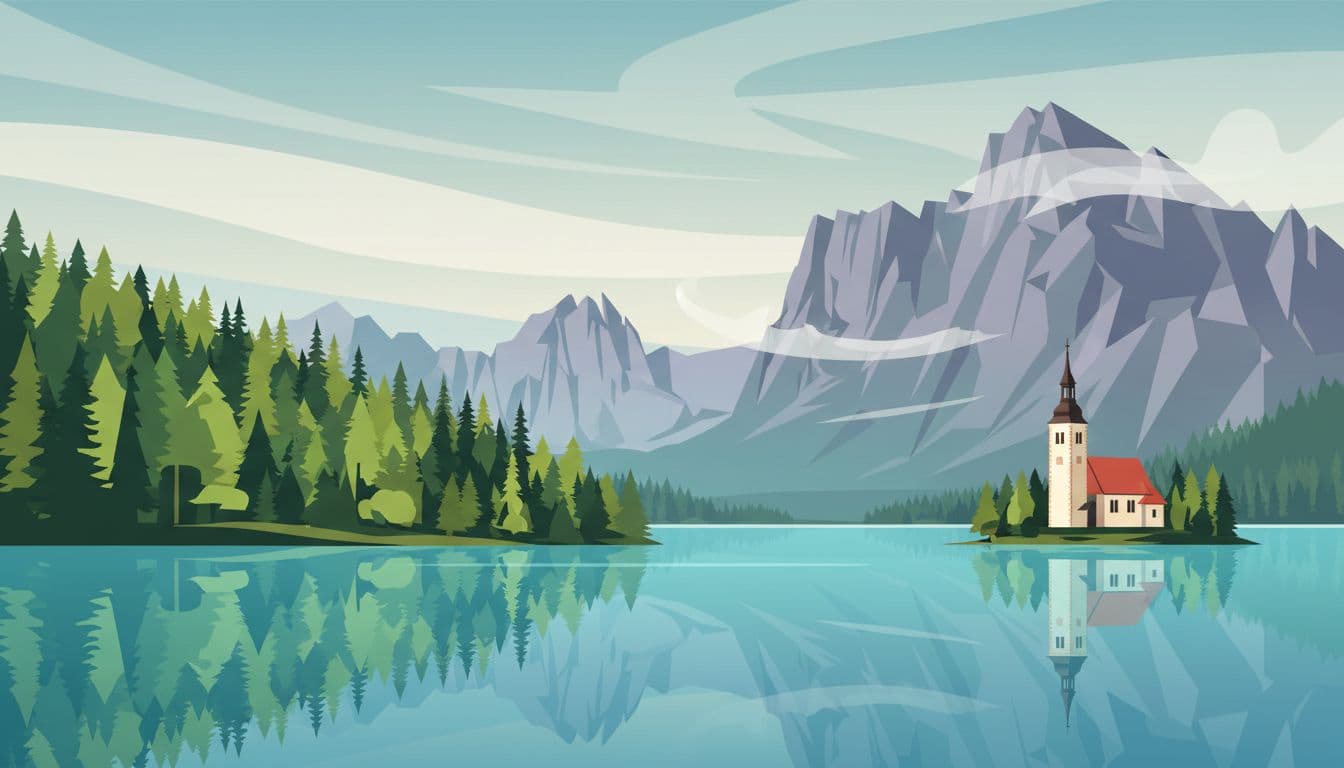
The best Bohinj shots often come from quiet shoreline corners, not big lookout points. Along the lake edge, you can use reeds, stones, overhanging branches, or the curve of the shore as foreground detail. Those small elements pull the viewer into the frame, then the lake and mountains finish the story. For a closer look at this classic composition, the St. John the Baptist photo spot guide is useful.
Cloudy weather helps here. Soft light holds detail in the trees and rock, while low mist or fresh snow on the peaks gives the background shape. On clear blue days, Bohinj can still look beautiful. Yet with clouds, it gains weight and texture, and your reflections often feel richer and less harsh.
At Bohinj, a good foreground can turn a wide lake view into a photo with real depth.
Why Bohinj shines in fall, after rain, and in changing weather
Bohinj often looks its best when the weather is in motion. After rain, the forests darken, the rocks pick up tone, and the lake can switch from steel gray to green-blue in minutes. In fall, gold trees along the shore add warmth, while the higher slopes may already carry a dusting of snow. That mix gives you more contrast than Bled, and often a stronger mountain feel.
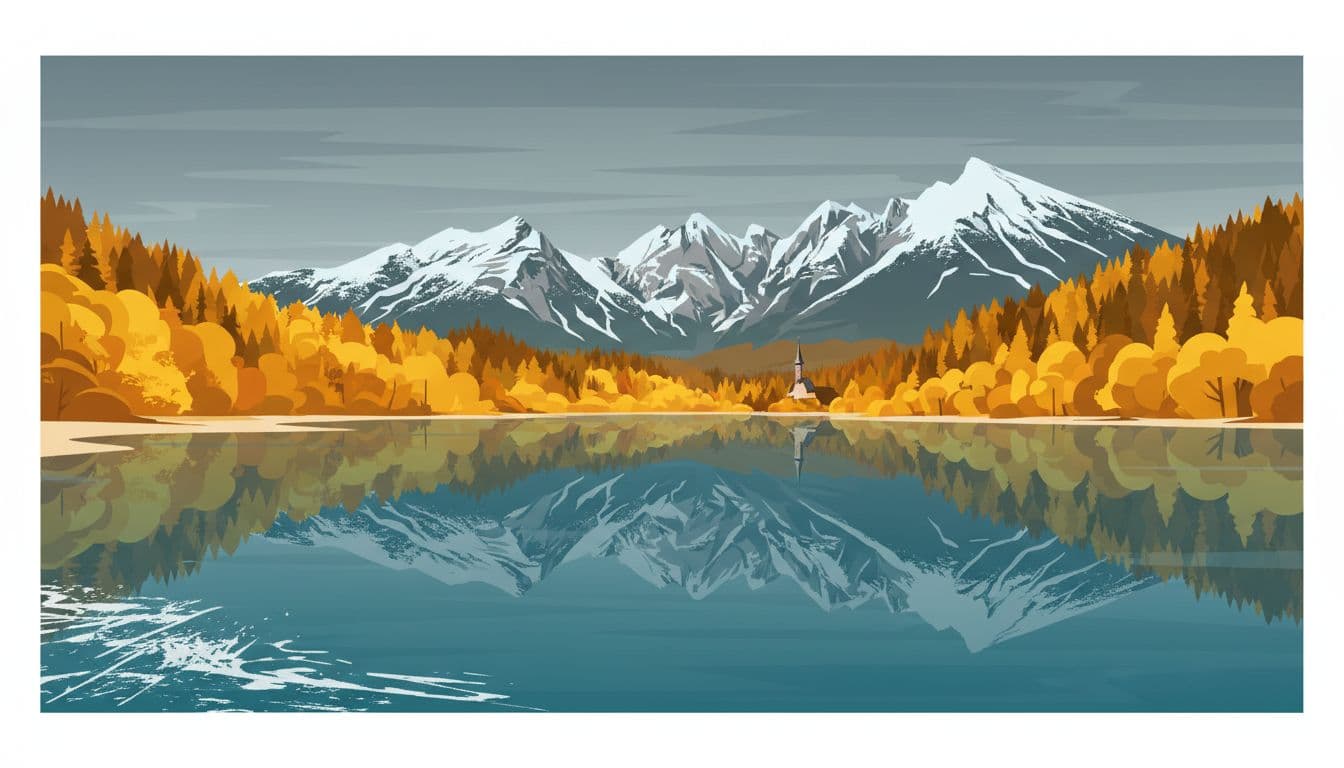
When the water goes still, Bohinj delivers clean mirror shots of the shoreline and the mountain walls. When wind moves in, you get something else, drama, texture, and a darker mood that suits the place. That’s why changing weather works so well here. You don’t need perfect conditions. You need atmosphere.
It’s also easy to reach from Bled, about 30 to 40 minutes by car or roughly 32 to 60 minutes by bus to Ribcev Laz. Once you’re there, you can pair lake photos with a short walk on the trail around Lake Bohinj or scout higher angles from the Bohinj viewpoints guide. If you’re planning for autumn color, this Triglav National Park fall photography guide gives a good sense of timing and conditions nearby.
High viewpoints in the Julian Alps bring the full lakes-and-peaks scene together
From the shore, Slovenia’s lakes feel calm and intimate. Get higher, though, and the whole design of the land starts to show. You see how the basins hold the water, how ridges pinch the valleys, and how the peaks gather behind each lake like a stone wall.
For photography, that shift matters. Elevated viewpoints give you scale, cleaner layers, and stronger lines. They also help you connect lake reflections with the mountain story around them, which is often what makes Julian Alps images feel complete.
Vogel delivers easy alpine panoramas above Lake Bohinj
If you want a high mountain view without a long uphill grind, Vogel is one of the easiest wins in the Julian Alps. The cable car rises from the Bohinj side near Ukanc, then lifts you to about 1,535 meters, where Lake Bohinj suddenly looks less like a shoreline and more like a dark blue basin set inside stone and forest. For current details, check the official Vogel summer price list.
From the top station, broad compositions come fast. You can frame the lake below, fold in the surrounding ridges, and, on clear days, pull in bigger peaks across the skyline. The view has room to breathe, which helps when you want depth instead of a flat postcard. A practical overview of the ride and access is in this Vogel cable car guide.
Morning light usually gives the cleanest shapes and cooler tones. Later in the day, side light adds more texture to the slopes and often gives the lake richer color. Midday can work after storms, but haze tends to flatten distant peaks.
Right now, the cable car has a short spring maintenance closure, and when it reopens it typically runs every 30 minutes from early morning into early evening. Prices change by season, but a standard adult return is roughly EUR29.50 based on recent listings. That makes Vogel a simple add-on if you are already photographing Bohinj and want a higher angle the same day.

Jasna Lakes and nearby alpine lookouts add sharp reflections near Kranjska Gora
Near Kranjska Gora, Jasna Lakes make a smaller stop, but they photograph far bigger than their size. The water is clear, the mountain backdrop is close, and when the surface goes still, the reflections look crisp enough to feel etched in glass. The local Lake Jasna overview is useful if you want a quick sense of access.
Early morning gives you the quietest frames, while golden hour adds warmer color to the peaks and wood details around the shore. Because Jasna sits right on a natural route through the area, it fits well between Kranjska Gora, Vrsic Pass, and other Julian Alps stops. A short walk, a few clean compositions, and you’re back on the road with strong reflection shots that don’t need much work.
How to handle mountain weather, haze, and fast-changing light
In the Julian Alps, the weather can flip the mood of a photo in minutes. A blue morning can turn milky by noon, especially above Bohinj or around Kranjska Gora, where haze often builds in warmer months. Because of that, it helps to wear layers, keep rain protection close, and check mountain forecasts before you head up. If you are driving higher routes, this Vrsic Pass guide gives useful local context.
Flexibility matters more than a fixed plan. If low cloud wraps a ridge, wait a bit. Those moving gaps can reveal peaks in stages, and that kind of layered light often looks better than a blank blue sky. In Slovenia’s mountains, fog bands, storm breaks, and fresh snow can give you the strongest frames because they add shape and contrast.
A few habits help when conditions change fast:
- Start early if you want clearer air and more stable views.
- Keep one warm layer in your bag, even in summer.
- Watch cloud movement over ridges, not just the sky above you.
- Stay open to moody light, because dramatic weather often beats perfect sun.
Fresh snow on dark rock can sharpen the whole scene. Meanwhile, passing showers can leave lakes calmer and forests richer in tone. If you chase only clear skies, you’ll miss some of Slovenia’s best mountain photos.
Waterfalls and river valleys add motion, color, and contrast to mountain photos
Lakes give you stillness, but moving water changes the mood. It adds shine, sound, and a sense of force, which can make Slovenia’s mountain scenes feel more alive. If you’re already following the main route through Bohinj, Kranjska Gora, and the Julian Alps, a few well-placed side trips can give you a different kind of frame without pulling you far off course.
Savica Waterfall is a strong side trip from Bohinj
If you’re near Lake Bohinj, Savica is one of the easiest ways to add motion to your mountain photos. The waterfall drops into a steep, green gorge, and the scene feels tighter and more dramatic than the open lakeshore. It works well when you want a break from wide views and clean reflections.
The walk is short but steep. From the parking area near Koča pri Savici, expect about 20 to 25 minutes one way and a climb of many stone steps. At the top, you shoot from a viewing platform, so composition is simple and safe, but you’ll want to arrive early if you hope for a little space.
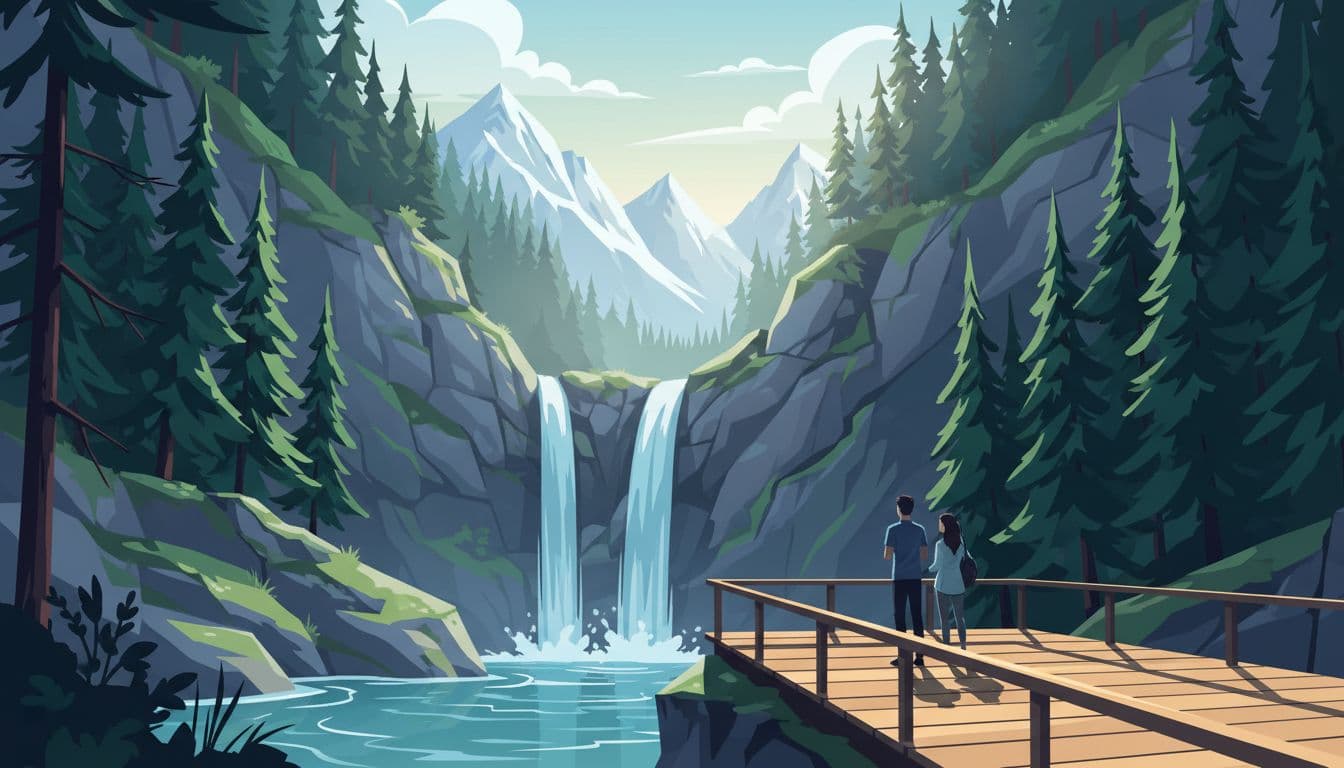
Spring is one of the best times to go because snowmelt usually gives the falls more strength. That extra volume helps the scene look fuller in photos, with more white water and spray. If the light is low and you have a tripod, try a long exposure for a softer flow. If not, a faster shutter will keep the shape of the split falls crisp. Recent local info has listed entry around 4 EUR for adults, though prices can change, so the official Savica waterfall page is worth a quick check before you go.
The Soca Valley brings emerald water under rugged peaks
The Soca Valley is where color does a lot of the work for you. The river’s emerald water cuts through gray rock, dark forest, and high alpine walls, so your photos get contrast without much effort. That mix is hard to fake, and it gives the valley a brighter, sharper feel than many mountain roads in the region.
This area pairs well with the Triglav route because you can reach it by driving over or around the Julian Alps. If road and weather conditions are good, the Vrsic Pass is the most scenic way in, with hairpin turns, high viewpoints, and quick pull-offs for wide shots. Spring and early summer often look fresh, but wet cobblestones and rough patches can make the pass slow going, so it’s smart to check live Vrsic Pass road conditions before you commit.
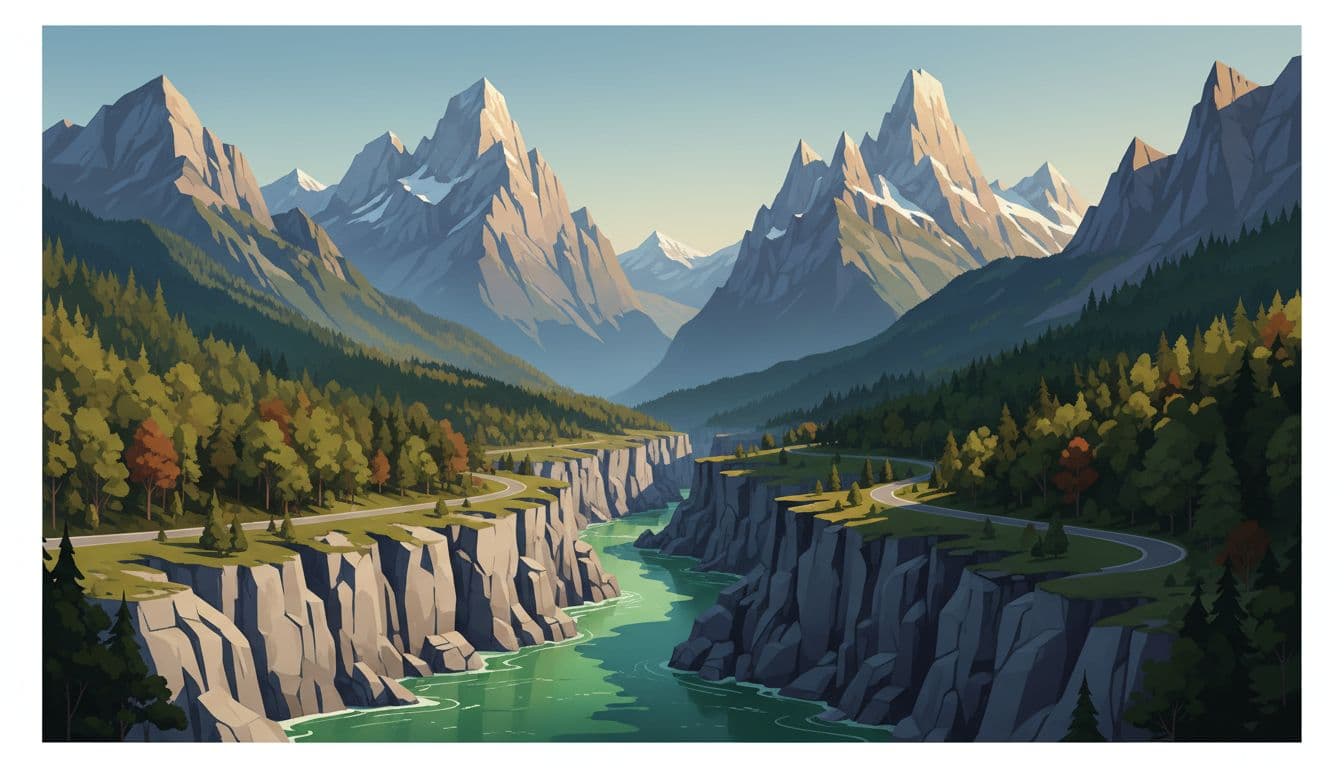
For photos, the river itself is the anchor, but nearby gorges add extra options when you want tighter frames and more texture. A polarizer can help a lot here because it cuts glare on the water and lets that green-blue color come through. In fall, you often get fewer people, softer light, and a calmer road rhythm, which makes it easier to stop, frame, and move on. If you want spot ideas before the drive, this Soca Valley photo guide is a helpful place to start.
Plan your Slovenia photo trip for the best light, easiest access, and fewer crowds
A good Slovenia photo route is less about distance and more about timing. Lakes can turn to glass for 20 minutes, then break into ripples when the first boats move. Peaks can glow at dawn, then fade behind haze by late morning. If you plan your days around light first, you’ll come home with stronger photos and a calmer trip.
Best seasons and times of day for lakes, peaks, and reflections
For the cleanest reflections, sunrise is the safest bet. Lake Bled is the clearest example. At dawn, the island, castle, and mountains often sit on still water like a second world. Arrive before first light, especially in summer, because once walkers and boats show up, the lake usually loses that mirror finish. The local Lake Bled photography guide also points to sunrise as the sweet spot for the classic viewpoints.
Blue hour works best when you want mood over color. Bled looks softer then, with cool tones and faint lights near the shore. Jasna can also shine in this window because the dark mountain wall behind the lake helps those blue tones feel rich instead of flat.
Season matters just as much as the clock. This quick guide helps:
| Season or time | Best for | Places that benefit most |
|---|---|---|
| Sunrise | Glassy water, soft contrast, fewer people | Bled, Jasna, Zelenci |
| Blue hour | Cool mood, calm scenes, subtle reflections | Bled, Jasna |
| Spring | Strong water flow, fresh greens, snow on peaks | Savica, Soca Valley, Bohinj |
| Summer | High trails open, easy access to alpine views | Vogel, Vrsic area, Bohinj |
| Fall | Color, mist, crisp air, quieter mornings | Bohinj, Bled, Triglav valleys |
| Winter | Snow mood, bare trees, simple compositions | Bled, Bohinj, Kranjska Gora area |
Fall is the top all-around season for many photographers. Recent travel data keeps pointing to mid-September through mid-October as the strongest window for Bled, Bohinj, and the Julian Alps because you get color, mist, and cleaner morning light. Bohinj is especially good in moody fall weather. Low cloud, dark forests, and muted water give it a heavier, wilder feel than Bled.
Spring is best when you want moving water and fresh contrast. Savica usually looks fuller from snowmelt, and the Soca side often has bright water and green slopes. Summer opens the most hiking access, so it’s the easiest time for alpine viewpoints. Still, summer also brings the most people, so start early and save famous stops for weekdays if you can.
Winter is for a different mood. Snow strips the scene down, cuts visual clutter, and gives Bled a quieter face. Access can be less flexible, but if roads are clear, the lakes can look calm and almost hushed.
If reflections are your priority, build each day around dawn and treat everything after breakfast as a bonus.
What to pack, how to get around, and what rules to know
A rental car gives you the most freedom. It makes sunrise shoots much easier, lets you stack several spots in one day, and helps if weather pushes you from one valley to another. That said, Bled and Bohinj still work by bus from Ljubljana. If you want to check timings before you go, the Ljubljana to Bled bus timetable is a useful place to start.
Pack for quick weather swings, not just the forecast on your phone. In the Alps, a warm morning can turn cold after one cloud bank.
Bring the basics that actually help in the field:
- Layers and a light rain shell, because dawn near water can feel cold even in summer.
- Sturdy shoes, especially for wet lakeshore paths, viewpoints, and waterfall steps.
- A wide lens, since many of Slovenia’s best frames mix water, forest, and peaks.
- A tripod, which helps at sunrise, blue hour, and for waterfalls like Savica.
- A polarizer, useful on lakes and rivers when glare hides color and detail.
If you’re planning a simple route, one of the easiest is Ljubljana -> Bled at dawn -> Bohinj late morning or sunset -> Savica or Vogel on the same or next day. Add Jasna and the Soca side if you have a car and an extra day. Keep your schedule loose enough to swap locations when cloud, fog, or wind shifts.
One rule matters more than many travelers expect: drone restrictions can be strict, especially in and around protected areas. Current guidance says drones are not allowed in Triglav National Park without special permission, and park-specific rules can be tighter than general Slovenia flight rules. Check the official Triglav National Park code of conduct before you fly, and verify local rules again right before your trip.
Conclusion
Slovenia rewards patience more than speed. Bled gives you the iconic frame, Bohinj gives you a wilder kind of calm, Vogel gives you height, and the Soca side gives you color and motion, but the best images usually come when you slow down and let the light settle.
So build your days around dawn, not distance. Leave room for fog, rain, and shifting cloud, because weather often gives these lakes and peaks their character.
If there is one takeaway to keep, it is this: choose the place that fits the mood you want, then get there early enough to watch it change. That’s when Slovenia stops looking like a postcard and starts feeling alive.
