
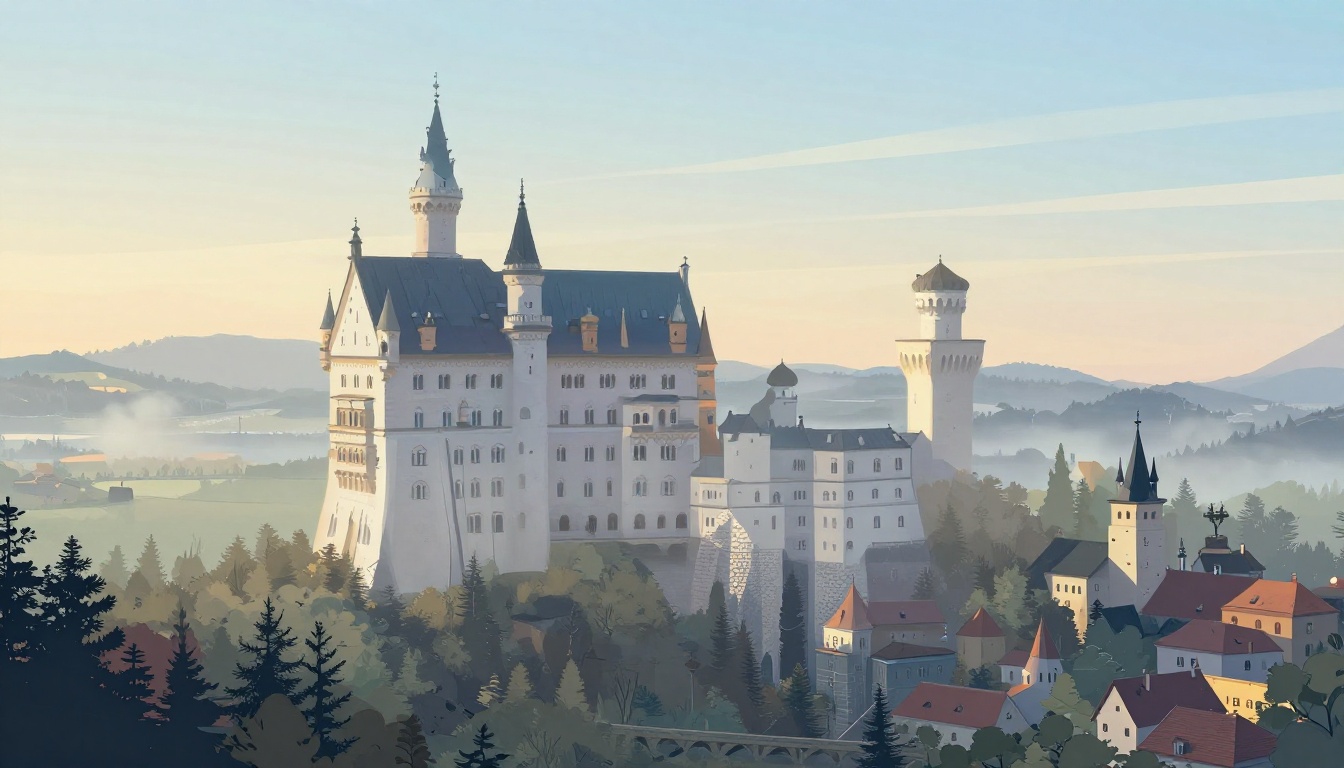
At first light in Central Europe, hilltop fortresses rise out of mist, mountain castles catch a cold gold glow, and city palaces turn warm above rivers and red roofs. For photographers, few regions are this rewarding because the distances are short, the styles shift fast from Gothic to Baroque to fairy-tale stone, and the scenery keeps changing with forests, peaks, old towns, and wide valley views. Then the seasons add even more range, with fresh spring green, long summer evenings, bright fall leaves, and winter snow that can turn a familiar frame into something new.
If you want stronger castle photography without wasting time on weak angles or bad light, this guide will help you plan smarter. It focuses on the best castle locations in Central Europe, what makes each one worth the stop, and simple ways to get better photos, from timing your visit for sunrise to picking viewpoints that avoid crowds. A few standouts right now include Prague Castle, Buda Castle, Neuschwanstein, and Cesky Krumlov, all known for strong access, dramatic views, and reliable seasonal color. Before you map your route, start with the locations that give you the biggest visual payoff.
What makes a castle worth photographing in Central Europe
The best castle photography locations in Central Europe do more than show off old stone. They give you a strong setting, a clear shape, easy ways to frame the scene, and better light when the day or season lines up. That is why this list mixes famous icons with quieter picks across Germany, Austria, the Czech Republic, Slovakia, Hungary, Poland, and nearby Romania, a country many travelers fold into the same route.
A good castle also needs distinct architecture. Turrets, long walls, cliff-top silhouettes, courtyards, and towers all matter because they read well from far away and still hold interest up close. Just as important, the place should have accessible viewpoints, so you are not stuck with one postcard angle. Timing matters too. Morning mist, blue hour, fall color, and winter snow can turn a solid location into a great one.
Look for castles with a strong backdrop, not just pretty walls
A castle can be beautiful on its own and still make a flat photo. What lifts the frame is the world around it. Mountains add scale, rivers pull the eye through the image, forests soften hard stone, and cliff edges create drama before the shutter even clicks. Old towns help too, because roofs, church spires, and winding streets make the castle feel woven into a bigger story.
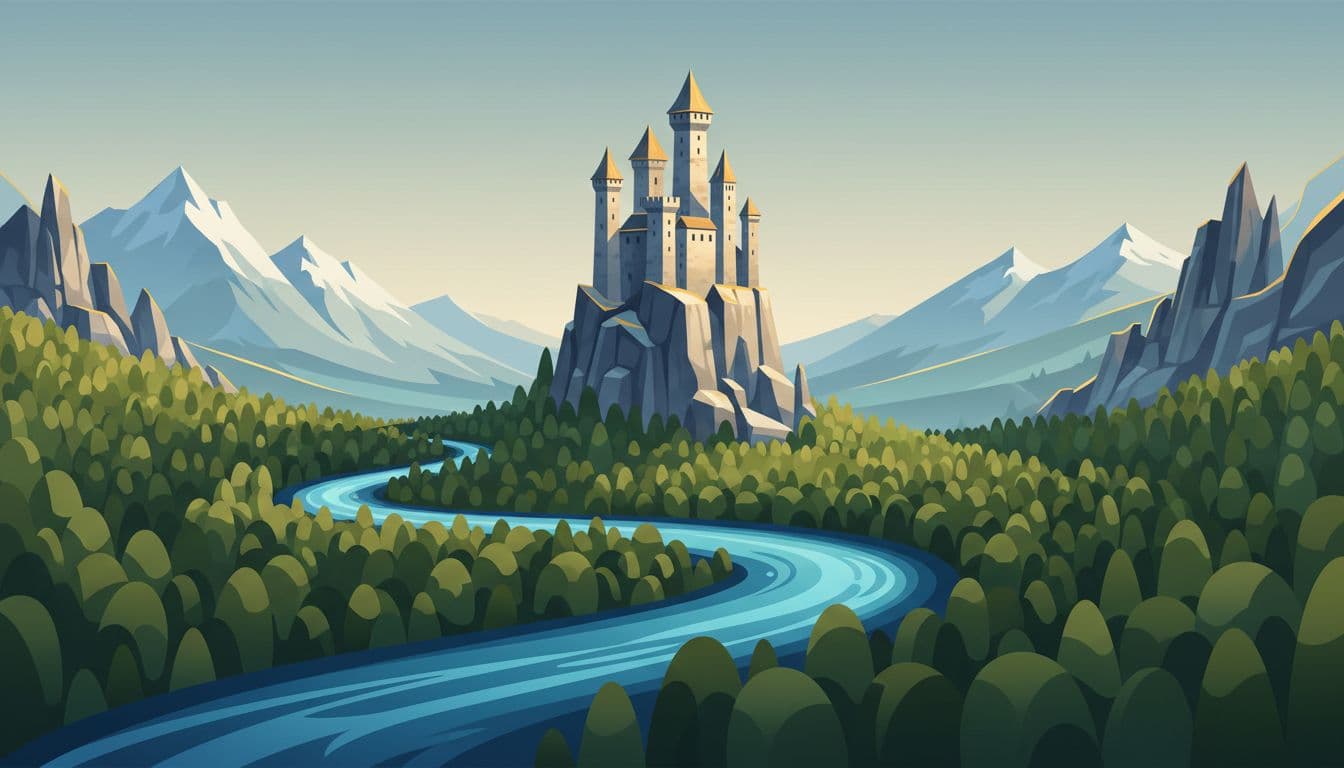
So, don’t stop at the front gate. Walk to a bridge, a lakeshore, a ridge trail, or the far side of town. Some of the best castle photos come from places that show the approach, not the entrance. Guides like this Neuschwanstein viewpoint roundup prove how much the backdrop changes the final image.
The strongest castle shots usually show both the fortress and the land that made it worth building there.
Pick locations that give you more than one photo style
The best spots keep working as the light changes. You want one place that can give you a wide landscape frame at sunrise, stone details by mid-morning, a reflection if water is nearby, and a blue-hour scene once the sky turns deep cobalt. That range keeps your gallery from looking like the same photo repeated five times.
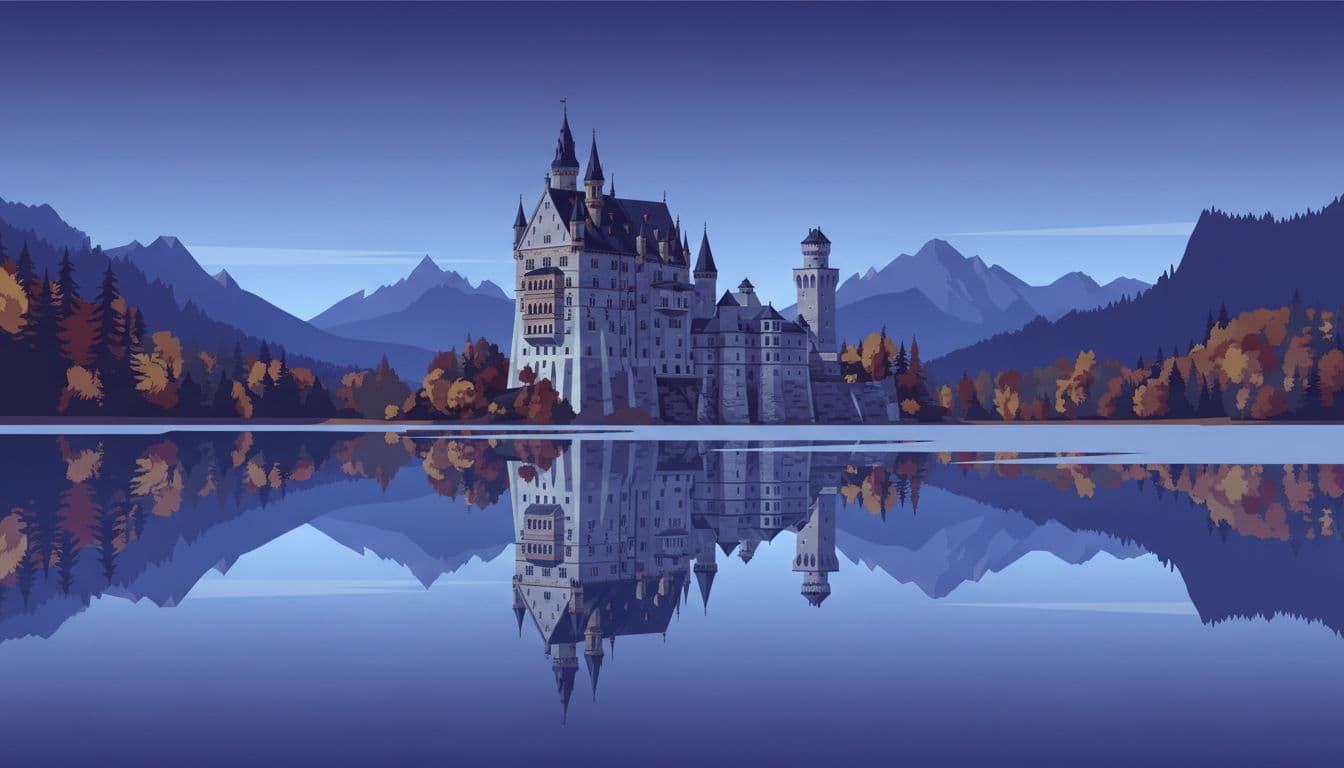
Prague Castle is a good example because you can shoot it across the river, from higher parks, and from street level in the old city. A quick Prague Castle photo spot guide shows how one landmark can produce very different results. The same logic applies across the region. A location earns its place in this list when it offers variety, not just fame.
Iconic castle photography spots that earn their fame
Some castles get photographed so often that it’s easy to write them off as obvious picks. That would be a mistake. The best-known names still belong in a serious Central Europe photo guide because they keep paying off when you hit the right viewpoint, light, and season. Fame, in these cases, comes from repeatable results.
What matters is not just that these places are beautiful. It’s that they give you frames with shape, depth, and atmosphere. You can go wide, stay tight, or build a whole set from one stop.
Neuschwanstein Castle, Germany, for the classic mountain fairytale shot
Neuschwanstein earns its status because the setting feels almost unreal. The castle rises above the gorge like a stage set, yet the mountains behind it give the scene real weight. For the signature shot, go straight to Marienbrucke. That bridge delivers the angle most people want, and for good reason, because it puts the castle against forested slopes with enough height to show the drama below.
Morning is your friend here. From about 8:00 to 10:30 AM, the front of the castle gets strong light, so towers and pale walls hold detail instead of falling flat. In fall, the place gets even better. September and October often bring the best mix of color, cleaner air, and steadier weather, which helps the whole frame look richer.
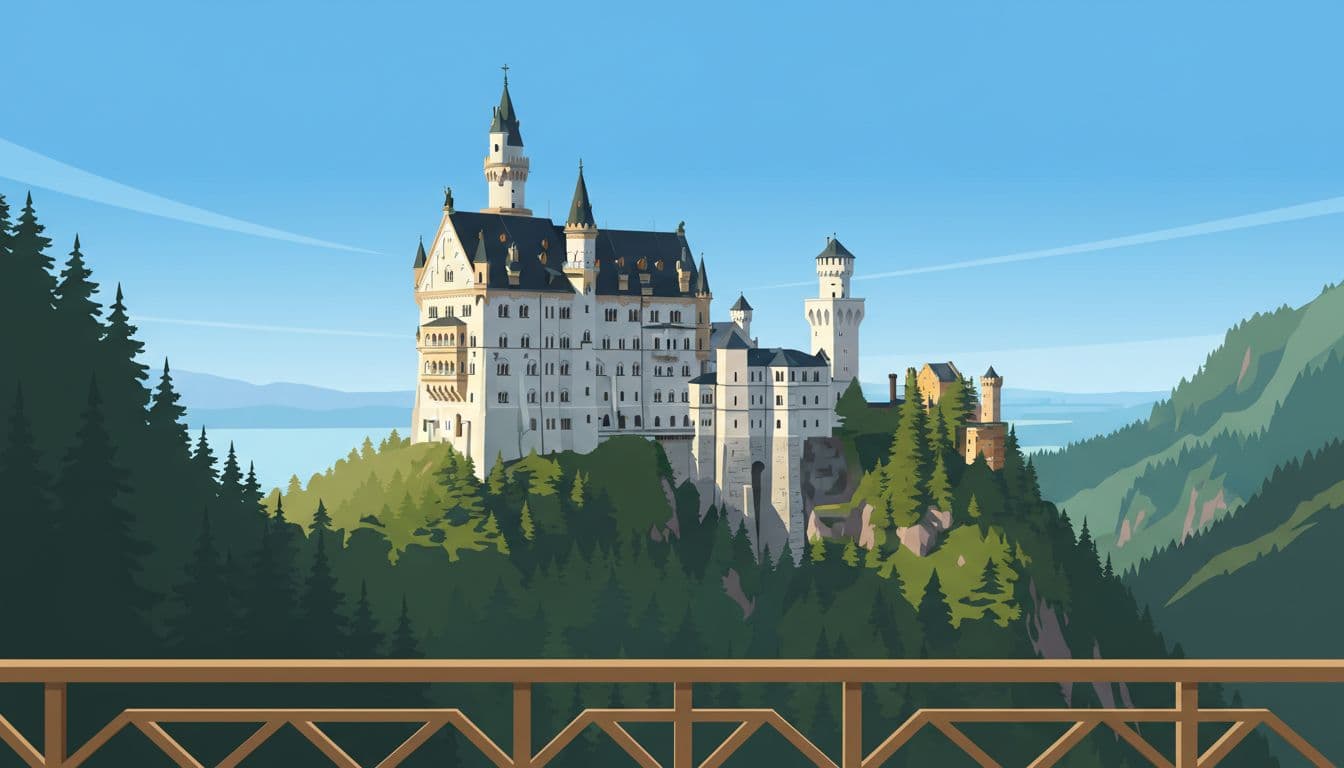
Crowds build fast, especially after tour buses start rolling in. So, if you want cleaner frames, arrive early and be ready to wait a minute for gaps on the bridge. A short telephoto lens is a smart choice here because it tightens the composition and cuts out some of the visual clutter around the edges. For planning bridge access and angles, this Marienbrucke viewpoint guide is useful.
Interior photography is not allowed, so plan your visit around outdoor viewpoints, not indoor shots.
That rule actually helps you focus. Spend your time on the bridge, nearby trails, and wider landscape angles instead of saving energy for rooms you can’t photograph.
Prague Castle, Czech Republic, for city views and Gothic detail
Prague Castle works on two levels at once. From a distance, it anchors the skyline above the Vltava. Up close, it gives you stonework, spires, arches, and long courtyard lines that can fill a frame with texture. Few places switch this well between cityscape photography and architectural detail.
Go at sunrise or early morning if you can. The light is softer, the stone looks warmer, and the crowds are far thinner than they are later in the day. Across the river, the best frames stack rooftops, bridges, and the castle ridge in one image, which gives you that layered Prague look people chase. This Prague Castle photo spot guide shows how much variety you can get from a few well-chosen viewpoints.
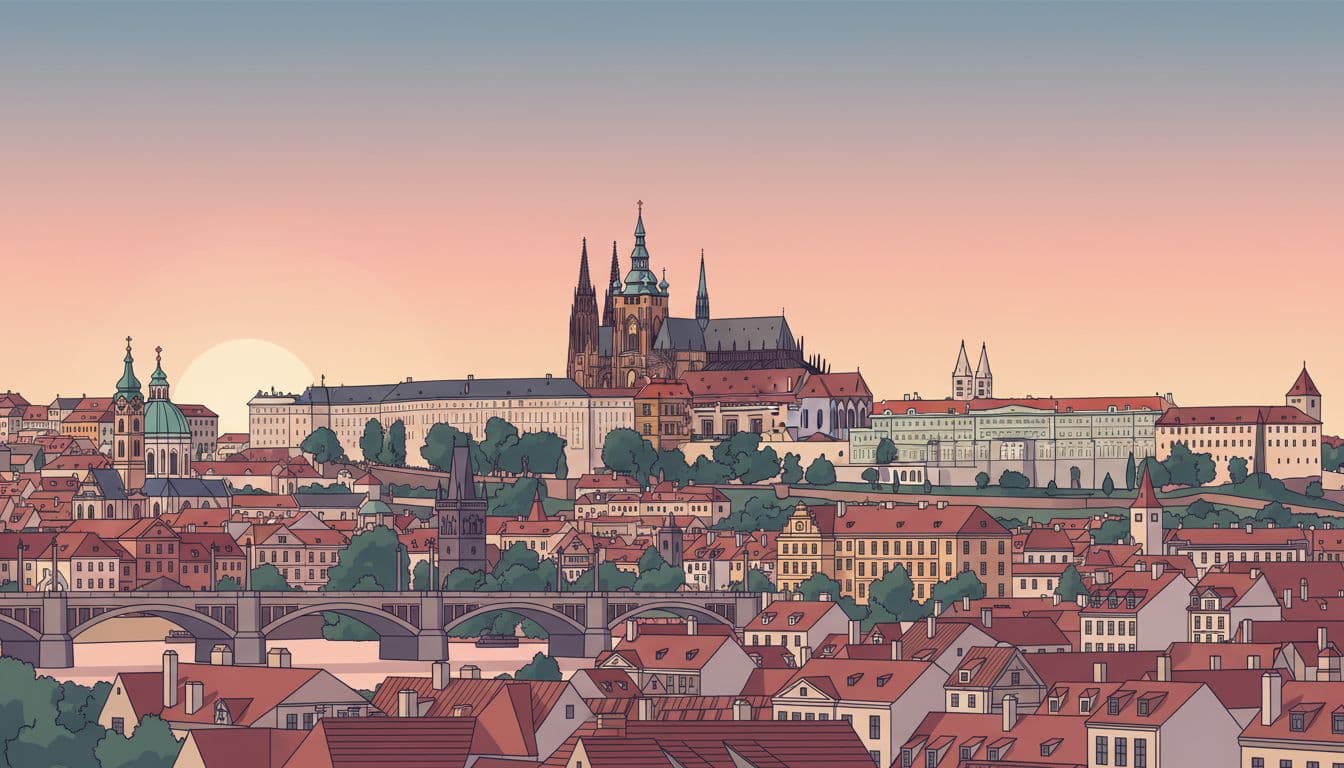
Inside the complex, St. Vitus Cathedral is the star for detail shots. Its Gothic lines, dark openings, and sharp pinnacles photograph well even in softer light. Then the courtyards slow the pace. They give you room for symmetry, leading lines, and cleaner compositions before the city wakes up fully. If you want one castle that can carry both your wide shots and your close studies, Prague makes that easy.
Peles Castle, Romania, for mountain mood and rich exterior detail
Peles Castle feels made for weather. Tucked into the Carpathian forest near Sinaia, it has the kind of setting that changes tone by the hour. One morning it looks crisp and royal. Later, a band of mist can turn it into something hushed and half-hidden.
The exterior is packed with detail, and that is what makes it so rewarding for photographers. Its Neo-Renaissance design gives you carved wood, steep roofs, balconies, turrets, and layered facades that hold interest from both wide and medium range. Because the grounds and surrounding paths offer different distances, you can shoot the whole castle or isolate smaller patterns in the structure.
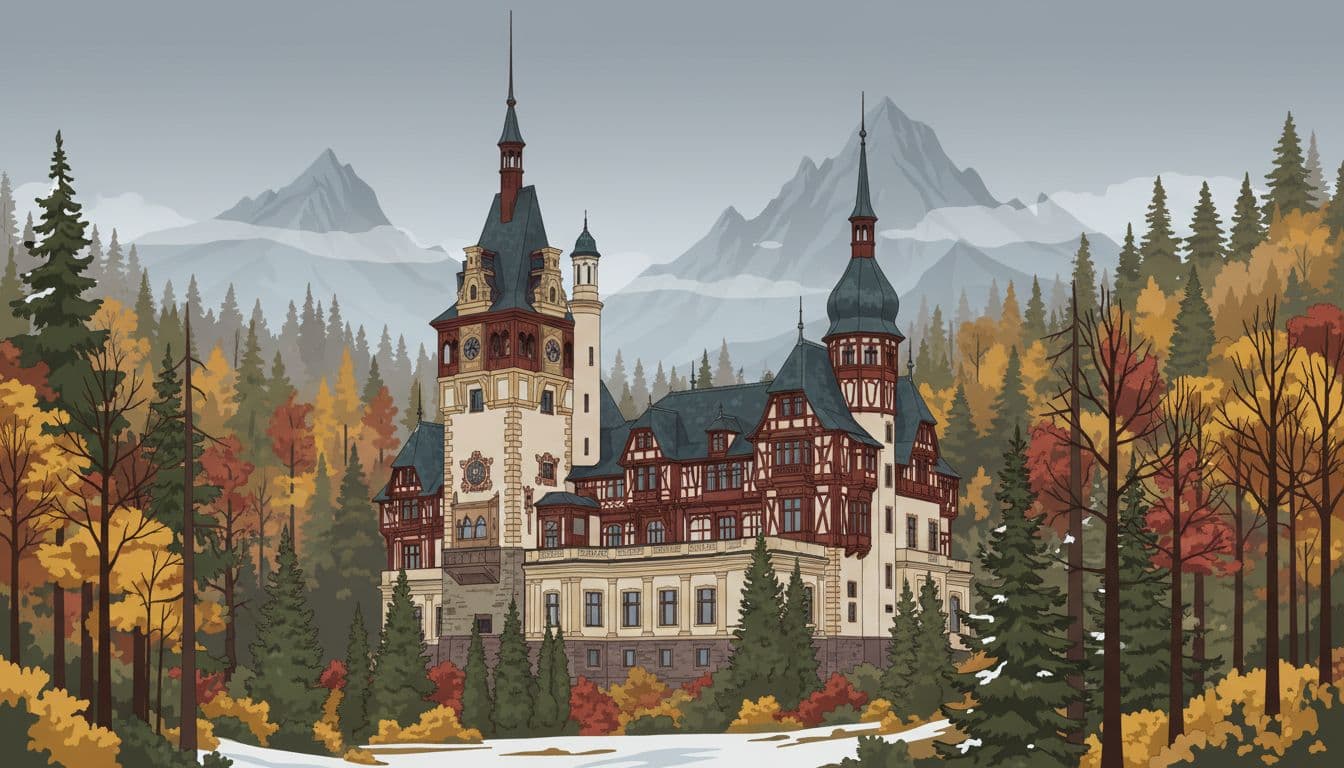
This is one of those places where mood does a lot of the work for you. Mist, autumn leaves, or even light snow can turn a strong castle photo into a memorable one. Early hours are best because the grounds are calmer, the air often feels fresher, and you can work the exterior without people filling every path. For visual ideas before you go, these Peles Castle photo highlights show why the outdoor setting matters as much as the building itself.
Dramatic hilltop and cliffside castles that create stronger compositions
Some castles win the frame because of their walls. These win because the land does half the work. Height adds tension, cliffs add risk, and long slopes or bridges pull the eye forward. As a result, your photos feel more cinematic before you even adjust the exposure.
These are the places where elevation, natural lines, and wider framing matter most. Give the castle room to breathe. Show the drop below it, the ridge behind it, or the valley that makes the site feel earned.
Hohenwerfen Castle, Austria, for big alpine scenery
Hohenwerfen is powerful because the mountain setting is part of the subject. The fortress sits above the Salzach Valley with steep rock under it and alpine peaks all around, so a tight crop often misses the point. If you want the strongest image, start wide and let the landscape explain why the castle is there.
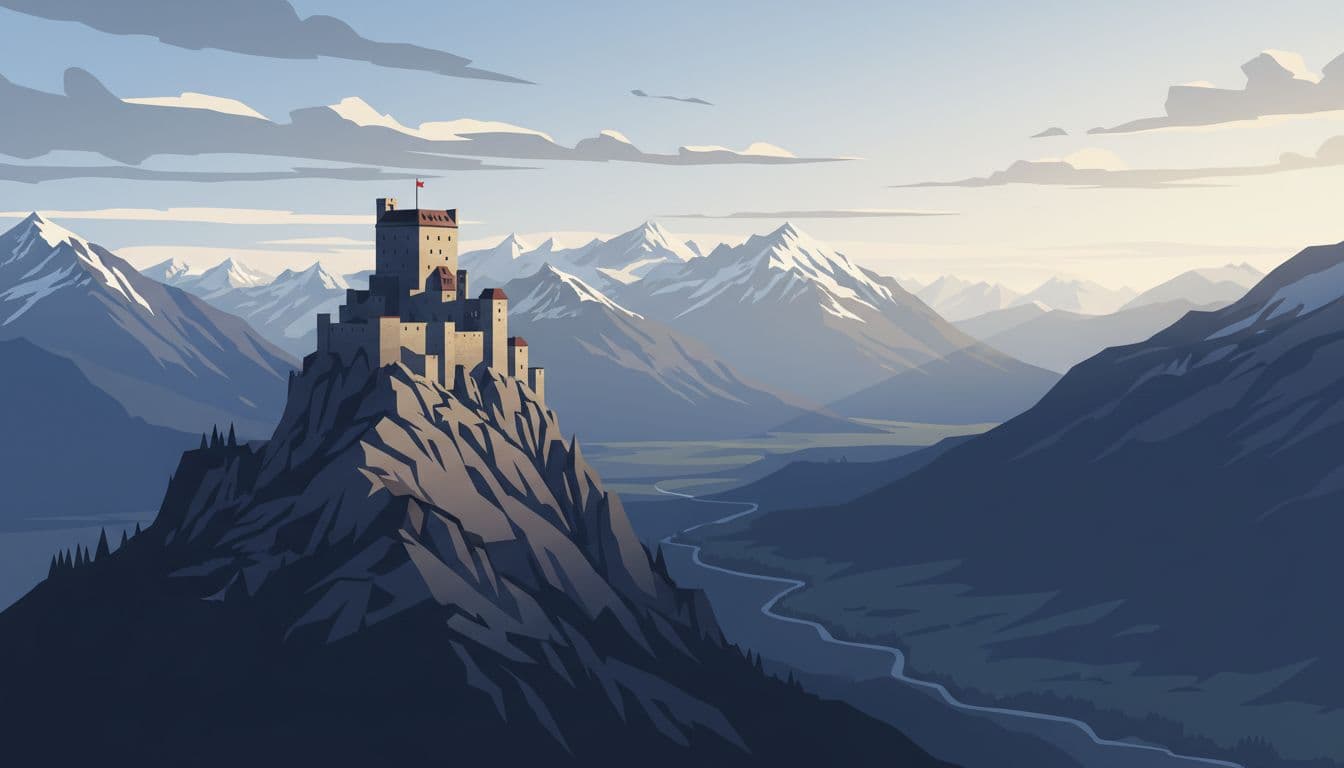
A good wide shot includes the valley floor, the slope, and at least part of the surrounding peaks. That extra space gives the fortress scale, like a stone ship riding a frozen wave. If you want ideas for approaches outside the main grounds, this Komoot view near Werfen helps show how the castle reads from the landscape, not just from the gate.
Then go tighter. Isolate the upper walls against rock and sky, especially when the clouds break and patches of light move across the ridge. In fall, clear mornings can give you crisp air and cleaner layers. In colder months, fresh snow simplifies the scene and makes the fortress pop. Broken cloud is often best of all because it adds shape to the sky and keeps the mountain setting alive.
For planning, Hohenwerfen is currently open from spring through early fall, with seasonal access details on the official opening hours page. That matters because this castle rewards patience, and you may want time for both the big scene and the tighter study.
Orava Castle, Slovakia, for a true clifftop fortress look
Orava Castle has the kind of perch that feels pulled from a dark folk tale. It climbs a high rock above the river and village, with stacked walls and towers that seem to grow out of the cliff itself. Because of that, the castle looks best when you show the height under it, not just the building on top.
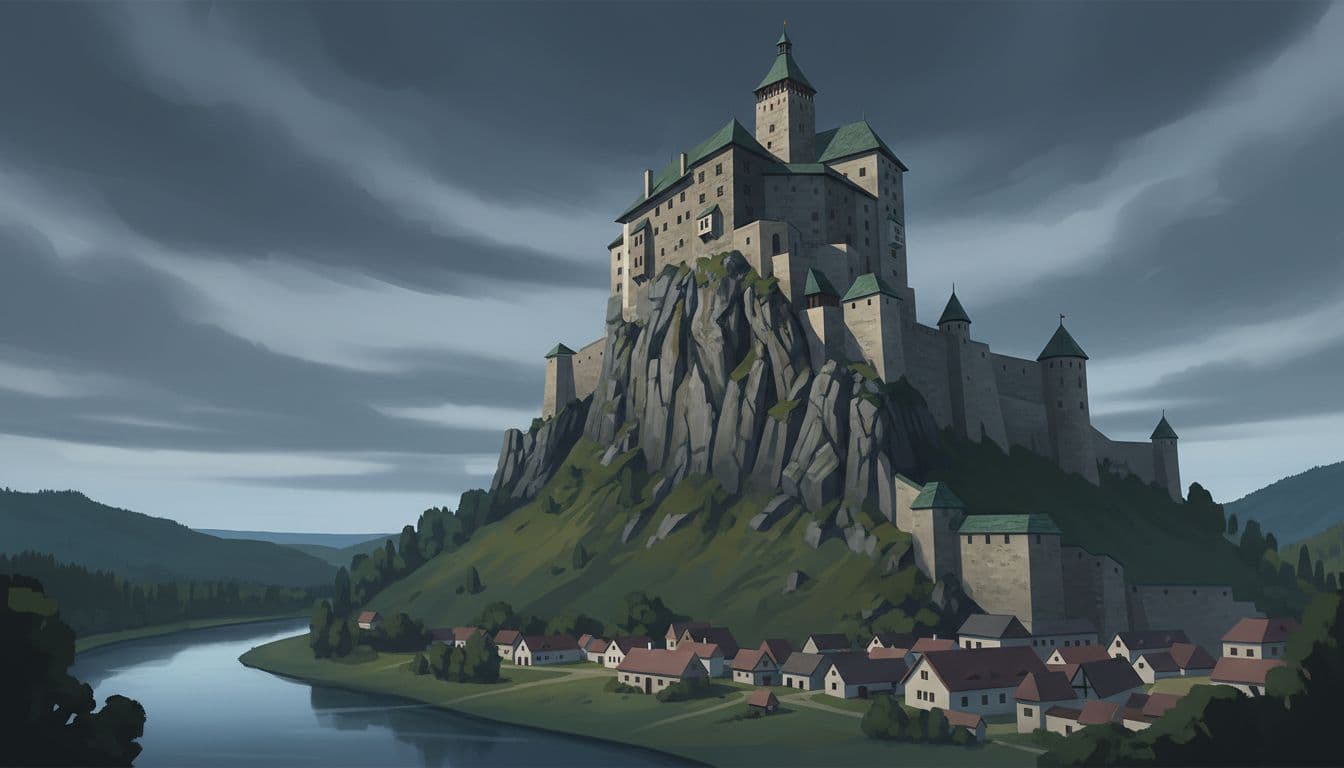
Shoot from below when you can. That angle exaggerates the climb from river to stone and gives the fortress a heavier, more dramatic feel. The village roofs and river bend also help because they add scale. Without them, viewers may not grasp how sharply the castle rises.
From farther away, the full cliff setting becomes the star. You get the castle, the rock base, and the river corridor in one frame, which is where the storybook mood really lands. Orava also handles low light well. Overcast skies soften contrast, deepen the stone tones, and make the whole place feel older and more severe. The castle’s film history adds to that mood, as noted in this Orava Castle overview.
Corvin Castle, Romania, for Gothic drama and strong lines
Corvin Castle is less about open mountain scale and more about forceful design. The long bridge, tall towers, pointed roofs, and dark surfaces make it bold on camera. Every approach line seems to push your eye toward the entrance, which is exactly why this castle is so easy to compose with intent.
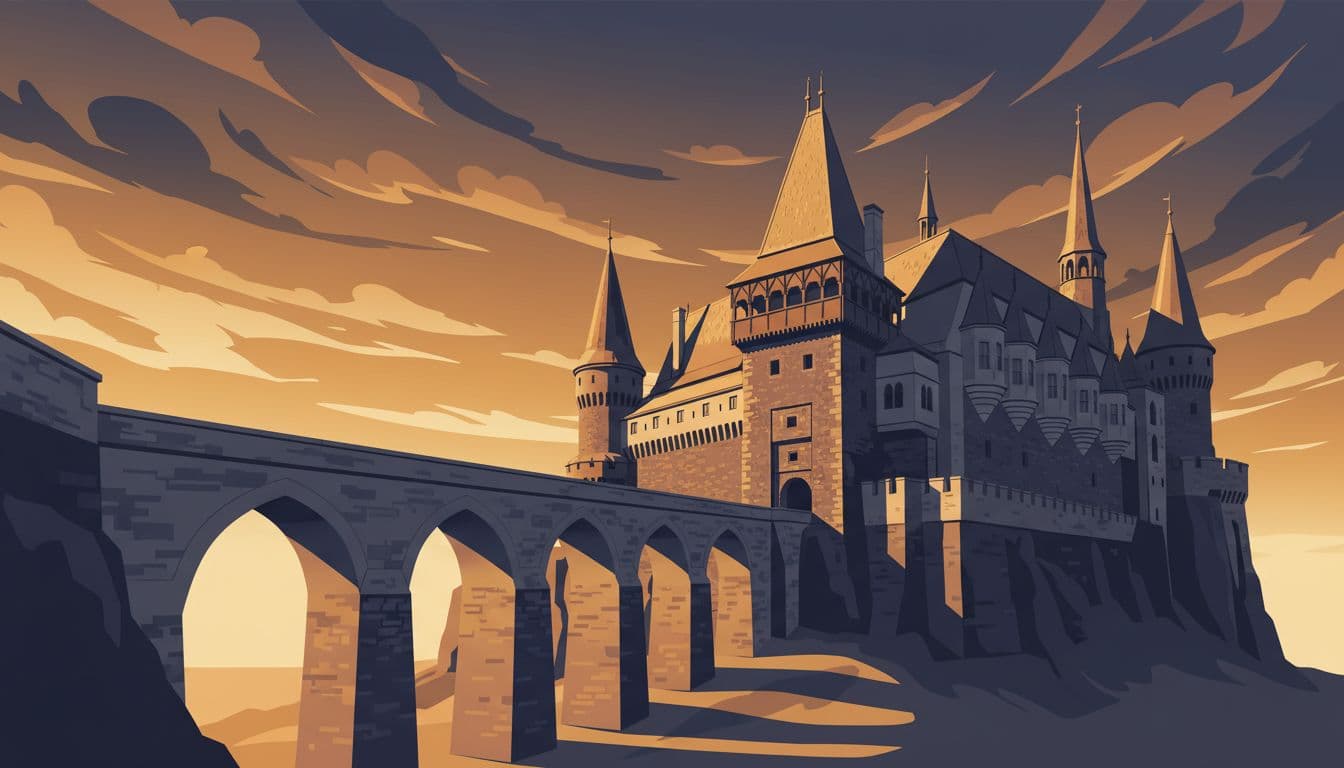
Start with the bridge. It is your cleanest leading line, and it creates a natural path through the frame. Keep the camera low enough to let the planks or rails pull forward, then let the towers rise at the end like a wall of spears. That setup works especially well when the sky has texture and the stone holds a little shadow.
Move closer and the details take over. Pointed arches, narrow windows, and rough dark stone give you contrast without much effort. This Corvin Castle photo example shows how strong the bridge-and-tower combination can look from a simple exterior angle. Early or late light usually helps most because it rakes across the surfaces and brings out the castle’s hard edges.
Less crowded castles that reward patient photographers
The biggest castle names earn their place, but they also bring packed viewpoints and a faster pace. If you want more room to work, these quieter picks are a smart detour. Each one gives you cleaner frames, calmer grounds, and enough breathing space to wait for better light instead of shooting around a crowd.
Hluboka Castle, Czech Republic, for bright facades and elegant symmetry
Hluboka looks nothing like the darker medieval fortresses that dominate so many Central Europe itineraries. Its white Neo-Gothic Tudor style feels lighter and more polished, so your photos can lean crisp and elegant rather than brooding. That alone makes it useful if your gallery needs contrast.
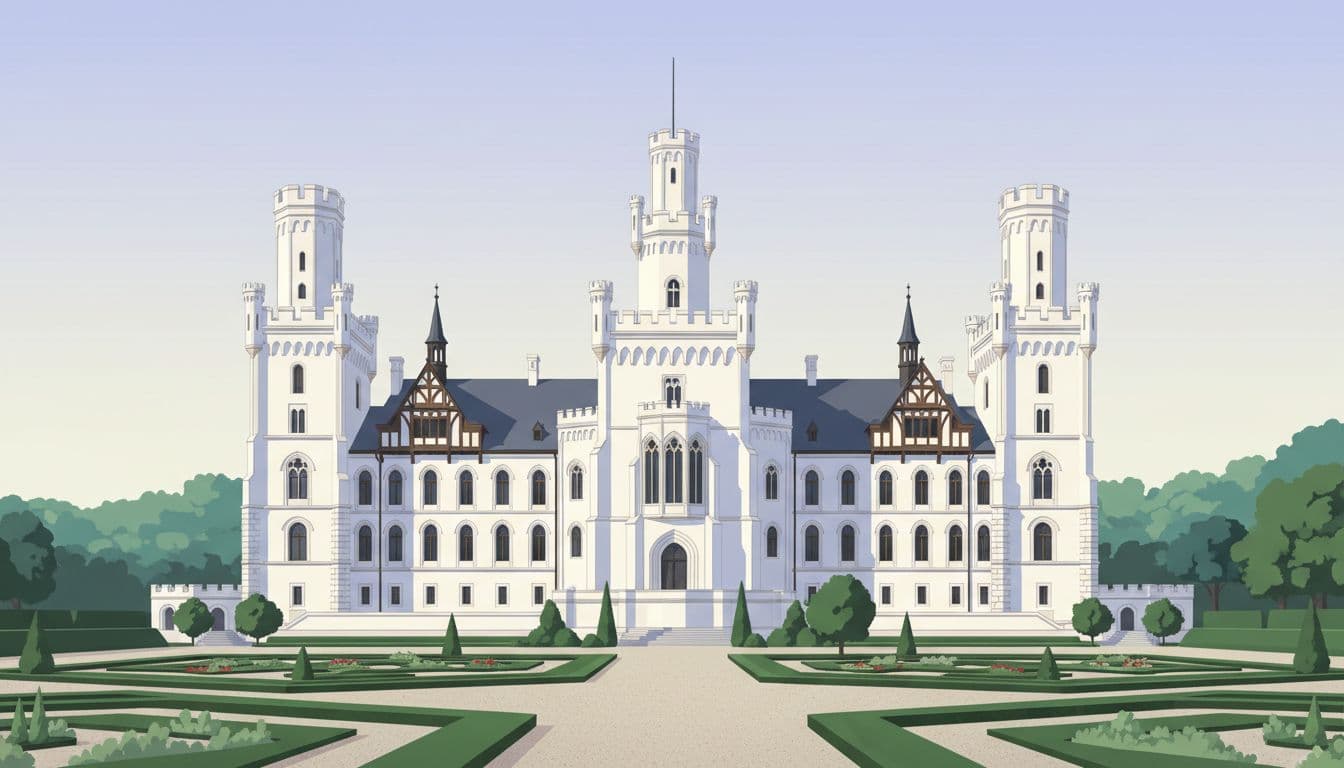
The best shots often come from the gardens, where clipped lawns and formal paths echo the castle’s clean lines. Because the facade is pale, soft morning light and late afternoon light are your friends. Midday can flatten the white exterior, while lower light adds shape without turning the building gray. The grounds are also easier to enjoy at a slow pace, and the official Hluboka photo galleries can help you preview angles before you go.
Bojnice Castle, Slovakia, for romantic towers and reflection chances
Bojnice is the softer, more whimsical option in this region. Its towers and rooflines rise with a fairytale look, but the setting keeps it usable for real photography, not just postcard cliches. The park around it gives you distance, which matters when you want the whole silhouette without visual clutter.
That extra space is the key here. Walk the paths, pause near water, and look for reflection chances in ponds or still surfaces after rain. A reflected tower can calm the frame and make the scene feel less busy, even when the castle itself has lots of detail. If you want a sense of the wider grounds first, the Bojnice Castle panoramas are a helpful preview.
Bojnice rewards patience more than speed, because the prettiest frame often appears a few steps away from the obvious viewpoint.
Moszna Castle, Poland, for unusual shapes and a storybook feel
Moszna is for photographers who want something less expected. The silhouette is playful and a little strange, with so many towers and roof forms that the castle seems to change shape as you move. That gives your gallery a fresher look, especially if you’ve already shot more famous fortresses.
Light and weather matter a lot here. Mist softens the edges and makes the towers feel half-dreamed. Spring green gives the stone a lively border, while golden fall light adds warmth without losing the castle’s odd charm. Because the shape is the star, step back and let the full outline breathe. The Moszna Castle gallery shows why wide exterior views work so well. If you’re after a castle that feels lifted from a storybook, this one earns the stop.
How to plan your castle photo trip for better light, fewer crowds, and stronger shots
A great castle photo usually starts long before you lift the camera. Light, weather, border hops, train times, and opening hours all shape the frame. Plan those well, and you give yourself a much better chance at calm paths, clean views, and stone walls glowing instead of baking in harsh noon sun.
For most Central Europe trips, the best approach is simple: travel in the shoulder season, sleep close to your key viewpoint, and build each day around early light. If you’re crossing countries, keep your route tight so you spend more time shooting and less time dragging a bag through stations.
The best seasons for castle photography in Central Europe
September and October are often the sweet spot. The heat drops, the air turns clearer, and many castle settings pick up gold, rust, and deep green at once. In early fall, stone walls seem to sit inside a painted frame, especially in forested parts of Germany, Austria, and the Czech Republic. Travel trends for the region also point to mid-September through early October as one of the best windows for photos, thanks to milder weather and fewer visitors.
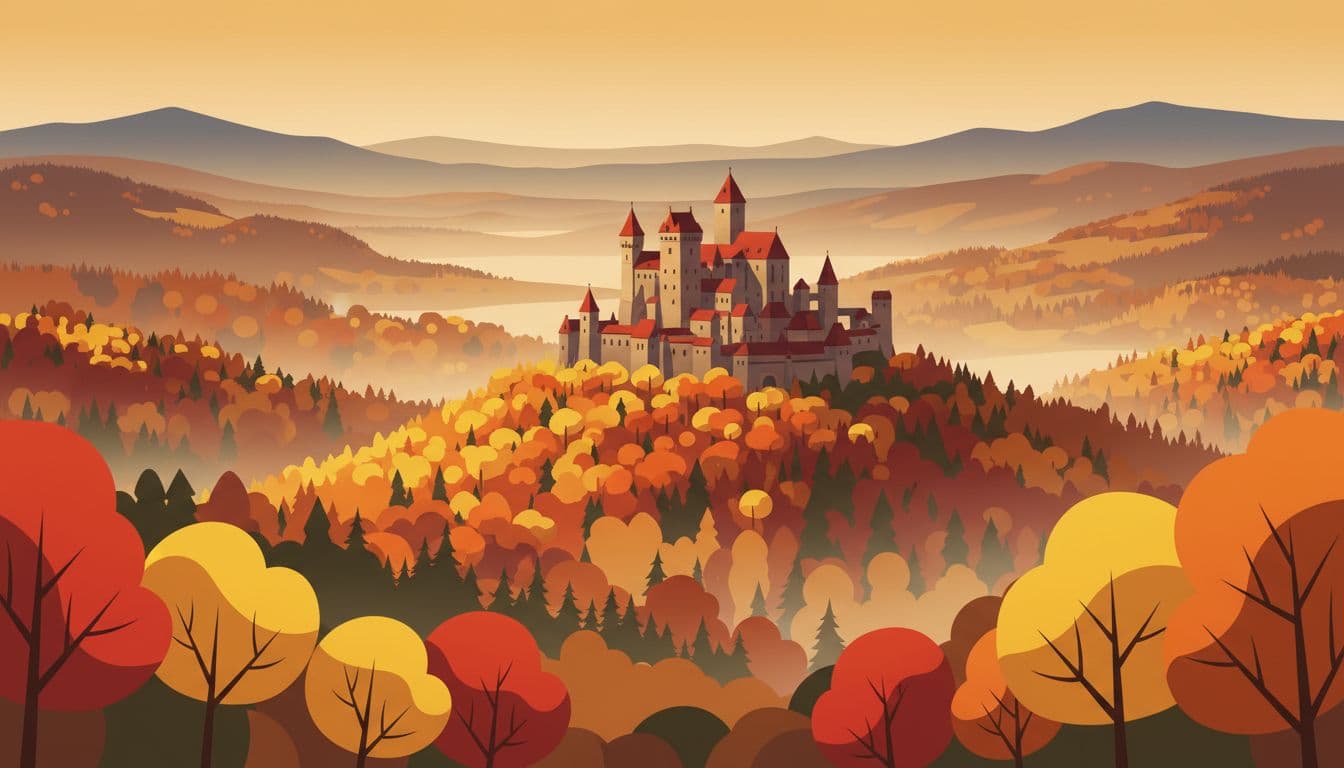
If you want help choosing exact weeks, this guide to fall travel in Germany explains why September and mid-October work so well for color and lighter crowds. Spring is strong too, especially from mid-May into early June. Hills turn fresh green, rivers run fuller, and gardens around palace-style castles look alive again.
Winter can be magic when snow falls or fog drifts across a ridge. However, the tradeoff is real. Days are shorter, light fades fast, and some sites cut hours or limit access on trails, bridges, and upper viewpoints. Before you go, always check the official site for seasonal hours and weather warnings.
What gear helps most, even if you want to pack light
You don’t need a giant bag to come home with better castle photos. A small, smart kit is easier on trains, cobbled streets, and long uphill walks. Most travelers will do well with one camera body, one wide lens, and one short telephoto.
A wide lens helps when the castle sits close or the landscape matters as much as the walls. Then a short telephoto is useful for towers, windows, rooflines, and compressed views across a valley. A setup like 16-35mm plus 70-200mm covers almost everything without turning your day into a moving workout.
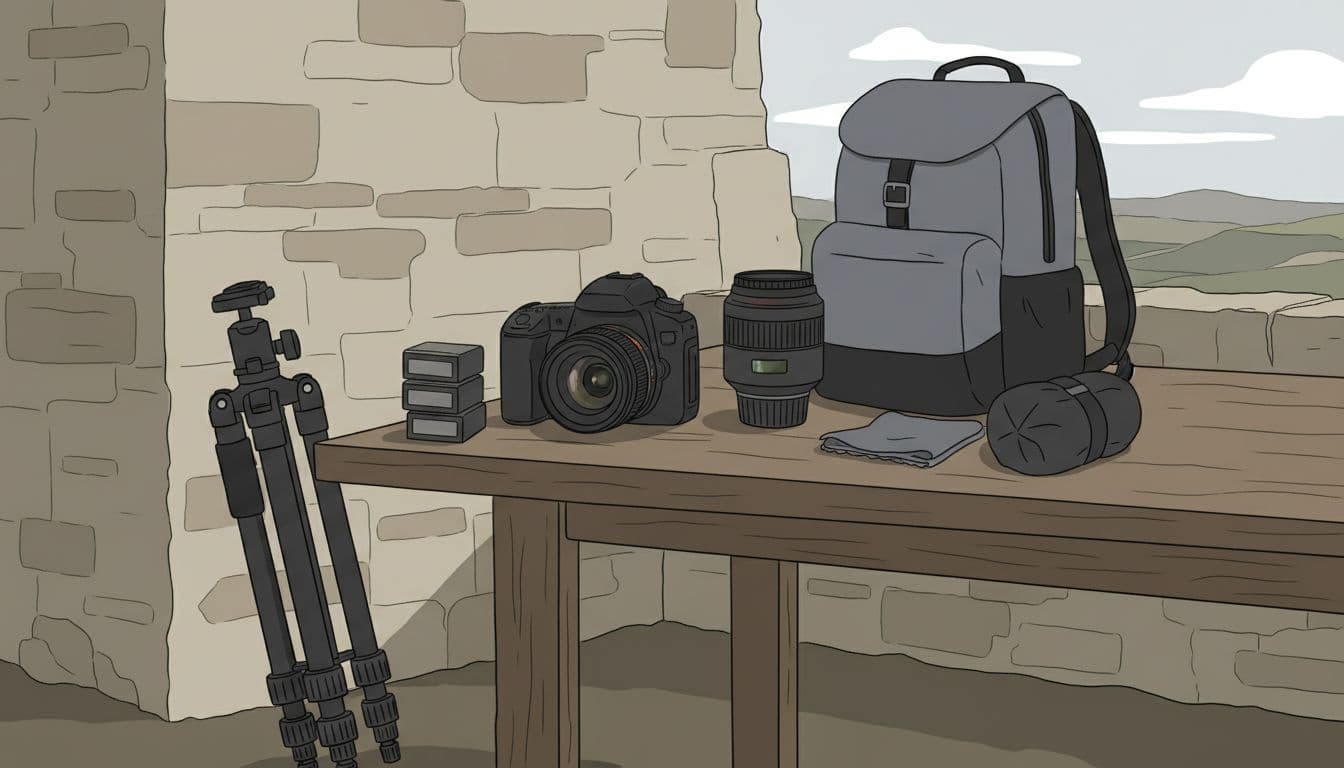
Bring a tripod only when it earns the space. It’s most helpful for blue hour, foggy mornings, or layered telephoto shots from a fixed overlook. For a practical packing mindset, this piece on a minimal travel photography kit matches the kind of light setup that works well in Europe.
Also pack the boring things. Spare batteries matter on cold mornings. A lens cloth saves you after mist or drizzle. A simple rain cover, or even a compact dry bag, can rescue a shoot when the weather turns.
Simple field tips that make castle photos look less like snapshots
Get there early, even earlier than you think you need. The best light often lasts only minutes, and popular viewpoints can fill fast. If possible, scout the area the day before so you know where the sun rises, how long the walk takes, and which path gives the cleanest angle.
Use the land to guide the eye. Bridges, uphill paths, rivers, and old town lanes all create natural lines that pull a viewer toward the castle. Then wait a beat. A crowded frame can clear in seconds, and patience often matters more than pressing the shutter first.
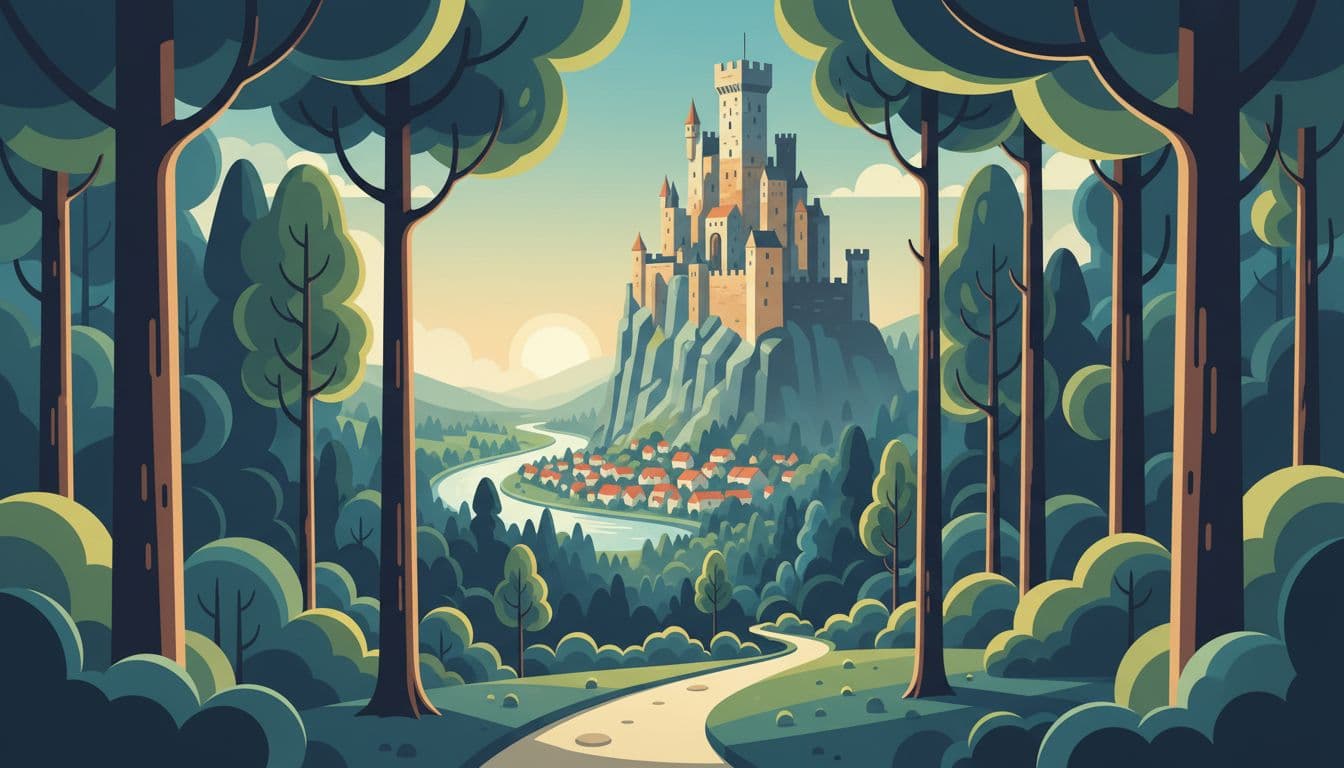
Scale is another quiet fix. Trees, a river bend, or town rooftops help the castle feel larger and more rooted in its setting. Without that context, even a dramatic fortress can look flat. A few extra steps left or right can turn a plain record shot into something with depth and place.
For more angle ideas, this Prague Castle photography guide is a useful reminder that the strongest frame is often not the first one you see.
Conclusion
The strongest takeaway is simple: match the mood to the castle. Go to Neuschwanstein or Bojnice when you want that fairytale lift. Pick Orava or Hohenwerfen when you want height, stone, and drama. Choose places like Hluboka or Moszna when you want room to work and a frame that feels less familiar.
Just as important, plan around light and viewpoint, not fame. An iconic castle at the wrong hour can feel flat, while a quieter one at sunrise can feel unforgettable. Early starts, weekday visits, and a short walk past the first overlook usually matter more than a famous name.
That’s when Central Europe gives its best back, pale sun on old walls, mist sitting low in the valley, and autumn color gathering around towers before the crowds arrive.
