
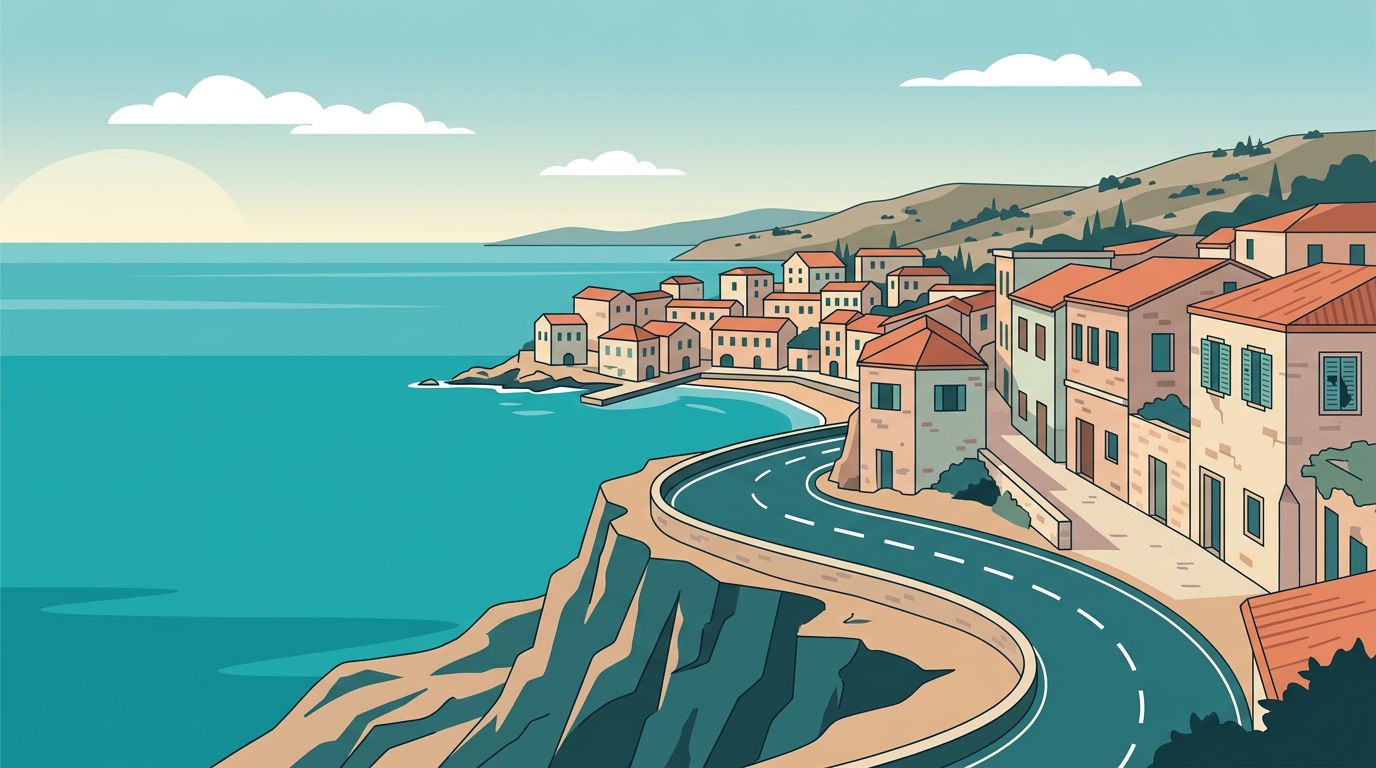
Albania photo spots are at their best when sea views and old stone streets sit close together. That mix is what makes the country so easy to shoot and so hard to forget.
You can spend the morning on a cliff road, then finish the day in a hill town with chipped shutters and narrow lanes. If you want frames with both space and texture, Albania gives you both without asking for much effort.
The trick is choosing places with strong shape, clean light, and enough height to open the scene. Start with the Riviera, then move inland for stone towns that feel built for the camera.
Llogara Pass and the first big Riviera reveal
Llogara Pass is where the coast opens up fast. One bend gives you forest, another gives you sky, and then the Ionian Sea appears like a sheet of glass below.
For photographers, that first reveal matters. It gives you scale, and scale makes a coastline feel alive. If you want a route comparison before you go, the Llogara Pass vs. Riviera Drive guide is a solid place to start.
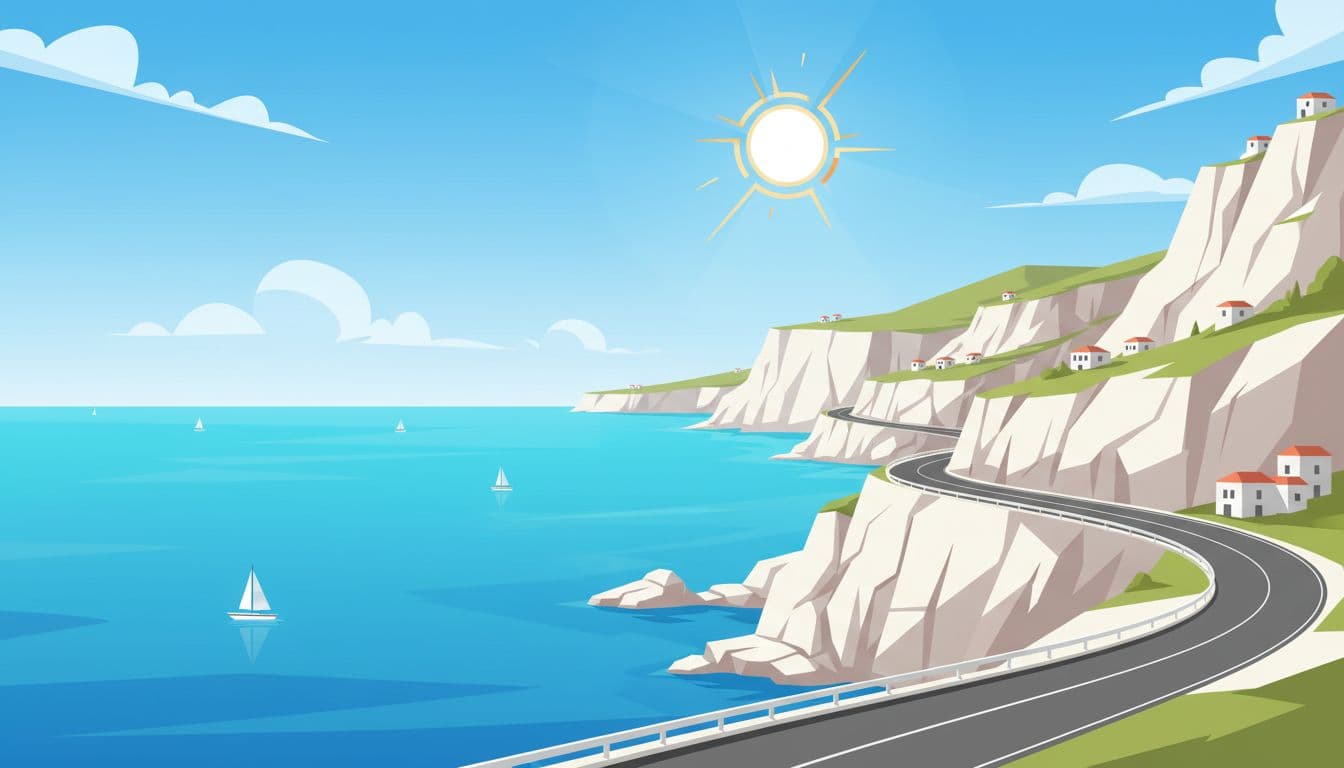
The best photos here come from the pull-offs above the road, not from the middle of the drive. Stop, step away from the car, and look for a curve in the asphalt that leads the eye into the frame. That line does a lot of work.
The light changes quickly on the pass. Clouds move fast, and shadows race across the water. Go early. Stay late. Cars ruin frames.
If you’re chasing wide scenes, use a lens that can handle the whole drop to the sea. If you prefer a cleaner look, keep one foreground rock or guardrail in the corner for depth. Otherwise the scene can feel flat, even when the view is huge.
If the road has a pull-off, stop. The next bend rarely looks the same.
Dhërmi for layered coast and village photos
Dhërmi is one of the most useful Albania photo spots because it gives you layers. You get the sea, the hill, the old village, and the rooftops all in one view.
A good place to begin is above the old settlement, where white walls and stone roofs stack toward the water. The Dhërmi travel guide has helpful route notes, but the main idea is simple, walk uphill first, then turn around often.
Blue hour. The white walls soften, and the bay takes on a steel-blue edge. That is the moment when Dhërmi looks calm instead of busy.
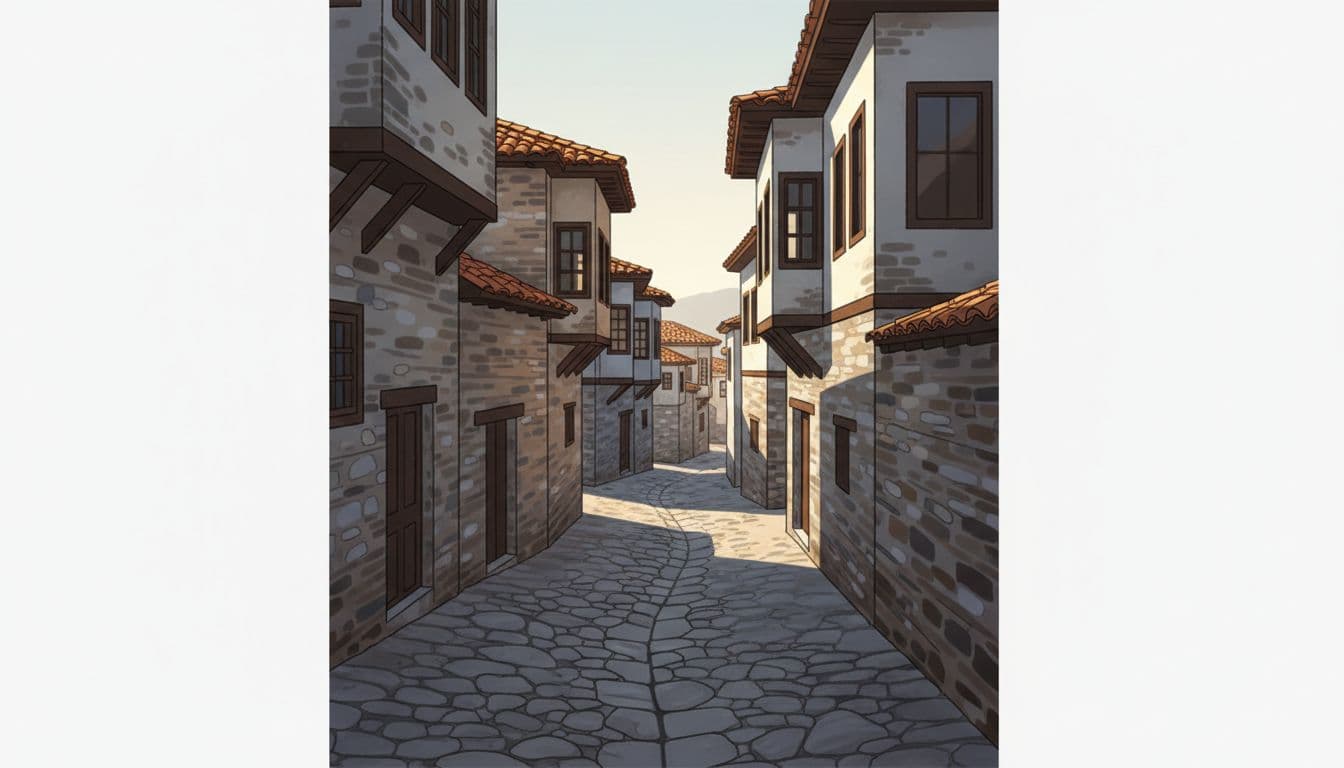
The village streets reward slow feet. A doorway with peeling paint can sit next to a clean roofline, and a few steps later you get a view that reaches all the way back to the coast. That variety is why Dhërmi works well for travel bloggers and couples who want both detail shots and wide scenes.
A small anecdote fits here. One photographer I met in the village arrived for sunset and stayed longer than planned because a baker opened his blue door just as the sky turned pink. The street was ordinary before that. Then the color on the wall changed, and the whole frame came alive.
Shoot the bell tower, but don’t stop there. Shoot the side lanes, the stair cuts, and the lines of rooftops that disappear behind the next hill. Those smaller scenes often feel more personal than the obvious postcard shot.
Himara and the quiet bays below the road
Himara gives you a different kind of frame. It feels less staged, more open, and easier to photograph when you want calm water with old stone above it.
The old town sits high enough for a clean overlook, while the lower streets give you tighter images with texture. That contrast helps when you want a sequence of photos from one stop. Wide view first, street detail second.
The sea near Himara often looks best when the sky is a little hazy. Harsh light can flatten the color, but a light veil in the air softens the blues and keeps the coast from looking overdone. That matters if you want your photos to feel true.
You can also use Himara as a rest stop between bigger shooting days. The town is easy to walk, and the road access lets you get back to the coast without a long hike. So you get time for the frame without losing the day.
A useful habit here is to check the road direction before you park. Sometimes the best angle is on the opposite side of the bay, and the extra five minutes on foot makes the image work.
Gjirokastër for rooflines and hard stone streets
If the Riviera is all movement, Gjirokastër is all structure. The town is famous for its stone houses, steep lanes, and roofs that seem to climb into each other.
For photographers, that means strong geometry. Arches, stairways, windows, and slate roofs all create lines you can use. The Gjirokastër travel guide helps with the layout, but the real magic comes from walking without a set route.
A photographer I once saw in the bazaar stood still for ten minutes while the street woke up around him. First came a shop shutter. Then a woman carrying bread. Then a shaft of light hit the cobbles and made the whole lane look warmer, rougher, and older all at once. That is the kind of patience this town rewards.
The bazaar is best before the crowds build. Early morning keeps the reflections low and the stone surfaces clear. Later in the day, the shadows get harder and the lanes can feel cramped.
Shoot upward from the lower streets, then shoot across the hill from the castle area if you have time. Both angles show the town differently. One gives you detail, the other gives you the full shape of the settlement.
Gjirokastër also works well in black and white. The stone walls and dark roofs carry enough contrast on their own, so you don’t need much color to make the frame hold up. That’s handy when the light goes flat.
Simple ways to get better shots in Albania
A few small choices make a big difference in Albania photo spots. The country gives you strong views, but you still need to work with the light and the roads.
- Start before sunrise. Roads are quieter, and the air is cleaner.
- Look for bends and terraces. They make the scene feel deeper.
- Carry one fast lens. Town lanes can be dim, even at midday.
- Leave time to walk back. The best angle is often behind you.
- Watch the weather on the coast. Clouds can improve the scene fast.
Keep your camera ready when you move between spots. The in-between moments matter too, especially on the Riviera where one curve can open into a bay and the next turn can hide it again.
If you only have one full day, split it between height and stone. Morning on the coast, afternoon in a town like Gjirokastër. That rhythm gives you both open air and close detail without forcing the same look all day.
Conclusion
The strongest Albania photo spots aren’t hard to find, but they do ask for patience. A roadside turnout, a narrow lane, a hilltop bend, those are the places where the country gives you its best shape.
Leave room in your day for one unscripted stop. The light changes fast, and a single corner above the water can be better than the big viewpoint you planned.
Can you get to the road bend above old Dhërmi before the buses do?
