
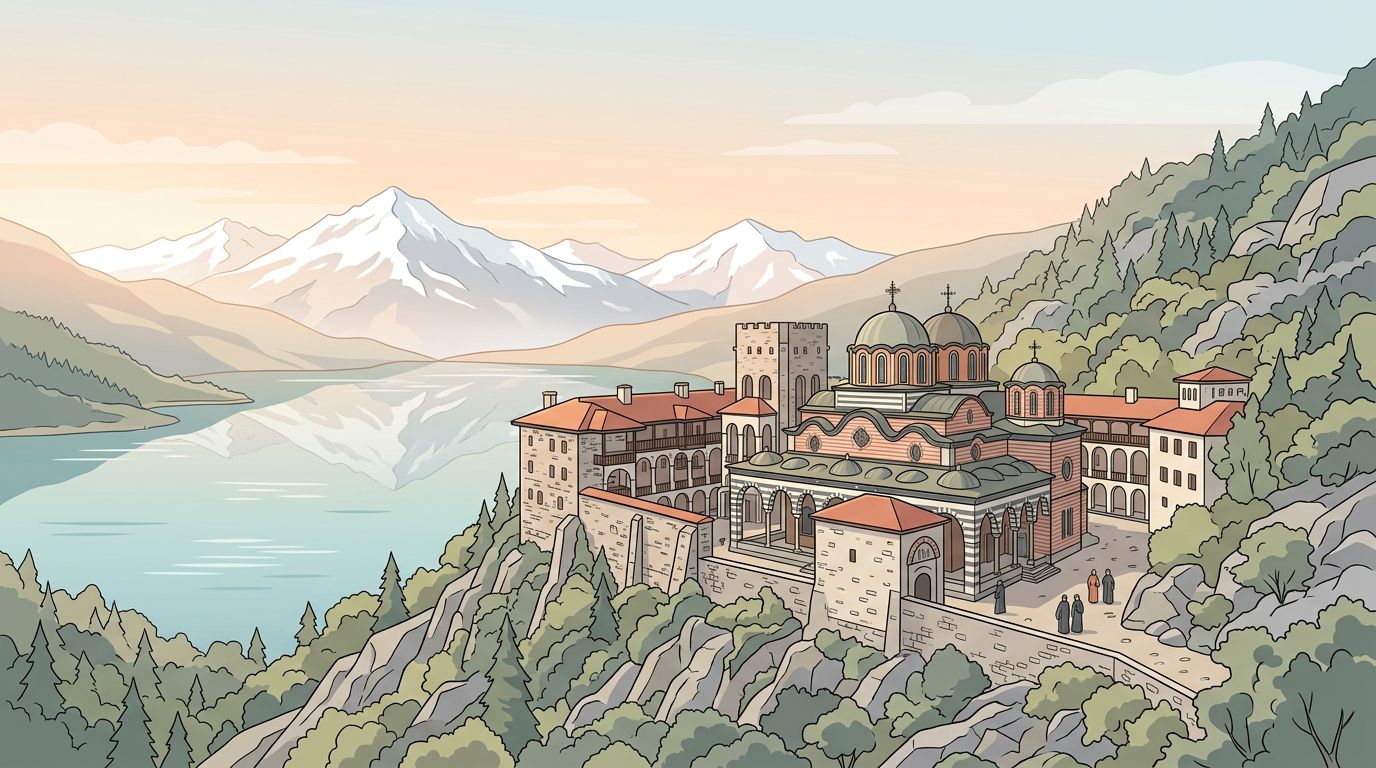
Some of the strongest photo spots Bulgaria offers sit in the same mountain arc, where painted monasteries meet cold, clear lakes. That mix gives you bold color, quiet shape, and changing light in one trip.
The contrast is the draw. If you want images that feel calm without looking flat, Bulgaria gives you that balance fast. Start with the places below, because they reward early mornings and patient feet.
Why monasteries and mountain lakes work so well together
Bulgarian monasteries and mountain lakes make a strong pair because each one gives you what the other lacks. Monastery courtyards bring lines, arches, and warm color. Mountain lakes bring open space, reflection, and room for the sky.
The contrast is the draw. Light shifts fast here. A stone wall can glow one minute, then go flat the next, while a lake can mirror a ridge and lose it seconds later when the wind wakes up.
That means timing matters as much as location. If you move between the two in one itinerary, your gallery starts to feel complete instead of repetitive. You get texture, then stillness. You get shadow, then water.
Rila Monastery, the strongest monastery frame in Bulgaria
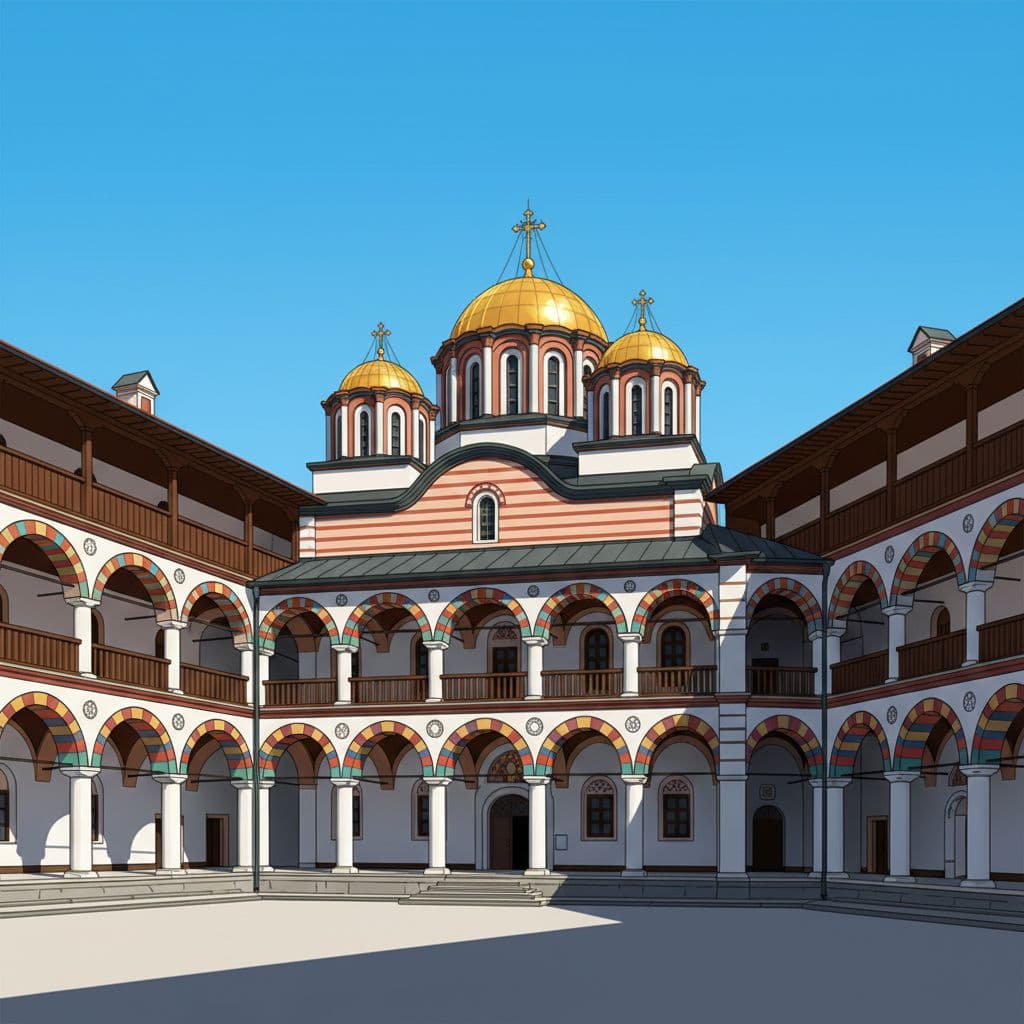
Rila Monastery is the obvious anchor if you’re building a list of photo spots Bulgaria travelers keep coming back to. The striped arches, painted ceilings, dark wood, and pale courtyard stone give you strong layers without much effort.
For a closer look at courtyard angles and architectural detail, the Rila Monastery photo tour is a useful visual reference. The broader setting is well described on Wild Expedition’s Rila Monastery page, which helps when you’re planning how long to stay.
Go early. Crowds matter. One September morning, a woman in a red coat waited beside the arcade until the tour group drifted out, then she photographed the wet stones beneath the arches and got the cleanest reflection in the whole courtyard.
Before the buses.
That kind of moment is why Rila works so well. The monastery rewards patience more than gear. A wide lens helps, but the real advantage is space before the day fills up.
The best angles are not always in the center of the courtyard. Try the outer walkways, the fountain edge, and the corners where the arcade bends toward the church. Because the courtyard is enclosed on three sides, the light bounces off painted arches, dark wood, and pale stone in different ways, so a small shift in position can change the frame completely.
Keep your lens cloth ready. After a shower, the paving stones turn glossy, and that surface makes the colors feel sharper without any extra work.
Seven Rila Lakes, the mountain scene photographers chase
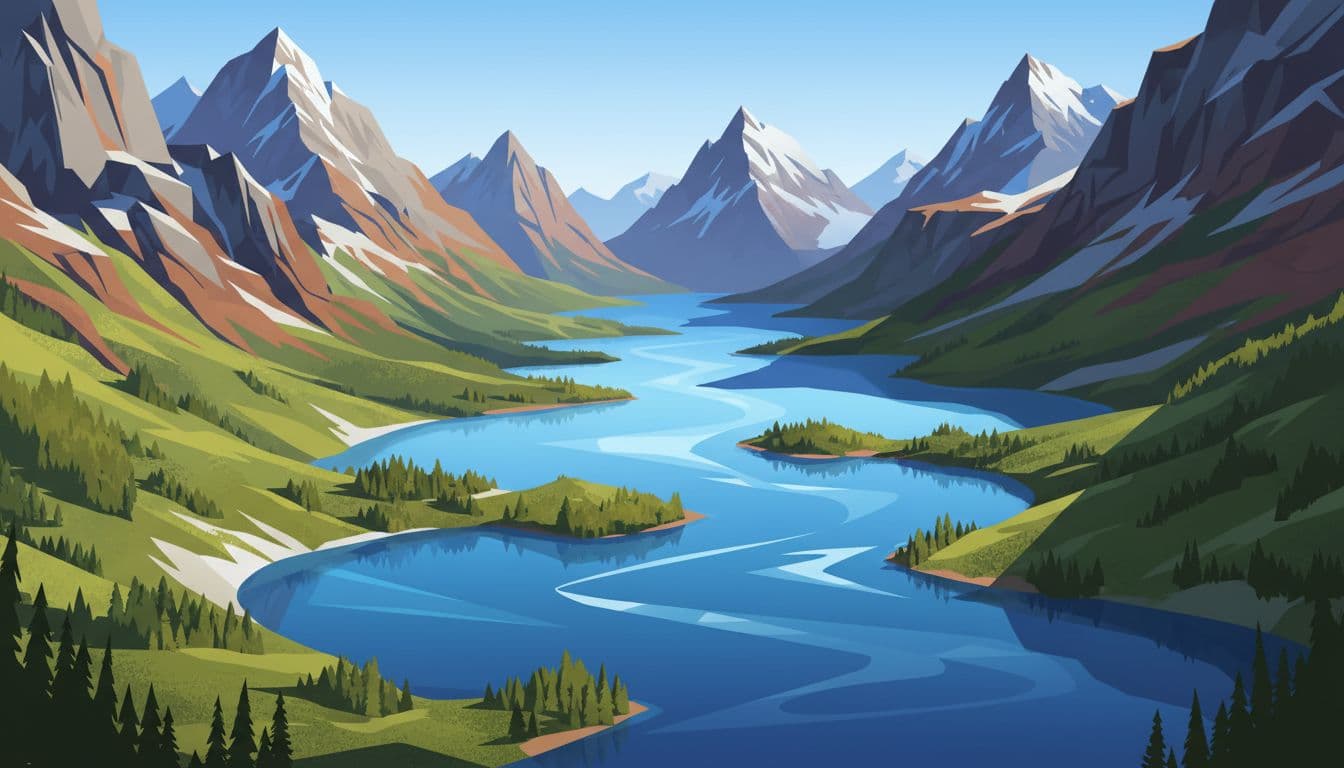
The Seven Rila Lakes are the mountain part of this trip. They are glacial lakes, and their bowls, ridges, and paths give you a frame that feels larger with every step. If you want practical timing notes, the Rila Monastery and Seven Lakes travel tips page is a solid planning check.
May to October is the safest stretch for most visitors, with June through September giving the cleanest light and the strongest color. Start at dawn. The earlier you reach the upper viewpoints, the better your odds of getting still water and empty paths.
Early light matters here because the water can mirror the slopes before the wind starts to wrinkle the surface, and the upper viewpoints around The Eye and The Kidney often give the strongest shape when the trail is still quiet. If you want the classic turquoise look, morning is your best bet.
September and October bring fewer hikers and warmer color. May can still hold snow patches, which can look great if you want contrast. Wind ruins reflections. Clouds help, too.
Bring layers. Mountain weather shifts fast, and the path can feel mild at the start while the ridge is cold and bright twenty minutes later. A polarizer helps, but so does waiting for still air.
Blue water needs patience.
Bachkovo Monastery when you want a quieter backup
Bachkovo Monastery is a smart second stop if you want monastery photos without the same level of foot traffic. It sits in the Rhodope Mountains, and the setting feels softer than Rila. Trees, stone, and slopes do more of the framing for you.
That matters when the sky is overcast. Soft light works well here because it keeps the painted walls from getting harsh shadows. You can walk slower, shoot tighter, and focus on details instead of trying to beat a crowd.
The best frames often come from the edges. Try the entrance, the walkways near the courtyard, and any point where a tree line cuts into the roofline. The monastery feels less monumental than Rila, but that can help if you want a quieter story in your set.
Rain helps here, too. Wet stone holds color better, and the darker surfaces give the painted areas more contrast. If you are building a Bulgaria itinerary that balances busy landmarks with slower stops, Bachkovo fits that middle ground well.
How to plan one strong photo day
A single day can cover both places, but only with an early start. The monastery is lower and easier to shoot first, while the lakes reward the later stretch once you reach the high ground. Because the two stops sit on opposite sides of the Rila range, the route is better as a long day or a split-day plan.
Shoot wide, then tighter. A wide frame works for the monastery courtyard and the lake basins, while a tighter view helps you isolate one arch, one reflection, or one ridge line.
For both stops, pack light:
- A wide-angle lens for courtyards and ridge views.
- A microfiber cloth for mist, spray, or rain.
- Comfortable shoes with grip.
- A light jacket you can add fast.
Less gear, better pace.
Weekdays are easier than weekends. That matters more than many travelers expect. When the courtyards and trailheads are calmer, you spend less time waiting and more time watching the light.
If you only have one good light window, give it to the mountains, then use softer afternoon light at the monastery on the return. The stone looks better when the sun drops a little, while the lakes often look best before the trail fills and the air starts to move.
The frame that stays with you
These places work because they give you two kinds of quiet. One is built from stone, paint, and shadow. The other comes from water, wind, and open height.
That mix is what makes Bulgaria such a strong choice for photographers and road trippers. You can leave a monastery courtyard with warm color in your frame, then climb toward a lake and finish the day with a clear ridge line and a still surface.
Would you rather catch the courtyard before the buses arrive, or the upper lake when the wind drops at the east shore?
