
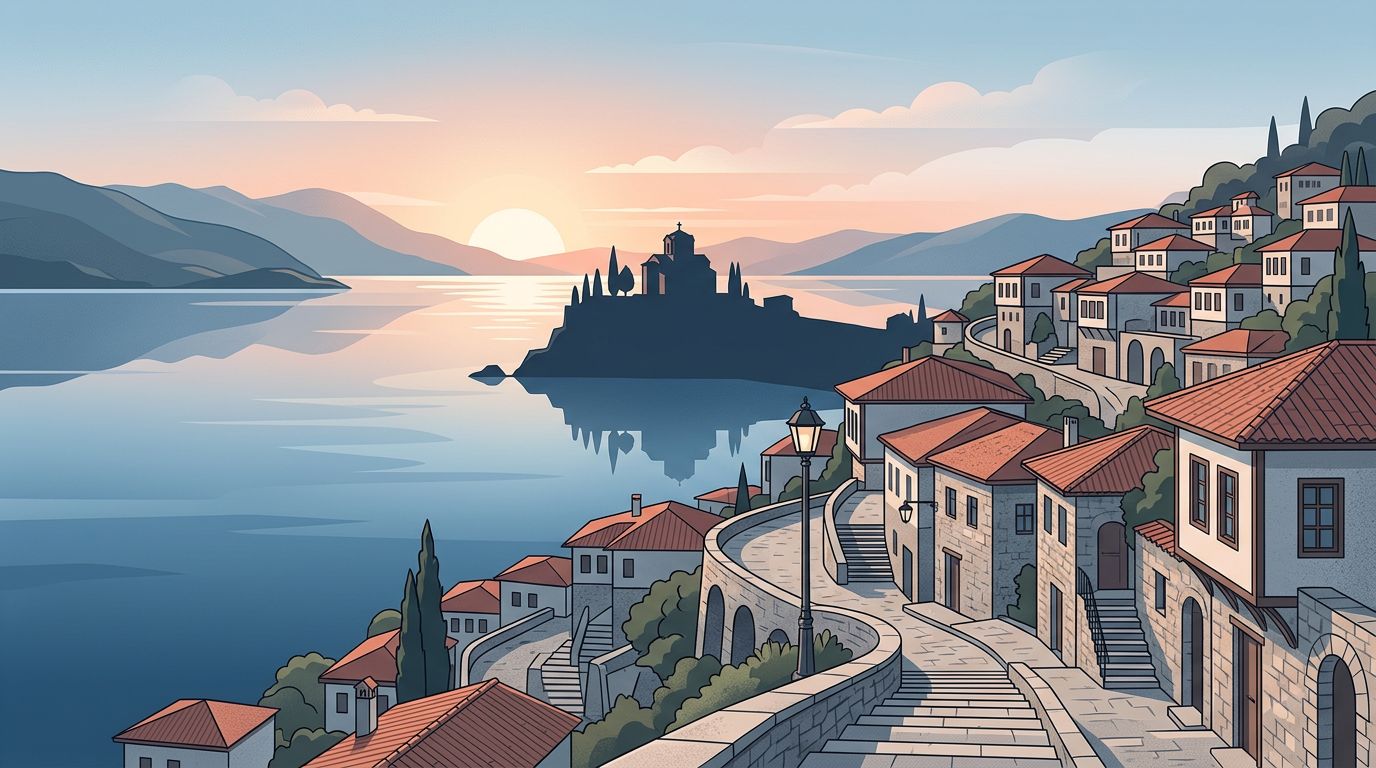
North Macedonia packs more variety than many travelers expect. In one day, you can frame a still lake, then walk into streets that feel older than the map around them.
If you’re hunting for North Macedonia photo spots, start with Ohrid, then add Skopje and Kratovo when you want stone streets, tight shadows, and more texture. That mix works because the country gives you clean horizons and busy detail in the same trip.
The first stop is the one most photographers remember.
Ohrid, where lake views do the heavy lifting
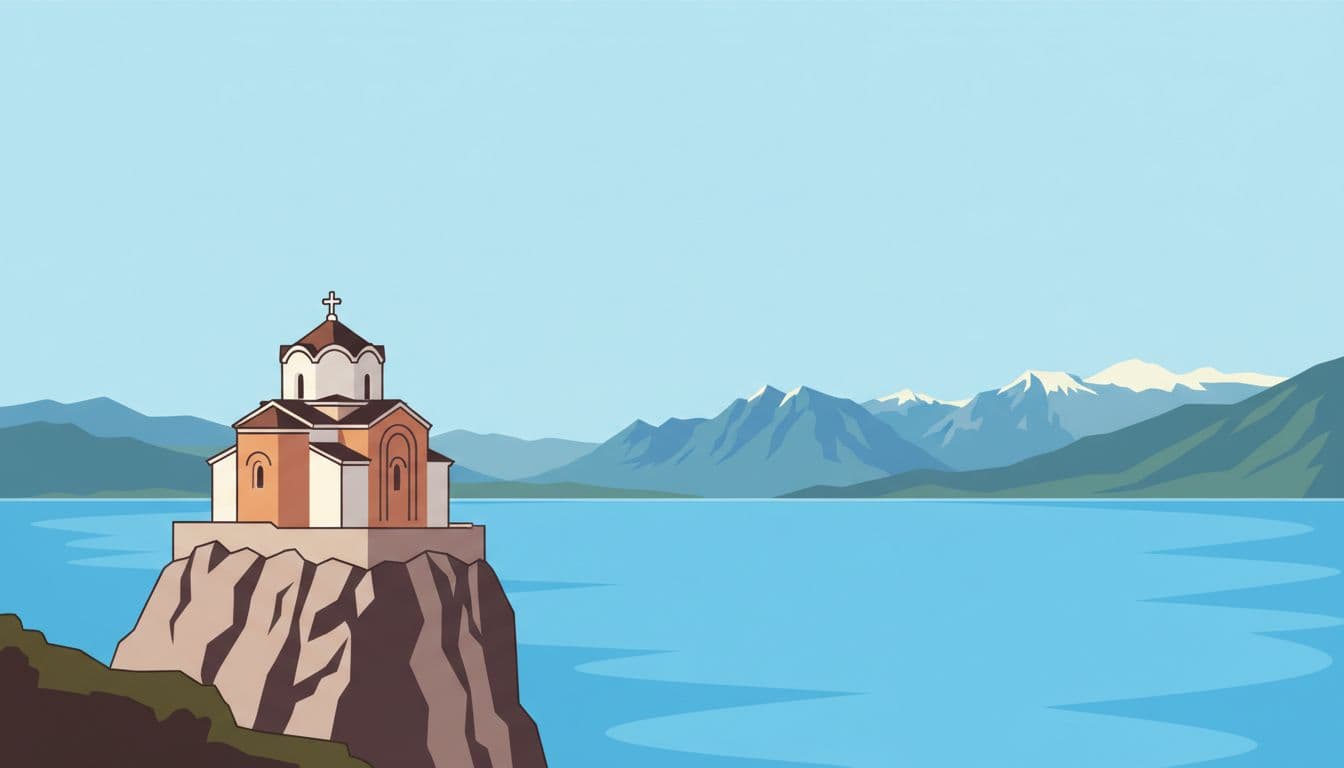
Ohrid is the clearest answer when you want water, height, and a single view that looks finished before you touch the file. The church at Kaneo sits on the cliff edge, and the line between stone, sky, and lake is so strong that even a simple frame feels complete.
Go early.
Morning wins here.
The lake is calmer, the paths are easier, and the light comes in at a softer angle. If you want a deeper route map, the Lake Ohrid photo guide is a handy starting point, especially if you’re planning more than one stop around the shore.
From Samuel’s Fortress, you get a wide sweep of rooftops and water at once, which helps when you want one frame that shows both the town’s shape and the lake’s edge without much cropping later. Plaošnik gives you another angle, with ruins, church walls, and a view that feels closer to the old city core. St. Naum is slower and greener, so it works well if you want a quieter lakeside scene instead of the classic postcard look.
Blue hour.
That small stretch after sunset is when the water goes darker and the cliffside lights start to glow. If you stay for just one more shot, this is the one that often changes the whole set.
Old Town Ohrid, for lanes, arches, and rooftop angles
Ohrid’s old town is where the city turns into layers. The streets are tighter, the houses sit higher on the slope, and the best photos come from small changes in angle rather than one big viewpoint.
A familiar scene in the upper old town goes like this: a shutter opens, a stripe of light lands on the cobbles, and a photographer moves three steps to catch the line before it disappears. That tiny shift often matters more than new gear, because the town gives you texture everywhere, from carved balconies to stone steps and walls worn smooth by time.
For a useful route, the Ohrid Old Town walking tour pairs churches, viewpoints, and narrow lanes in a way that saves time. It also helps when you want to move from a quiet street to a lake overlook without guessing your way around.
Still quiet.
That is the best time for these streets. Early morning gives you empty corners and long shadows, while the late afternoon softens the roofs and makes white walls glow. If you like detail shots, look for door handles, window boxes, iron rails, and the small breaks in the stone where light gets trapped.
Another good reference is Ohrid’s most photogenic corners, especially if you want to stack several viewpoints into one slow walk. In Ohrid, the route matters almost as much as the view.
Skopje Old Bazaar, where texture matters more than distance
Skopje Old Bazaar gives you a different kind of frame. Instead of open water, you get arches, shopfronts, paving stones, and the kind of street pattern that rewards patience. It feels denser than Ohrid, and that density is exactly why it works so well for photography.
Morning light is best here, because the lanes stay cooler and the walls hold sharp lines before the day gets busy. If you’re after street details, the bazaar gives you copperwork, wooden signs, mosque silhouettes, and steps that pull the eye into the frame without much effort.
The strongest pictures often come from simple choices. Stand near a corner and wait for a person to cross the light. Step back for a wider scene when the lane opens. Move in close when a shutter, a rug, or a doorway gives you one clean shape. These small decisions make the bazaar feel alive without turning every shot into a crowd scene.
Morning wins here, too.
Go early.
That small habit helps in almost every old quarter in the country, but it matters most where streets are narrow and light falls in thin strips. If you only have one hour, spend it before lunch.
Lake Prespa for quieter shoreline frames
Prespa is for travelers who want space. It doesn’t have Ohrid’s famous cliffside church or the same polished postcard angle, and that helps if you want something less obvious.
The shoreline is wider, the mood is softer, and the views feel more open. A cloudy sky works well here because it stretches across the lake instead of fighting with reflections. You can build simple compositions with water, reeds, and a distant mountain line, then keep them clean with very little effort.
The silence helps.
Because there are fewer people around, you can wait for ripples to settle or for a bird to cross the frame. That is a small thing, but it changes the pace of the shot. Prespa is not the place for a dramatic checklist. It is the place for patience.
Kratovo, stone bridges, towers, and a slower pace
Kratovo is one of the most rewarding old towns in North Macedonia if you like stone, height, and a town that feels compact enough to explore on foot. Its bridges and towers give you a strong shape right away, and the hills add depth without making the scene feel crowded.
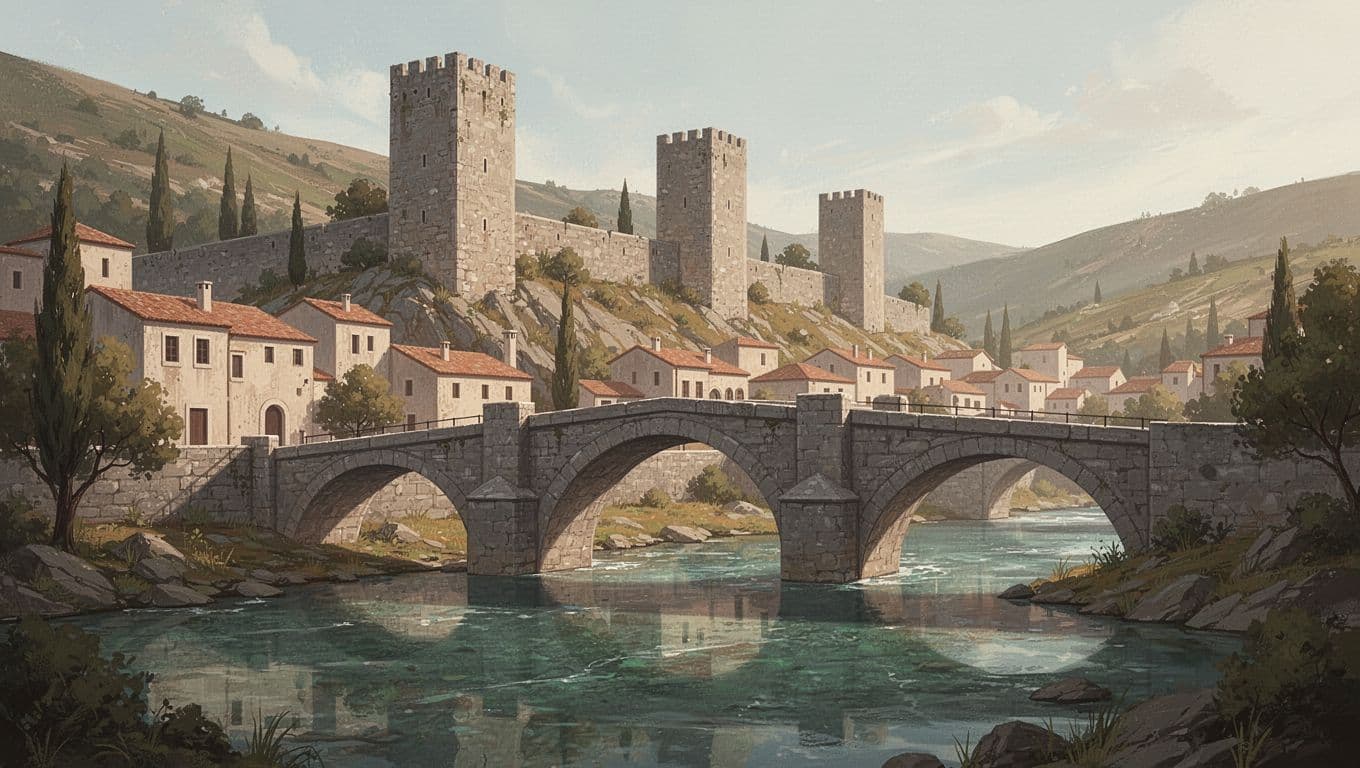
The town works best in softer light, especially when clouds take the edge off the stone and the bridges cast long shadows over the water below. It feels slower.
That helps.
You can move from one bridge to the next without rushing, and that makes it easier to watch how the scene changes with each step. A wide lens helps with the bridge arches, while a tighter lens is useful for tower details, rooflines, and the slope of the streets. Kratovo is also a good stop when you want a place that feels less photographed than Ohrid.
A quiet morning here gives you the most breathing room. Later in the day, the sun can hit the stone hard and flatten some of the texture. If you want depth, aim for side light, then let the shadows do some of the work.
How to plan your light across the country
The best route depends on the kind of frame you want. Water views ask for early or late light, because reflections stay smoother and the contrast stays gentle. Old bazaars and stone streets can handle a bit more cloud cover, since the texture matters more than color.
If you only have one full day, pair Ohrid with Kratovo or the Skopje Old Bazaar, because that gives you a lake, an old town, and a completely different set of surfaces without rushing across the country. If you have two or three days, add Prespa for quieter shoreline shots and stay in Ohrid long enough to catch both sunrise and sunset.
A car helps, but it doesn’t need to shape the trip. In Ohrid, you can work on foot for most of the day. In Skopje and Kratovo, the best frames often sit close together, so slow walking beats fast driving.
Bring one wide lens and one normal lens if you can. The wide lens is useful for Kaneo, the fortress, and the bridges in Kratovo. The normal lens is better for doors, windows, street corners, and the details that make old towns feel real.
Conclusion
North Macedonia works best when you stop treating it like one kind of trip. Its strongest frames sit in contrast, clear water beside stone, broad views beside tight lanes, quiet mornings beside market noise.
If you build your route around that contrast, you get more than a checklist of viewpoints. You get a sequence that changes with the light, and that makes the photos feel connected instead of random.
Would you rather frame Kaneo at sunset or Kratovo in the first pale light?
