
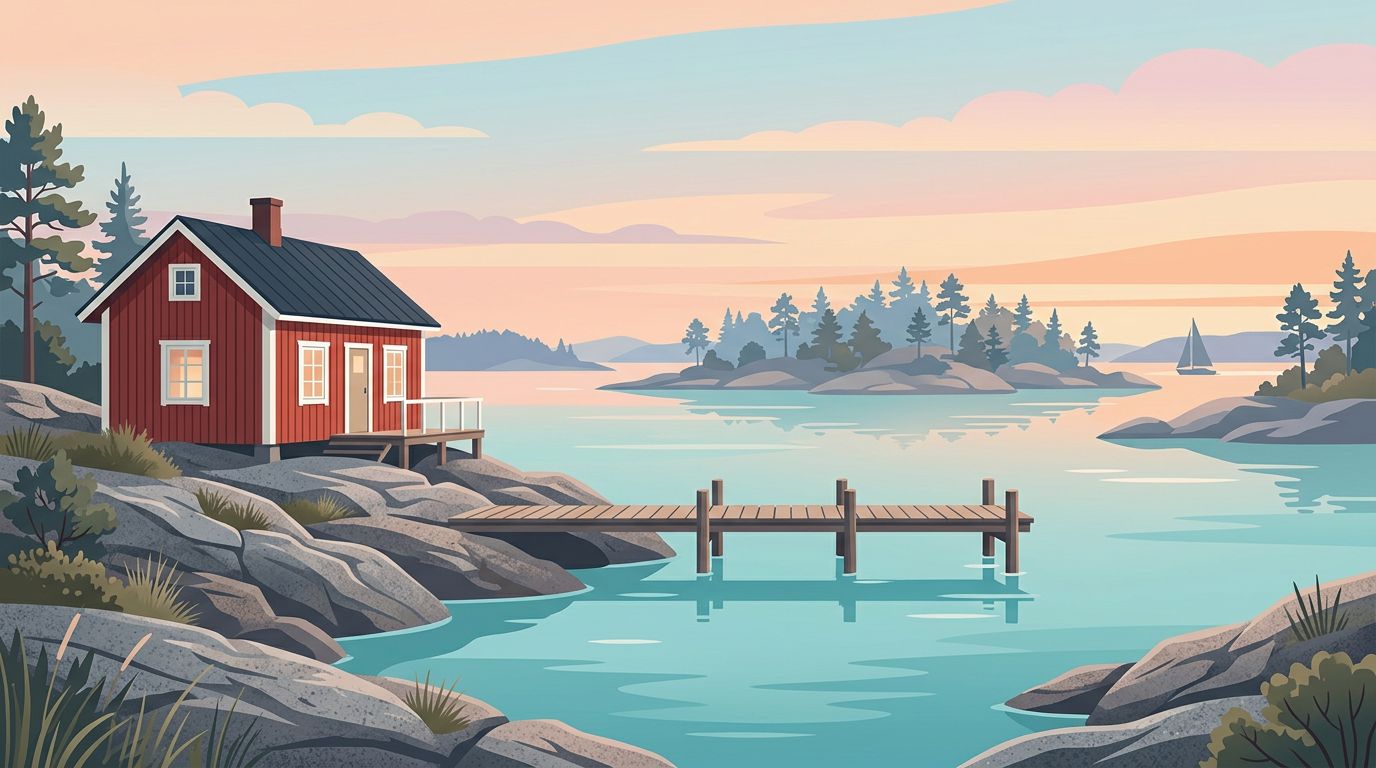
Sweden gives photographers a rare mix: red cottages, clean water, and coastlines that change with every ferry ride. If you want photo spots in Sweden that feel instantly recognizable, this is where the classic scenes live.
The best frames usually come from simple ingredients. One cottage, one dock, one stretch of sea, and a sky that does half the work for you.
You do not need a giant itinerary. You need the right region, a sense of light, and a little patience.
Chasing the Iconic Red Cottage Aesthetic
The red cottage is one of Sweden’s most dependable subjects because it holds up in almost any weather. The color feels warm against stone, grass, water, or snow, and the white trim gives your frame a clean edge.
One July morning in Småland, a delayed ferry left a cove empty for ten minutes. The red cottage across the water looked almost backlit, and the whole scene turned from ordinary to frame-worthy without any extra drama.
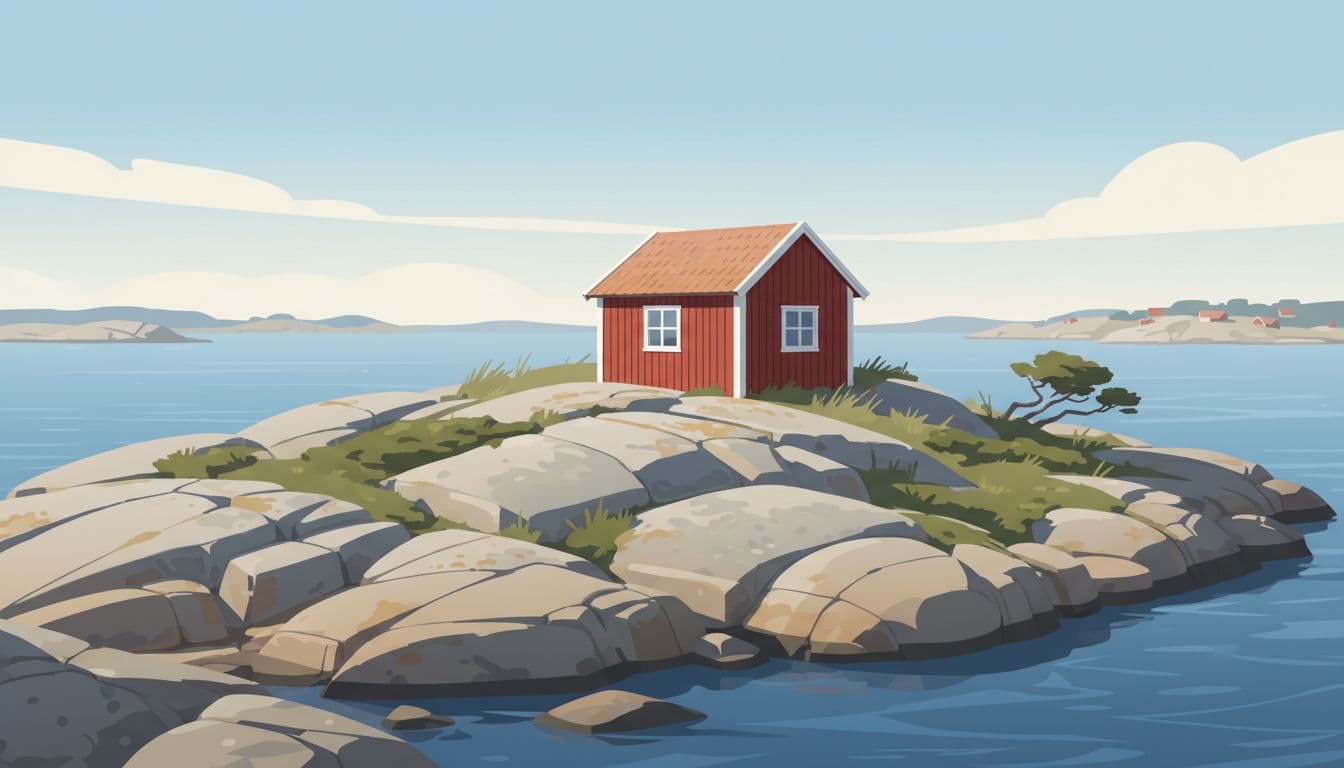
A good red-cottage shot rarely needs much clutter. Keep the lines simple. Let the house sit low in the frame. Give the water room to breathe.
The color also changes with the sky. Under bright sun, the red can look bold and crisp. Under soft clouds, it turns richer and more intimate. That softer look often works better, because it helps the wood grain, roofline, and shadow edges show up without harsh contrast.
Best Photo Spots in Sweden for Red Cottages and Archipelagos
The strongest locations are the ones that give you both subjects in one stop. Cottages alone can feel static. Archipelagos alone can feel wide and empty. Put them together, and the scene gets shape.
| Place | Best for | What to shoot |
|---|---|---|
| Småland | classic red cottages, lakes, forest edges | cottage fronts, small roads, reflections |
| Stockholm Archipelago | island layers, ferries, harbors | boathouses, piers, shoreline silhouettes |
| Tjärö, Blekinge | compact island scenes | red cottages, jetties, rocks, calm water |
| Orust and nearby west coast islands | boathouses, rugged coast | weathered wood, open sea, cliff edges |
| Trysunda | rustic fishing huts | simple island lines, rough textures, low sun |
Småland is the easiest place to start if you want the classic red-cottage look. The region is full of lakes, forest roads, and small buildings that feel settled into the land rather than placed on top of it. That gives you a natural frame without much searching.
Try a wide lens here. It helps you keep the cottage, a strip of water, and a few trees in the same shot. A tight crop can work too, but the wide view tells the story faster.
Stockholm Archipelago for ferry views and island layers
The Stockholm Archipelago is the best option when you want more movement in the frame. Ferries cross the water. Islands stack in the distance. Red boathouses appear at the edge of small harbors, then disappear behind the next bend.
For planning, Rick Steves’ Stockholm archipelago guide is a useful starting point. If you want to group islands efficiently, a map of favorite Stockholm photo locations can also help you decide where to spend your day.
Arholma and Sandhamn are good names to keep in mind. Both can give you that mix of harbor calm and open water that makes a frame feel complete. The farther you get from Stockholm, the more relaxed the pace feels.
Tjärö in Blekinge for a compact island scene
Tjärö is one of the best places for a small, dense composition. The island gives you cottages, jetties, rocks, and water close together, which means you can build a strong image without walking far.
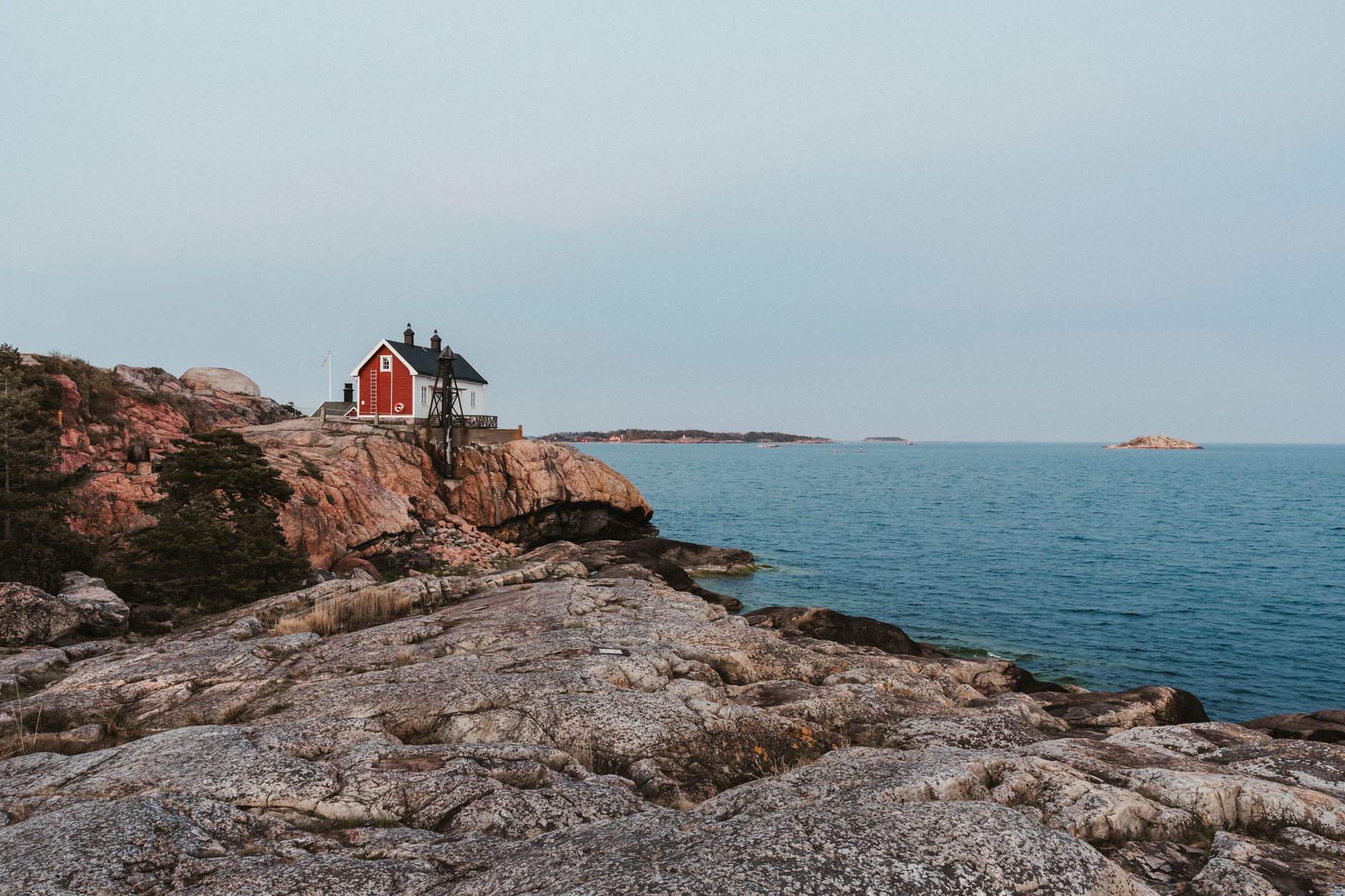
Photo by Masood Aslami
That kind of scene is a gift when the wind is light. The water stays calm enough for reflections, but the rocks and wood still give the frame texture. If you want one place where the red-cottage look meets true archipelago feeling, Tjärö belongs near the top of your list.
Orust and the west coast for weathered coastal detail
The west coast has a different mood. The cottages often feel more exposed, the rocks are grayer, and the sea looks larger. That shift matters, because it gives your photos a rougher edge.
Orust and nearby islands are strong picks for boathouses and shoreline scenes. The buildings sit lower against the coast, which helps them feel grounded. On cloudy days, the muted light keeps the wood tones honest.
Trysunda also deserves attention if you want a more rustic island look. Its fishing huts and weathered surfaces are better for detail shots than for grand panoramas. That works in your favor. A close frame on peeling paint or a low roofline can say more than a wide, busy view.
How to Frame Cottages, Boats, and Water Together
A strong composition in Sweden usually comes down to balance. You want enough land to anchor the subject, but not so much that the cottage disappears into the scene.
Morning first. Ferries later. Light matters.
Look for a dock, a path, or a rock edge that points toward the cottage. That gives the viewer a natural way into the photo. Water can act like a lead-in line, while a boat can add scale without stealing attention.
The best frame often includes less land than you expect, and more water than you planned.
Because many cottages sit low beside water or forest, the best frame often combines a roofline, a dock, a strip of sea, and a little empty space that lets the color breathe. That empty space is useful. It keeps the red from feeling boxed in.
Keep an eye on reflections too. Calm water can mirror a red wall or a white window frame, which gives you a second shape inside the shot. On breezier days, the reflection breaks apart, and the texture can be just as useful.
A quick shooting checklist helps in the field:
- Put the horizon low when the sky is dull.
- Use rocks or docks as leading lines.
- Include a human-scale object when possible.
- Move a few steps left before you shoot.
That last point matters more than people think. A small shift can move a roofline away from a tree trunk or open a gap between two islands.
Best Light, Weather, and Gear for These Scenes
Sweden rewards early starts. The harbors are quieter, the ferries are less crowded, and the light has a softer angle. Go early.
Overcast skies help the red paint stay rich. They also reduce glare on water and windows. If you visit on a bright day, look for partial shade or wait until the sun drops lower.
A polarizer can help with water reflections, especially on the archipelago. A tripod is useful if you want to stay low in the blue hour. A mid-range zoom also gives you options, since some scenes need context and others need a tighter crop.
When the wind picks up, the archipelago turns from mirror to texture, and that change can give your photos more shape without asking you to chase perfect stillness.
The best months often depend on the look you want. Summer gives you long evenings and easy travel. Late spring and early autumn can feel calmer, with fewer boats in the frame and softer colors on shore.
If you are planning multiple stops, check ferry times before you go. Short crossings can shape your whole day. A missed boat can mean a missed light window.
Conclusion
Sweden works so well for this kind of photography because the scenes stay simple and clear. A red cottage on a rocky shore, a small island jetty, a ferry crossing at dusk, these are easy subjects to recognize and hard ones to forget.
If you want the strongest results, choose one region and stay with it long enough to watch the light change. The red cottages at Sandhamn, with a pale sky and a dock edge in the foreground, can be worth the whole trip.
