
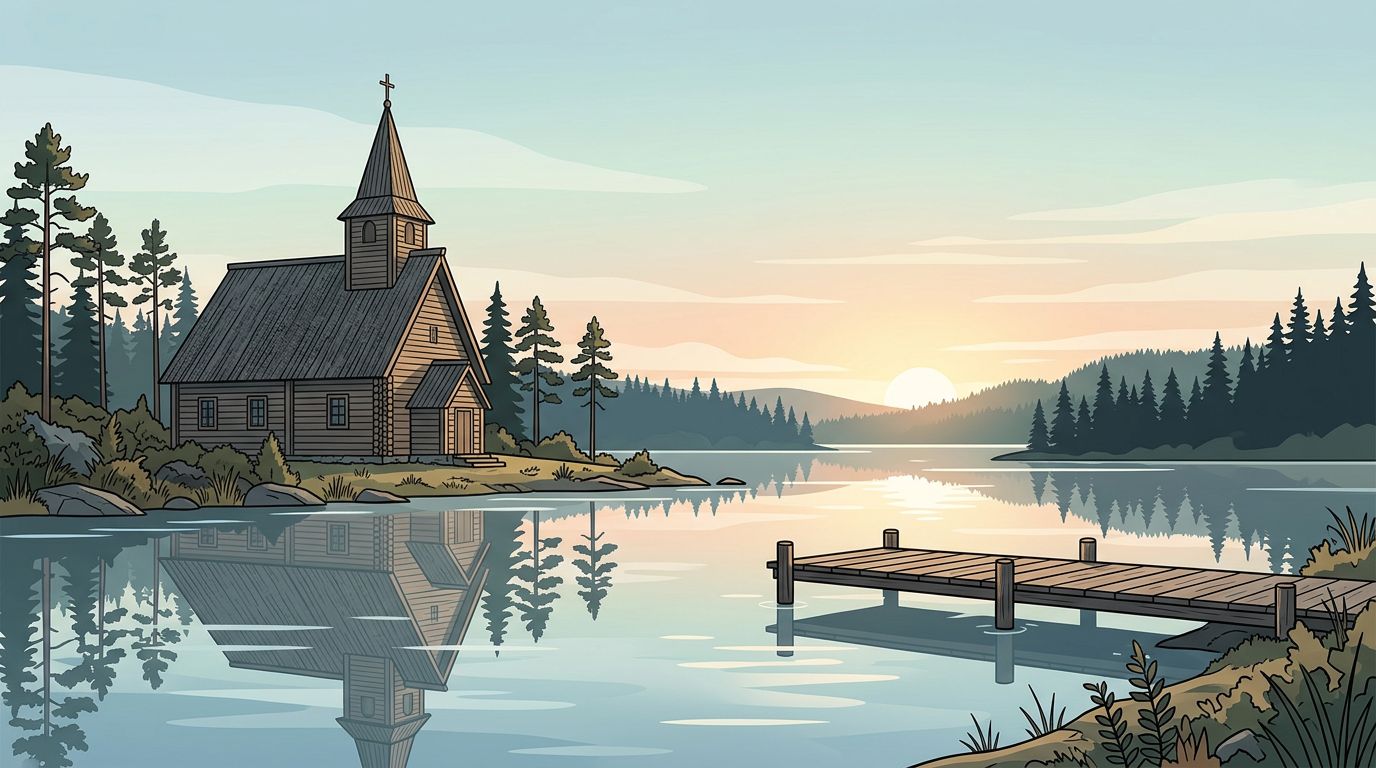
Finland gives you two gifts in one frame, still lakes and wooden churches with weathered boards and steep roofs. Put them together, and even a simple road stop can feel like a scene you meant to find.
If you’re mapping the best photo spots in Finland, start where the shore stays clean and the building has room to breathe. The strongest frames are rarely crowded. They need water, timber, and a little patience.
Finding the first frame in Finnish lakes
The easiest compositions in Finland share one trait, a clear shape against open water. A church roofline gives you height, while a lake gives you space, and the balance keeps the image from feeling busy.
Look for a low shore, a narrow pier, or a gap between trees. Those small openings matter more than a grand viewpoint. They give the building room to sit in the frame.
Calm water. Then the church. That order works because the eye settles before it climbs.
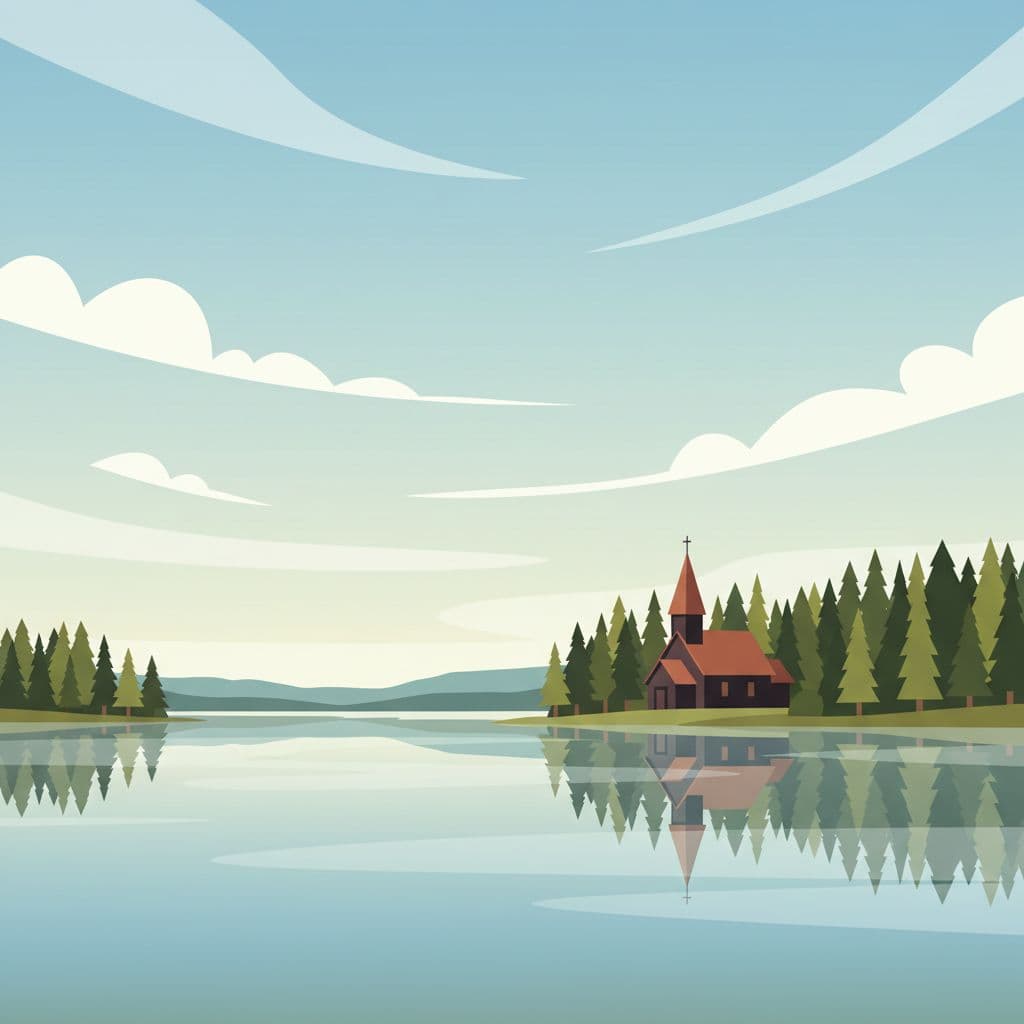
On a windy day, move closer to the shore and wait. A little patience can turn a plain bank into a mirror. If the scene feels empty, that may be the point. Finland often looks best with space left in it.
Petäjävesi Old Church rewards patience
Petäjävesi Old Church is one of the cleanest starting points for a wooden church photo. It is a UNESCO World Heritage site, yet it feels modest, which helps the pictures. The log walls, small windows, and dark roof make sharp lines against the trees and the quiet lake country around it. For more background on the site, see this Petäjävesi Old Church guide.
One photographer waited there after a brief shower. The road went quiet, the water flattened, and the church reflected so cleanly that the shoreline almost disappeared. That kind of moment is why this stop stays useful year after year.
At Petäjävesi, stand a little off-center. A low angle gives the logs weight. Keep the sky plain if the light is harsh. If clouds move fast, let them fill the upper half and keep the church low in the frame.
When the path and the water line both stay simple, the old building carries the frame without help. That is the trick here. Not size. Not drama. Just clean lines and enough quiet to let them show.
Kerimäki Church and Saimaa give scale
Kerimäki Church changes the mood. The building is enormous, so the shot becomes about scale, not delicacy. You want the roofline, the trees, and the water to sit in one clean sweep. If you’re building a route around churches and lakes, these Finland church route ideas are a useful starting point.
The Lake Saimaa area works best when you give the church some air. A dock, a road edge, or a narrow strip of shoreline can ground the scene. When the evening light turns warm, the pale wood can glow without looking yellow, and the pines make the roofline read clearly from a distance. That long stretch of light matters because it gives you time to try a wider frame, then a tighter one, then another angle after the sun drops a little lower.
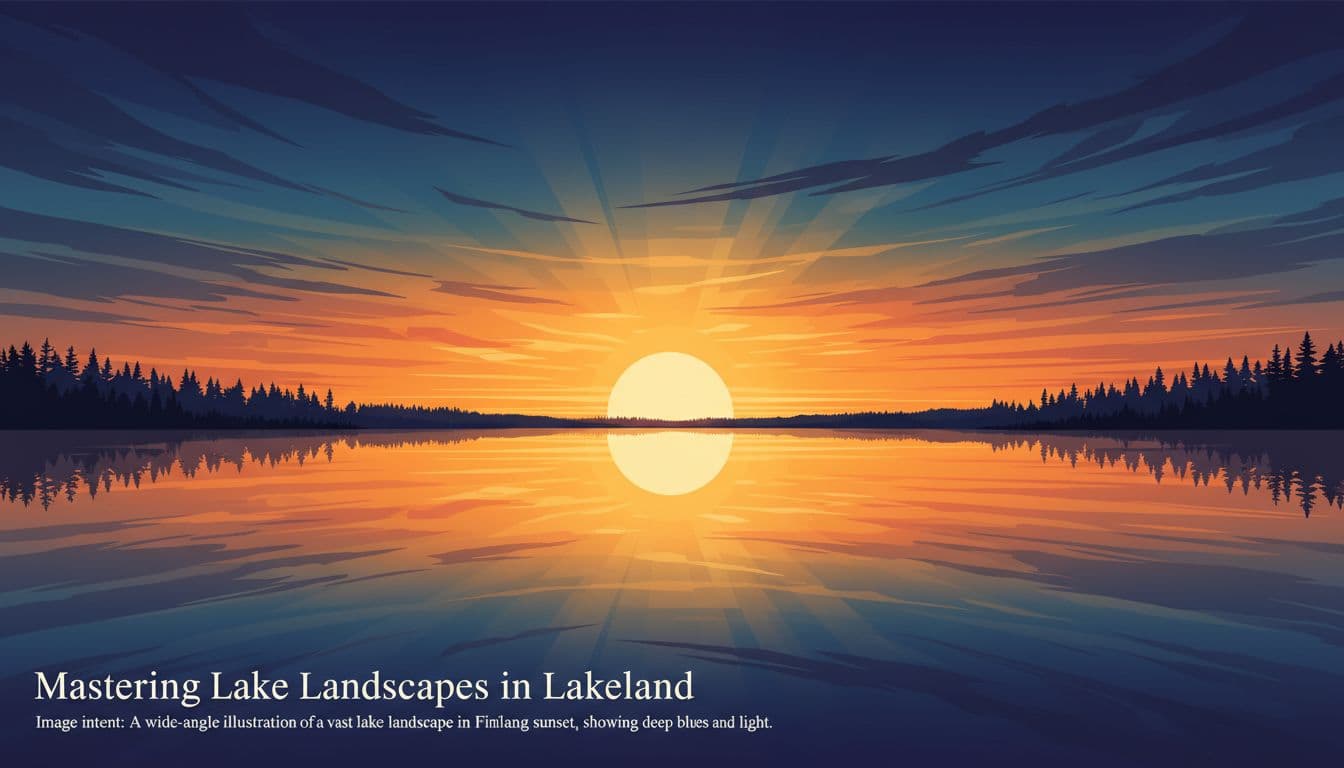
Step back farther than feels natural. Then step back again. The building needs room, and Saimaa gives it that. If the church fills the frame too fast, the scene loses its breath. Wide views work better here than tight ones, especially when the water stays flat and the sky turns soft.
Quiet lakes often beat famous overlooks
Some of the best photo spots in Finland are not marked at all. They are the small bays, ferry landings, and roadside pullouts that sit between the famous names. Finnish Lakeland is full of them.
A friend of a local guide once pulled over near a narrow inlet south of Savonlinna and waited only ten minutes. The wind dropped. The reeds stopped flicking. A plain strip of shoreline became the best frame of the day. Nothing dramatic happened. The lake did the work.
That is why slow road travel pays off. The map shows one church and one lake, but the real frame often sits two bends away. A dark rock, a mooring post, or a line of reeds can save a wide shot from feeling empty. With one strong anchor, the water gets a place to rest.
If you are chasing clean reflections, stop more often than feels necessary. The next pullout may be the one where the surface finally goes still.
Light, weather, and timing that matter
Light changes the whole trip. On clear summer evenings, the lake can hold color for a long stretch, and the timber on a wooden church takes on a warmer edge than it has at noon. Overcast skies do a different job. They soften contrast, which helps the wood grain and the roof shape stand out.
Cloud can help. It softens timber and keeps reflections honest.
In shoulder seasons, the roads are quieter and the air often feels sharper. That means cleaner separation between shore, trees, and church walls. Winter brings its own look, with snow brightening the ground and dark wood standing out against a pale field. If you shoot in cold weather, keep gloves you can work in and use a lens cloth often. Cold lenses collect moisture fast.
Go early.
Bring a tripod.
Wind changes everything.
When the sky stays bright late into the evening, a church can sit in soft side light long enough for several compositions, which gives you room to wait for one more reflection without losing the calm mood that brought you there in the first place.
Conclusion
Finland works best when you let the lake lead and the church anchor the shot. That mix gives even a quiet roadside stop a clear shape.
Petäjävesi is the clean classic. Kerimäki brings scale. The small bays between them often give the most natural frames.
If one image stays with you, let it be a wooden church beside a still bay in late light, with the shoreline almost invisible. Which shoreline would you park at first, the one below Petäjävesi’s log walls or the one under Kerimäki’s tall roof?
