
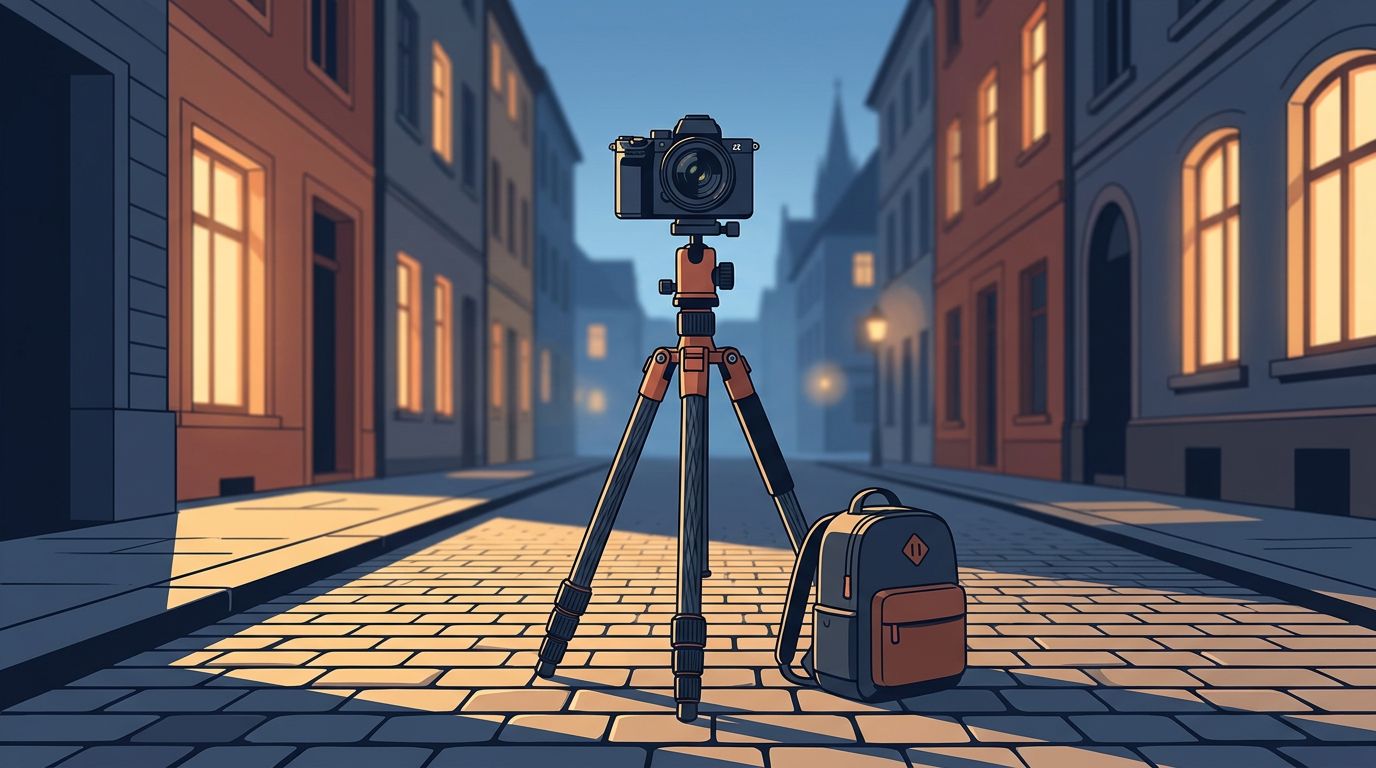
A reliable travel tripod earns its place when blue hour arrives and your hands are already full of camera gear. Lightweight travel tripods let you capture sharp architecture, steady video, and self-portraits without turning a weekend bag into a burden.
European streets add their own demands: cobbles, crowded viewpoints, narrow staircases, and museum-sized hotel rooms. The right compact camera tripod needs to pack small, open quickly, and stay stable when the light fades.
Key Takeaways
- A travel tripod weighing under 3 pounds is comfortable enough for full days spent exploring on foot.
- Maintaining a short folded length is just as important as weight for fitting gear into standard carry-on bags and compact camera backpacks.
- Choosing carbon fiber helps cut overall weight and dampens vibration, while an aluminum tripod often offers better value for budget-conscious photographers.
- The Peak Design travel tripod is an excellent choice for frequent travelers who prioritize the smallest packed shape available.
- Brands like SIRUI, K&F Concept, Neewer, Vanguard, and Manfrotto offer practical alternatives at lower price points.
Why a City-Break Tripod Needs Different Priorities
A large studio tripod can hold heavy cameras with ease. However, it becomes dead weight after a long climb to Lisbon’s Miradouro da Senhora do Monte or a rushed change between Paris Metro lines.
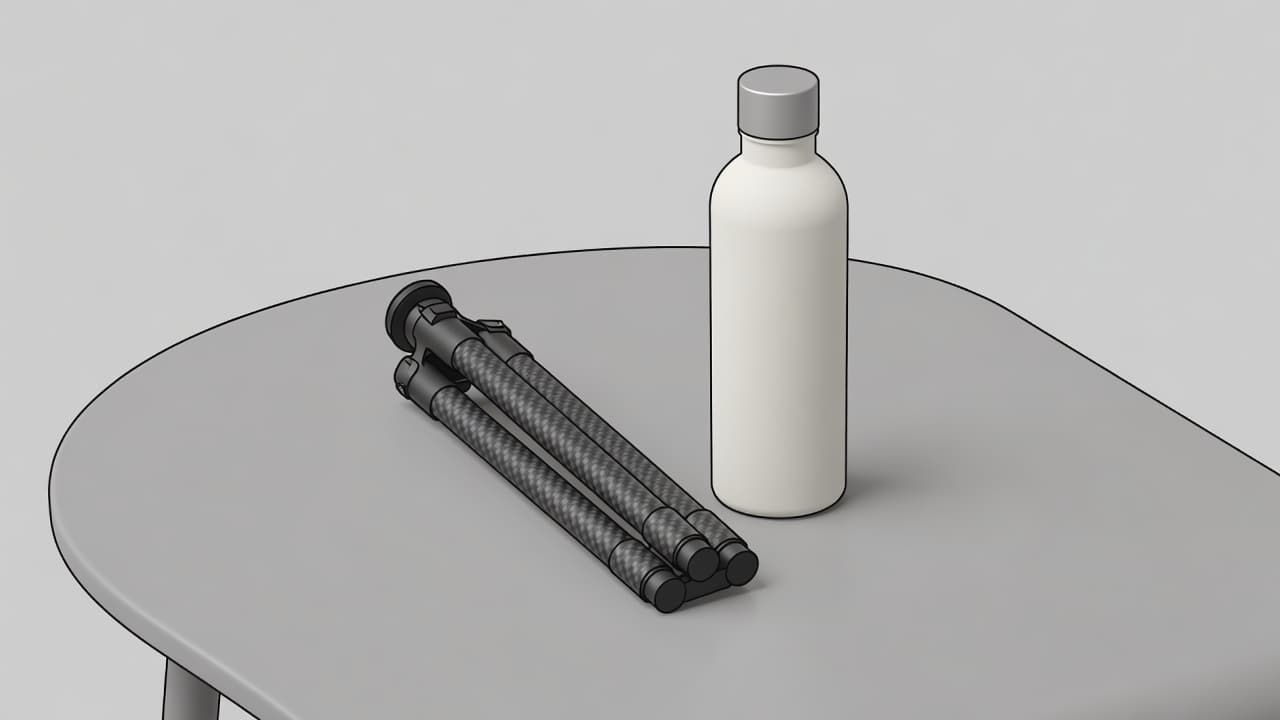
Carry-on space disappears fast. A tripod that folds below 17 inches can fit inside many travel backpacks or strap securely to the outside. That matters when you still need room for a rain shell, power bank, lens, and water bottle.
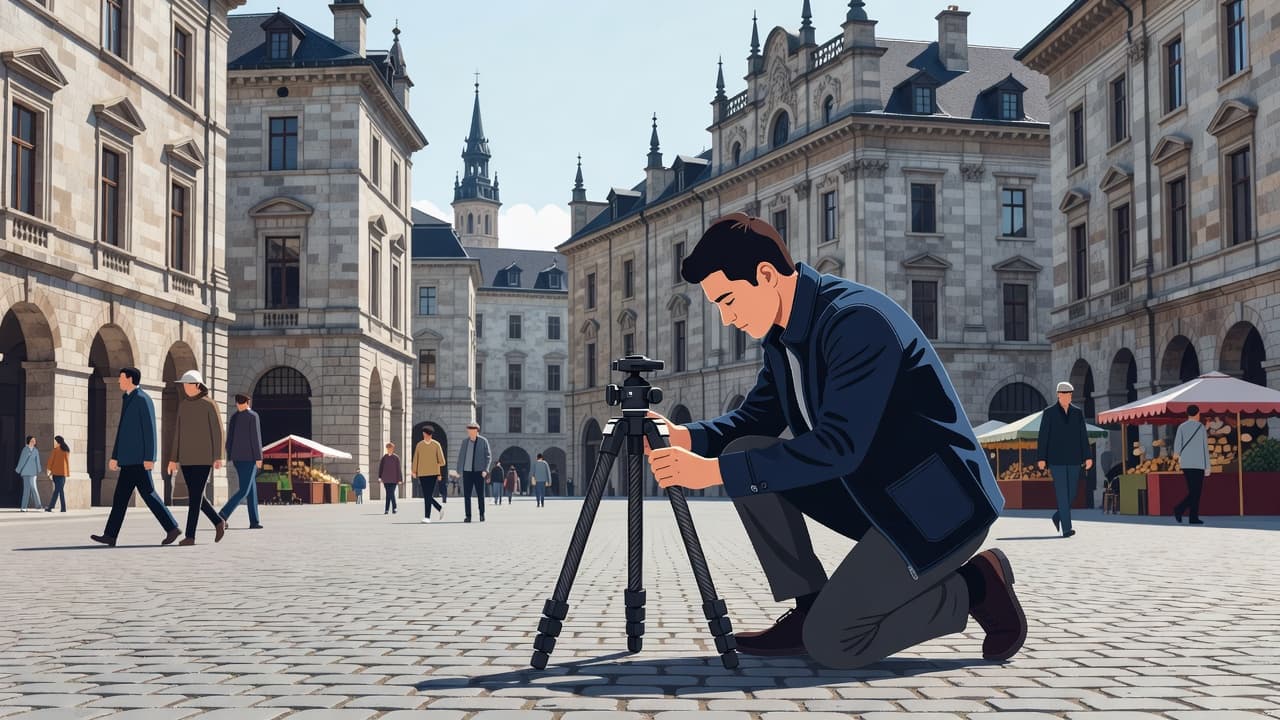
For city photography, height is useful but not everything. A low angle often works better for canal reflections in Amsterdam or a foreground-heavy view of Barcelona’s tiled streets, which is a technique often used in professional landscape photography. Look for legs that spread wide and a center column that can reverse or detach to achieve these unique perspectives.
Stairs are everywhere. So are railings, benches, and uneven paving stones, which is why you need a tripod that offers high levels of stability and durability despite its small size.
On a wet November evening in Lisbon’s Praça do Comércio, a photographer traveling with a small mirrorless camera set up beside the arcade while others held phones against a stone column. Their compact tripod made a 2-second exposure possible, turning passing headlights into soft trails around the square.
A travel tripod should feel easy to bring at 10 a.m. and indispensable at 10 p.m.
Public-space rules also deserve attention. Many European landmarks restrict tripods because they can obstruct walkways or resemble commercial equipment. Check the official visitor rules before carrying one into places such as the Louvre, the Vatican Museums, or major cathedral interiors.
The Specifications That Matter on European Streets
Start with folded length. A tripod that collapses to 15 or 16 inches is much easier to manage than one that reaches 20 inches, even if the maximum height remains similar. Both the K&F Concept 64-inch carbon fiber model and the Neewer LT32 serve as a budget travel tripod, with the former folding to about 15.3 inches and the latter to around 17 inches.
Weight is the most critical factor for portability. For long days of walking, a weight between 2 and 2.6 pounds is ideal for a mirrorless setup. While a carbon fiber tripod is lighter and stays comfortable to hold during cold winter shoots, an aluminum tripod is a durable alternative that offers great build quality for a lower price. Carbon fiber is generally superior at dampening vibrations, which helps when shooting long exposures in crowded city squares.
Pay close attention to the head. A ball head is perfect for fast-paced street photography, but if you want to capture smooth video clips, you might prefer a compact fluid head for controlled pans. If you primarily shoot vertical reels, ensure your ball head features a dedicated portrait notch, which allows you to switch orientations without forcing your camera into an awkward or unstable position.
Do not rely solely on the stated load capacity when choosing your gear. A 26-pound rating does not mean a 2.6-pound tripod will perform perfectly with a heavy camera and long lens when you are shooting from a windy bridge. Finally, prioritize models with high-quality twist locks. These keep the legs compact, preventing them from snagging on your bag, and allow for a quick setup. Look for locks that require only a short twist to engage, which makes a significant difference when you need to capture a fleeting sunset before the light disappears.
Lightweight Travel Tripods Worth Packing
The strongest choice depends on your camera, budget, and how often you expect to use the tripod. Recent tripod testing from TechGearLab includes the SIRUI Traveler 5C and Vanguard VEO 3GO 235CB among its travel-focused options, while broader independent tests show why a high-quality travel tripod can suit different shooting habits.
| Tripod | Weight | Packed size | Best fit |
|---|---|---|---|
| SIRUI Traveler 5C | About 2.09 lb | Compact | Mirrorless shooters seeking value |
| Peak Design Travel Tripod | Varies by version | Very compact | Frequent flyers and hybrid creators |
| K&F Concept 64-inch Carbon Fiber | About 2.53 lb | About 15.3 in | Small-bag travelers on a budget |
| Neewer LT32 | About 2.6 lb | About 17 in | Taller users and heavier kits |
| Vanguard VEO 3GO 235CB | Lightweight carbon fiber | Compact | Travelers wanting flexible features |
| Manfrotto Befree Advanced Carbon | Lightweight carbon fiber | Compact | Photographers who prefer familiar controls |
The SIRUI Traveler 5C is a strong all-rounder for a mirrorless camera and standard zoom. Its 11-pound load capacity gives it enough headroom for common travel kits, and its low weight helps it disappear into a daypack. A travel-tripod discussion among photographers also reflects its appeal as an affordable carbon fiber option that offers much more stability than a standard mini tripod.
The Peak Design Travel Tripod is the premium choice for people who hate bulky tripod shapes. Its legs nest tightly around the center column, and its quick setup system ensures you spend less time adjusting and more time shooting. Because it takes up very little space, it is the perfect travel tripod to pack in your carry on luggage. It costs far more than the alternatives, but its packed form is hard to match when every centimeter of space counts.
The K&F Concept 64-inch carbon fiber tripod makes sense if compact storage is your first concern. At about 15.3 inches folded, it fits easily in a compact backpack. Its taller maximum height also helps when you want the camera at eye level for video, although a raised center column can reduce stability compared to a more rigid mini tripod.
For a larger mirrorless body, the Neewer LT32 offers an appealing balance. It reaches 62 inches and has a stated 26.5-pound load capacity. Still, use its lowest practical height for night photography, especially on stone bridges or open plazas where gusts can shake a lightweight setup.
The Vanguard VEO 3GO 235CB offers a feature-rich alternative with a travel-friendly form. Its design suits photographers who want more than basic legs, yet do not want a large landscape tripod. Before buying, compare the included head and quick release plate with your existing camera gear to ensure everything is compatible.
Gitzo sits in a different price category. The Gitzo Lightweight Series 2 Traveler weighs just over 4 pounds but carries up to 26.4 pounds, according to a professional travel-tripod comparison. It is overkill for a phone, though it makes sense when you travel with professional camera gear and heavy lenses.
Set Up Faster and Shoot More Reliably
Use the center column sparingly to maximize stability and durability. Extend the thickest leg sections first, then add the narrow lower sections only when you need them. That simple habit keeps a travel tripod much steadier on uneven cobbles. When shooting a long exposure, avoid extending the center column to the maximum height if it is windy, as this significantly increases the chance of vibration.
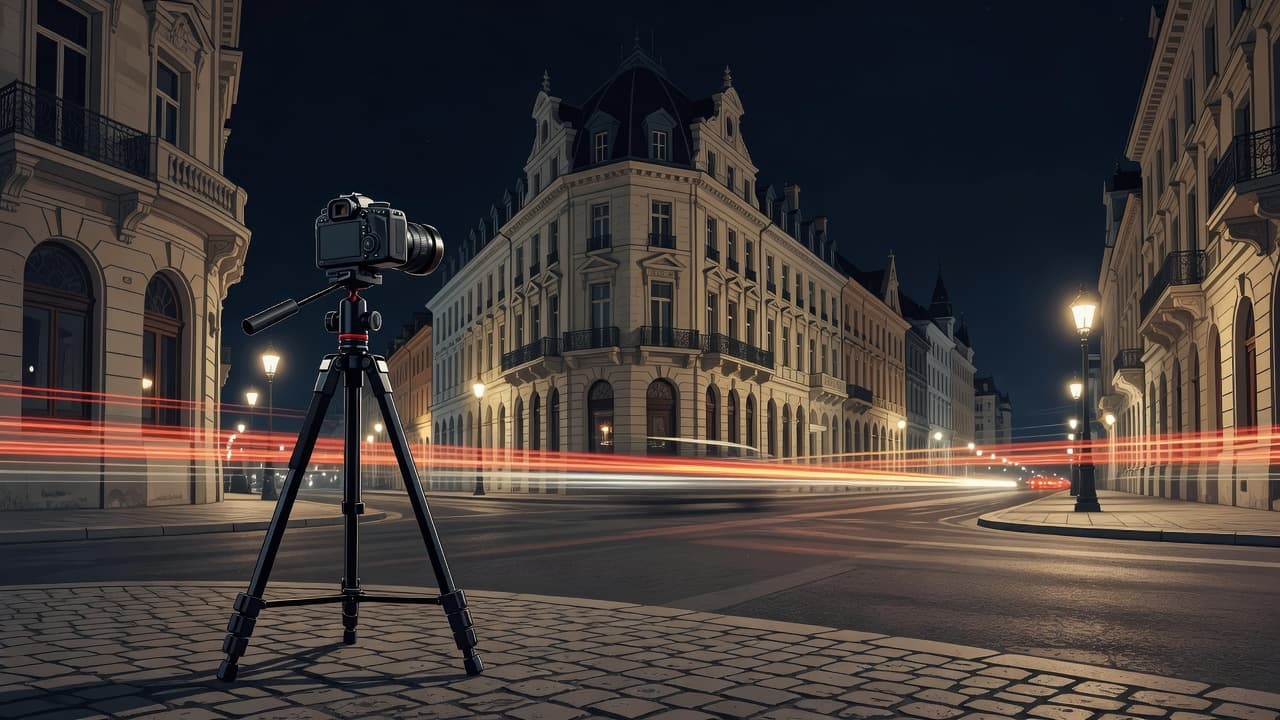
For long exposures, switch off image stabilization if your camera manufacturer recommends it for tripod use. Use a two-second self-timer, remote release, or phone app so your finger does not introduce shake. A small microfiber cloth helps too, because damp sea air and city drizzle leave droplets on lenses quickly.
Keep the tripod footprint modest in busy streets. Place one leg toward the direction your camera points, then avoid blocking doorways, cycle lanes, and narrow pavements. In crowded locations, work near the edge of a square or return at dawn.
Mobile creators should also check phone compatibility before leaving home. If you want to travel light, a dedicated vlogging tripod or a compact mini tripod can be a great addition to your kit. Alternatively, a flexible GorillaPod offers a versatile way to mount your device for vertical video, talking-head clips, or a timed self-portrait.
Gitzo’s professional travel-tripod guidance is useful for understanding the trade-off between packed size, leg diameter, and payload. When shopping, prioritize build quality, as these structural details matter far more than a headline maximum height.
Frequently Asked Questions
Is carbon fiber worth the extra cost for a travel tripod?
Carbon fiber is highly recommended for travel because it is significantly lighter than aluminum while providing superior vibration dampening. This extra stability is particularly beneficial for long-exposure photography in windy city squares, making it a worthwhile investment for serious travelers.
Can I take my travel tripod through airport security?
In most cases, you can carry a compact tripod onto a plane as your personal item or within your carry-on luggage. However, because policies can vary by airline and country, it is always a good idea to check your specific airline’s carry-on regulations before heading to the airport.
How much height do I really need for city photography?
While a tall tripod is useful for eye-level shots, many of the best travel perspectives are actually captured from lower angles. Prioritize a tripod that offers stable, wide-spreading legs or a reversible center column rather than focusing solely on maximum height, as this will help you capture unique street views and reflections.
Will a lightweight tripod support a professional camera with a large lens?
Most lightweight travel tripods are designed for mirrorless bodies and standard zoom lenses, so be cautious when using heavy professional glass. Always check the load capacity, but remember that a high weight rating does not guarantee stability in windy conditions when the legs are fully extended.
The Right Tripod Makes Night Shots Possible
Choose a tripod you won’t resent carrying through airports, stairwells, and cobbled lanes. For most European city breaks, a carbon fiber model weighing around 2 to 3 pounds with a folded length below 17 inches hits the practical sweet spot for any traveler.
The SIRUI Traveler 5C and K&F Concept options suit lighter budgets, while Peak Design is ideal if you prioritize the smallest packed shape to fit inside your travel backpack. Because these lightweight travel tripods are so portable, you can pack them beside your water bottle and deploy them quickly when the streetlights come on. Using a reliable travel tripod allows you to capture sharp long exposure images that would be impossible handheld, ensuring you get the most out of your camera gear during evening shoots.
