
At first light in South Tyrol, the peaks turn pale pink, the lakes hold still as glass, and thin fog drifts through the meadows. It’s the kind of place that can stop you in your tracks, then make you reach for your camera before the sun clears the ridge.
That’s why South Tyrol draws landscape photographers from all over. You get the sharp limestone walls of the Dolomites, wide alpine pastures, mirror-like lakes, and a rare amount of easy access to big mountain views, often without a long approach. Still, the region can be tricky to shoot well because light changes fast, famous spots fill up early, and some locations suit a tripod-heavy sunrise session better than a quick roadside stop.
This guide keeps things practical. You’ll find the best photo spots in South Tyrol, the best times to shoot each one, what crowds are usually like, and which places fit your style best, whether you want easy icons, quiet meadows, or dramatic peaks. Start with the locations that give you the strongest images for the least stress, then build from there.
What makes South Tyrol so good for landscape photography
South Tyrol is easy to read through a viewfinder. You get hard rock, soft grass, still water, and small human touches in the same scene, often without much effort. That contrast gives photos both scale and feeling, which is why the region works so well for landscape photography.
Light helps, too. Early morning and late evening usually bring softer color, longer shadows, and fewer people on the trails. Across the year, the look shifts fast, from rich summer greens to gold larches, winter snow, and spring scenes where thaw and storm clouds can change the whole mood in an hour.
The mix of peaks, meadows, lakes, and huts gives every frame depth
In South Tyrol, strong composition often comes built in. A patch of grass, flowers, or a weathered fence can anchor the foreground. Then a lake, pasture, or hut fills the middle ground. Behind it all, the Dolomite walls rise like a stage backdrop. You don’t have to force layers here, because the land already stacks them for you.
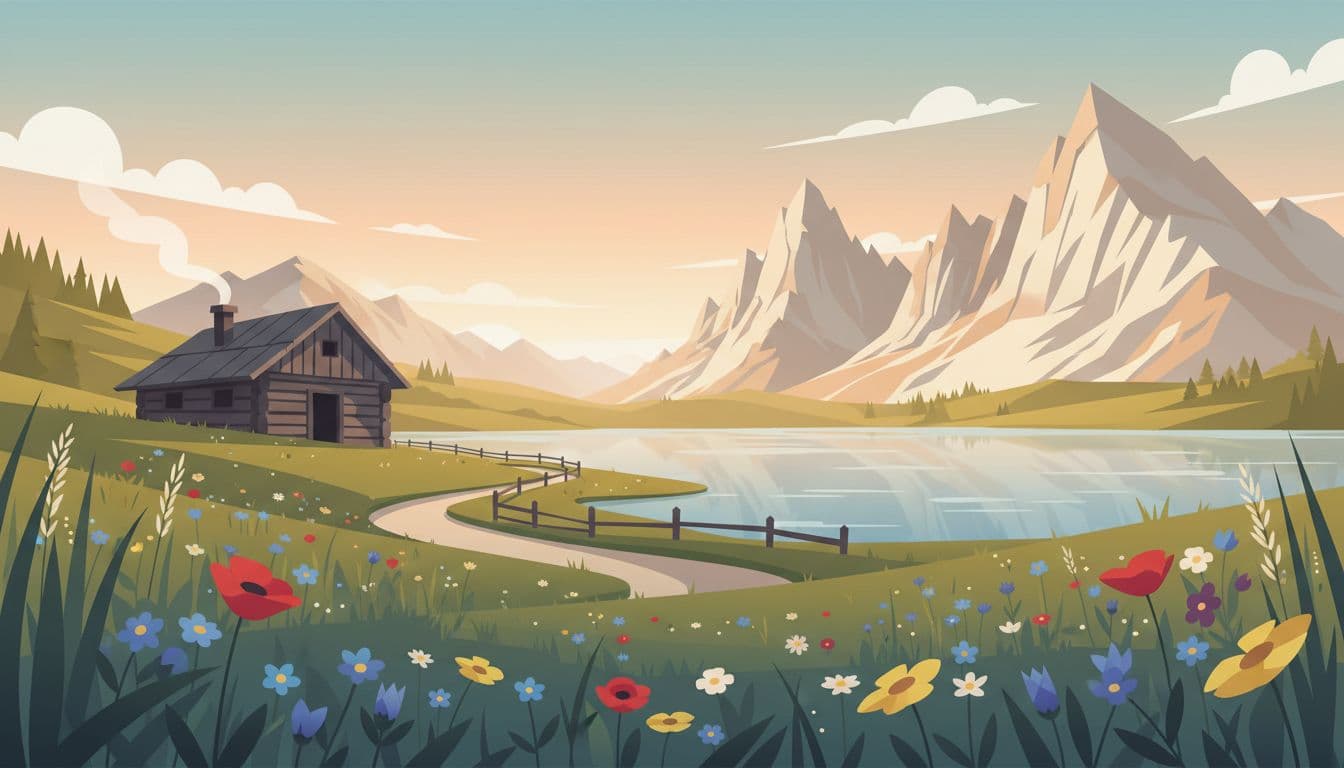
That matters because flat images often come from flat scenes. In South Tyrol, even a simple setup can feel deep and balanced. A hut gives the eye a stopping point. A meadow leads you inward. A peak finishes the story. If you want to sharpen your eye for this, this guide to landscape photography composition is useful background.
Small details also help with scale. A tiny chapel, a line of hay huts, or a single tree makes huge mountains feel even larger. That’s one reason famous spots here still produce fresh images. The scenery gives you structure before you even raise the camera.
The best frames in South Tyrol usually have clear layers, not just a pretty peak.
The best season depends on the look you want
South Tyrol changes mood with the calendar, so the best time to shoot depends on the kind of image you want. Summer is full and bright. Meadows turn deep green, wildflowers spread across the high pastures, and lakes look clear and saturated. If you want lush color and classic alpine scenes, summer is hard to beat. InfoDolomites’ seasonal overview gives a good sense of how the region shifts through the year.
Fall feels softer and richer. Larch trees turn gold, grass dries to warm amber, and morning mist shows up more often in valleys. This is when South Tyrol starts to look painterly, especially around open meadows and church viewpoints.
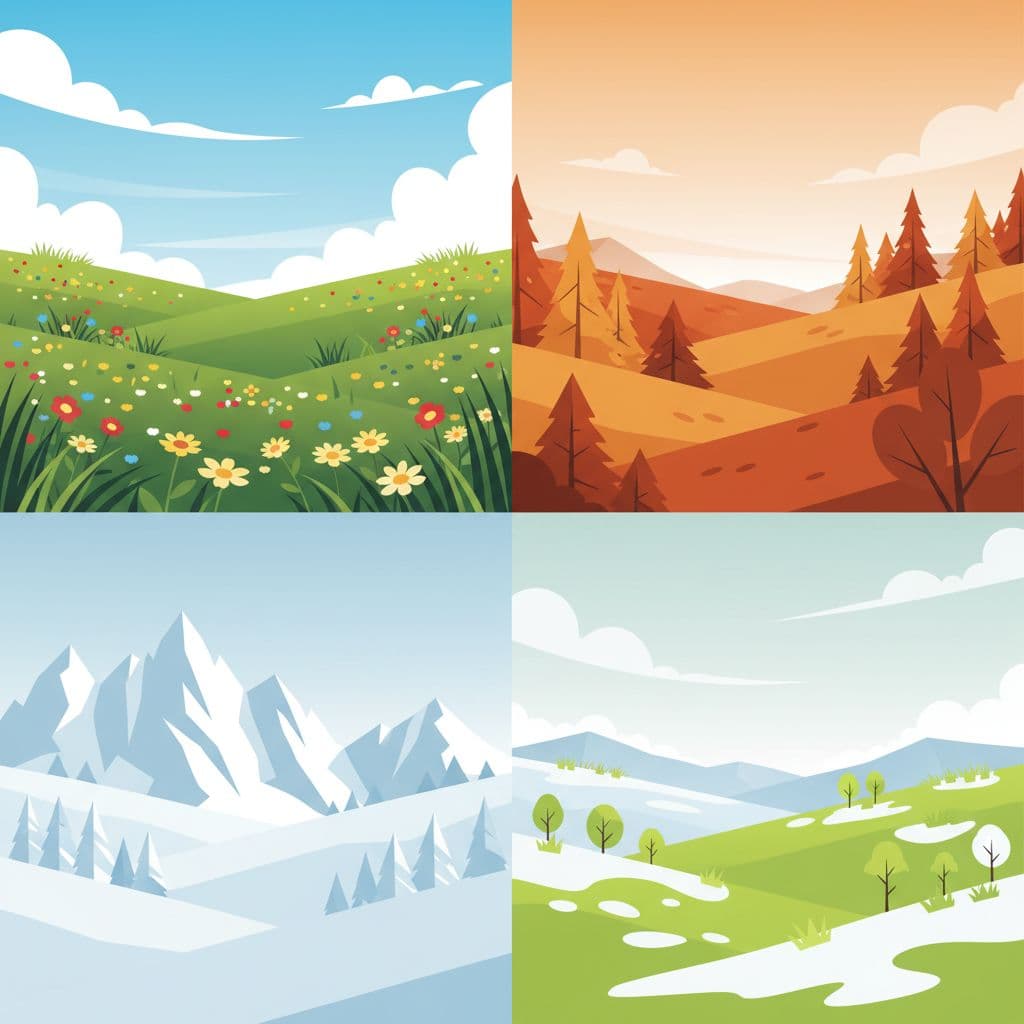
Winter strips the scene down. Snow covers the clutter, lakes freeze, and the shapes of ridges, trees, and huts stand out with clean lines. If you like simple, graphic images, winter gives you that. Spring is less settled, but that’s part of its charm. You can get fresh greens below, snow high above, and dramatic cloud breaks between storms.
A simple way to choose:
- Summer suits green fields, flowers, and easy access.
- Fall suits gold larches, warm tones, and quieter scenes.
- Winter suits minimal frames, snow texture, and strong contrast.
- Spring suits mixed conditions, fresh color, and moody weather.
For many photographers, the sweet spot is not one season but one kind of light. Soft sunrise and calm evening light almost always make these places look better.
The iconic South Tyrol photo spots worth planning a whole trip around
Some places in South Tyrol are more than pretty stops on a route. They are the reason people book the trip in the first place. These are the views that show up on postcards, screensavers, and camera rolls for good reason, because the scenery is huge, the shapes are clean, and the light can turn familiar scenes into something unforgettable.
If you want the proven classics, start here. Each spot below gives you a distinct look, strong access, and a clear payoff for photographers who time it well.
Tre Cime from Dreizinnen Hut for the classic jagged Dolomites view
The view near Dreizinnen Hut is one of the best-known compositions in the Dolomites. The Three Peaks rise like stone blades above the plateau, and the hut area gives you a clean, readable frame with rock, trail, and sky all working together. It feels bold even before the light gets good, which is why so many photographers keep coming back.
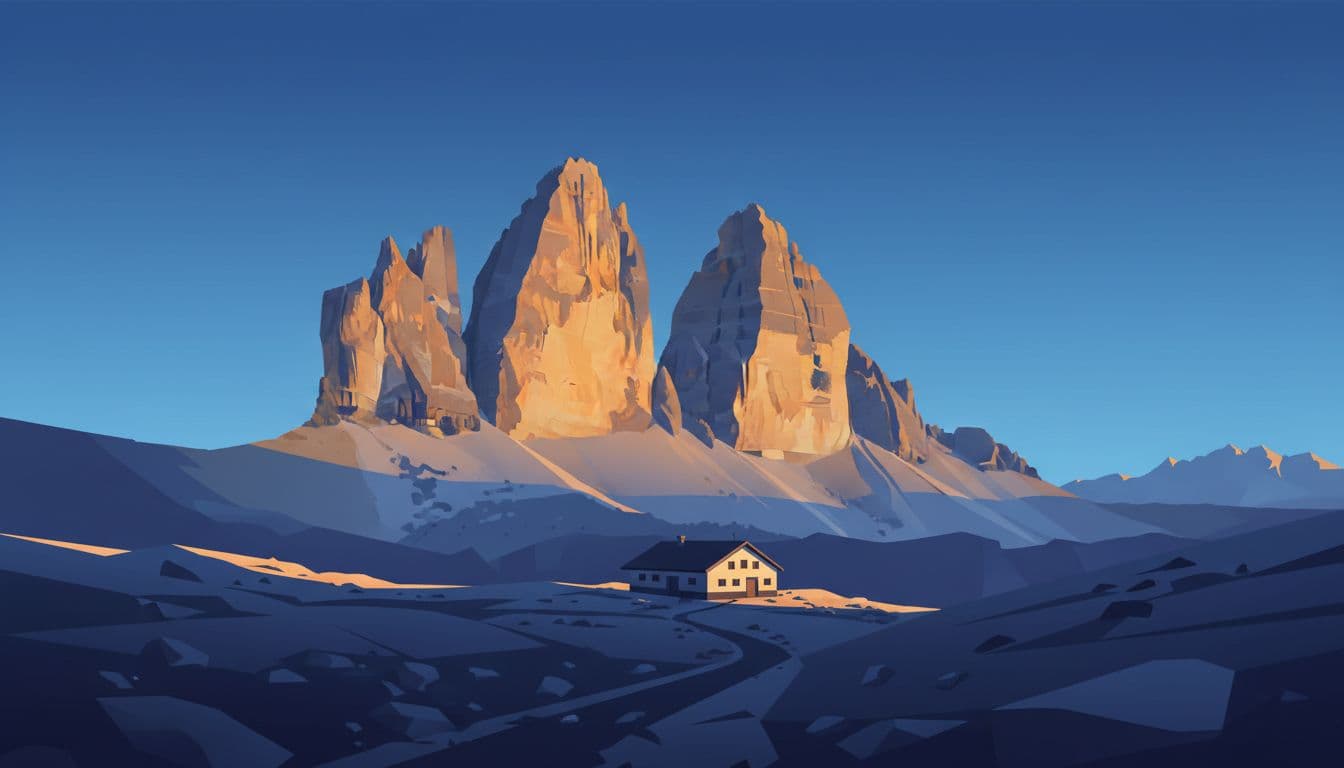
Sunrise and sunset are the strongest times to shoot here. At sunrise, the peaks catch the first warm light and the scene feels calmer. By sunset, you can get soft glow on the rock and richer contrast in the sky. In summer, though, this area gets busy fast. Mid-week visits help, and so does arriving earlier than you think you need to.
Access is one reason this spot is so popular. The walk from the main approach is easy to moderate, depending on your starting point and how much gear you carry. That makes it realistic for a lot of photographers, but don’t let the access fool you into treating it casually. Weather changes quickly at this altitude, and cloud, wind, or cold can move in with little warning. Current spring reports also mention possible mud, ice, or lingering snow at higher elevation, so it pays to check conditions before you go.
A practical tip: don’t stop at the obvious wide shot. A telephoto can be just as useful here, sometimes more. Tight framing lets you compress the layers of ridges and isolate the sharp teeth of the peaks, which gives the scene a denser, more dramatic look. For planning and trail details, Tre Cime photography tips and hike notes are worth a quick look.
At Tre Cime, the best image is often the one you make after the postcard shot.
Seceda for sweeping ridge lines and dramatic drop-offs
Seceda looks oversized in photos because everything pulls your eye forward. The grassy ridge curves across the frame, then breaks hard into sharp peaks and steep drop-offs. That contrast between soft meadow lines and jagged rock gives the scene motion, almost like the mountain is folding open in front of you.
Getting there is simple by Dolomites standards. Most visitors take the cable car from Ortisei, then walk a short distance to the main viewpoints. Because access is so easy, Seceda is one of the few places where you can get a world-class frame without a long hike. Still, timing matters more than effort here.
Sunrise is usually best. Early light adds shape to the ridges, and the side light brings out texture in the grass instead of flattening it. It also gives you a better shot at fewer people in frame. If you arrive later, the scene can still look grand, but the mood is less refined and the foreground gets trampled by foot traffic.
To keep your photos from feeling too empty, add something close to the lens. A hut, a fence line, or summer flowers can give the frame depth and scale. Those small touches matter because the main ridge is so large that it can overpower the image if the foreground is blank. Seasonal access can shift, especially around late spring, so it’s smart to check Seceda cable car and access details before you set your alarm for an early start.
Alpe di Siusi for open meadows, lonely cabins, and soft morning mist
Alpe di Siusi has a very different mood from the sharper Dolomite icons. This is Europe’s largest high meadow, and it feels open, airy, and patient. Instead of one single dramatic wall of rock, you get rolling pastures, scattered huts, winding tracks, and distant peaks that sit like a painted backdrop. For many photographers, that calmer rhythm is exactly the appeal.
Sassolunga and Sassopiatto give the meadow its backbone. They rise behind the fields with enough weight to anchor wide compositions, while the foreground stays soft and flexible. In summer, the greens are rich and the cabins look almost storybook-like. In fall, the tones warm up, the grass turns gentler, and the whole plateau feels more textured.
Dawn is when this place really earns its reputation. Morning mist can drift through the lower folds of the meadow and wrap around the huts, which adds mood without hiding the shape of the land. Sunrise also gives the best chance for clean, quiet frames before the busiest viewpoints fill up. If you want stronger images, wander beyond the obvious stops. The western side is often quieter, and even a short walk away from the main photo pull-offs can give you more space, cleaner lines, and a cabin that doesn’t already live in a thousand identical shots.
The access is easy, and that’s part of the beauty. You can reach the plateau, walk wide paths, and keep adjusting your angle until the layers click. If you want to scout beyond the standard look, this roundup of Alpe di Siusi photo spots can help you branch out without wasting a morning.
Lakes and earth shapes that bring a different side of South Tyrol into your photos
South Tyrol is famous for ridges and sharp peaks, but water and worn earth can change the whole mood of your gallery. These spots trade brute scale for color, reflection, texture, and shape, which gives you more range than another big mountain overlook. If you want scenes that feel calmer, stranger, or more polished, start here.
Karersee for mirror reflections and rich color at first light
Karersee is small, easy to reach, and almost unfairly photogenic. The water glows emerald and turquoise, and the Latemar group behind it gives the frame a hard, jagged edge. When the lake is still, the reflection doubles the scene and turns a simple view into something that feels almost painted.
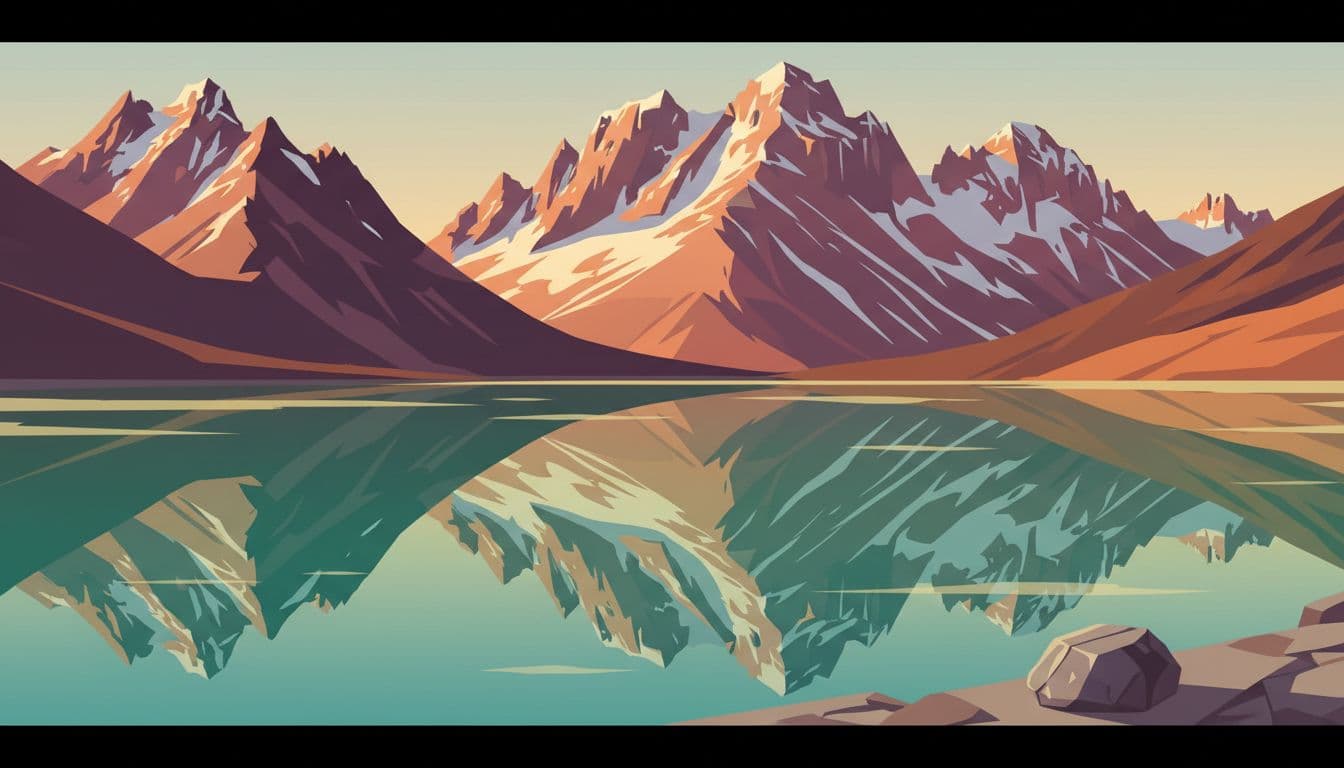
Early morning matters here more than at many other spots. Wind can rough up the surface fast, and once tour buses and quick-stop visitors arrive, the quiet mood goes with them. Because the access is so simple, many people treat Karersee as a brief roadside stop. That makes it even more important to get there early, claim your angle, and work while the water is calm.
The best frames usually come from keeping things clean. Let the water carry the color, let the mountains carry the shape, and avoid crowding the foreground unless you have a strong anchor. If you want a planning check before you go, this guide to Karersee access and parking helps with the practical side.
A small note for photographers who stay later, Karersee also draws interest after dark. The setting works for night shots when skies are clear, though the strongest payoff for most people is still first-light landscape work.
Pragser Wildsee for calm water, forest edges, and a polished alpine scene
Pragser Wildsee has a more finished, storybook feel than most alpine lakes. Its long, curved shape pulls your eye inward, while dark forest edges hold the frame together. Behind it, the mountain wall rises straight and heavy, which gives the scene weight without making it feel harsh.
The boathouse area is the best-known composition for a reason. You get timber detail, still water, and that pale cliff face all in one view. It looks refined, almost staged, yet it still feels natural. That’s the draw. Everything lines up with very little effort if the light is soft and the lake stays calm.
Crowds are the main issue. This is one of South Tyrol’s most popular lakes, and the polished look that makes it famous also makes it busy. Pre-dawn arrival gives you the best chance at quiet water, cleaner compositions, and a shoreline that doesn’t feel crowded before the day has really begun. Current access notes and seasonal restrictions can shift, so it’s worth checking a recent Lago di Braies visitor guide before you set out.
For composition, keep one simple foreground idea in mind. The shoreline can guide the eye beautifully, especially when it curves toward the boathouse. If rowboats are out, one boat can also give the frame a human touch without stealing attention from the mountains.
Pragser Wildsee works best when you let the scene stay elegant. Too much foreground clutter can spoil its clean lines.
The Earth Pyramids for texture, shape, and something most visitors miss
If the lakes are smooth and reflective, the Earth Pyramids are the opposite. These clay towers look raw, fragile, and a little surreal, like sandcastles left standing after the tide never came back. That shift in texture is exactly why they belong in a South Tyrol photography plan.
The formations near Renon stand apart from the classic Dolomite postcard view. Instead of open meadows and famous peaks, you get tall clay spires topped with rocks, narrow gullies, and layered erosion lines. In morning light, shadows carve out every ridge and crease. The towers gain depth fast, and even a modest change in sun angle can make them look sharper and taller.
They work well in two ways. A wide view shows the odd rhythm of the whole group and places the pyramids in their hillside setting. A tighter frame, on the other hand, lets you focus on the cracked clay, the stone “hats,” and the thin edges where light and shadow meet. That’s useful when you want something more graphic and less postcard-like.
Getting there is also easier than many visitors expect. From Bolzano, you can head up to Oberbozen by train, then continue by bus or on foot depending on which viewpoint you want. If you want help mapping the route, this walk to the Renon Earth Pyramids gives a solid overview.
Because this spot sits outside the usual ridge-and-lake circuit, it often feels fresher. And for photographers, that matters. You come away with images that still look like South Tyrol, but not like everyone else’s.
How to time your shoot for better light, fewer crowds, and stronger photos
In South Tyrol, timing often matters more than gear. A famous view can feel flat, noisy, and overworked at the wrong hour, then turn clean and cinematic with one earlier alarm. That’s even more true in 2026, when pressure at headline spots is likely to stay high through the main travel months.
The good news is simple: if you shoot when the place is quiet, the photos usually get better too. Softer light, calmer air, and more room to work all show up at the same time.
Sunrise usually beats sunset at the busiest spots
At lakes like Karersee and Pragser Wildsee, sunrise is usually the better bet. Morning often brings softer contrast, cleaner color, and calmer water, which matters when reflections are half the picture. By late morning, even a light breeze can wrinkle the surface and turn a mirror into crumpled foil.
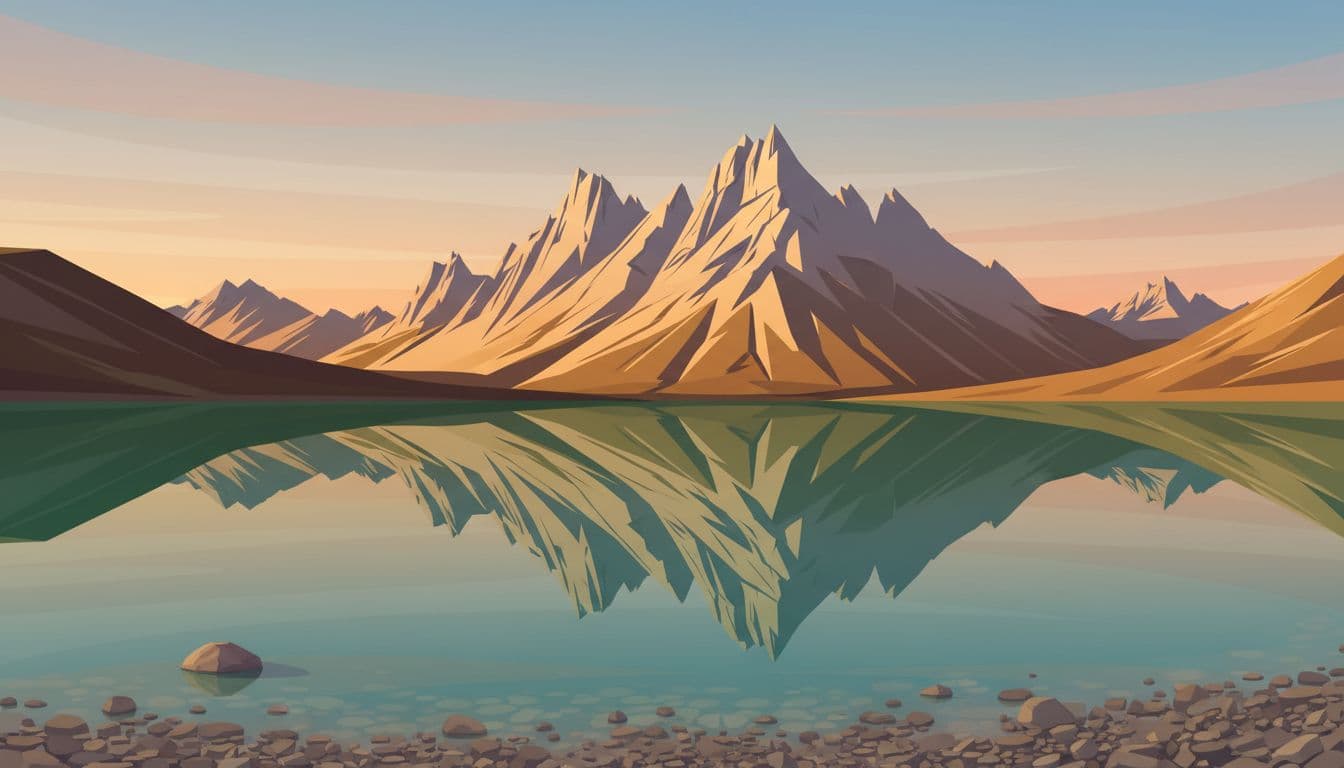
Crowds are the other reason to go early. At Pragser Wildsee, a pre-dawn start can mean still water, empty shorelines, and time to work the boathouse angle without people drifting into every frame. If you want to dial in your arrival, check current sunrise times for Pragser Wildsee before your trip.
Higher up, sunrise also helps at Seceda and Tre Cime. The ridges and towers pick up shape fast when side light hits first. In contrast, midday flattens grass, drains texture from pale rock, and leaves you fighting harsh highlights. Exact light does shift with the season, though, so don’t expect the same glow in June that you get in late September. In early summer, you may be walking in the dark for longer. In fall, the later sunrise is easier, and the low sun can stay useful longer.
A few habits make a real difference here:
- Arrive earlier than first light, not at sunrise.
- Scout one main frame first, then try variations once the color starts.
- Keep voices low and stay on marked paths, especially around fragile lakeshores.
That last point matters more every year. Responsible travel in South Tyrol isn’t just polite, it helps protect the exact places photographers come to see.
Spring and fall often give the best balance of color and space
If summer is the loud season, spring and fall are often the more photogenic ones. You usually get more breathing room, cooler air, and a moodier sky. That mix helps both your shooting pace and your final images.
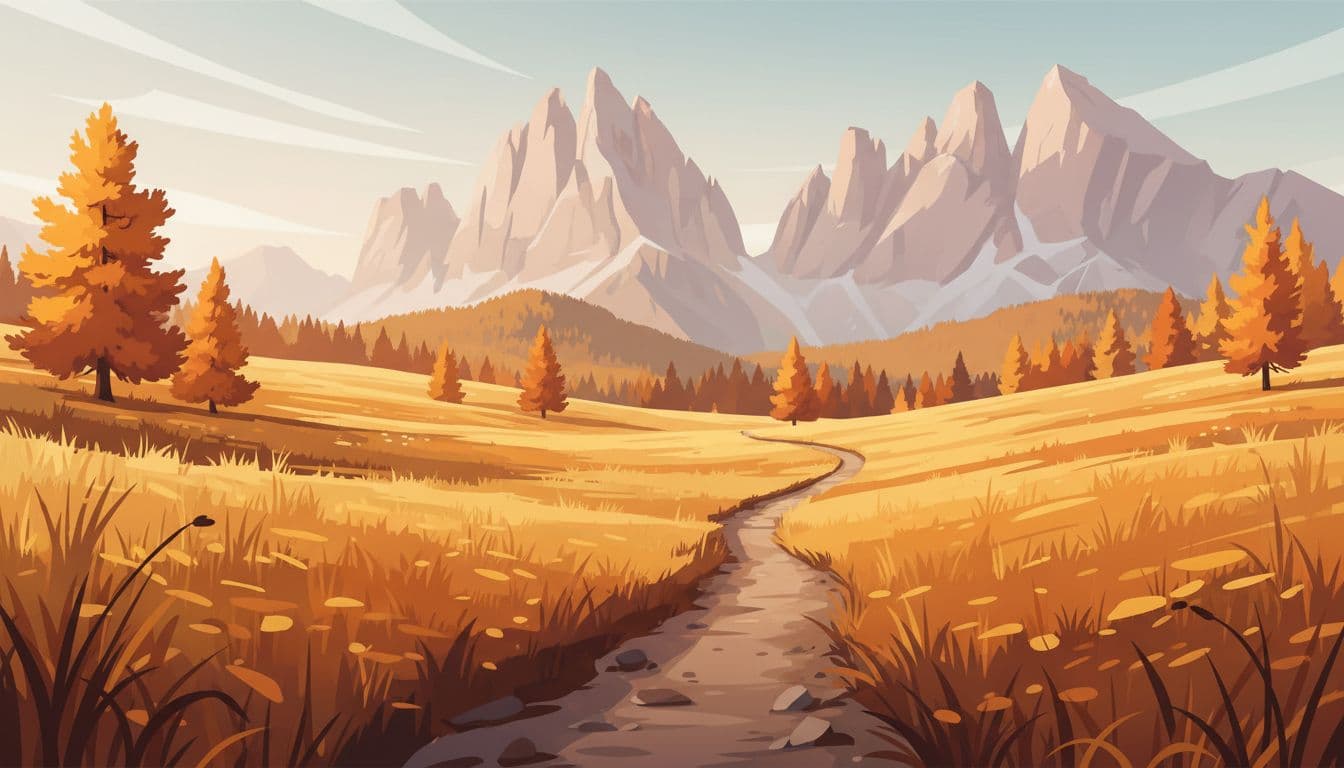
Fall is especially strong in South Tyrol. Larches turn gold, grass dries into warm straw tones, and low sun gives the whole region a softer edge. Places with open slopes and meadows can look richer then than they do in peak summer, because the color palette is less blunt and the air often feels clearer. For photographers who want that look, this guide on when to visit the Dolomites for photography is a useful planning reference.
Spring works differently, but it can be just as good. Fresh greens show up in valleys and lower meadows, while snow may still hang on higher peaks. That contrast adds depth and story to a frame. You also get changing weather, which can be a gift when it breaks your way. A clearing storm over bright grass and fresh snow can give you far more character than a plain blue sky.
For many travelers in 2026, the smartest windows are:
- Early May to mid-June for fresh greens, cooler mornings, and lower crowd pressure.
- Late September to mid-October for larch color, golden grass, and quieter icons.
Shoulder seasons aren’t empty, especially at the best-known spots, but they often feel more workable. You spend less time waiting for people to clear and more time making photos.
Weather changes fast in the mountains, so flexible plans win
South Tyrol’s weather can turn in an hour. A clear dawn can grow a cap of cloud by breakfast, and summer afternoons often bring storms. Because of that, rigid plans fail more often than loose ones.
Check a live local forecast the night before and again before you leave. A broad weather app helps, but mountain-specific updates are better, especially for rain, wind, and cloud cover. Both Dolomiti Meteo’s South Tyrol forecast and Weather & Radar’s Dolomites view are useful for a last check.
Then pack for change, not hope. Carry a shell, a warm layer, and something dry for your hands. Even in warmer months, ridges can feel cold before sunrise, and wind steals comfort fast when you’re standing still with a tripod.
It also helps to build your day in tiers. If high views cloud over, don’t force them. Drop lower and switch subjects. A simple backup plan can save the shoot:
- If Seceda or Tre Cime disappears in cloud, head for lower lakes.
- If reflections fail, try the Earth Pyramids, where side light and texture still work under broken skies.
- If storms are due by afternoon, shoot the main location at dawn and keep an easy roadside stop for later.
In the mountains, the best plan is often the one you can change without wasting the day.
That flexibility usually leads to stronger work. You stop chasing a perfect forecast and start reading the conditions in front of you, which is often where South Tyrol looks best.
Simple planning tips that help you leave with better South Tyrol photos
A little planning goes a long way in South Tyrol. The best photos often come from simple choices made before you leave your hotel, like picking the right spot for your energy level, carrying less weight, and knowing the rules before you arrive. That keeps your morning calm, your hike safer, and your attention where it should be, on the light in front of you.
Choose spots by effort level, not just by popularity
A famous view doesn’t always fit the day you have. If you’re short on time, traveling with family, or just don’t want a hard climb before sunrise, pick places that match your trip style first.
Some of South Tyrol’s best photo spots are very easy to reach. Karersee and Pragser Wildsee are good examples. You can get strong lake images with very little walking, which makes them great for quick dawn shoots, changing weather, or tired legs late in a trip. The trade-off is simple, these places attract more people, so timing matters even more.
Seceda sits in the middle. The cable car does most of the heavy lifting, then you walk a short distance to the main ridge views. That makes it one of the smartest choices if you want a big mountain scene without a long hike. If you’re planning around lift access, this Seceda cable car guide is a useful check before you go.
Then there are spots that ask more from you. Around Tre Cime, even a moderate walk feels longer when you’re carrying camera gear in the dark or dealing with wind and cold. The reward is huge, but the effort is real. If you’re building a short trip, don’t stack too many demanding mornings back to back. You’ll shoot better when you still have some gas in the tank.
A simple way to sort your plans is this:
- Choose easy-access stops for tight schedules, mixed-ability groups, or unstable weather.
- Save cable car viewpoints for days when you want major scenery with less strain.
- Keep longer walks for your strongest weather window and freshest legs.
That small shift in planning clears up expectations fast. It also helps you come home with better photos instead of rushed ones.
Pack light, but bring what matters most for alpine conditions
In the mountains, a heavy bag can wear you down before the light gets good. Pack for the shot, not for every possible shot.
Start with the basics. Wear sturdy shoes, because wet grass, loose gravel, and uneven paths show up at nearly every South Tyrol location. Bring layers too. A mild valley morning can turn cold fast once you reach a ridge or wait still for sunrise. Add water and a snack, even for shorter outings, because alpine access often feels easier on paper than it does in the field.
Your lens plan can stay simple. A wide-angle lens is enough for big scenes like Seceda, Alpe di Siusi, and lake reflections. A short telephoto helps when you want to crop into ridges, isolate huts, or pull layers closer together. That’s usually all most photographers need here.
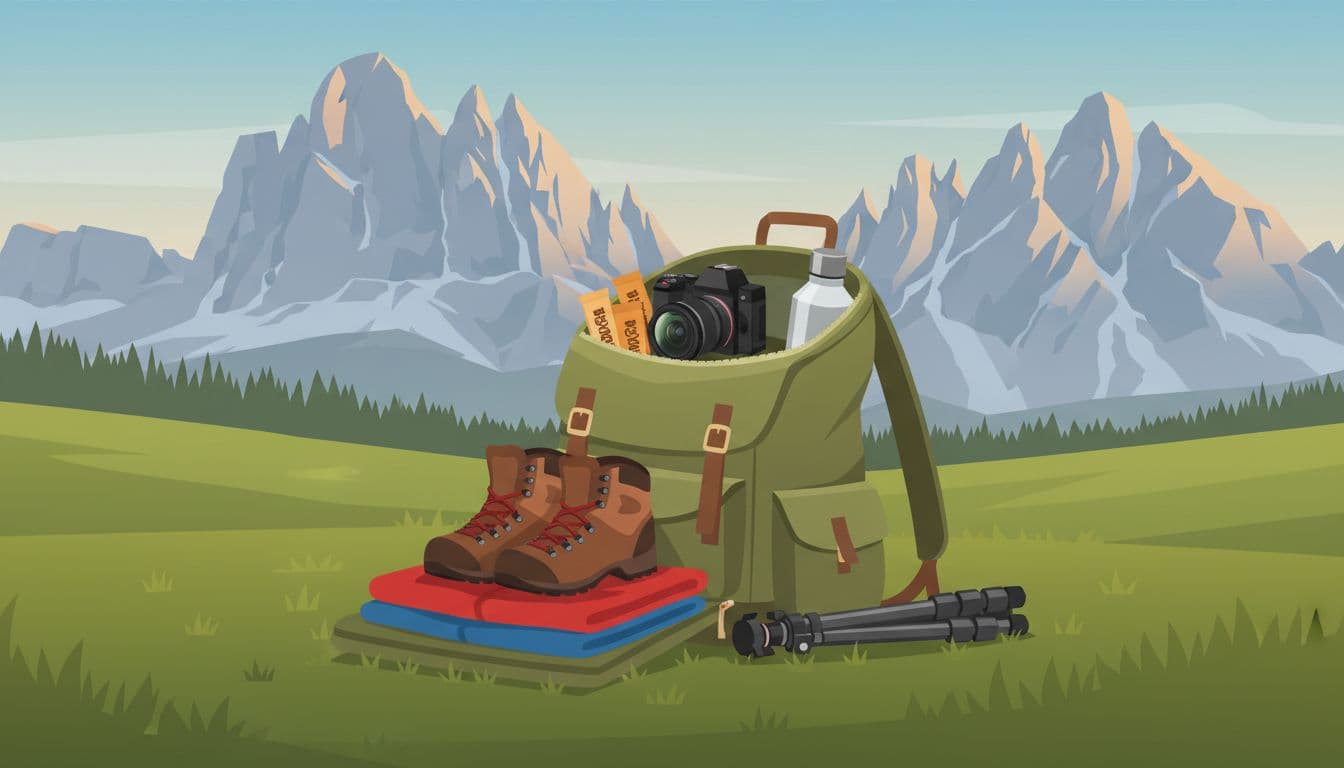
If you want one rule to remember, make it this: every item should earn its place in your bag. Extra weight has a way of stealing patience, and patience is often what gets the best frame.
Respect local rules so these places stay beautiful
Good landscape photography starts with care for the place itself. South Tyrol gives you easy access to fragile lakeshores, meadows, and mountain paths, so a few habits matter more than they might elsewhere.
Stay on marked trails whenever you can. That protects plants, keeps slopes from wearing out, and usually leads to cleaner shooting spots anyway. Near lakes, avoid trampling muddy edges just to gain a slightly lower angle. In open meadows, don’t step through grass or flowers when a path or worn track already exists.
It’s also smart to keep a basic leave-no-trace mindset in your routine:
- Pack out every bit of trash, including food wrappers and tissues.
- Keep voices low at dawn, when sound carries far.
- Move tripods and bags off the trail when others need to pass.
Drone use needs extra care. In South Tyrol, rules follow EU and Italian law, and protected mountain areas often have tighter limits. Around places like Tre Cime, Karersee, Pragser Wildsee, and many busy alpine zones, drone flights are often banned or heavily restricted. Before you travel, review South Tyrol’s drone rules and local guidance. If you fly where it’s not allowed, the fines can be steep, and the noise can ruin the quiet people came for.
Respect pays off in practical ways, too. You avoid trouble, you work with less stress, and you help keep these places open and welcoming for the next sunrise.
Conclusion
South Tyrol rewards the photographer who chooses with intent. If you want drama, go to Tre Cime. If shape and depth matter most, pick Seceda. For softer, slower frames, head to Alpe di Siusi. If reflections are your thing, Karersee and Pragser Wildsee are the clear picks. And if you want something less expected, the Earth Pyramids will break the pattern in the best way.
So the best photo spot isn’t the most famous one, it’s the one that fits the kind of image you want to make. Start there, get there early, and let the first light do its work.
When dawn reaches South Tyrol, the stone warms, the lakes hold still, and the whole range seems to wake one ridge at a time. That’s the moment worth chasing.
