
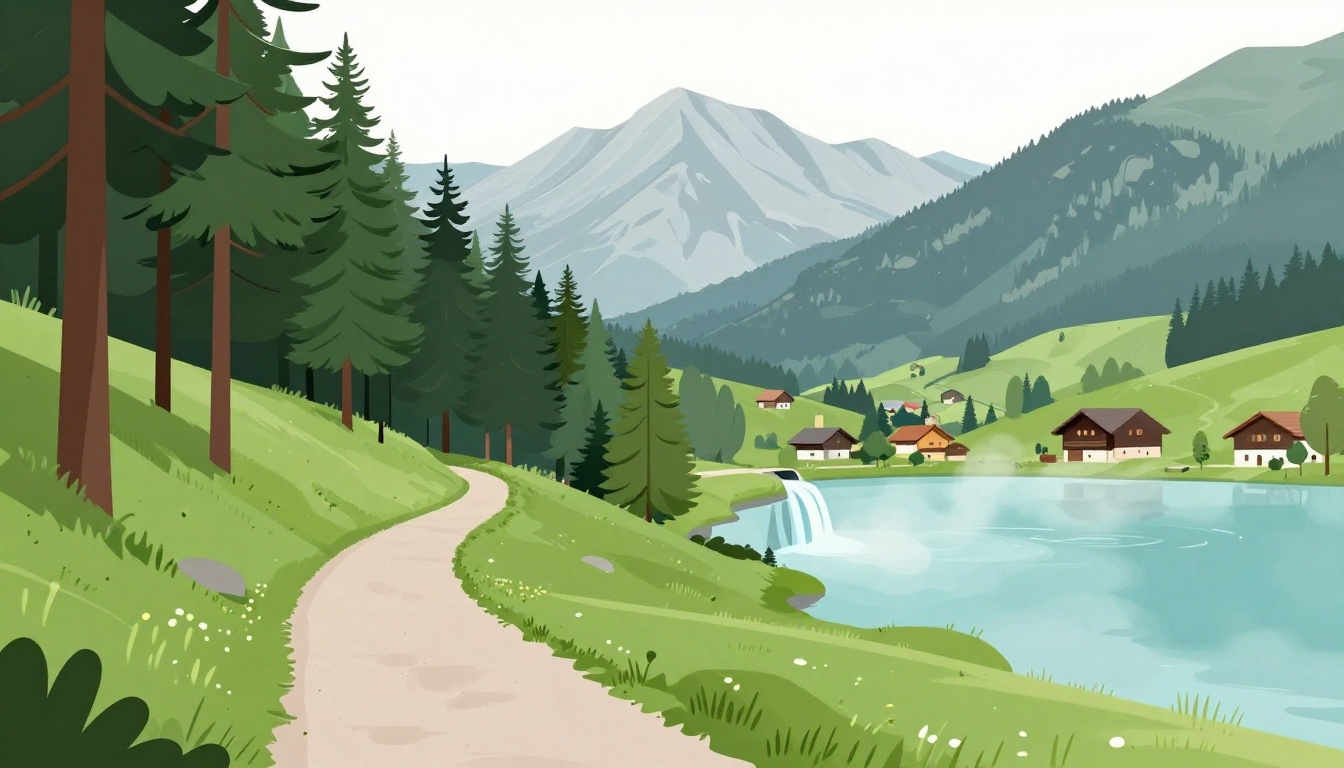
Most travelers come to Bavaria with the same shots in mind, Neuschwanstein from the bridge, Eibsee with the Zugspitze, and those polished lake views that fill social feeds. The trouble is, those places can feel packed, rushed, and hard to photograph with any sense of calm. When tour buses roll in and phones rise at once, even a beautiful scene can lose its mood.
This guide takes a smarter path through hidden photo spots in Bavaria, built around real places that still give you strong images and room to breathe. “Hidden” here doesn’t mean secret; it means less visited, easier to enjoy early or late in the day, and better suited to slow travel. You get places where the walk matters, the light has space to settle, and the frame isn’t crowded before you even lift your camera.
Along the way, you’ll find quieter forests, waterfalls in deep green valleys, small villages with character, and lake trails that reward patience more than speed. You’ll also get practical timing tips, so you can catch Bavaria at its softer, quieter best and move into the first stops with a clear plan.
Why these lesser-known Bavaria photo spots work so well for photographers
The best hidden photo spots in Bavaria give you something famous viewpoints rarely do, time. When a trail is quiet or a village street is still half asleep, you can study lines, wait for cloud cover to shift, and let the scene settle. That slower pace often leads to stronger photos, because the place has room to speak for itself.
Fewer people, better light, and room to slow down
When foot traffic is light, your frame gets cleaner fast. You don’t have to crop out bright jackets, sidestep selfie sticks, or rush the shutter between passing groups. Instead, you can line up a path, fence, or church tower with care and keep the mood intact.
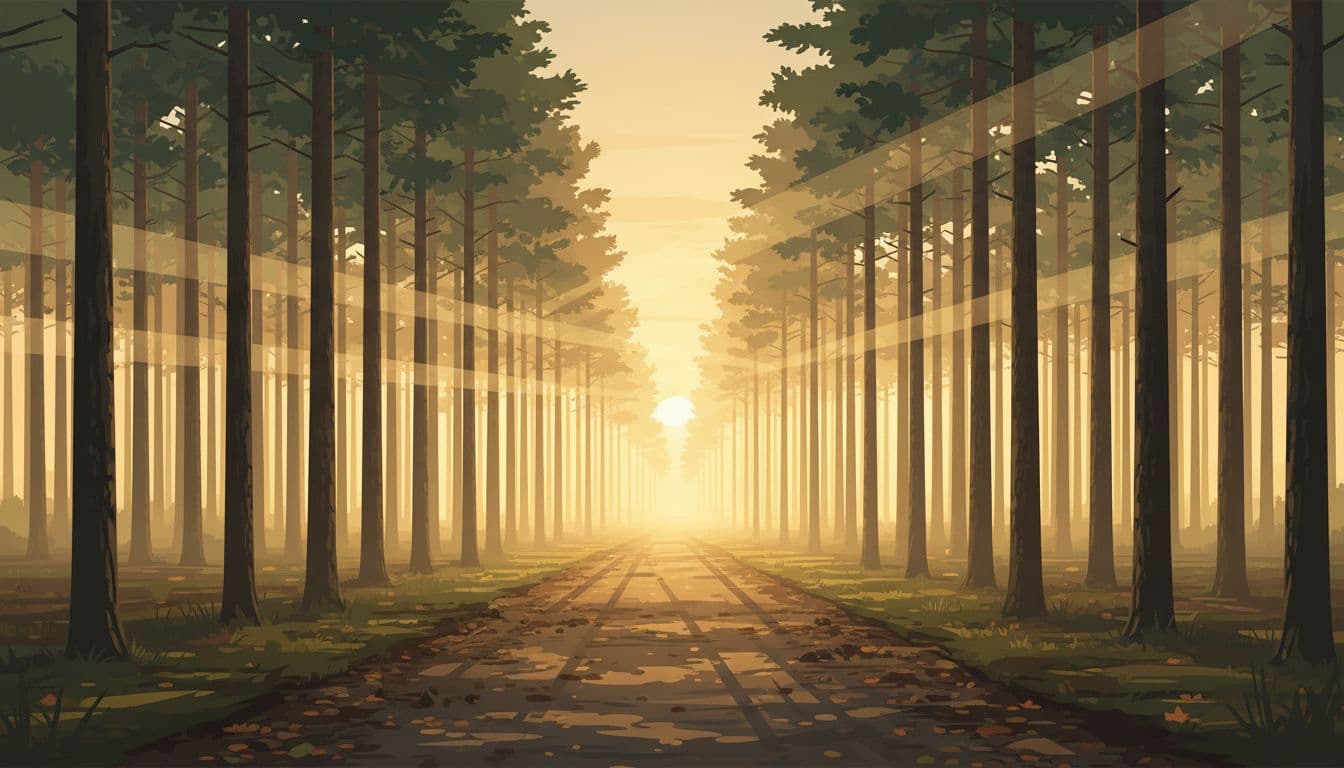
That matters most at sunrise and blue hour. Soft light needs patience, and quieter spots make patience possible. On an empty path or calm lane, you can pause, reframe, and, where it’s allowed, set up a tripod without feeling like you’re blocking the world. A hidden spot also gives you a stronger sense of place. You hear the river, notice woodsmoke, and catch mist hanging low over fields instead of watching a crowd move through your shot.
Season plays a big part, too. Spring and fall often bring misty mornings across Bavaria, which can turn a simple meadow or lakeside path into something dreamlike. Summer gives you rich green trails and longer evenings, while winter can add fresh snow and clean contrast, though access is more limited in higher areas. If you’re planning timing, seasonal travel guidance for Germany is a useful starting point.
What “away from the crowds” really means in Bavaria
In Bavaria, “away from the crowds” usually means calmer, not empty. You may still pass local hikers, dog walkers, or a few cyclists, especially on sunny weekends. Even so, these places feel nothing like the big postcard stops, where buses, queues, and packed viewpoints shape every shot.
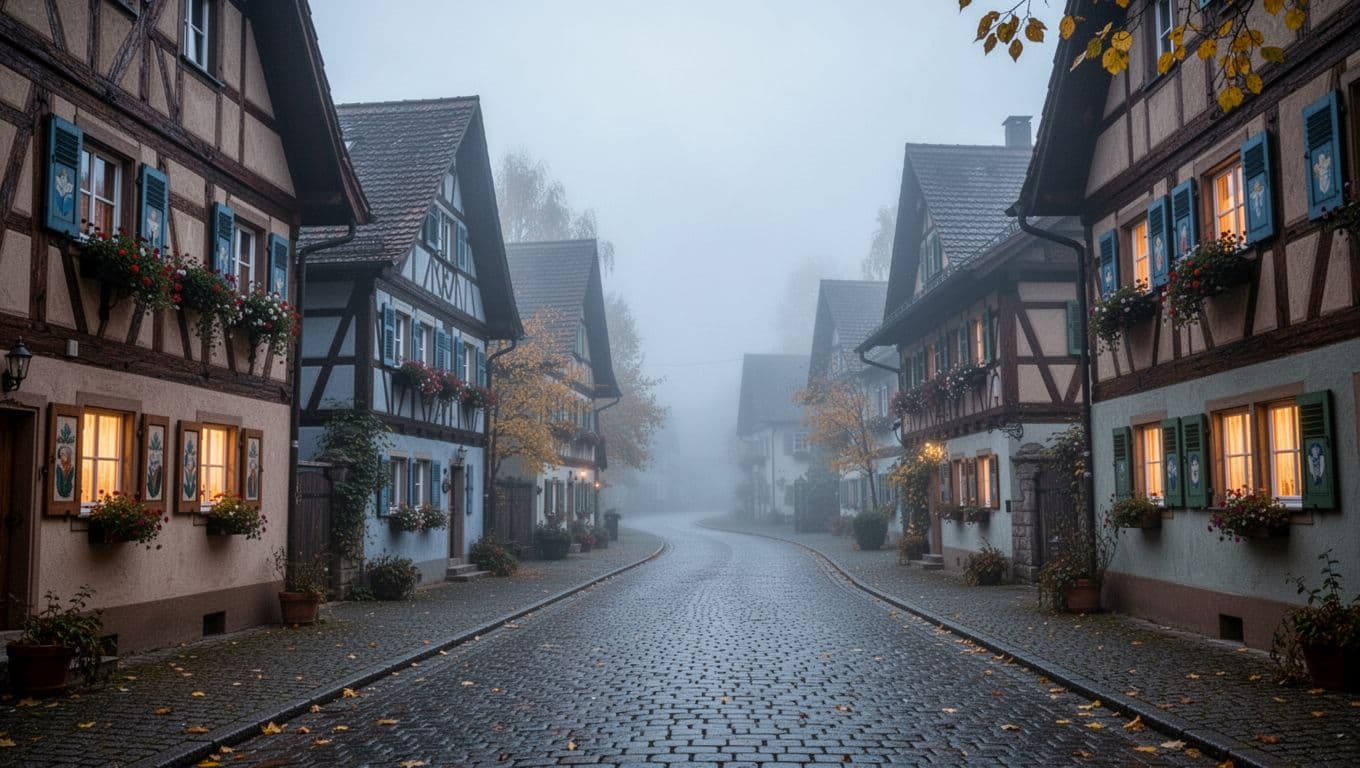
For photographers, that difference is huge. A calm location lets you work with small changes in weather and light instead of fighting constant movement in the foreground. Weekday mornings are usually best, and shoulder season is even better. April, May, September, and October often bring softer light, cooler air, and more breathing room on the trail.
In Bavaria, a hidden spot doesn’t need to be secret. It just needs enough quiet to let the scene unfold.
If you want a sense of how this works in practice, places like Geroldsee’s quieter viewpoints show why timing matters as much as location. Arrive early, go midweek, and the same landscape feels far more open, personal, and photographable.
Forest and waterfall photo spots where Bavaria feels wild and quiet
The Bavarian Forest is one of the best places in Germany to trade postcard crowds for real atmosphere. Here, the light slips through spruce and beech, mist sits low in the trees, and wet stone catches every change in the sky. If you want images with mood instead of noise, this corner of Bavaria gives you room to wait for them.
Baumwipfelpfad in the Bavarian Forest for canopy views and soft sunrise light
The Baumwipfelpfad treetop walk gives you something rare in Bavaria, a top-down forest view. The long wooden path lifts you into the canopy, and the pinecone-shaped tower opens the scene even more. From up there, the forest stops feeling flat. It turns into layers, lines, and soft texture.
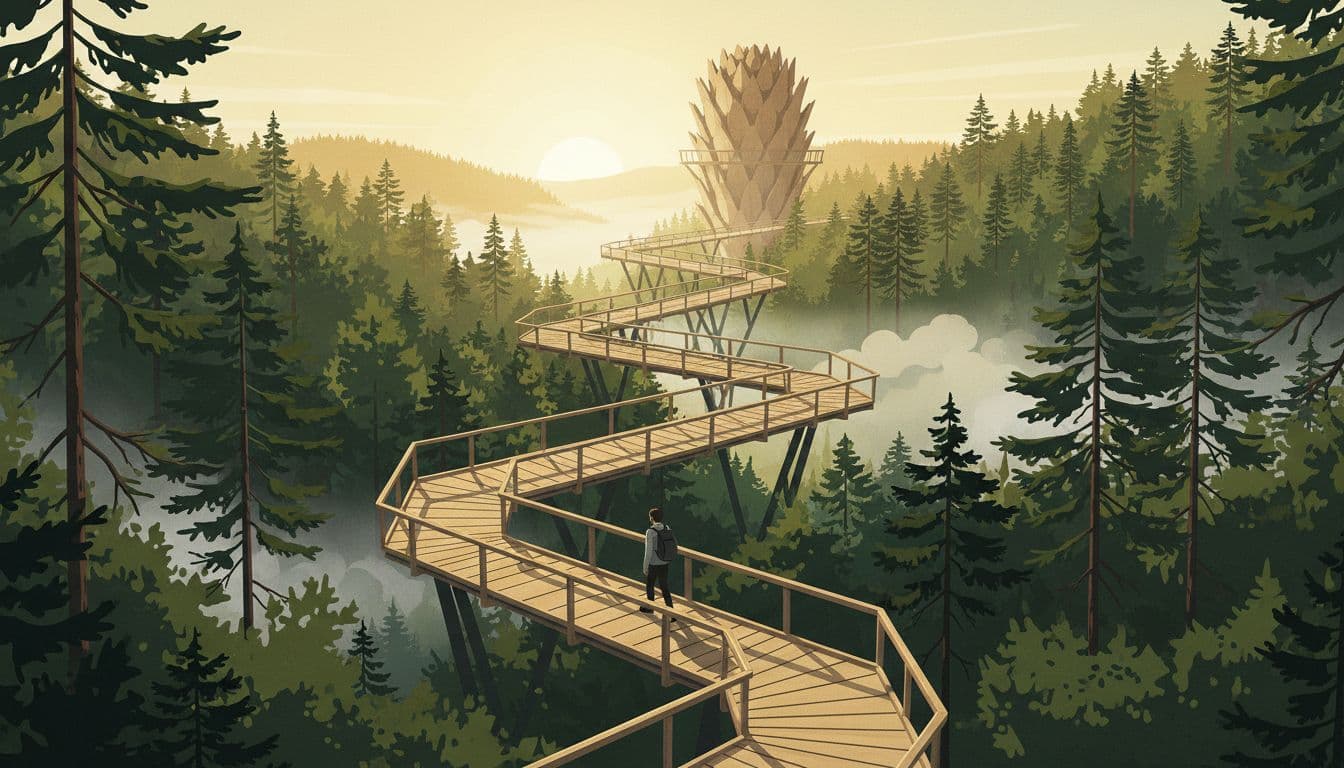
Early morning is the sweet spot, especially on weekdays. If the air is cool and damp, you’ll often get bands of mist between the trees, which makes wide shots feel deeper and calmer. Late light can work too, but sunrise is better when you want clean frames and softer color.
This spot also stays useful all year. Spring brings fresh green, summer gives you long views, fall adds the richest color, and winter can turn the whole structure into a high path over snow-dusted woods. For route ideas nearby, Komoot’s Bavarian Forest guide is a handy planning tool.
Risslochfalle and Hochfall for dramatic water shots without tour-bus traffic
Near Bodenmais, Risslochfalle and Hochfall make a strong pairing for waterfall photography. They feel wilder than many easy-access falls, and because they take a bit of walking, they often stay calmer. That matters when you’re trying to hear the water, study the rocks, and wait for the right shutter speed.
Risslochfalle is the more rugged of the two. Water runs over a broken staircase of dark, wet rock, with moss and roots tucked into the sides. It works best for layered frames, where the eye can travel from one cascade to the next. Hochfall is simpler and more forceful, with a stronger vertical drop and a cleaner subject if you want one main line in the shot. The Rissloch and Hochfall hiking overview helps if you want to link them in one outing.

Overcast weather is your friend here. Cloud cover keeps highlights off the water and brings out detail in slick stone, bark, and fern. After rain, flow is stronger, but the trails can get slick fast. Go with good grip, move slowly on roots and rock, and take extra care after snow or thaw.
For waterfall shots, gray skies often beat blue ones.
Lusen wildlife area and quiet forest trails for patient nature photography
The Lusen area rewards slow walkers. You won’t get your best photos by rushing for a summit and heading back. Instead, the quieter forest trails, meadow edges, and small clearings offer the kind of scenes that change by the minute, a shaft of sun through trunks, a deer at the tree line, fog lifting off damp grass.
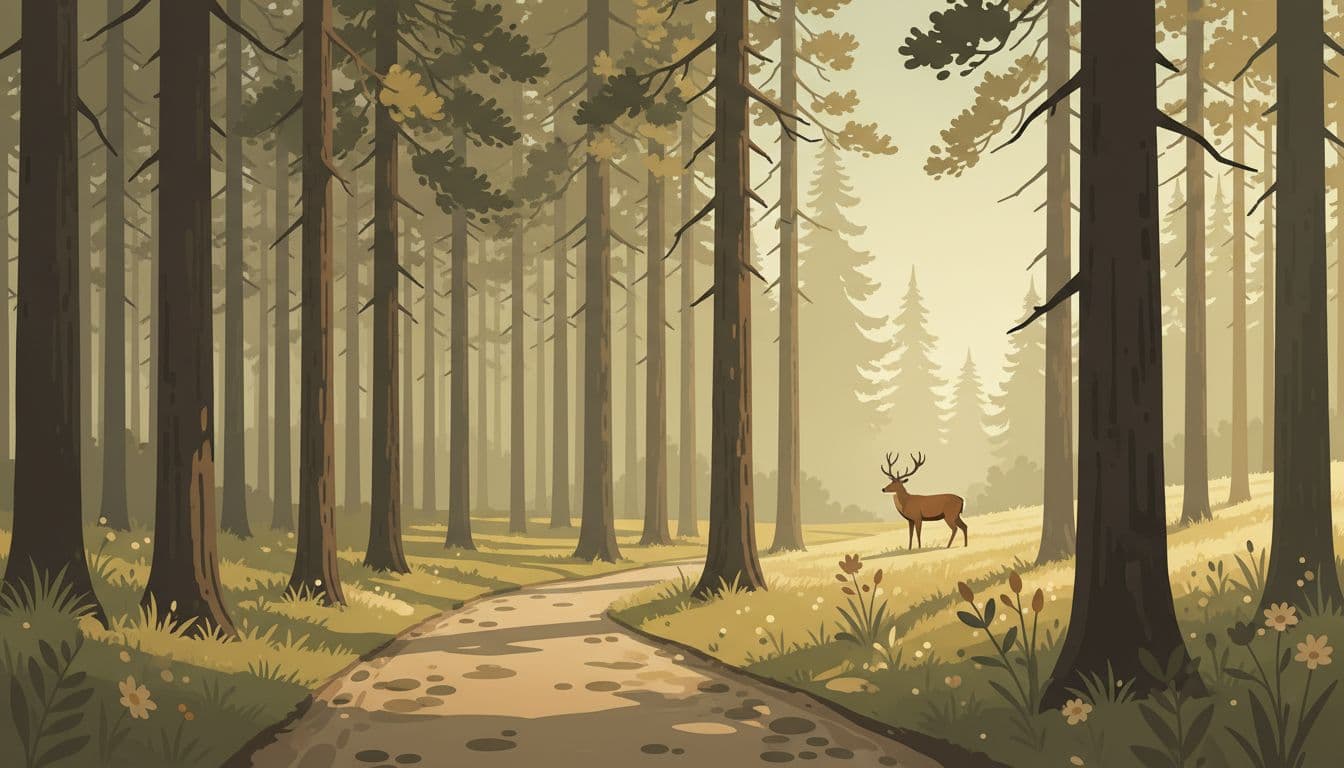
Wildlife is possible here, but keep your hopes realistic. You might see deer, birds, or movement at the edge of a clearing, though some mornings give you nothing but wind in the trees. That’s still part of the appeal. The forest itself is the subject, and any animal sighting is a bonus, not a promise. The Lusen National Park animal area can also add variety if you’re already nearby.
Go early or late for the best light, and give yourself time to stop often. A short telephoto helps at meadow edges, while a wide lens works well under the canopy. Most importantly, respect the place. Stay on marked trails, keep your distance from animals, and watch the weather before you head in. In mountain forest, calm can turn cold and wet very fast.
Small Alpine villages that give you mountain photos with real local character
Some of the best Bavaria photos come from places where people still live their normal day. A church bell, a painted inn, laundry on a balcony, and a mountain ridge behind it all can say more than a famous viewpoint ever could. If you want frames with local texture, these smaller Alpine villages give you that mix of daily life and clean mountain scenery.
They also make photography feel easier. You can move from a quiet lane to a river path or waterfall trail in minutes, not hours. That means more time shooting, less time driving.
Bayrischzell for valley scenes, old inns, and easy access to Tatzlwurm Waterfall
Bayrischzell has the kind of setting that makes even a simple street corner look good. The village sits under Wendelstein, and the mountain gives the whole valley a strong backdrop without stealing the frame. Wood-fronted inns, flower boxes, and a church tower bring in the lived-in detail that many big-view spots miss.
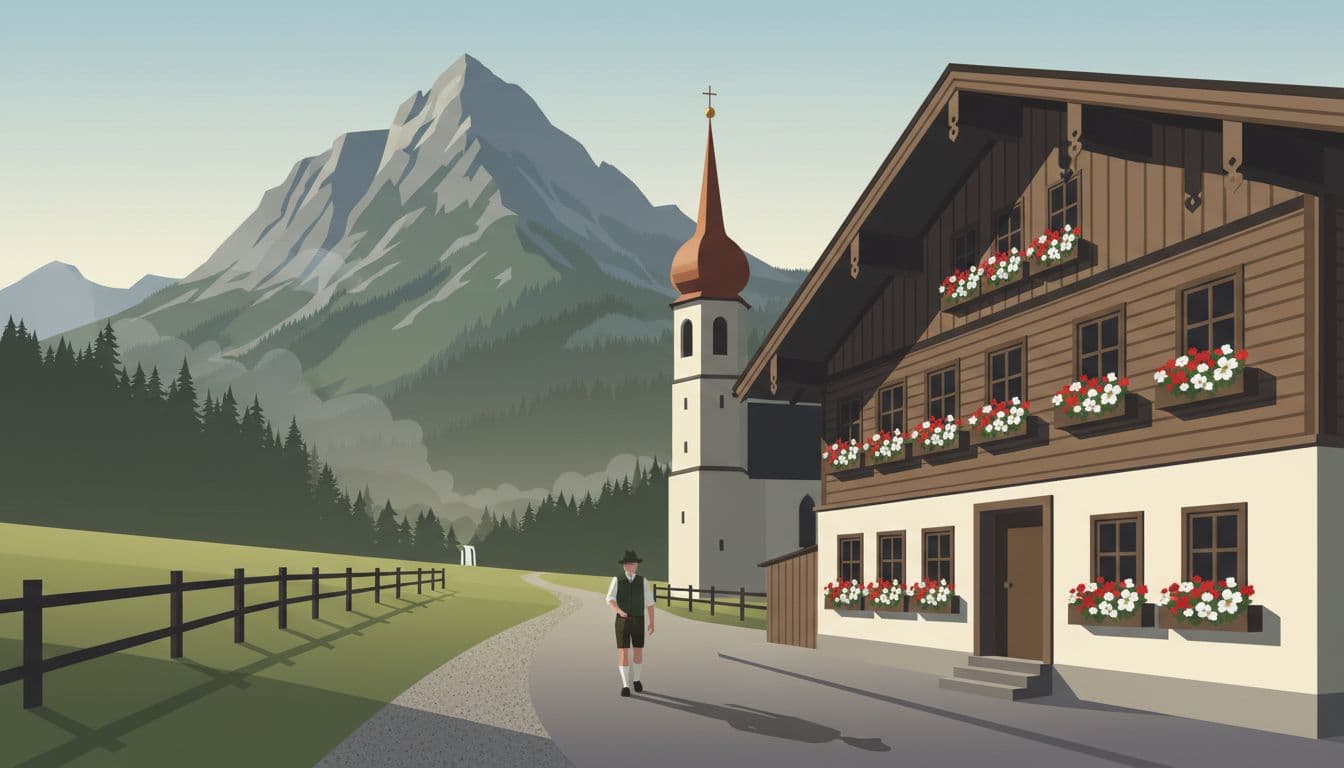
What works well here is the range. In one day, you can shoot street scenes in soft morning light, pick up wider valley views as clouds shift, and then head toward the Tatzlwurm Waterfall area for darker forest tones and moving water. That mix keeps your gallery from feeling flat.
This village suits travelers who want a full day of photography without long drives between stops. You can stay patient, watch the light change, and keep working the same area until it gives you something better.
Aschau im Chiemgau for castle views and quiet streets that still feel local
Aschau im Chiemgau feels gentle from the start. The streets are easy to walk, the houses still look rooted in the region, and the mountain edges never feel far away. Traditional facades and window boxes give you plenty of foreground detail, especially when you don’t rush past them chasing a big landmark.
The smart move here is to photograph Hohenaschau Castle from town, not only from the classic overlook. Seen above roofs, gardens, and side streets, the castle feels tied to local life instead of floating as a distant icon. The official Hohenaschau Castle page helps with planning, but the real charm is in how often the castle appears between ordinary village moments.
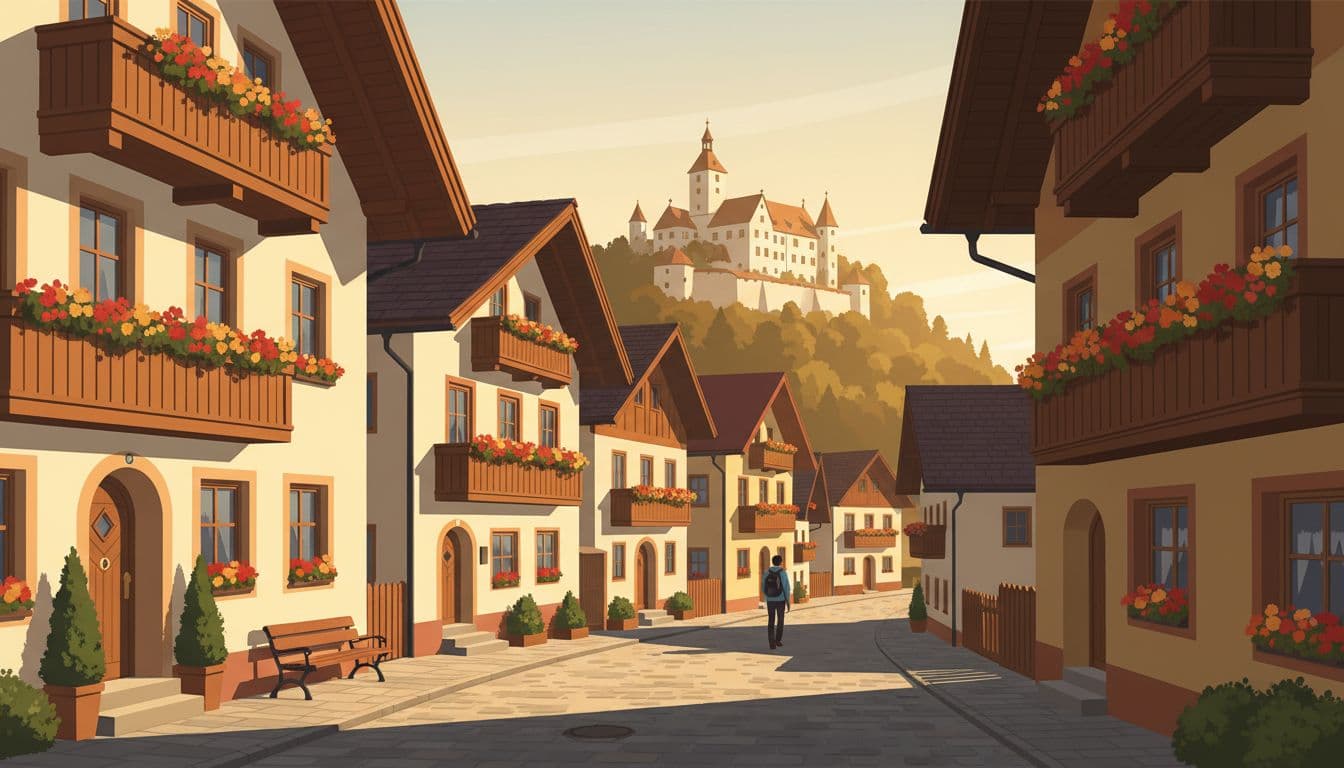
Early evening is your best window. Warm light slips across the houses, the hills soften, and the whole village picks up a calm glow. In spring and early October, that light gets even better because the air is often clearer and the colors around town are richer.
Klobenstein bridge area for river curves, peaks, and a peaceful stop on the edge of town
Klobenstein is a good pick when you want a photo that feels layered. The river gives you motion in the foreground, the bridge or riverside path gives you a line to follow, and the peaks finish the frame in back. It’s a simple setup, but it works because each part has a job.

For a stronger composition, get low enough to let the water curve across the bottom of the frame. Then use the footbridge or path as a guide into the middle distance. The Entenlochklamm overview is useful if you want to pair this stop with a short walk nearby.
Soft afternoon light often works best here because it picks up texture on stones and keeps the river readable. If the water is high after rain, the scene gets more force. If it’s calm, you get cleaner reflections and a quieter mood. Either way, this is the kind of place that rewards five slow minutes more than a quick stop.
Lake and castle-area viewpoints near Fussen that are calmer than the famous icons
Neuschwanstein pulls most visitors like a magnet, and that is exactly why the nearby area still has room for quieter photos. If you stay close to Fussen, you do not need to chase remote corners to find calm. A lake edge, a forest bend, or an old town alley can give you softer light and far less pressure.
Spring mornings and late evenings are your best friend here. Current travel timing for 2026 points to early starts before 10 a.m. and golden hour as the easiest way to avoid the swell of day-trippers around the castle zone. That simple shift can change the mood of your whole shoot.
Alpsee forest trails for hidden lake reflections and tree-framed mountain views
Alpsee sits right in the shadow of the big-name sights, yet the smartest frames are rarely on the busiest stretch. Instead, walk beyond the obvious lakeside path and look for quieter forest edges, side clearings, and little openings between trunks, always where access is legal and safe. Those spots turn the lake into a mirror framed by firs, with mountains tucked into the gap like a painted backdrop.
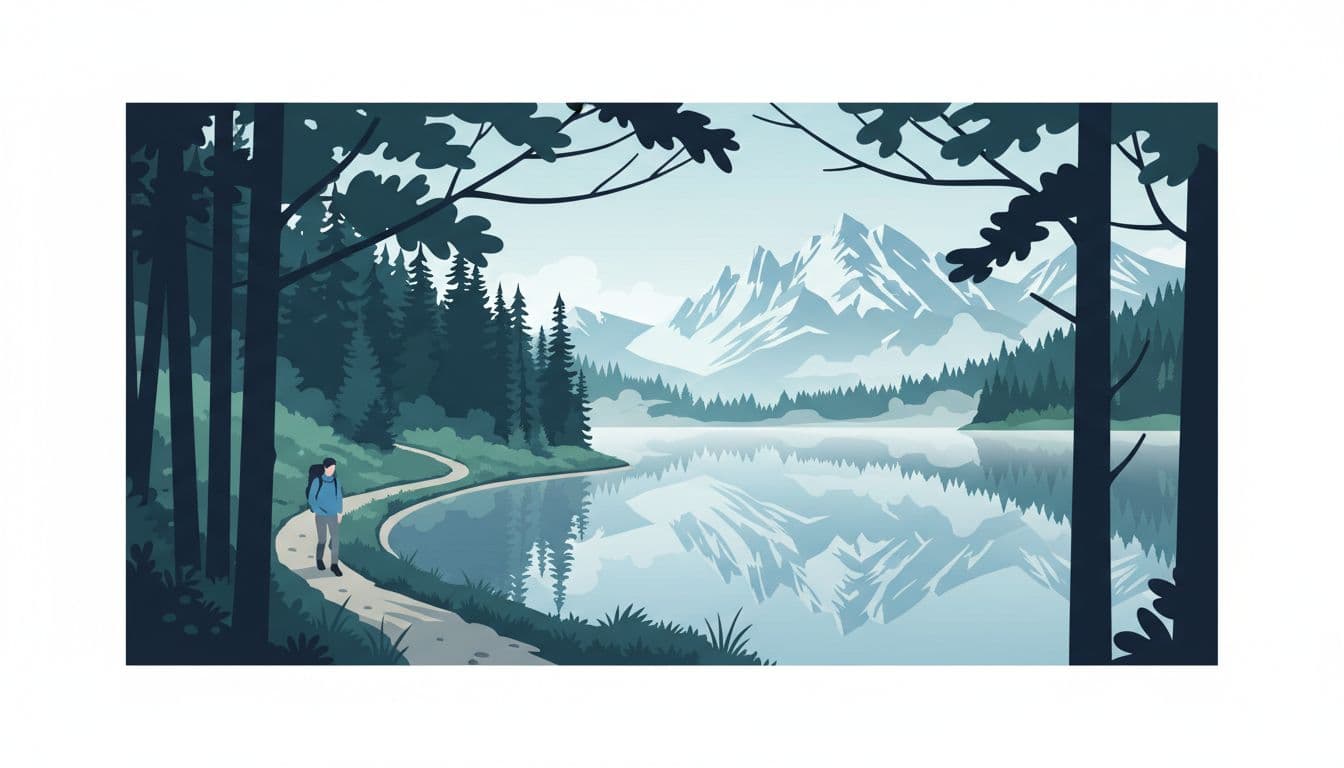
Calm mornings are best because the water often goes flat before the wind wakes up. In fall, the same shoreline shifts from deep green to warm gold and rust, so even a simple reflection gains texture. If you want a practical route to start from, the Alpsee Loop trail overview helps you judge access and distance before you go.
Around Alpsee, the quieter photo is often just a few minutes beyond the main foot traffic.
Fussen Old Town alleys for color, frescoes, and evening light without the crush
Fussen Old Town works best when you stop treating it like a pass-through on the way to the castles. Streets like Schrannenplatz and Reichenstrasse hold plenty of detail on their own, especially once the midday groups thin out. Painted facades, worn cobbles, shallow arches, and shopfront colors give you strong frames without needing a grand viewpoint.
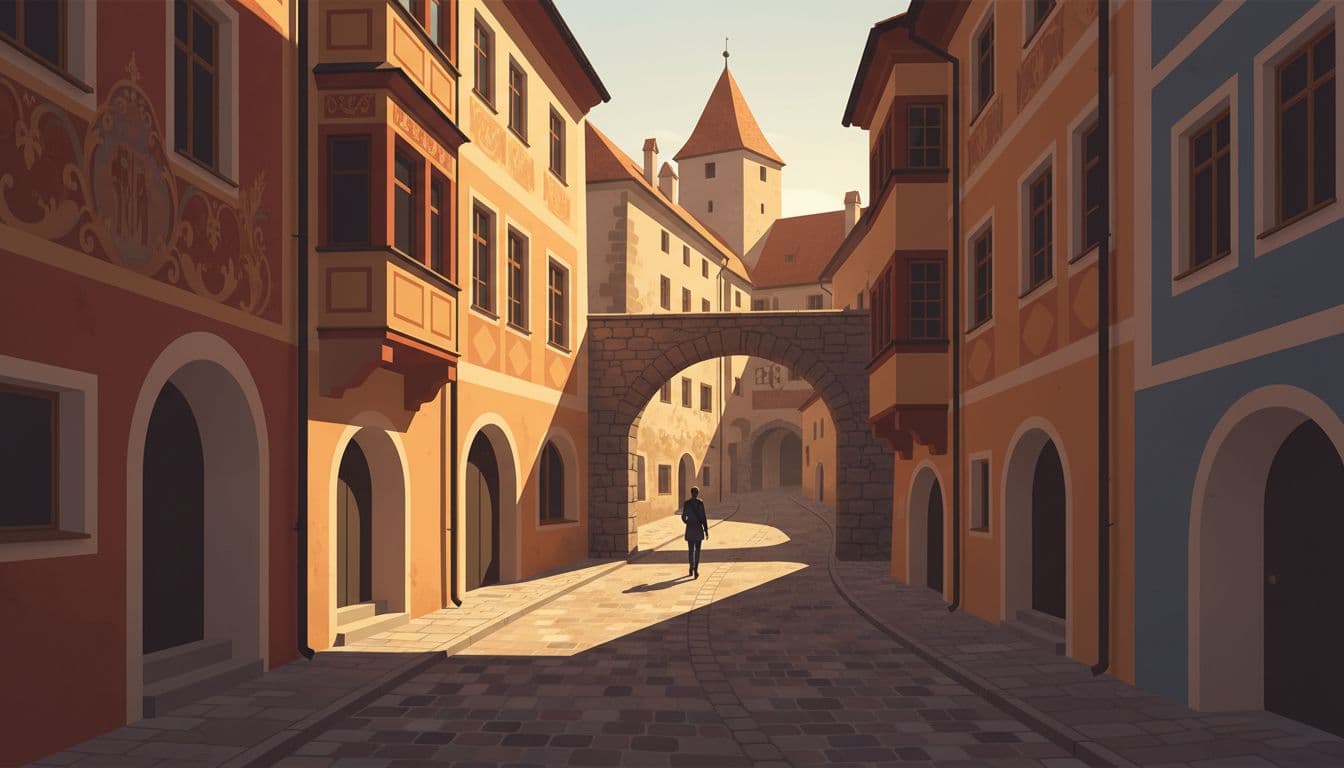
Evening light is the sweet spot because it warms the frescoes and gives the walls a gentle glow. Also, if the main streets still feel busy, head up toward Hohes Schloss courtyard near sunset. It is a smart backup, with open space, historic walls, and a calmer feel than the better-known castle stops. For a quick street layout, the Fussen Old Town walk guide is useful, and the Reichenstrasse overview gives extra context on the area.
Obersee and nearby quiet lakes for still water and simple mountain compositions
Obersee is a good reminder that a peaceful frame does not need a famous castle in it. When the air is still, the lake gives you clean reflections and simple lines, which can be stronger than a crowded landmark shot. Reeds, a curved shoreline, and low clouds often do more for a photo than one dramatic icon.
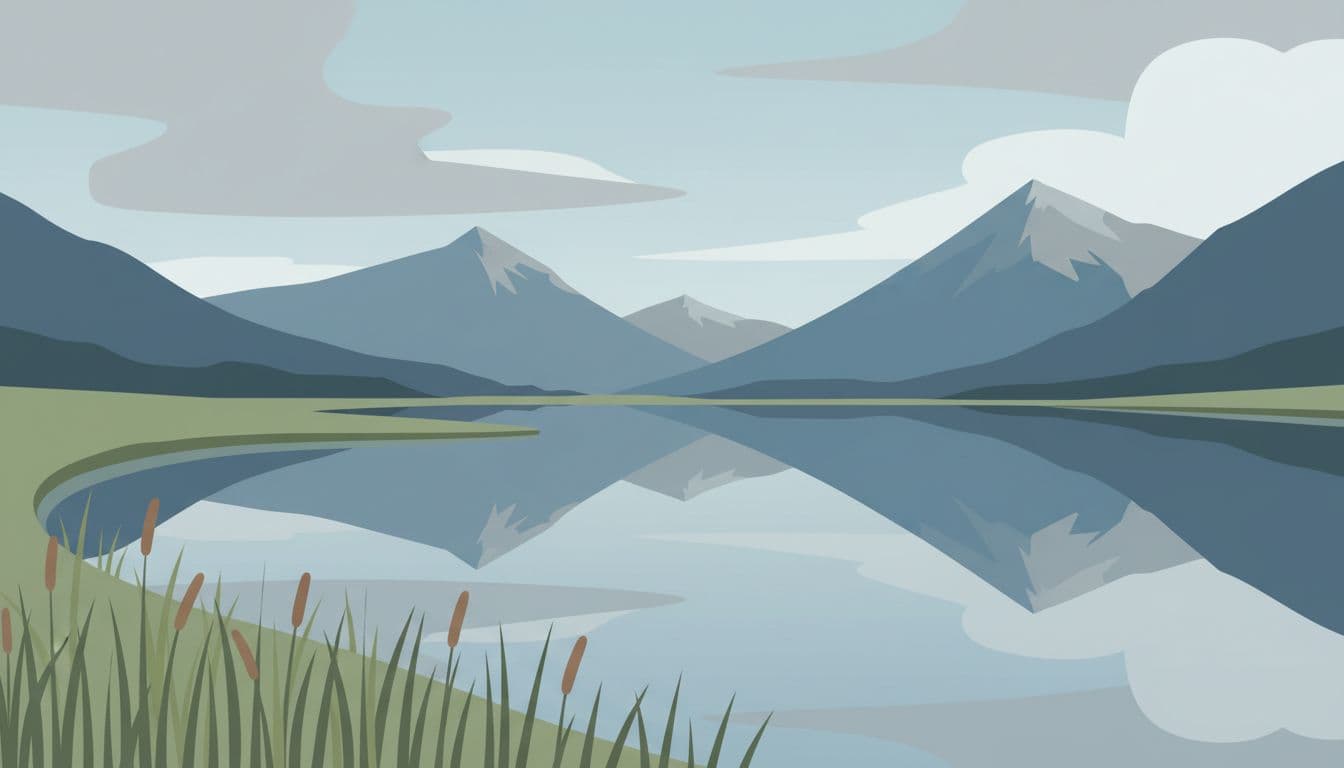
That same rule applies to smaller lakes around Fussen. In calm weather, modest water bodies can produce your cleanest images because they are easier to read and easier to compose. Give your attention to the shape of the shore, the way clouds shift, and the quiet pattern of grasses at the edge. Those are the details that slow a scene down and make it feel real. If you want a visual reference for the lake itself, this Obersee photo spot page shows the kind of mood that draws photographers there.
How to plan your Bavaria photo days so hidden spots stay peaceful
A quiet photo day in Bavaria starts long before you lift the camera. Timing, weather, and how you move through a place matter as much as the spot itself. If you plan with a light touch, you get calmer scenes, easier parking, and photos that still feel like Bavaria, not a queue.
Weekdays are your best friend, especially Tuesday through Thursday. If a place has easy road access, arrive early or use the train and local bus where it makes sense. In the Bavarian Forest, the national park transit guide is useful if you’d rather skip parking stress; by contrast, small village stops and waterfall pull-offs often work better with a car, but only if you’re parked legally and off the road. Keep a small pack with water, a rain shell, a warm layer, and dry socks. That short list solves most mountain weather surprises without turning the day into a gear test.
Best times for light, weather, and fewer people
Sunrise is still the cleanest window for hidden photo spots in Bavaria. Roads are quieter, wind is lower, and lake edges often stay smooth enough for reflections. Blue hour also earns its place, especially in village streets and around church towers, where soft blue sky and warm window light can carry a whole frame.
Cool nights can set up morning fog, most often in spring and early fall. That soft mist works like a curtain half-drawn, hiding clutter and adding depth to valleys, lakes, and meadow edges. Shoulder season is usually the sweet spot, and guides like this Bavarian Alps timing overview line up with what photographers see on the ground: May, June, September, and October often bring the best mix of light and breathing room.
Overcast days help more than most travelers think. In forests and at waterfalls, clouds flatten harsh contrast, hold detail in wet rock, and make green tones richer. Winter can be beautiful too, but higher areas may close or turn risky after snow, so keep alpine plans flexible and save exposed routes for safe conditions.
Simple local etiquette that helps you get better photos
Good manners protect the places you came to photograph, and they also improve your shots. Stay on marked trails, because trampled edges and shortcut scars ruin foregrounds fast. In sensitive areas, parks such as the Bavarian Forest National Park make that rule clear for a reason.
In villages, keep the volume down, especially early and late. A still lane with shuttered windows has a fragile mood, and loud voices break it for everyone. The same goes for roads and farm access. If you stop for a photo, don’t block a lane, gate, or driveway, even for a minute.
Respect private property, skip fences and lawns, and leave no trace. Pack out tissues, snack wrappers, and anything else you brought in. When you move gently, people stay welcoming, places stay open, and your photos keep the calm that made you stop in the first place.
Conclusion
Bavaria still has calm corners, but they rarely sit on the usual checklist. The best photos in this guide come from slowing down, then letting forest walks, village streets, and lake paths do their work. When you trade the rush for time, the mood returns to the frame.
That is the thread running through these hidden photo spots in Bavaria. A misty trail in the Bavarian Forest, a quiet lane in Aschau or Bayrischzell, and a still lakeside near Fussen all reward patience more than speed. Go early, especially on a weekday in spring or fall, and the same region feels softer, clearer, and far less crowded.
Pick one area and stay with it for the day. You’ll come home with stronger images, and a better sense of the slower side of Bavaria that most travelers pass right by.
