
First light slides across pale rock walls, grassy ridges, and still lakes, and the Dolomites start to glow pink and gold. That brief window is why sunrise photo spots in the Dolomites matter so much, because the light is softer, the air is often calmer, and the peaks have a better chance of catching that warm alpine glow locals call enrosadira.
If you’ve ever shown up too late, you know how fast the mood can vanish. By mid-morning, harsh contrast, rippled water, and tour-bus crowds can flatten a scene that looked magical at dawn, while sunrise often brings quieter trails, cleaner reflections, and fewer people in the frame. In spring and early summer, that early start can also mean steadier weather before wind and haze build later in the day.
This guide focuses on the best sunrise locations, what each place looks like at dawn, how hard it is to reach, and how to choose the right one for your trip, whether you want an easy lakeside shot or a higher ridge with wide-open views. With that in mind, start with the spots that give you the strongest light and the best fit for your pace.
How to choose the right sunrise spot for your trip
The best sunrise spot in the Dolomites is not always the most famous one. It is the place that fits your time, fitness, base town, and photo goal. If you stay near Cortina, one plan makes sense. If you sleep in Val Gardena, another will save you a brutal wake-up and a long dark drive.
Season matters too. Summer through early fall usually gives the easiest access, because high roads are more likely to be open, trails are clearer, and mountain huts are operating. Even then, conditions shift each year. Snow can linger, roads can open late, and lift schedules can change, so always check local access details before you commit to a 3:30 a.m. alarm.
Pick between easy roadside views and short pre-dawn hikes
Some sunrise spots are almost ready-made for a simple morning. Others ask a bit more from you before the light arrives. That choice shapes your whole experience.
Drive-up or near-car locations like Passo Giau and Passo Fedaia are great if you want a low-stress start. You can park, walk a short distance, set up fast, and spend more energy on composition instead of climbing in the dark. That makes them a smart fit for beginners, road trippers, families, and anyone moving between towns. If you’re based near Cortina, Passo Giau is especially easy to work into an early shoot, and this Passo Giau guide gives a helpful overview of the area and trail options.
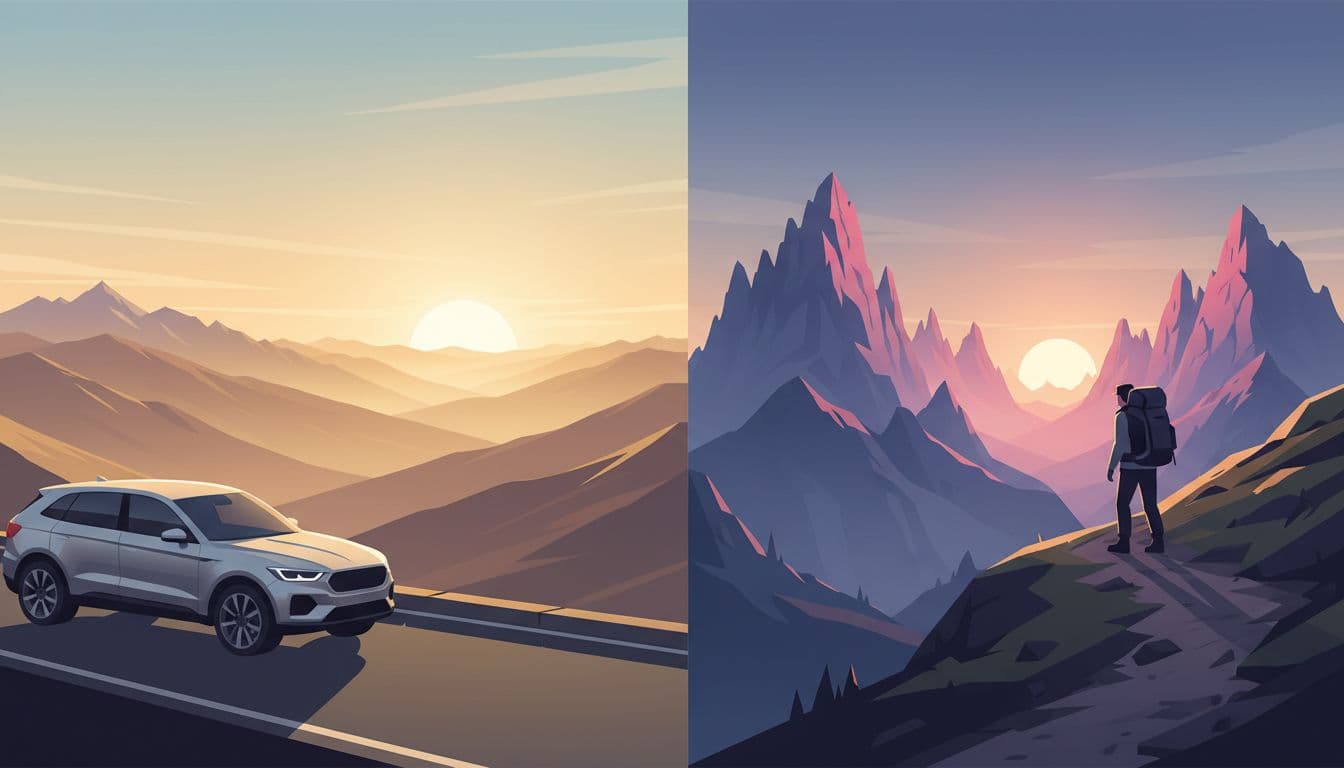
By contrast, places like Tre Cime viewpoints beyond Rifugio Auronzo or the ridges around Seceda ask for more planning. The reward is often a cleaner angle, a stronger foreground, and fewer signs of roads or parking areas in the frame. These spots suit serious photographers, hikers, and travelers who don’t mind earning the shot. If you love the idea of standing above the world as the peaks catch fire, a pre-dawn walk is often worth it.
A simple way to choose is to match the spot to your trip style:
| Travel style | Best fit | Why it works | | | | | | First-time visitor | Passo Giau, Passo Fedaia | Easy access, less stress, fast setup | | Family trip | Near-car passes and lakes | Short walks, easier timing, less fatigue | | Fast road trip | Roadside viewpoints | You can cover more ground in a short stay | | Photo-focused trip | Tre Cime, Seceda | More dramatic angles, stronger foregrounds | | Mixed group | Easy pass with optional short walk | Keeps everyone happy without splitting up |
If your group has different fitness levels, the easier option usually wins. Sunrise comes quickly, and the dark adds friction to every step. A roadside pass is often better than forcing a long uphill start that leaves everyone tired before the light even begins.
Know what kind of sunrise photo you want
Each Dolomites location has its own mood. That is why picking by name alone can lead to the wrong shoot. A famous spot may be beautiful, but it still might not give you the image you came for.
If you want mirror-like reflections, lakes are the clear target. Calm water at dawn can turn the scene into glass, but only if wind stays low and you arrive early enough to claim a clean edge. If you want layered mountain depth, high passes and open ridges work better because they stack peaks and valleys into soft bands of light. If your style leans toward sharp ridgelines and bold shapes, Seceda is hard to ignore. Its serrated edge looks almost carved from paper when sunrise brushes the rock.
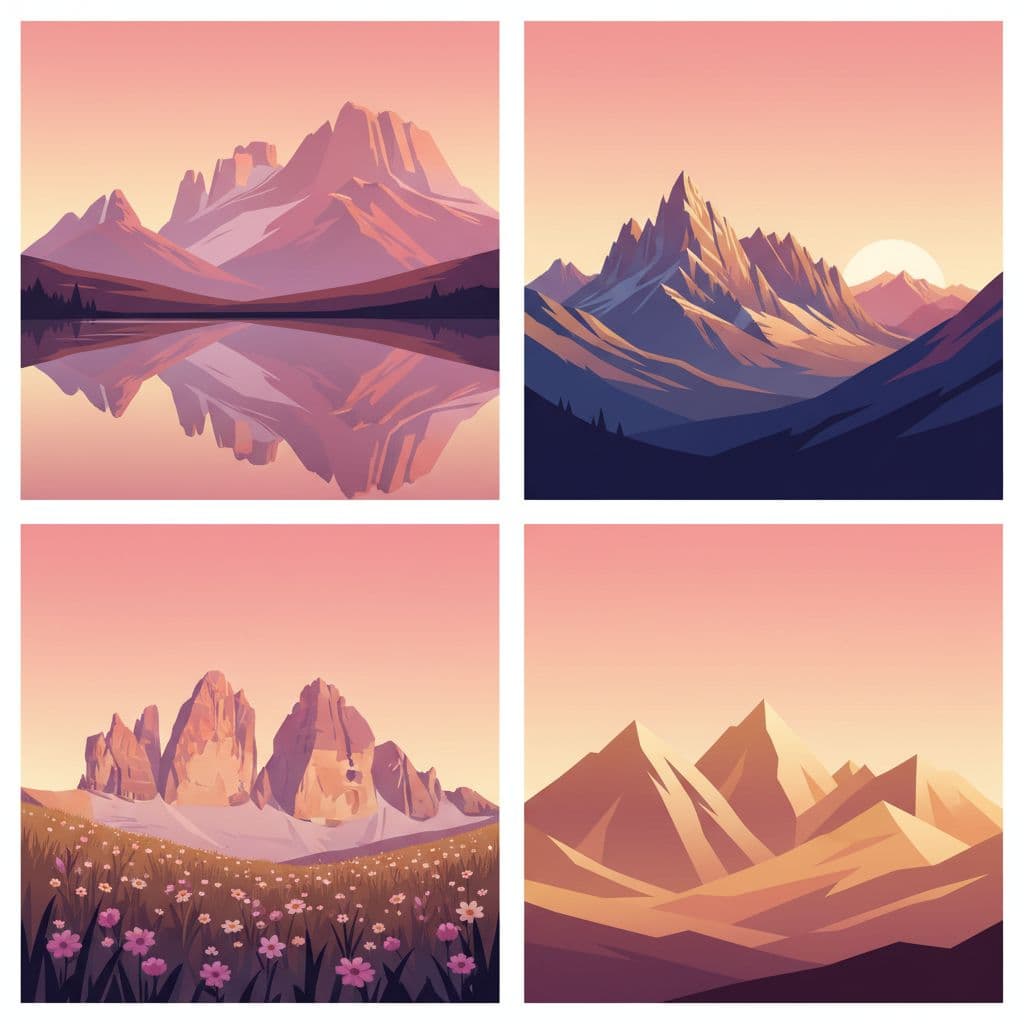
Some places feel softer. Meadows and rolling pasture give you gentler foregrounds, more space, and a calmer frame. Others are all about iconic peaks, where the mountain itself is the subject and everything else supports it. Tre Cime, for example, is less about subtle layers and more about that unmistakable skyline.
Before choosing a spot, picture the final frame in your head. Are you after:
- A still lake reflection
- A wide scene with many layers
- A single famous peak
- A ridge with strong lines
- A meadow foreground with soft light
That quick check can save you a wasted morning. A location should match your vision, not just your saved pins. If you want the classic Passo Giau curve and Ra Gusela silhouette, you can read more about access and viewpoints in this sunrise-focused Ra Gusela guide. If you prefer broad, graphic mountain forms, Seceda is often the stronger pick.
Choose the image first, then choose the place. Popularity does not guarantee the right composition.
Check access rules before you set your alarm
A sunrise plan can fall apart long before first light. In the Dolomites, access rules matter almost as much as weather. Parking limits, seasonal road openings, toll roads, and cable car times all decide whether a spot is realistic for dawn.
High roads such as Passo Giau and Passo Fedaia usually open in late May or early June, depending on snow, and they can close again in fall with the first major storms. That makes summer to early fall the easiest window for most travelers. Even during the main season, park only in marked spaces. On popular passes, stopping on grass, road edges, or pull-outs can lead to fines and blocked traffic.
Tre Cime needs extra care. The road to Rifugio Auronzo is one of the biggest sunrise access traps because summer entry for private cars may require an advance reservation. If that road is part of your plan, check current rules before your trip and do not assume you can just show up. A missed booking there can erase your whole morning.
Seceda creates a different problem. The famous ridgeline is often linked to a cable car in people’s minds, but cable cars start after sunrise, not before it. That means a true dawn shoot usually involves staying higher up, hiking in the dark, or choosing a different location entirely. If you’re based in Ortisei and don’t want a long pre-dawn climb, Seceda may look perfect on Instagram but fit badly in real life.
Alpe di Siusi also needs planning because driving access is restricted. The official Seiser Alm access rules explain the controlled traffic system, and the local transport and cable car information helps if you plan to use lifts or buses later in the day. For sunrise, that usually means one thing: you may need to hike up in the dark with a headlamp.
A good sunrise plan has four checks:
- Road status for your travel dates.
- Parking or reservation rules for the exact access road.
- Walking time in the dark, not daytime trail estimates.
- Your base town, because a two-hour drive before dawn changes everything.
The Dolomites reward early effort, but they also punish sloppy planning. When access is easy, take advantage of it. When rules are tight, build in extra time and confirm details the day before. That small habit can be the difference between watching pink light hit the peaks and watching it from a closed gate.
The best photo spots in the Dolomites for sunrise
Some Dolomites sunrise spots ask for a long hike and a perfect alarm. Others give you a huge payoff with far less effort. The places below are the ones photographers keep coming back to because each has a clear visual identity, a practical access pattern, and a look that changes fast in first light.
If you’re choosing just one or two, match the location to the kind of frame you want. Some scenes are all sharp rock and strong lines. Others are softer, with mist, meadow texture, and long shadows stretching across the ground.
Passo Giau for easy access and big mountain drama
Passo Giau is one of the easiest sunrise wins in the Dolomites. You can park at the pass, walk a short distance, and still get a scene that feels huge. For first-time visitors, that matters. You spend less time worrying about logistics and more time watching the light hit the peaks.
The view is broad and open, with rolling foreground hills, a wide skyline, and a near 360-degree feel. As dawn builds, the land unfolds in layers, grass in the front, dark ridges in the middle, and pale rock catching color above. Nearby knolls and gentle hills also give you stronger foreground options if you want depth instead of a simple roadside frame.
This spot works best for wide landscapes, especially when you want curves in the foreground leading toward dramatic peaks. It’s also a good place to test more than one composition in the same morning, because small position changes can shift the whole balance of the frame. For a look at the main viewpoints, this Passo Giau hiking guide is a useful starting point.
Tre Cime di Lavaredo for the classic jagged peak shot
Tre Cime is the postcard scene, and for good reason. Those three jagged towers have a shape that reads instantly, even in silhouette. When sunrise touches them, the rock edges sharpen and the whole skyline starts to glow. If you want an iconic Dolomites image, this is one of the strongest choices.
Access is less casual than Passo Giau. Most photographers either start walking before dawn from the parking area near Rifugio Auronzo, or they stay overnight in a nearby rifugio to cut down the stress. That early push pays off, because the trails are much quieter at sunrise than they are later in the morning, when the area fills fast.
The best shots here usually focus on peak shape and clean light, not busy foreground detail. Summer often works especially well because the early sun can light the faces of the peaks with warm color. If you want a sense of the classic dawn mood, this Tre Cime sunrise image shows why the location is so well known.
Seceda for glowing ridgelines above Val Gardena
Seceda has one of the most striking sunrise shapes in the Dolomites. The ridge looks almost cut with a blade, and the steep green slopes below it fall away toward Val Gardena in long, clean lines. When side light reaches the ridge, the contrast between bright grass and pale rock can be stunning.
This is a place for graphic compositions. The ridge itself is the star, while the valley and distant peaks add scale behind it. Because of that, Seceda works best if you like bold outlines, diagonal lines, and images that feel dramatic even before the sky turns colorful.
The catch is access. Cable cars usually don’t help for sunrise, because they start after first light. So if you want the real dawn window, you need either a very early hike or an overnight stay nearby. That extra effort is the price of one of the best ridge shots in the region. If you’re planning the route, this Seceda visitor guide helps with access and timing.
Seceda is one of the best sunrise spots when the shape of the land matters as much as the light.
Alpe di Siusi for soft meadows, mist, and layered light
Alpe di Siusi feels different from the sharper rock scenes elsewhere. Instead of jagged peaks filling the frame, you get open alpine fields, weathered wooden huts, rolling ground, and mountain backdrops that sit farther off. The mood is calmer, almost pastoral, and sunrise often adds low mist that drifts through the meadows like a thin veil.
Because the land is gentle, the best images here often rely on light and atmosphere. Long shadows can rake across the grass. Fog can pool in low spots. A simple hut or fence line can become the anchor of the whole composition. If you prefer soft layers over hard edges, this is one of the best places to shoot.
Planning matters more than many first-time visitors expect. Car restrictions apply in parts of the area, so you need to sort out transport in advance instead of assuming you can drive straight to your chosen viewpoint. In many cases, that means staying nearby or hiking in early. For route ideas and a good feel for the terrain, this Alpe di Siusi sunrise hike guide is worth a look.
Passo Fedaia and Col dei Rossi for Marmolada views
If you’re based near Canazei, these two spots make a smart sunrise pair. They give you two very different angles on the same mountain world, especially around Marmolada.
Passo Fedaia is the easier option. You get quiet roadside access, fast setup, and one of the better chances for calm-water reflections of Marmolada when the wind stays low. That makes it a strong pick for mirror-like lake shots and simple, clean compositions. The road-side convenience also helps if you want a low-stress morning after a long travel day.
Col dei Rossi shifts the perspective higher. From up there, the view opens wider across Marmolada, the Sella Group, and Sassolungo. The scene feels more expansive, with more layers and a stronger sense of height. This is the better choice for big panoramic frames rather than tight reflection shots.
The trade-off is access. Col dei Rossi usually needs an early hike because the lift starts after sunrise, so you can’t rely on it for the dawn window. If you’re weighing the hike, this Col dei Rossi trail page gives a practical overview of the route. Between the two, Passo Fedaia is simpler, while Col dei Rossi offers the bigger aerial-style payoff.
What each sunrise spot does best
Once you’ve narrowed the field, the next step is simple: pick the place that matches your photo style, energy, and morning tolerance. Some spots are forgiving and fast. Others ask for a dark walk, a stricter timeline, and more commitment before the first pink light reaches the peaks.
Use this as a practical filter, not a beauty contest. In the Dolomites, the best sunrise spot is often the one you can reach calmly, set up in time, and shoot well.
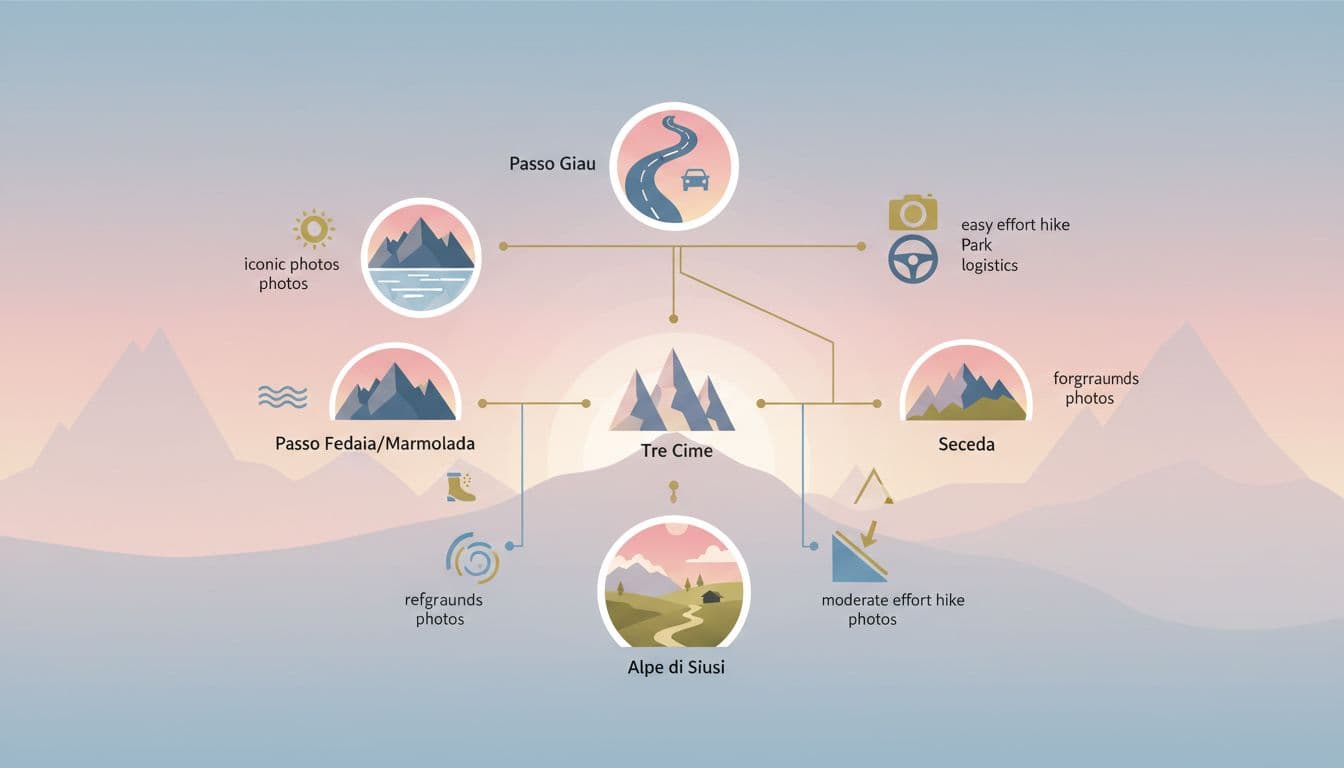
A quick side-by-side view makes the choice easier:
| Spot | Best for | Effort | Logistics | | | | | | | Passo Giau | First-time visitors, layered views | Easy | Very simple | | Passo Fedaia | Reflections, calm starts | Easy | Very simple | | Tre Cime | Classic postcard peaks | Moderate | Earlier start, more planning | | Seceda | Famous ridgeline drama | Moderate to hard | More walking, lift limits | | Alpe di Siusi | Meadows, mist, soft foregrounds | Moderate | Access rules matter |
The pattern is clear. Easy access usually means less stress, while the most famous skyline shots often ask for more from you before sunrise even begins.
Best spots for beginners and first-time Dolomites visitors
If this is your first sunrise in the Dolomites, Passo Giau and Passo Fedaia are the safest bets. Both are easy to reach by car in the main season, and both give you a high reward without a messy pre-dawn approach.
Passo Giau is great when you want a classic mountain feel with very little friction. You park, walk a short distance, and the scene opens wide, with curved hills and peaks stacked behind them. That ease matters because sunrise runs on a tight clock. If you lose 20 minutes to parking confusion or a wrong turn, the best light is gone.
Passo Fedaia is just as beginner-friendly, but the mood is different. It suits photographers who want cleaner frames, calmer water, and a more direct mountain reflection when conditions line up. If you’re staying around Canazei or the Marmolada side, it can be one of the least stressful dawn outings in the region. A local overview of Dolomites sunrise vantage points also points to this kind of simple-access payoff.
For first-timers, easy logistics are not a minor detail. They’re the difference between arriving flustered and arriving ready.
At sunrise, a simple plan often produces better photos than an ambitious one you barely pull off.
Best spots for iconic postcard views
If you want the scene people recognize at a glance, choose Tre Cime or Seceda. These are the headline acts, the frames that look like they were drawn with a fine pen against the sky.
Tre Cime is all about shape. The three towers rise cleanly and sharply, and that outline carries the image even before the sky turns rich with color. It’s one of the best picks if your goal is a true postcard-style Dolomites shot. The trade-off is timing. You usually need an earlier start, and depending on your angle, a short walk in low light is part of the deal.
Seceda is just as famous, but its strength is different. The ridgeline has a dramatic sweep, with steep green slopes falling away under pale rock teeth. It creates a more graphic frame, almost like the mountain was cut from paper. That look is powerful, but it rarely comes easy. Since cable cars don’t help at dawn, sunrise here usually means more walking or sleeping higher up. For route planning, this Seceda scenic guide is useful for setting expectations.
So the trade is simple. Stronger, more famous images usually come with earlier alarms and more effort. If you want the skyline everyone remembers, you have to earn a little more of the morning.
Best spots for reflections, foregrounds, and mood
When the mountain itself isn’t the whole story, composition takes over. In that case, your best choice depends on what you want in the front of the frame.
Passo Fedaia is the best fit for reflections. On a calm morning, the water can hold Marmolada like polished glass. This is the place to go if you like balanced compositions, clean symmetry, and a quieter visual rhythm.
Alpe di Siusi is strongest for meadow foregrounds and soft mood. You get huts, fences, rolling grass, and, on the right morning, thin mist lying low across the fields. The mountains sit behind the scene instead of swallowing it whole, so the frame feels gentler and more layered. That makes it a smart choice if you prefer atmosphere over rock drama. Just remember that Seiser Alm access rules can shape your plan, especially for a dawn start.
Passo Giau lands in the middle and works best for layered foreground hills. Its rounded terrain gives you natural leading lines and depth without needing a lake or a hut. If your style leans toward wide landscapes with movement in the land, this is where the frame starts to breathe.
A simple way to choose is to match the place to the composition you like most:
- Pick Passo Fedaia if reflections are the goal.
- Choose Alpe di Siusi if you want meadow texture, mist, and a softer mood.
- Go to Passo Giau if you want rolling foreground layers that lead the eye into the peaks.
That small choice changes the whole feel of the image. One morning gives you stillness, another gives you texture, and another gives you depth.
How to get better sunrise photos in the Dolomites
A great sunrise photo in the Dolomites usually comes down to small choices made before the light arrives. Timing, a stable setup, and a clean frame matter more than fancy gear. If you get those right, even a simple roadside stop can give you a frame worth keeping.
The mountains also reward patience. Color often builds in layers, first a cold blue hush, then a pink edge on the peaks, then gold on the grass. If you rush in at the last minute, you miss the best part of the show.
Arrive earlier than you think you need to
In the Dolomites, the best color often shows before the sun clears the horizon. The peaks can turn pink while the valley still sleeps in shadow, and that soft alpenglow usually looks better than the harsher light that comes later. So if you arrive at sunrise time, you’re often already late.
For easy roadside spots like Passo Giau or Passo Fedaia, aim to be there 30 to 45 minutes early. That gives you time to park, walk a little, and set up without panic. For hikes, add more margin than you think you need, because darkness slows everything down, especially on uneven ground. Many photographers prefer a much earlier start, and some guides suggest even more buffer for first light, as noted in this Dolomites photography guide.
If you can, scout the location in daylight the day before. A path that feels obvious at noon can look very different at 4:45 a.m. Knowing where the fence line bends, where the lake edge is muddy, or where a ridge opens up can save the whole morning.
The best sunrise photos often begin in the dark, not at sunrise.
Pack light, but don’t skip the basics
It’s easy to overpack for a photo morning. Then the bag feels like a sack of rocks halfway up the trail. Keep it simple and carry what you’ll actually use.
For most Dolomites sunrises, bring a tripod, headlamp, warm layer, water, good shoes, and a wide-angle lens if you have one. Those basics cover almost everything. A tripod helps in the dim blue hour, a headlamp keeps your footing honest, and solid shoes matter more than an extra lens. Mountain mornings stay cold even in summer, especially when you’re standing still waiting for light.
You don’t need your whole camera closet. One body and one or two lenses are enough for most people, and traveling lighter usually means moving faster and thinking more clearly. If you want a broader planning reference, this complete Dolomites photography guide has useful gear and timing notes.
Use the landscape to build a stronger frame
The peaks are the headline, but the foreground is what pulls a viewer into the photo. Without it, even a famous mountain can look flat. A few feet of movement can turn a plain shot into one with depth.
Look for flowers, rocks, fences, lakes, or hut roofs in the front of the frame. These details give the eye somewhere to start before it travels toward the mountains. Ridges, paths, and curved meadow lines also help, because they guide the eye instead of letting it drift. If mist hangs low or clouds catch color, wait a little longer. Sometimes the sky does its best work a few minutes after you think the moment has passed.
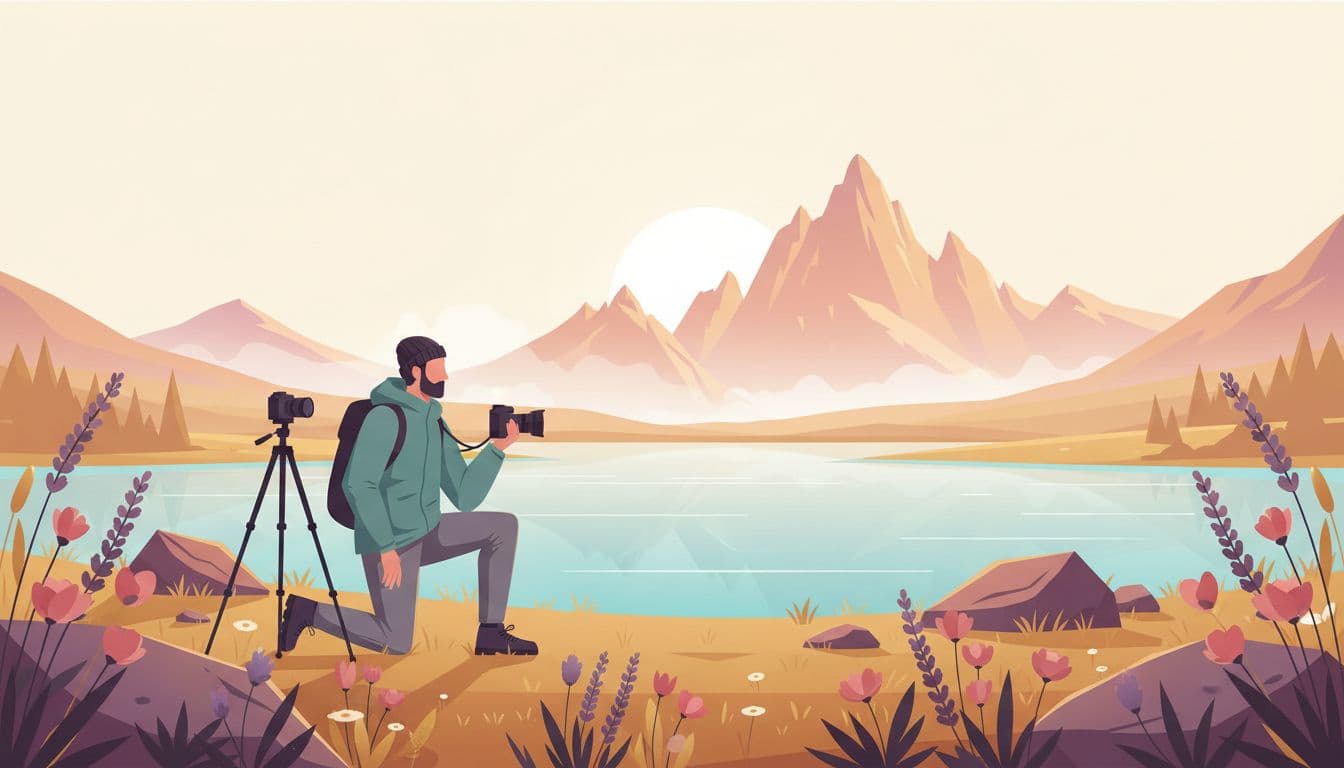
If you’re new to composition, keep one simple idea in mind: find a front, middle, and back. Maybe that’s wildflowers, then a small lake, then glowing peaks. Maybe it’s a fence, then rolling grass, then Tre Cime in the distance. Clean layers make sunrise scenes feel bigger and more alive.
Respect the mountains while you chase the light
A sunrise shoot should still feel calm and under control. Trails can be slick, weather can shift fast, and even an easy route feels different in the dark. So check the forecast, know your route, and don’t treat a pre-dawn hike like a casual stroll. This Dolomites hiking safety guide is a solid reference if you want a quick refresher before your trip.
Stay on marked paths, especially near steep ground, wet meadows, or grazing land. In addition, park only where it’s legal and clearly allowed. That matters at busy passes, where one badly placed car can block traffic before dawn. Near rifugios and farm areas, keep your voice low and move with care. At that hour, the mountains feel like a church before the doors open, and the quiet is part of what makes sunrise special.
Weather also has the final word. If cloud, wind, snow, or ice makes the route feel wrong, turn back and save the shot for another morning. The peaks will still be there.
Conclusion
The best sunrise photo spot in the Dolomites comes down to one simple choice: match the place to the picture you want. Go with Passo Giau or Passo Fedaia if easy access matters most, choose Tre Cime or Seceda if you want famous peaks, and head to Alpe di Siusi if soft meadows and morning haze are your kind of light.
That choice matters more than chasing every well-known location on the map. A calm start, a clear route, and enough time to watch the color build will usually give you a stronger photo than a rushed dash between spots.
The Dolomites give their best moods to people who plan one dawn well. Pick the scene that fits your trip, get there early, and let that single morning unfold instead of trying to collect too many sunrises in one visit.
