
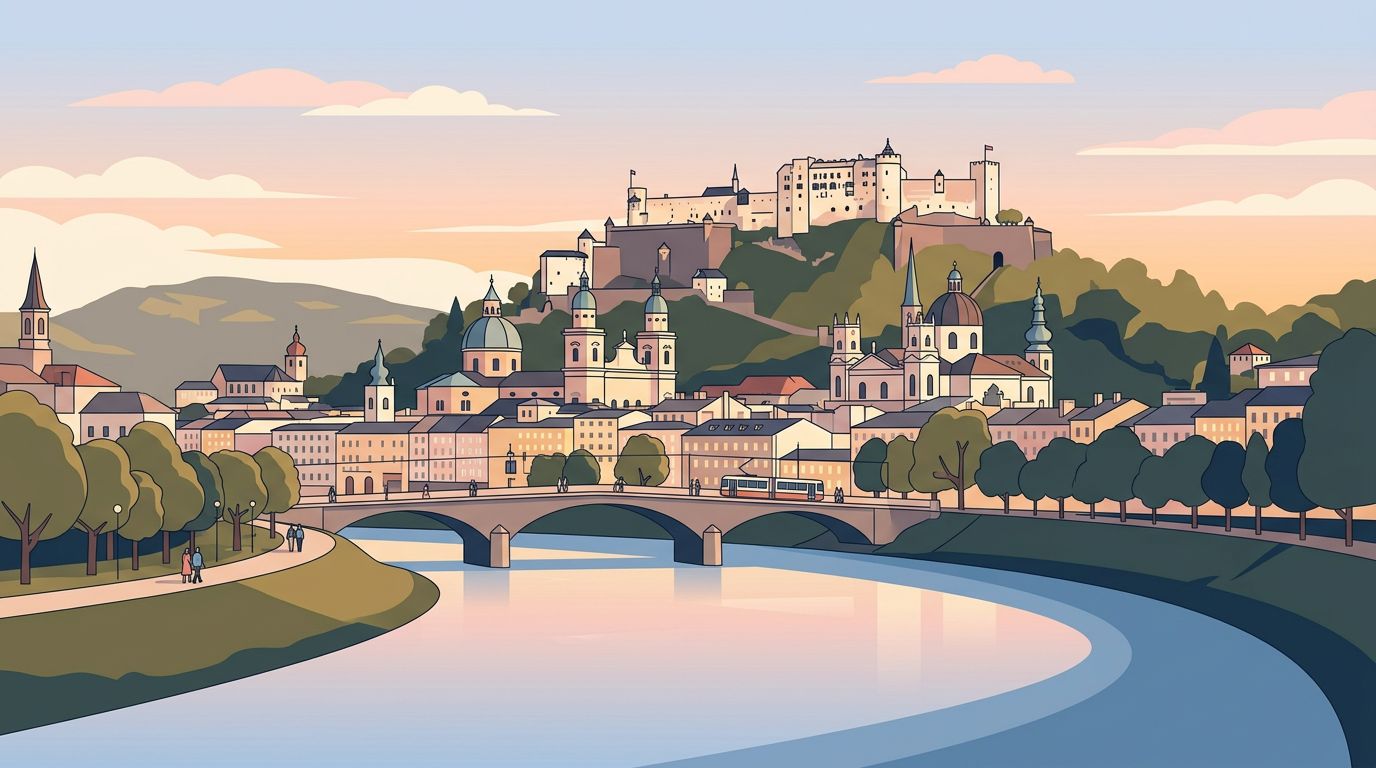
Salzburg rewards patience more than gear. If you are chasing the best Salzburg photo spots with fortress views and river curves, the most memorable frames usually come from a few well-placed bridges, river banks, and winding hillside paths.
You do not need a complicated plan. You need good light, a sense of direction, and a short list of vantage points where the Hohensalzburg Fortress perfectly lines up with the Salzach River rather than hiding behind the rooftops of Old Town Salzburg. Start by checking the light, then choose your angle.
Key Takeaways
- Prioritize the light: Timing is more important than gear in Salzburg; aim for early mornings to avoid crowds and achieve soft, clean light, or stay for the blue hour to capture the city’s illuminated character.
- Use the Salzach River as a guide: The river acts as the city’s best leading line, allowing you to capture the Hohensalzburg Fortress and Old Town skyline with the water providing a natural, reflective foreground.
- Mix your perspectives: Capture the fortress from both river-level vantage points, such as Müllner Steg, and elevated locations like Mönchsberg or Kapuzinerberg for a mix of architectural details and wide city panoramas.
- Master your composition: Use bridge rails, riverbanks, and paths to guide the viewer’s eye, and remember to vary your shots between wide-angle landscape views and tighter crops that isolate the fortress against the historic rooftops.
Pick the light before the location
Salzburg looks its best when the city softens. That means golden hour, right after sunrise or just before sunset, when the fortress walls brighten and the river starts to reflect color instead of glare. When practicing landscape photography in this historic city, timing your session with the movement of the sun is the most effective way to capture the architecture.
Morning has the edge for most travelers. Streets are calmer, tour groups have not yet filled the bridges, and the light comes in clean from the east. Go early. Summer days are long, so sunrise sessions are easier than they sound. In winter, the light stays lower and moodier, which works perfectly with the glow of the Christmas Markets to make the fortress feel heavy and dramatic against the sky.
Late afternoon is still strong, especially from higher ground. The fortress catches warm side light, and the old town begins to glow while the river holds cooler tones below. For those seeking iconic sunset views, staying until the blue hour is essential. If you can remain for 20 minutes after the sun dips, the contrast between the sky, lit windows, and dark water often gives you the day’s most polished frame.
This quick table helps if you are picking one stop at a time:
| Spot | Best light | Walking access | What to frame |
|---|---|---|---|
| North bank promenade | Sunrise | Easy, flat | Fortress above river bend |
| Müllner Steg | Sunrise, blue hour | Easy, flat | Bridge lines plus skyline |
| Mönchsberg platform | Late afternoon | Lift or uphill walk | Wide city panorama |
| Kapuzinerberg stairs | Early morning | Short but steep | Fortress with river below |
The cleanest fortress light often arrives before breakfast.
Spring and autumn are the easiest seasons for balanced photos because the air is often clearer and the trees add shape without hiding the skyline. Summer works well too, but only if you beat the crowds. If you want more ideas for viewpoints within walking distance, keep those in mind for a second round later in the day.
River-level spots that tie the city together
The Salzach River is Salzburg’s best leading line. It pulls your eye straight toward Old Town Salzburg and up to the Hohensalzburg Fortress, which is why many of the strongest city shots come from the north bank rather than from the heart of the city itself.
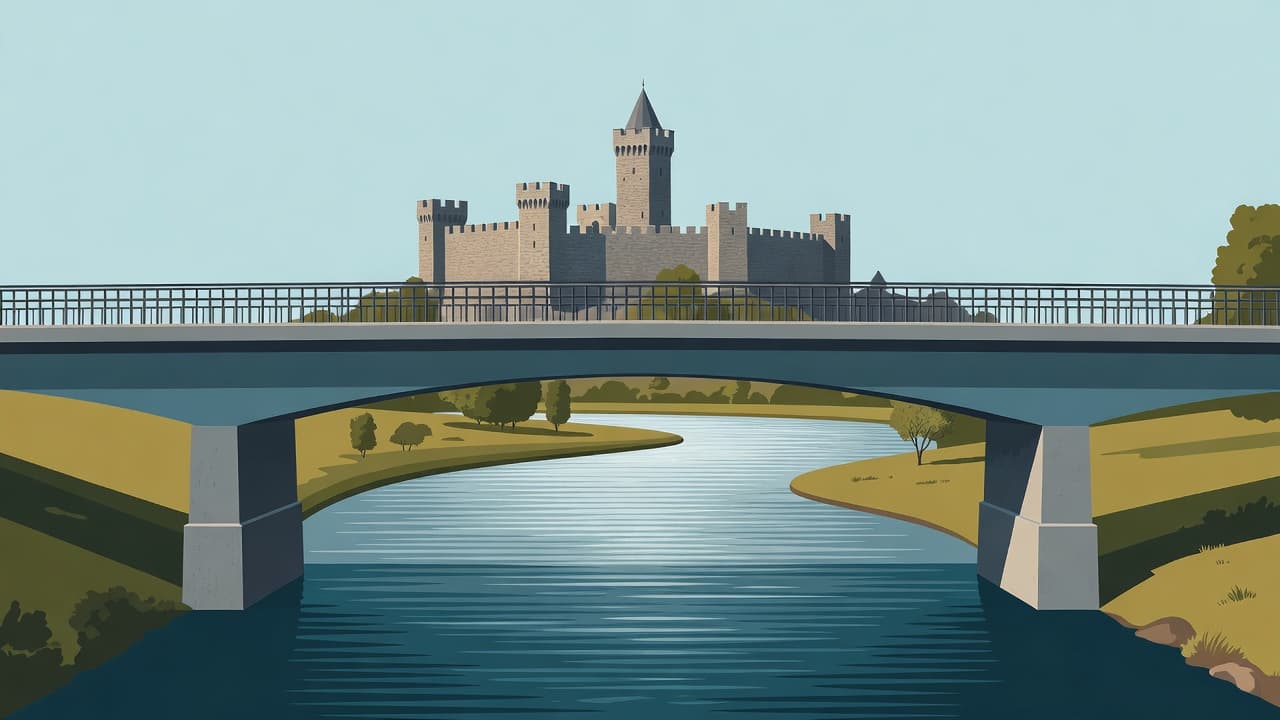
Start near Mirabell Gardens and walk toward the water. From there, the skyline opens up fast. The Hohensalzburg Fortress sits above a tighter cluster of church domes and rooftops, and the Salzach River adds space in front of the city. If the water is calm, keep some empty foreground. Reflection can carry the whole image.
Müllner Steg is one of the most useful bridge views in town because it gives you clean sightlines without too much visual clutter. Face toward Old Town Salzburg and shift slightly left or right until the bridge rails guide the eye inward instead of cutting the frame in half. A wide lens helps here, but a 24-70mm zoom is even better because you can crop past distractions on the banks. Makartsteg is another excellent vantage point that offers a different perspective on the surrounding architecture.
One October morning, I reached Müllner Steg at 7:10 a.m., and for about five minutes the river held a pale mirror of the sky while the fortress caught warm sun and the lower streets stayed blue, which gave the whole frame real depth. That short window passed fast. A cyclist rolled through, the water broke, and the shot changed completely.
Staatsbrucke works differently. It has more traffic and less charm, yet it lines up well if you want the fortress to feel larger above the city. Use the bridge edge as a diagonal, not a centerpiece. Then step off and walk along the promenade on the north side to find the river bend. Small moves matter here, sometimes only ten paces.
For first-time visitors, this is the safest bet: river on one side, skyline on the other, easy walking underfoot. If you want a longer list of river and bridge angles, this complete Salzburg photography guide is a handy cross-check before you head out.
Climb a little for the classic fortress skyline
Higher ground defines the iconic profile of the city. To capture the Hohensalzburg Fortress, the baroque domes of the Salzburg Cathedral, and the Salzach River as it winds through the city center, you need elevation. These panoramic views provide the scale that street level simply cannot replicate.

Photo by Frankie Creative
Mönchsberg is the most accessible elevated option for travelers, as the lift near the Museum of Modern Art whisks you above the rooftops in moments. Once you reach the top, avoid settling for the first viewpoint. Walk further along the ridge to see how the Hohensalzburg Fortress shifts its silhouette against the water. These panoramic views benefit from a wide lens, so keep your horizon level and allow the sea of historic rooftops to anchor the bottom of your composition.
Kapuzinerberg is the superior choice for photographers seeking drama. Start from the Staatsbrücke, enter the historic Steingasse, and prepare for a steep but short ascent. The climb rewards you with a tight, striking angle looking back toward the fortress, making the city appear like stacked theater scenery. While you are perched here, you can easily spot the spires of the Salzburg Cathedral and the expansive roofline of the DomQuartier.
If you are already touring the Hohensalzburg Fortress itself, head directly for the North Terrace. The perspective here is far broader than most visitors realize. You can capture a sweeping panorama of the old town, or utilize stone arches and ancient walls as foreground elements to add depth to your frame. You might even catch a glimpse of the serene grounds of St. Peter’s Abbey from this height.
Sunset views often favor Mönchsberg, as the low light washes the fortress walls in a warm glow against the cooling tones of the city. Mornings are ideal on Kapuzinerberg, as the Salzach River catches the first light of day while the streets remain quiet. If you want more inspiration for your next session, this viewpoints round-up will help you choose the right hill for your preferred composition.
A first-time photo walk that keeps the fortress in frame
If you only have one session to explore the best Salzburg photo spots, start near the iconic Mirabell Gardens before sunrise. These gardens are famous for their Sound of Music appearance, making them a perfect opening sequence for your walk. From there, head toward the north bank of the Salzach River, pause at Mullner Steg, and continue toward Staatsbrucke. As you wander through Old Town Salzburg, make sure to capture Getreidegasse and the exterior of Mozart’s birthplace. If you have time for a detour, Schloss Leopoldskron offers stunning reflections that look fantastic on camera.
To maximize your visit, use the Salzburg Card for seamless access to the funicular and entry into Hohensalzburg Fortress. Finish your session by choosing between the elevated trails of Mönchsberg or Kapuzinerberg, which provide sweeping views of the city. You might also want to include a stop at the historic Petersfriedhof to round out your gallery. This route keeps the fortress visible while the light changes, giving you both river-level and elevated shots without backtracking.
That route also works well for phones, small cameras, and short visits. The river-level section is flat and quick. The climb comes later, once you have already banked a few dependable shots. If your energy fades, stop at the river and skip the hill. You will still come home with solid frames. If you are visiting during the winter months, your shots will benefit from the glowing lights of the Christmas Markets.
A few composition choices make a big difference:
- Shoot one wide frame at each stop, then one tighter crop that isolates the fortress above the roofs.
- Use bridge rails, riverbanks, or paths as leading lines, but do not let them cut across the center.
- Turn vertical when church towers or riverside lamps help carry the eye upward.
- Stay for blue hour if clouds hold color and the water stays smooth.
Content creators should also think about movement. Walk a few steps while filming the river curve, or hold a five-second static clip from a bridge while cyclists pass through the frame. Salzburg has enough motion on its own. You do not need forced posing everywhere.
Phones handle the city well if the light is soft. Cameras help more once the contrast rises or when you want longer exposures on the river. A small tripod is useful at blue hour, but only if you are willing to wait out pedestrians on the bridges.
Frequently Asked Questions
What is the best time of day to photograph the Hohensalzburg Fortress?
Early morning is generally best to capture soft, clean light and a quiet city before the crowds arrive. However, late afternoon offers dramatic side-lighting on the fortress walls, while the blue hour provides a beautiful contrast between the dark sky and the city’s glowing windows.
Do I need a tripod to get good shots in Salzburg?
A small, portable tripod can be very useful if you are planning to shoot during the blue hour or sunset to keep your images sharp during longer exposures. Keep in mind that bridges can be busy with pedestrians, so you may need to be patient to set up your gear safely.
Which vantage point offers the best panoramic view of the city?
Mönchsberg is the most accessible choice, as the lift takes you directly to the top for a wide-ranging view of the city and fortress. For a more dramatic, vertical perspective that makes the town look like stacked scenery, the hike up to Kapuzinerberg is highly recommended.
Are there specific photo spots that are better for beginners?
Starting at the north bank of the Salzach River is ideal for beginners because it is flat, easy to walk, and offers iconic, unobstructed views of the fortress. Bridges like Müllner Steg provide clear sightlines without needing complicated navigation or difficult climbs.
Final frame
The most rewarding Salzburg photos rarely come from the busiest square. They come when you match the right angle with the right light, then stay put a little longer than everyone else.
Give the Salzach River time to settle. Give the Hohensalzburg Fortress time to catch the warm side light before the sun dips behind the peaks. Finally, hold your place on Müllner Steg until the bridge lamps turn into broken gold lines on the water.
