
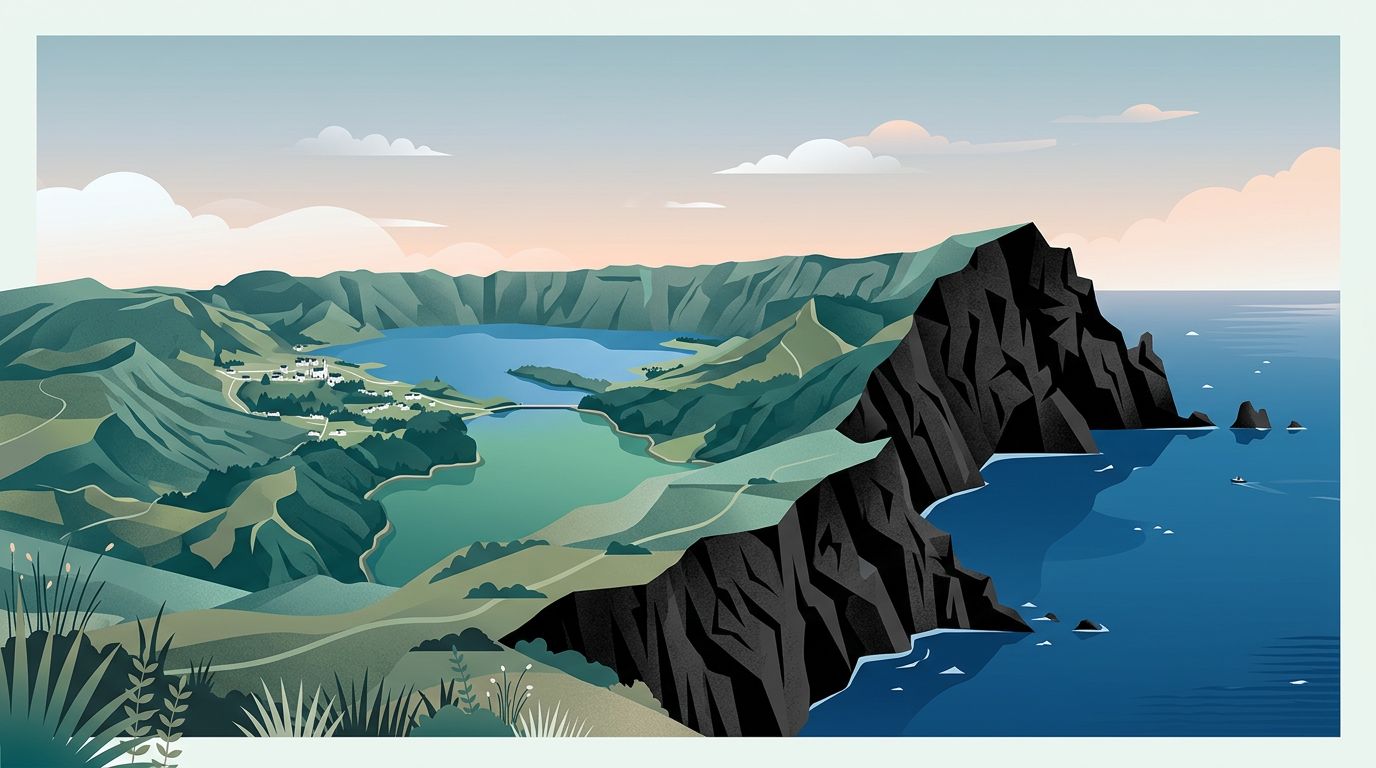
The Azores do not hand out perfect views on schedule. If you are chasing the best Azores photo spots for crater lakes and cliff edges, timing matters more than distance, because the same overlook can look dull at noon and unforgettable twenty minutes later. For those dedicated to landscape photography, the islands offer a dramatic canvas of volcanic craters that change character with every passing cloud.
For most travelers, Sao Miguel is the island with the highest hit rate. It serves as the primary hub for capturing expansive volcanic craters and rugged Atlantic Ocean vistas. You can find twin-lake calderas, high rims, black lava shorelines, and steep drops into the sea within a few hours of driving. Start by studying the light, then pick your viewpoints accordingly.
Key Takeaways
- Flexibility is essential: The weather in the Azores changes rapidly, so avoid over-scheduling your day to ensure you can revisit viewpoints when the clouds clear.
- Prioritize Sao Miguel: As the hub for volcanic crater lakes and rugged coastline, Sao Miguel offers the highest concentration of accessible, high-impact photography locations.
- Timing beats travel: Instead of rushing between multiple spots, stay at a single location longer to wait for the light to shift, especially at crater rims like Boca do Inferno.
- Pack versatile gear: While wide-angle lenses capture the scale, bring a mid-range zoom to isolate crater layers and a telephoto lens to compress the dramatic detail of coastal cliffs.
- Plan for seasonal peaks: Late May to June provides the best balance of lush green slopes, reliable light, and hydrangea blooms, making it the prime window for landscape photography.
When the light works in your favor
Late May through June is the sweet spot for most Azores photo spots, because the slopes stay bright green, mornings can bring thin mist instead of solid fog, and the weather is usually steadier than it is in fall or winter. If hydrangeas matter to your frames, push later into June or July, when the roadsides start to glow blue and violet. To reach these vistas effectively, you should rent a car to maintain control over your schedule as you travel between various viewpoints.
Sunrise and sunset still give the best light, but the Azores reward photographers who stay flexible all day. Clouds can race across a crater rim, soften a cliff face, or open a clean shaft of sun with almost no warning. Because clouds change everything and mist moves so fast, it is essential to rent a car so you have the freedom to chase clear skies across different viewpoints.
Early morning also helps with crowds. Popular overlooks on Sao Miguel fill up after breakfast, especially in good weather. If you arrive first, you get quieter decks, calmer air, and better odds of clean compositions without phones in the frame.
A clouded viewpoint isn’t a failed stop. Wait longer, or come back later.
For 2026 trips, late May to June is the safest window if you want a strong mix of decent weather and photo-friendly light. Still, don’t over-plan every hour. If your map looks efficient but leaves no room to revisit a rim or coast road after the cloud lifts, it will work against you.
The crater lakes worth planning around
For most visitors, the strongest crater lake photos happen on Sao Miguel. That is where the classic caldera views are close enough to revisit, which matters more than most people expect. Patience pays when you are scouting these locations.
Miradouro da Boca do Inferno is the frame many photographers come for first. It pulls together the Sete Cidades basin, the bridge, the two-toned lakes, and the steep green rim in one sweep. A June morning at this location can go like this: the platform stays white with fog until 7:18, then a gap opens for less than a minute and both lakes flash into view, blue on one side and green on the other, while every tripod turns toward the same break in the cloud. That is why you should not leave the viewpoints too early.
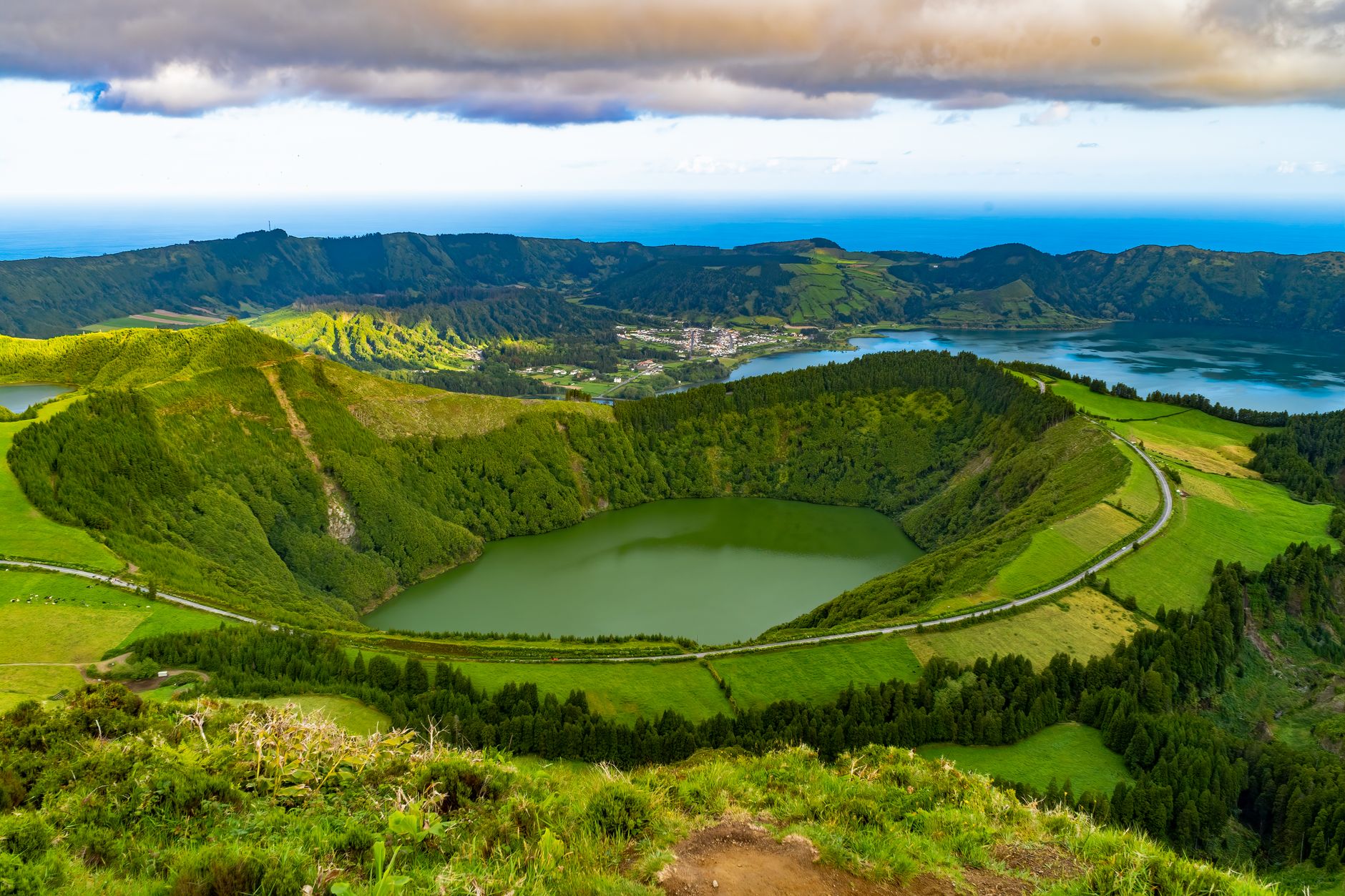
Photo by Erwan Grey
A few minutes away, Vista do Rei gives a broader, higher look across the basin. It is easier to reach and easier to shoot in shifting weather, especially if low cloud blocks the more layered view at the previous spot. If the air is hazy, use a tighter crop and let the old hotel sit at the edge of the frame, not in the center.
Then head to Lagoa do Fogo, which has a different feel. While the basin at Sete Cidades is big and theatrical, Lagoa do Fogo is cleaner, quieter, and better for minimalist frames. From Miradouro da Barrosa, the lake sits lower in the crater, and the rolling slopes around it help you build gentler lines. On bright mornings, a longer lens can cut glare and isolate the water against the rim.
Furnas deserves time too, even though it gets less attention. The lake is not as dramatic from above, but it can be richer in mood. Soft light, low steam from the nearby hot springs, and the lakeside chapel offer calmer images with more atmosphere. Using a tripod is helpful for these moody shots at the chapel. If you are marking locations in advance, this Sao Miguel photography spots guide is handy for cross-checking viewpoints and pull-offs.
Coastal cliff viewpoints with real shape
Some of the best photo spots in the Azores aren’t lakes at all. When the crater rims disappear into cloud, the coast often saves the day, because waves, lava, and headlands provide structure even under flat light.
On the east side of Sao Miguel, Ponta do Sossego and Ponta da Madrugada are sunrise favorites for good reason. The gardens add color, but the real draw is the layered coastline. You can frame one headland after another as they fade into the Atlantic Ocean, which works well in soft dawn haze. If the sky is blank, turn away from it and use the cliff lines instead.
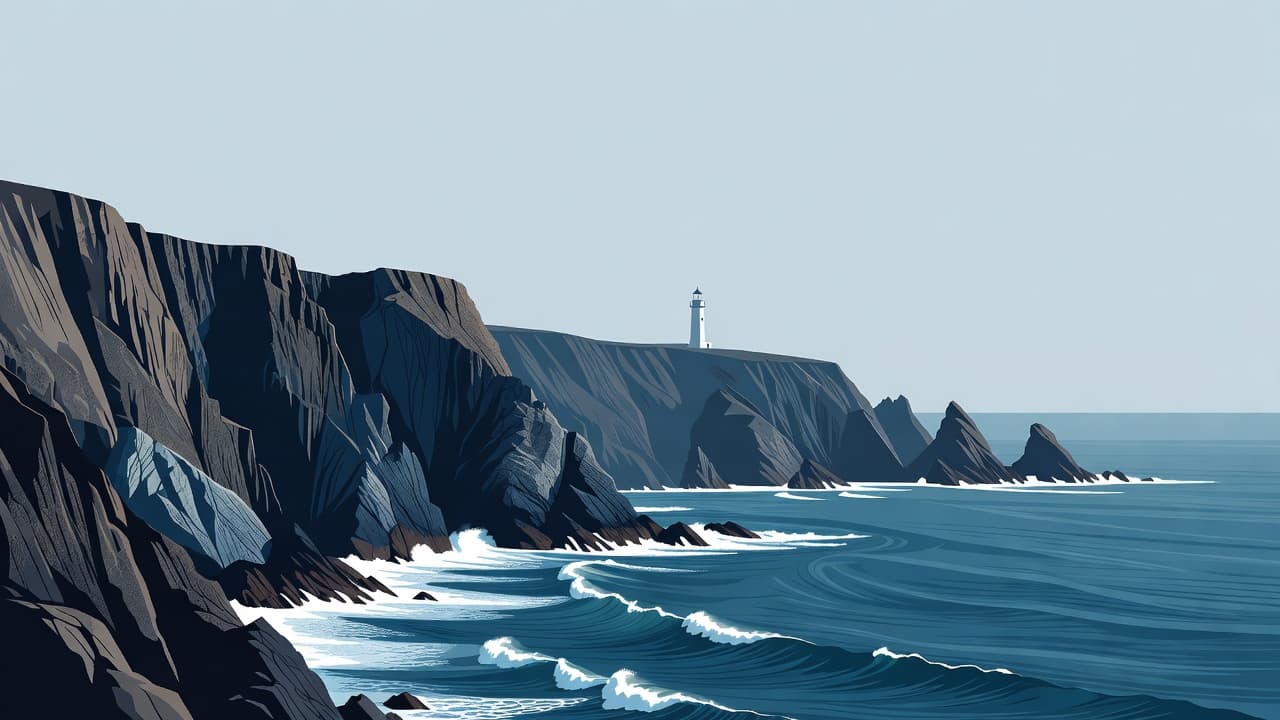
Ponta do Arnel is rougher and more graphic. The road down is steep, the lighthouse adds a fixed subject, and the cliffs fold around the cove in sharp diagonal lines. Bring only what you need. Travel light. Near the edge after rain, footing can turn slick. No guardrail, no second chance.
While Sao Miguel has incredible cliffs, Flores Island is essential for landscape photography enthusiasts. It is home to iconic waterfalls like Poço da Ribeira do Ferreiro, where massive green walls and cascading waterfalls create a dramatic, prehistoric aesthetic that is unlike anything else in the archipelago.
For sunset, the west coast usually gives stronger color. Mosteiros is the obvious stop, and it earns that status. The sea stacks hold shape even when the sky goes pale, and black volcanic rock gives the foreground real weight. Lower your camera and let the lava lead the eye toward the stacks.
Farther north-west, Ponta do Escalvado is a cleaner cliff scene. It trades the famous sea stacks for a broad Atlantic sweep and darker cliff faces that catch late side light well. Additionally, those traveling through the central group should prioritize Pico Island and Faial Island. These locations offer distinct viewpoints of the neighboring islands, providing a sense of scale that adds depth to any portfolio. If wind is high, that extra open space on the coastal cliffs can make handheld shooting easier than working on narrower rims inland.
Small field choices that save the shot
A wide angle lens helps, but it is not the whole answer. At crater lakes, a mid-range zoom often makes stronger frames because it trims empty foreground and keeps the rim lines tight. When scouting coastal viewpoints, a telephoto lens like a 70-200 can flatten layers of cliffs and spray in a way a wider lens cannot.
A tripod helps at dawn, yet wind changes the math. If gusts are strong, keep the legs low, skip the center column, and do not fight for a long exposure just because the ocean is there. A sharp 1/250 frame with texture in the water is better than a blurred compromise.
A polarizer is useful on wet leaves and bright roadsides. Use it gently over lakes. Too much can make the water look flat and dead. Also keep a dry cloth in your pocket, not buried in your bag, because the air near cliff edges can salt your front element fast.
If your plan includes Boca do Inferno, Lagoa do Fogo, and a Nordeste cliff overlook on the same day, leave space to circle back, because a view that looks dead at 8:00 can turn sharp and layered by 8:30 when the cloud lifts off the rim. That extra half hour often matters more than another stop.
For a quick visual scout before your trip, this recent Sao Miguel reel gives a useful sense of how fast the island shifts between lakes, cliffs, and volcanic shore.
Frequently Asked Questions
Why is renting a car necessary for photography in the Azores?
Public transportation does not provide the flexibility required to chase shifting weather patterns across the islands. Having your own vehicle allows you to move quickly between viewpoints when the light improves or to escape crowded parking lots during peak hours.
Should I avoid shooting if the sky is cloudy or foggy?
Absolutely not, as cloudy conditions are a constant feature of the Azores and often add necessary mood and atmosphere to your images. Stay patient at your viewpoint, because gaps in the cloud cover frequently open up with little warning, creating dramatic shafts of light across the crater lakes.
What camera accessories are most important for this trip?
A sturdy tripod is vital for dawn and dusk shots, though you should keep it low to the ground to combat strong winds. Additionally, keep a high-quality lens cloth easily accessible to wipe away salt spray and mist, which can quickly accumulate on your glass when shooting near the Atlantic cliffs.
Final thoughts
The Azores rarely reveal themselves on arrival. The best frame often appears after the drizzle clears, after the tour buses depart, or after you give one more chance to a viewpoint you almost wrote off.
When planning your trip to Sao Miguel, prioritize quality over quantity. Choose fewer Azores photo spots, give each location more time, and watch the light instead of your itinerary. When Sete Cidades finally opens up, will you be there for the moment the left lake turns emerald green and the right one stays deep blue?
