

The finest autumn photo spots Europe has to offer do not always look dramatic at noon. Instead, these European destinations truly come alive during the shoulder season at first light, when lakes steam, valleys fill with mist, and trees turn gold against soft gray air.
That short window is why fall photography here feels addictive. You are not chasing postcard sunshine. You are waiting for layers, silence, and color that glows without harsh light.
If you want frames with mood instead of clutter, these are the places worth waking up for.
Key Takeaways
- Prioritize Atmosphere Over Sunlight: The most compelling European autumn photos rely on soft, moody light and morning mist rather than harsh midday sun, making damp valleys and lakes the ideal subjects.
- Master the Art of Simple Composition: To avoid cluttered frames, look for clear anchor points like church spires, wooden boathouses, or lone trees that remain readable when partially obscured by low-hanging fog.
- Plan for Flexibility and Return Visits: Weather is unpredictable, so group your photo spots geographically to allow for quick transitions and dedicate multiple mornings to the same location to catch the perfect light.
- Use the Right Gear for Low Light: Since mist and dawn lighting often require longer exposures, a sturdy tripod is essential, along with a circular polarizer to manage glare on wet foliage and water surfaces.
What makes a European autumn photo spot worth the trip
Fog matters more than sunlight. Soft light matters more than blue sky.
The strongest locations share a few traits. First, they hold moisture. Lakes, rivers, marshes, and broad valleys often trap morning mist after a cool, clear night. Second, they have shape. A flat forest can look pretty, but a lake with a church, a ridge with a castle, or a stepped valley with scattered trees gives fog something to wrap around. Beyond the visual appeal, these locations offer fewer crowds and milder temperatures compared to the peak summer season, allowing you to fully immerse yourself in the natural beauty of the landscape.
Color also needs structure. Yellow larches on a mountainside are nice, yet they become stronger when a darker forest sits behind them or a pale lake opens in front of them. Contrast makes autumn speak.
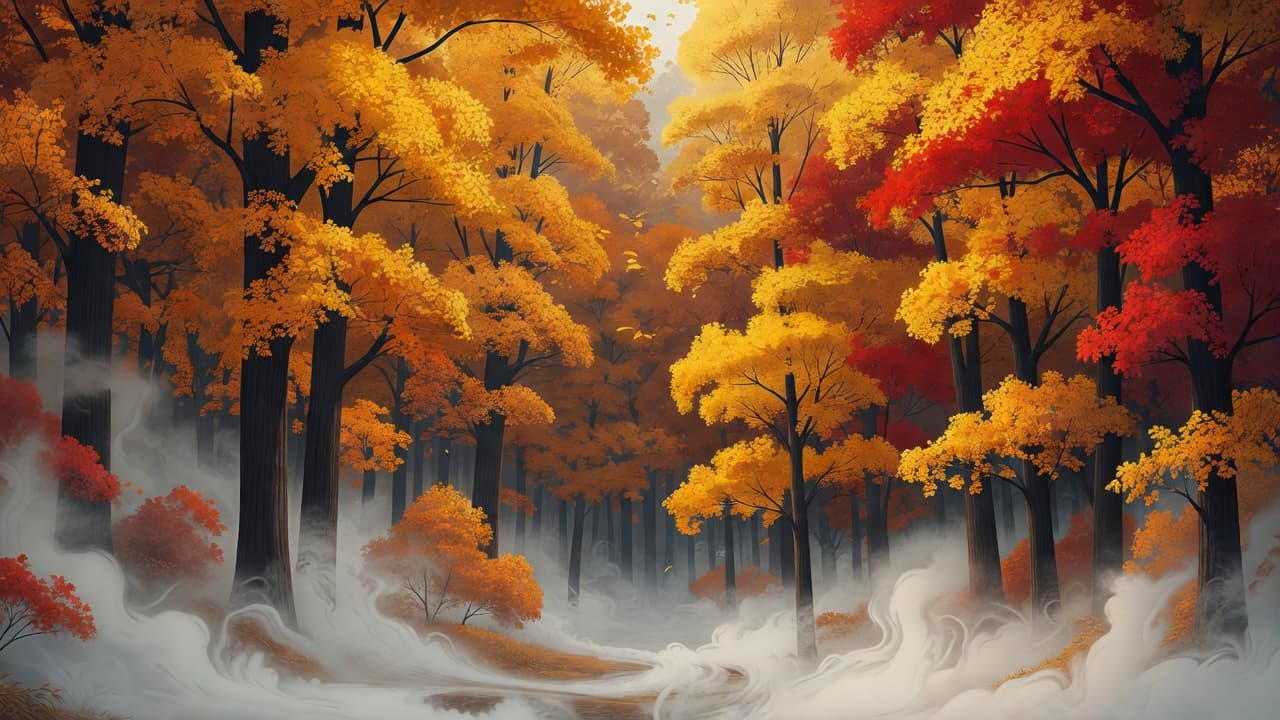
That also changes how you scout. Instead of asking where the leaves are brightest, ask where fog can build, where your foreground will stay clean, and where a simple shape can anchor the scene. Church towers, lone trees, boardwalks, wooden boathouses, and castle walls all work because they stay readable when half the frame fades into white.
The best fog scenes hide part of the view, not all of it.
Timing is everything here. Real-time guidance for fall foliage photography keeps coming back to the same basics: go early, watch calm nights, carry a tripod, and keep compositions simple when mist already adds mood. A circular polarizer also helps on wet leaves and lake glare, while exposure needs care because fog can push your camera toward dull gray files.
One more thing helps. Return. The same viewpoint can fail at 7:00 and turn perfect at 7:25.
Lakes and valleys where fog hangs low
Lake Bled and Lake Bohinj, Slovenia
Lake Bled is famous, but it earns that fame in autumn. The island church gives you a clean focal point, the wooded slopes add vibrant orange and yellow tones behind it, and morning fog often drifts low over the water while the hilltop viewpoints stay clear.
Mala Osojnica is the classic overlook, though it works best before the crowds and before the light gets hard. From up there, you can capture the scenic views of the lake as layers instead of a flat postcard. Lake Bled is a must-visit, but Bohinj, about half an hour away, feels broader and quieter. It has fewer iconic elements, yet its shoreline trees and calmer mood can make stronger pictures when Bled feels busy.
One October morning above Bled, the church spire vanished three times in twenty minutes as fog slid across the lake, then pulled back just enough to show the island, the shifting colors of the canopy, and one pale stripe of water. That kind of change is the whole point of waiting.
Stay flexible. If Bled turns blank white, move to Bohinj or to a forest road in Triglav’s lower slopes where mist sits between beech trees. Because Slovenia is compact, you can shift fast.
Hallstatt and the Salzkammergut, Austria
Hallstatt is almost too pretty, which can be a problem. When every angle looks good, it is easy to make the same picture everyone else makes. As a UNESCO World Heritage Site, this village is stunning, but fog helps by simplifying the scene and letting the church, the lake edge, and the steep houses separate from each other.
The main village viewpoint across the water is strongest at dawn, before boats disturb the surface. Meanwhile, higher roads above the town can give you a wider frame with low cloud filling the valley below. If fog sits too high, Gosausee is a smart backup. The lake is colder in tone, the peaks are sharper, and the larches nearby turn clean gold.
Hallstatt also rewards restraint. A longer lens works better than many visitors expect because it compresses the church tower, lake mist, and wooded slopes into distinct bands. Wide shots can feel busy, while tight frames feel calmer and emphasize the changing colors of the season.
For photographers who want broader fall itinerary ideas beyond these fog-heavy locations, Happy to Wander’s guide to Europe in the fall is a useful contrast, because it includes warmer and more urban choices that suit travelers who don’t want to build every morning around mist.
Germany’s moody valleys, forests, and castles
The Black Forest near Freiburg and Baiersbronn
Germany is one of the safest bets for autumn color with atmosphere, and the Black Forest is the easiest place to start. The mix of dense conifers, open meadows, river valleys, and hilltop roads gives you options when weather shifts.
Around Freiburg, you will find vine covered slopes and forest edges rather than giant alpine scenes. That scale is a strength. Small hills often hold fog in a way big mountain basins do not. Near Baiersbronn and the northern Black Forest, the forests feel deeper, with wet hiking trails, mossy trunks, and long viewpoints over layered ridges.
Go simple here. A road disappearing into beech leaves can be stronger than a grand overlook, especially on a dull morning when distant color looks flat. When fog sits in the middle distance, use it to separate ridge from ridge. When it settles at ground level, move into the woods and look for trunks, ferns, and one patch of yellow.
For a few more regional ideas, Germany’s top autumn color locations points to the Black Forest alongside the Moselle and Chiemgau areas.
Burg Eltz and the Moselle Valley
Some places look built for fog. Burg Eltz is one of them.
This fairytale castle sits in a wooded hollow, which means mist often gathers below the surrounding trails. If you arrive when the air is still cold and the treetops are turning, the towers can rise out of the haze while the forest glows in muted red, rust, and yellow. It feels almost staged, yet it is not. While iconic locations like Neuschwanstein Castle in the Bavarian Alps draw massive crowds, the misty, secluded atmosphere around Burg Eltz offers a more intimate experience for photographers.
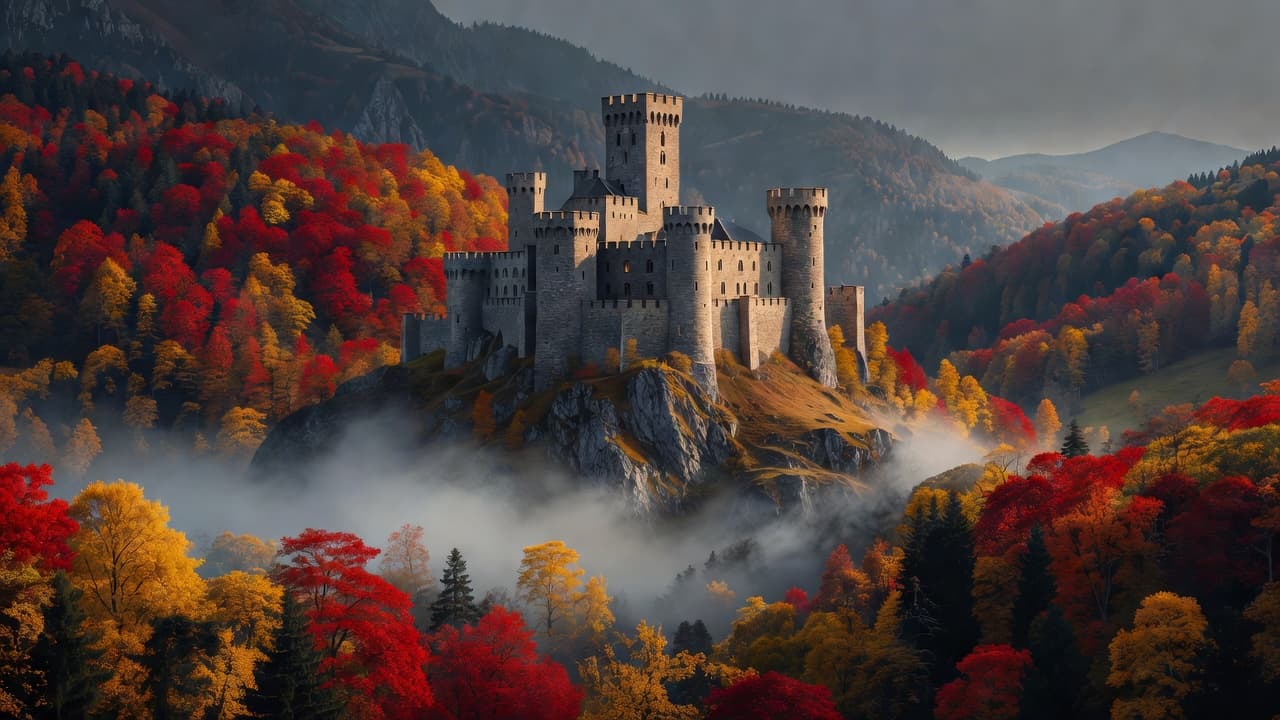
The Moselle Valley gives you a different mood. Vineyards cover steep banks, river bends trap mist, and villages sit low enough to disappear under it. Because the region is accessible, it makes for a perfect day trip from nearby cities. Rather than chasing only castle views, try higher roads above Cochem or smaller overlooks between villages where you can layer river, fog, vines, and church spires in one frame to capture the best autumn colors of the region.
Because river valleys often hold mist after clear nights, this region works best when the previous afternoon was dry and the morning starts cold but calm, giving you just enough contrast between the white river haze, the dark vine rows, and the copper hillsides to keep the scene from turning flat.
Saxon Switzerland
Saxon Switzerland, near the Czech border, is better known for rock formations than for fall foliage. Still, the two combine beautifully when fog settles in the Elbe valley. Sandstone towers rising above a white cloud deck create one of Europe’s clearest examples of layered landscape photography.
Bastei is the obvious target, so timing matters even more. Arrive early or choose a lesser-known trail where the rock forms stand apart from the crowd. The foliage here is less about blazing maples and more about mixed forest color, softer and more varied, with the stone adding structure.
Patience pays here. A blank gray start can lift into separate bands of cliff, forest, and mist within minutes.
Swiss lakes and northern Italy when reflections meet color
Swiss lakes, Engadin light, and valley depth
Switzerland gives you polished scenery, but autumn makes it gentler. Summer’s hard greens soften. Early snow can dust the higher peaks. Lakes hold thin mist at dawn, and the yellow larches in the Engadin create clean lines that read well even in low contrast.
Lake Sils and Lake Staz are strong choices in the Engadin. Both can produce reflective water, pale fog, and open stands of larch without too much visual noise. Farther west, lakes near Brienz and Lungern add steeper drama, while Lauterbrunnen’s valley floor can trap cloud under cliffs and waterfalls if the weather turns cold enough.
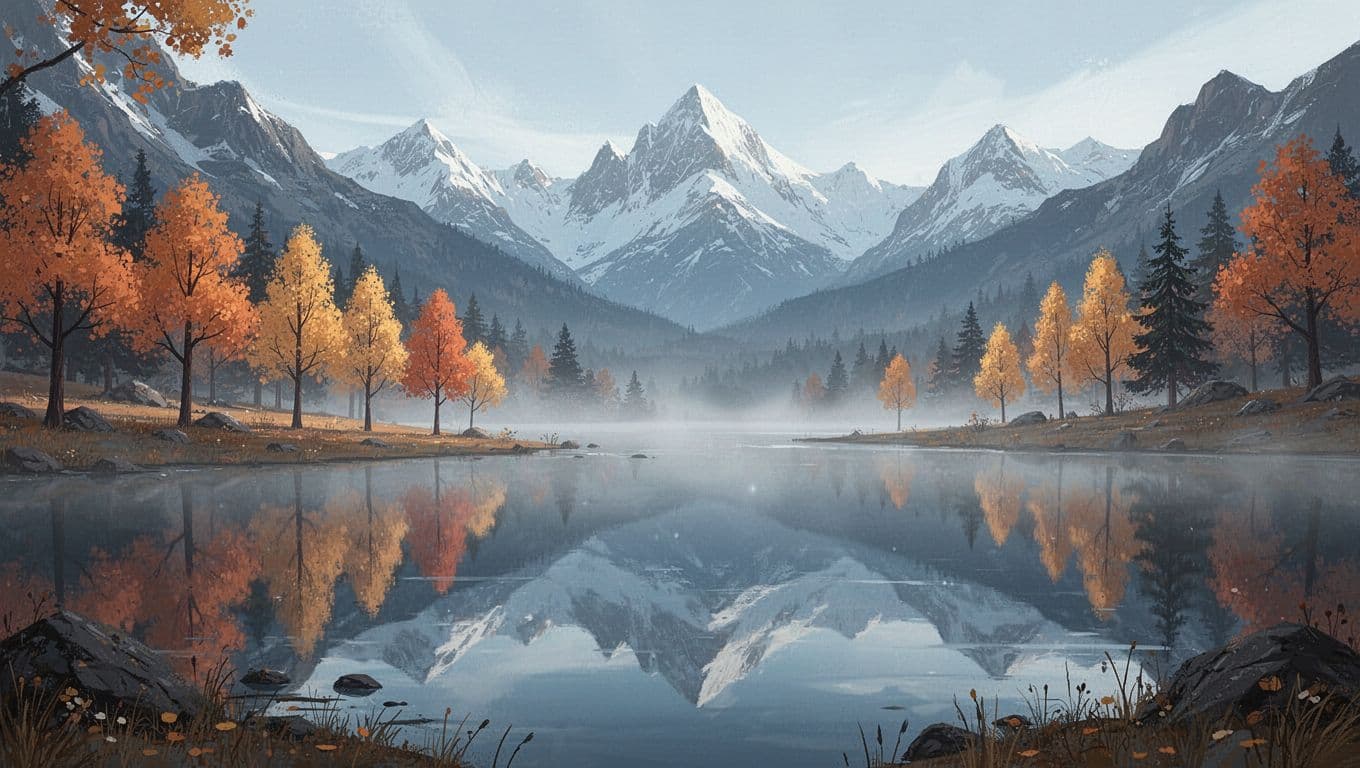
Swiss autumn color is often less fiery than eastern North America, but that misses the point. The strength here is balance. Blue water, pale rock, yellow trees, and white haze sit together without fighting for attention. If you like restrained color and strong geometry, few autumn photo spots in Europe are easier to love.
Use a wider lens for the big lake scenes, then switch to a short telephoto when light hits isolated larches or when fog turns the far shore into a soft gray wall. Both looks can work on the same morning.
The Dolomites and Trentino-Alto Adige
Northern Italy is a premier destination in Southern Europe, and in autumn, it is all about the larches. These trees turn a rich, concentrated gold, and the sight of golden leaves against gray limestone and dark spruce is breathtaking.
Lago di Braies gets most of the attention, often for good reason. On a cold morning, thin mist can lift off the water while the boathouse, shoreline trees, and mountain walls line up cleanly. Yet the Dolomites are strongest when you move beyond the obvious dock. Val di Funes, the stunning views at Alpe di Siusi, and the roads around San Martino di Castrozza all offer smaller scenes with fewer distractions.
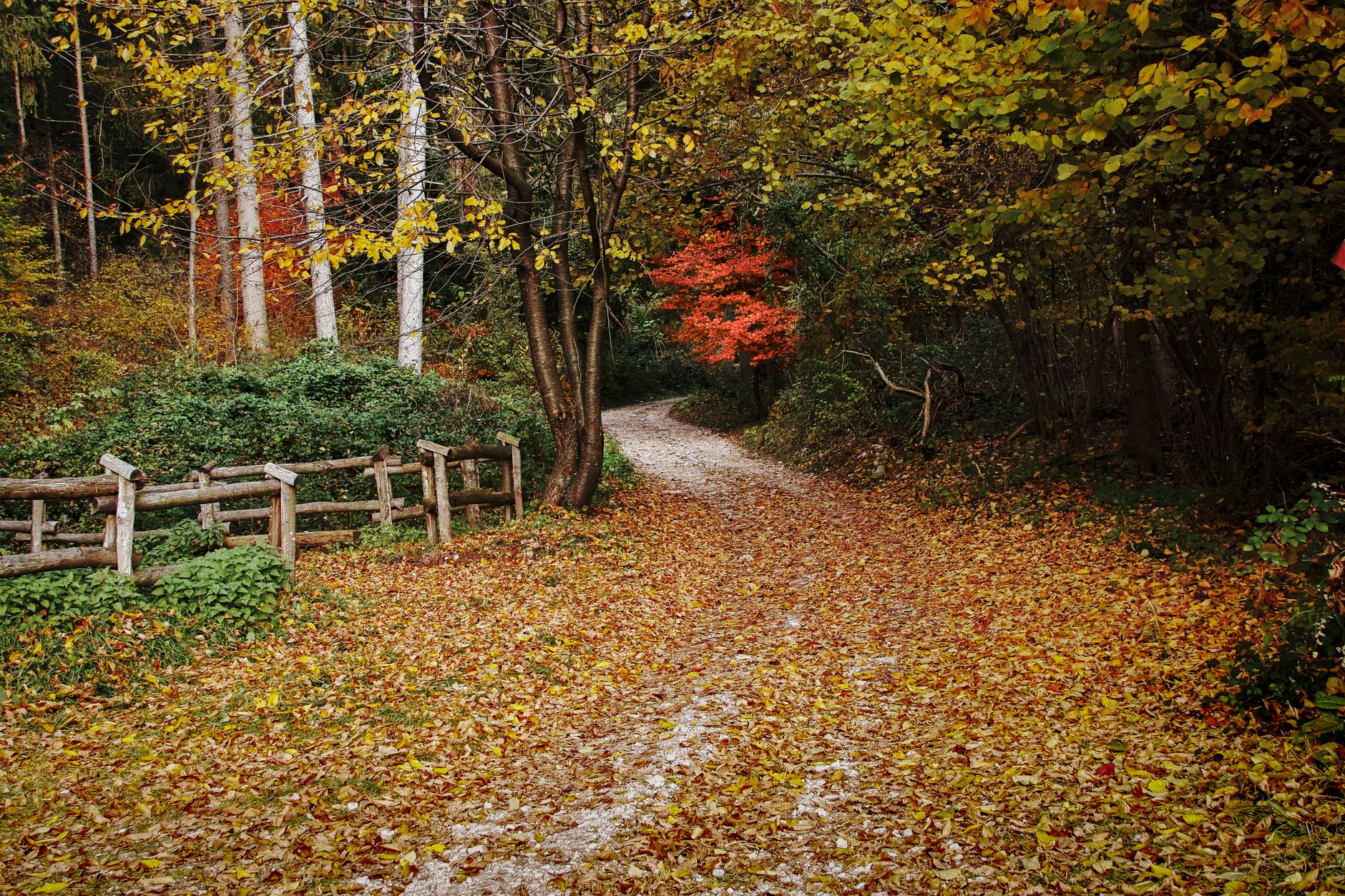
Photo by Alessandro Manzoli
Trentino also works well when the peaks disappear. Many travelers hope for perfect mountain views, but a low cloud ceiling can be better, because it cuts the scene in half and forces attention onto the gold forest, wet paths, and meadow fences. Shorter compositions feel more intimate.
Watch the season closely to hit the peak time for color. Higher roads can lose their leaves early after snow or strong wind, while lower valleys stay colorful longer. That gap is useful. If a famous pass looks stripped out, a forest track two hundred meters lower may still be perfect.
Plitvice Lakes, Croatia, and why water helps every frame
Plitvice Lakes National Park is a premier UNESCO World Heritage Site and one of the few locations where almost every element helps autumn photography. Water reflects vibrant color, boardwalks guide the eye, mist hangs above the falls, and the forest adds warm tones without hiding the structure of the scene. The natural beauty of the park is truly highlighted during this season, as the contrast between the turquoise water and the turning fall palette creates breathtaking scenic views.
Late October usually gives the best mix of color and atmosphere. Earlier in fall, the greens can still dominate. Later, the leaves thin and the park shifts toward bare branches and clear water. On misty mornings, the upper lakes often feel more delicate, while the lower canyon sections bring darker rock and stronger contrast.
The challenge is crowd control. Start at opening time and commit to fewer compositions. Plitvice is easy to overshoot because every turn looks tempting. Instead, wait for one clean bend in the boardwalk, one veil of mist behind a cascade, or one still pool where yellow leaves float against turquoise water.
If you want another traveler perspective on the park in a broader seasonal roundup, Travel Photo Discovery’s autumn Europe guide includes Plitvice among its standout fall destinations.
Fog first. Details second.
How to plan for fog without wasting your trip
Fog photography is never entirely predictable, but you can certainly increase your odds of success. When planning your route for October and November, focus on clusters of locations rather than chasing single icons. For example, Lake Bled pairs perfectly with Lake Bohinj, while Hallstatt is an easy drive from Gosausee. By grouping your European destinations, one lackluster morning does not ruin your entire itinerary. These windows of time are also ideal for mixing in a city break or exploring local harvest festivals to add cultural depth to your photography trip.
This quick comparison helps when you have to choose:
| Location | Best subject | Best conditions | Main risk |
|---|---|---|---|
| Lake Bled | Church in mist | Cold calm dawn | Crowds |
| Hallstatt | Village across water | Low lake fog | Busy foregrounds |
| Burg Eltz | Castle over trees | Valley haze after clear night | Flat whiteout |
| Engadin lakes | Larch reflections | Still water, thin mist | Wind |
| Plitvice | Water and boardwalk layers | Cool damp morning | Foot traffic |
Weather is critical, but discipline is your greatest asset. Arrive at your vantage point well before sunrise, and try to monitor local valley webcams if possible. Keep one wide lens and one short telephoto lens ready to go. Because shutter speeds drop significantly in low light, use a sturdy tripod and keep a close eye on your histogram, as cameras often underexpose these pale, atmospheric scenes.
You also need to know when to stop waiting. If the wind picks up, the mist can quickly shred into chaos. If the fog sits too thick for more than an hour after sunrise, consider moving to higher ground or changing your subject entirely. Forest interiors, damp autumn leaves, and stream edges can often rescue a morning that fails at the primary overlook.
Most importantly, build flexibility into your schedule. The strongest autumn frames in Europe rarely happen on command, and the photographers who capture the best shots are often those who gave a specific valley two mornings instead of one.
Frequently Asked Questions
What is the best month to photograph autumn in Europe?
October is generally the peak month for capturing vibrant foliage and consistent morning fog across most of Europe. Early November can work for lower elevations, but you risk losing leaves to early wind and frost.
Do I need special camera gear for misty conditions?
Beyond a sturdy tripod for long exposures in low light, a circular polarizer is highly recommended to cut reflections on wet surfaces and water. Since fog can confuse your camera’s light meter, be prepared to adjust your exposure manually to ensure the highlights don’t appear dull or gray.
How can I avoid crowds at popular spots like Lake Bled or Hallstatt?
To capture these locations without the crowds, you must arrive well before sunrise to set up your gear while the area is still quiet. Focusing on slightly higher vantage points or quieter neighboring lakes often provides a similar aesthetic with much more personal space.
Final thoughts
The best autumn photo spots Europe has to offer reward patience far more than they reward distance. You might stand at a famous overlook and capture nothing, only to create your most striking frame that same day on a quiet road above a lake as the fog finally breaks in the perfect light.
Ultimately, capturing vibrant fall foliage requires choosing locations with variety, waking up earlier than feels reasonable, and trusting the soft light that comes with moody weather. If the church spire appears through the mist for only thirty seconds at 7:12 a.m., will your tripod already be planted in the wet leaves to catch it? Whether you are chasing color or atmosphere, the secret to photography during this fleeting season is simply being ready when the conditions align.
