
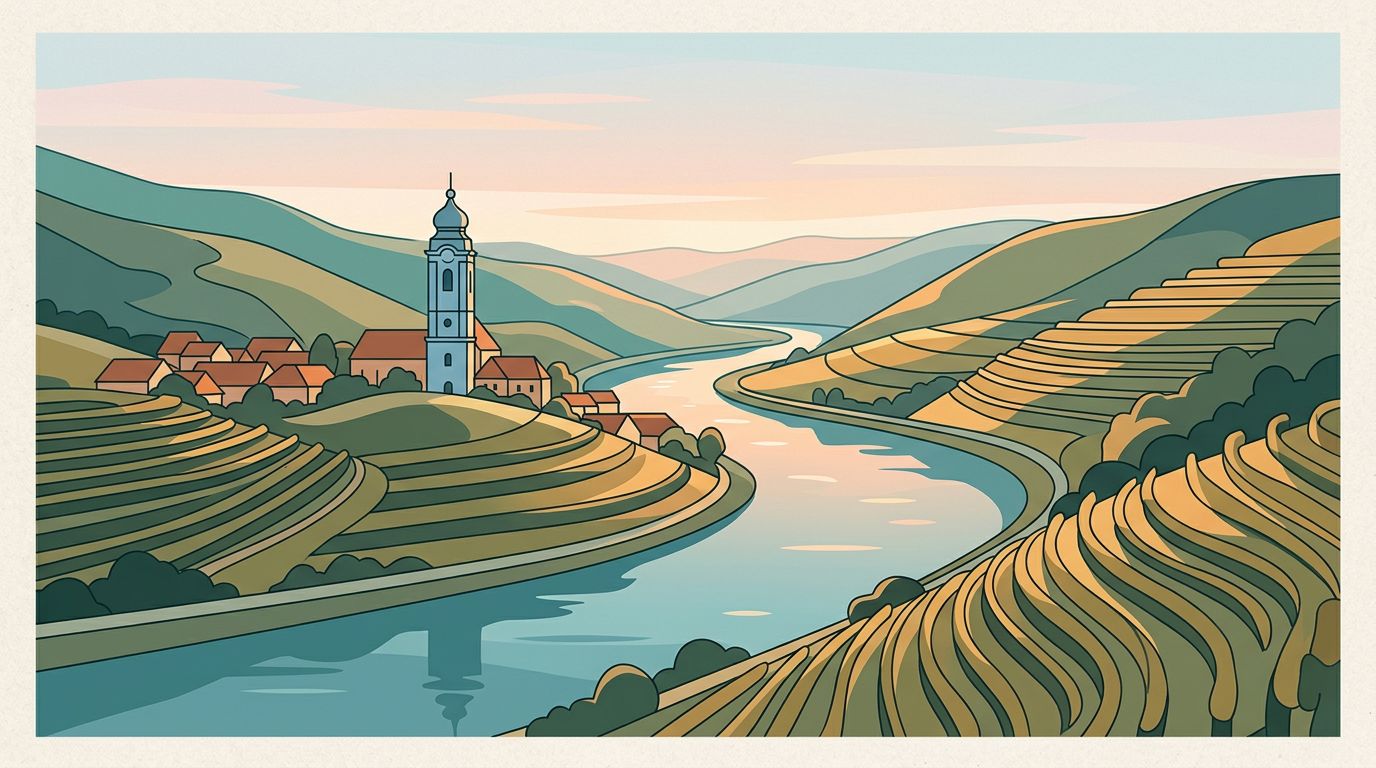
The Wachau can make a patient photographer move fast. One bend of the Danube gives you a blue abbey tower, and the next opens into vineyard walls that look hand-cut into the hills.
If you’re planning a drive, a cruise stop, or a photo day between Krems and Melk, the hard part isn’t finding beauty. It’s picking the right pull-off before the light shifts. These Wachau Valley photo spots are the places worth slowing down for, and the details matter.
How to time the valley for stronger photos
Light changes fast here because the river twists, the slopes rise sharply, and village streets stay in shadow longer than you expect. Midday is rarely kind. Early morning and late afternoon give softer contrast, better color, and fewer people in your frame.
If you’re trying to fit the Wachau into a single day, resist the urge to stop in every village, because the strongest photos usually come from staying put long enough for the Danube to change color, the hills to catch side light, and the streets to empty.
This quick guide helps when you’re deciding where to wait.
| Spot | Best light | What works best |
|---|---|---|
| Durnstein and Rossatzbach | Early morning, blue hour | Abbey tower, village roofs, river reflection |
| Spitz and Tausendeimerberg | Late afternoon, autumn mornings | Terraced vineyards, layered hills |
| Aggstein Castle | Late afternoon | Big Danube bend, cliffside drama |
| Melk Abbey | Early morning, late afternoon | Grand abbey facade, town below |
If you only have one prime light window, spend it on one main subject and one backup view nearby.
Season matters too. Autumn gives the valley its richest color, while spring brings fresh green vineyards and clearer sightlines before summer foliage gets dense. After rain, stone walls darken, leaves glow, and the river often looks brighter. Especially after rain.
For a quick visual scout before your trip, this Wachau photography spots guide is useful for comparing angles and deciding which side of the river fits your style.
Durnstein and Rossatzbach for the classic abbey view
Durnstein is the shot most people remember. The blue tower of the abbey rises above pale village roofs, and it catches light in a way that feels almost staged.
Inside the village, narrow lanes let you frame the tower between old facades, climbing vines, and small shop signs. A moderate wide lens works well here because it keeps the street character in the frame instead of turning the church into a simple postcard crop. Parked cars can spoil the lower part of the image, so early morning helps twice.
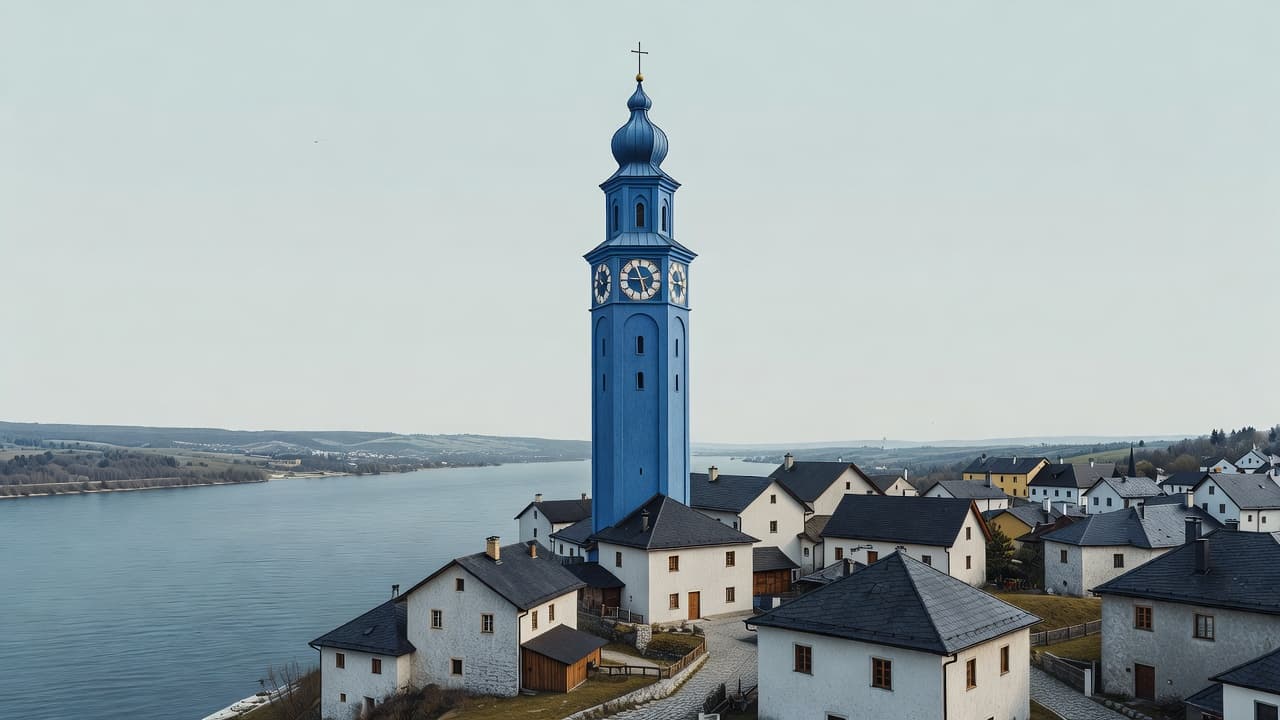
The stronger composition often comes from across the Danube in Rossatzbach. From that bank, the tower sits in context, with the river in front and the hillside behind, so the village feels placed within the valley rather than cut out of it. Fog can erase a village.
One October morning at 7:12 in Rossatzbach, a band of fog sat low over the water, hiding half the village, and then lifted just as the first warm light touched Durnstein’s tower, turning an ordinary riverbank view into the kind of frame people plan whole itineraries around.
If you have the time and steady legs, climb to the Durnstein Castle ruins above town. The uphill walk changes the whole grammar of the photo. Below you, the abbey becomes one element in a broader frame of river bends, vineyard lines, and red roofs. Late afternoon often gives nicer shape to the hills, while morning keeps the town softer and cleaner.
Another helpful angle appears in this travel account of Durnstein and the Danube, which shows how different the village looks once the river enters the composition.
Spitz, Weissenkirchen, and the vineyard terraces
When people talk about Wachau vineyards, they usually picture steep slopes with dry-stone walls, narrow terraces, and rows that pull your eye uphill. Spitz is where that pattern becomes the subject.
Tausendeimerberg, the famous hill above Spitz, is one of the strongest vineyard photo spots in the valley because the terraces aren’t neat in a boring way. They shift, tighten, and bend with the slope, so the frame has rhythm. Bring a longer lens.

Photo by Frank Wesneck
The best vineyard photos here usually avoid trying to show everything at once. Step back until the terraces fill most of the frame, then leave only a strip of Danube or a sliver of village roof for scale. In autumn, yellow leaves and brown stone walls give the image more separation than summer green, when rows can blend together.
Weissenkirchen works differently. The village is compact, and its church tower sits neatly against vineyard slopes, which makes it a good stop if you want both architecture and wine-country texture in one frame. Walk a little uphill instead of shooting from the main road, because even a small gain in height clears parked cars and reveals cleaner rooflines.
A lot of travelers rush through this stretch, then wonder why their photos look flat. The answer is simple. The terraces need angle. Side light helps, but height matters just as much because those walls and rows turn into graphic lines only when you’re slightly above them.
If you’re mapping stops around Spitz and nearby hills, this Wachau valley photography guide can help you see which vineyard views fit sunrise, sunset, or a quick roadside stop.
Aggstein, Melk Abbey, and the widest Danube views
Aggstein Castle ruins give you the valley at full scale. Stone, river, cliff, distance.
From the castle, the Danube looks less like a road and more like a moving ribbon through folded land. The walls and lookout points add hard edges to the frame, which helps if you want something stronger than the softer vineyard scenes farther east. Late-afternoon light usually gives the river more shine and pulls shadows across the rock, so the scene keeps depth even on clear days.
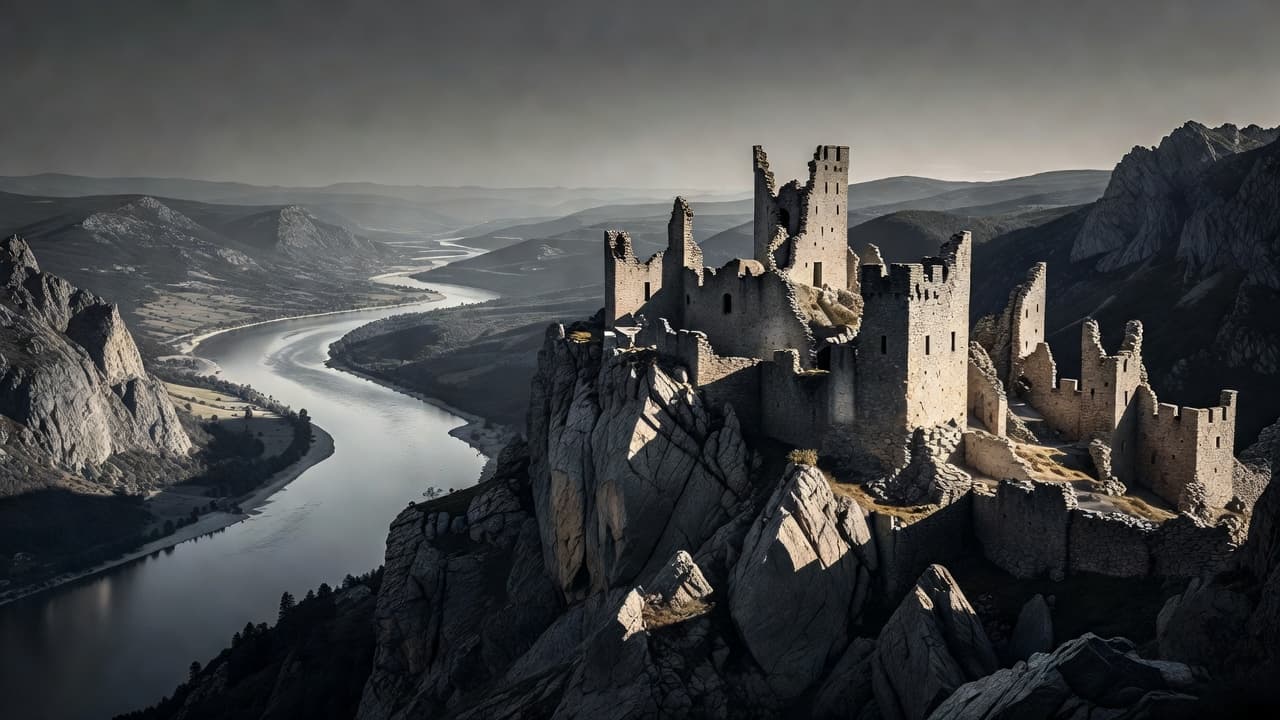
This stop works well for road trippers because it feels dramatic without requiring a long mountain hike, yet the paths, stairs, and lookout edges still give you enough variation to leave with close stone details, medium shots of the ruin, and one big valley frame.
Melk Abbey gives you a different kind of photograph. It is less about raw height and more about order, scale, and the way the abbey rises above the town in pale gold and white. If you’re arriving by river cruise, this is often the easiest major exterior to photograph well because access is simple and the abbey reads clearly even from lower ground.
The cleanest photos often come from places where the full mass of the building stays intact, rather than from tight close-ups in the courtyard. Look for a spot where the domes, long facade, and the slope below all sit together. When the light is soft, the abbey looks almost painted onto the ridge.
If you want a quieter religious site, Maria Langegg offers a hilltop church view with fewer distractions and a calmer mood than Melk or Durnstein. It doesn’t have the same famous skyline, but it rewards anyone who prefers stillness over spectacle. For a route that pairs Aggstein with other valley viewpoints, this Wachau itinerary with Aggstein is a useful planning reference.
The frame worth waiting for
The Wachau rewards patience more than speed. A village that looks pleasant from the road can turn striking once the shadows move, the river settles, and one tower catches light ahead of everything else.
Stay longer at fewer stops. Let the scene change in front of you, then shoot again. Will you be on the Rossatzbach bank when the blue tower picks up the first 7:30 glow?
