
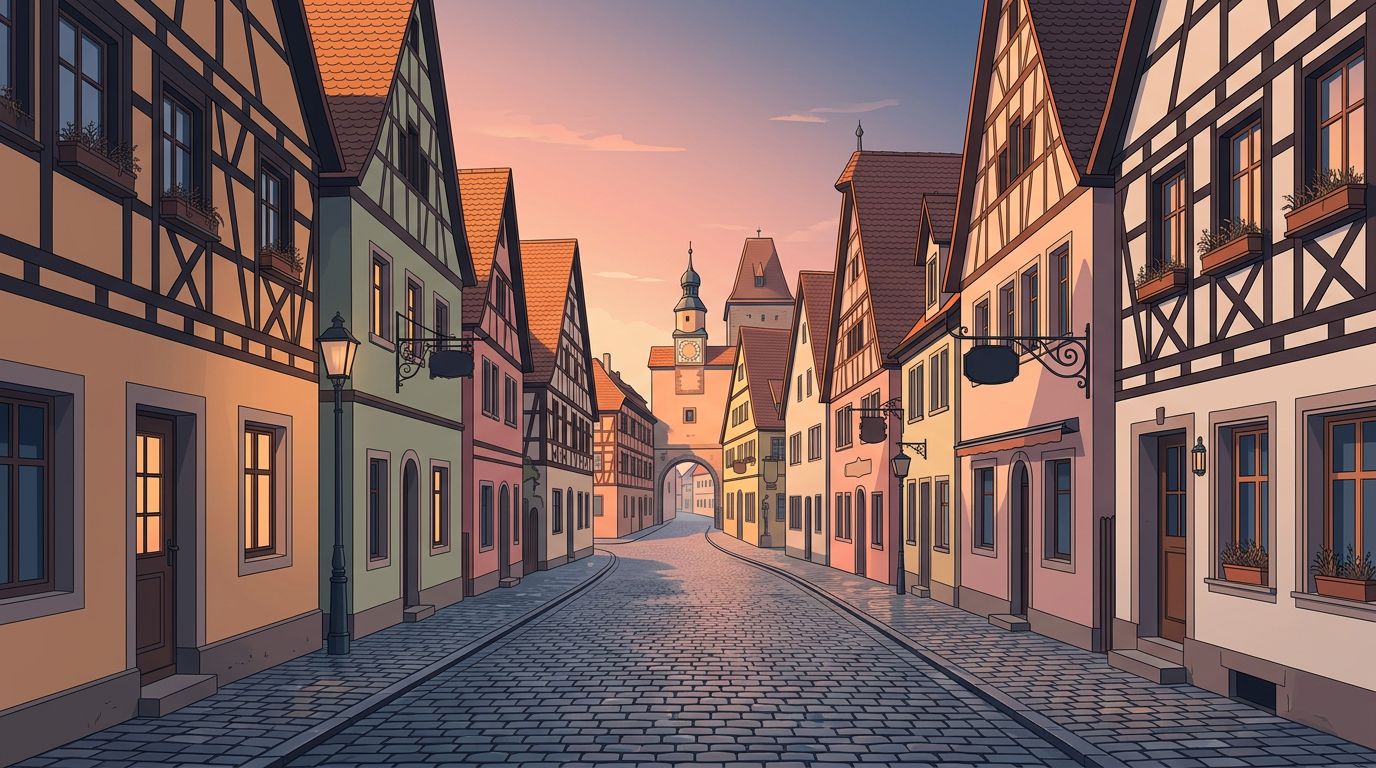
Rothenburg changes before breakfast. The same lanes that feel packed by mid-morning can feel borrowed at dawn, and that shift is what makes Rothenburg ob der Tauber photography so rewarding.
If you want clean frames, soft light, and room to work, start early and walk with purpose. Sleep can wait. This route begins at the eastern edge of the old town, follows the strongest street scenes, and ends where the rooftops and garden views open up.
Why dawn works so well in Rothenburg
Early light is kinder to this town than harsh midday sun. It smooths the plaster facades, gives the timber frames more depth, and keeps bright windows from blowing out while the cobbles still hold a little moisture and texture.
Crowds vanish early. That matters. In Rothenburg, people don’t only fill the streets, they also change the mood of the place. At 6:15 a.m., a lane can feel medieval; at 10:15 a.m., it can feel like a queue with souvenir bags.
If you start about 25 to 40 minutes before sunrise and walk west as the sky brightens, you can shoot empty streets first, catch warmer side light next, and reach the more open viewpoints as the town finally wakes up.
Arrive before sunrise, not at sunrise.
That advice sounds small, but it fixes the biggest mistake visitors make. When the sun is already up, you’ve lost the blue-hour glow, the lamps may be off, and the famous corners start collecting phones. For the classic scenes, that window is short. The Rothenburg photography guide from Chasing Hippoz is a useful reminder of how central Plönlein is to the town’s visual identity, but the route works best when you treat that postcard view as one stop, not the whole morning.
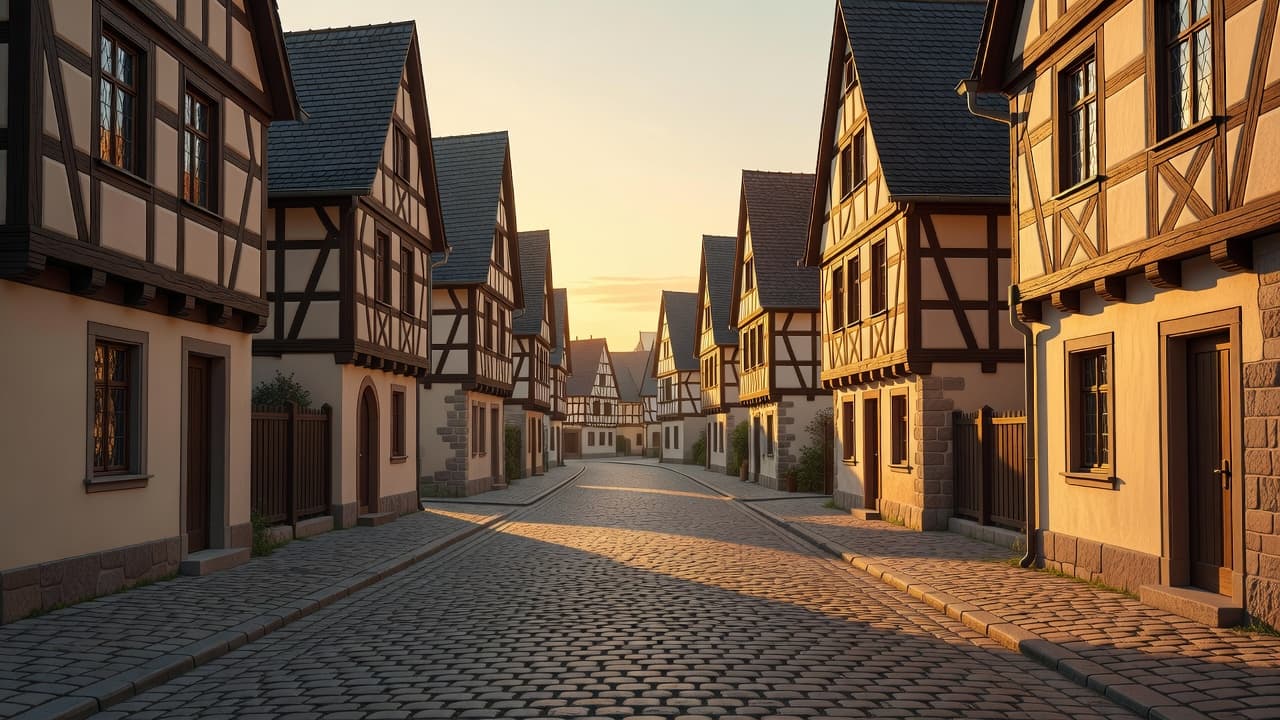
So move early, but don’t rush every frame. Rothenburg rewards a slower eye because the best details are often small, a shutter half-open, a bicycle against stone, a pale reflection under a drainpipe.
Start at Rödertor, then follow Rödergasse to Plönlein
Rödertor is a smart starting point because the street sequence toward the center builds naturally. You begin with gates and towers, then narrower facades, then the postcard junction that most visitors recognize at once.
At the gate, shoot wide first. The tower, arch, and street pull the eye inward, and early light often leaves enough shadow to keep the stone from looking flat. Then turn into Rödergasse and slow down. This stretch gives you hanging signs, stepped rooflines, window boxes, and enough bends in the street to make even simple 35mm frames feel layered.
The trick here is restraint. Don’t fire at every facade. Watch for repeating colors, open shutters, and clean edges where one house catches sun and the next one still sits in blue shade.

Photo by Alyona Nagel
Plönlein comes next, and it deserves patience. The classic composition is easy to find, but the better shots usually happen after you get the obvious frame and start adjusting your height, your focal length, and your position by a few steps. A longer focal length can compress the towers and forked street; a wider lens can keep more cobble texture in the foreground, which helps if the street is still damp.
One April morning, a bread van blocked the center of Plönlein until 6:22 a.m.; two minutes later the driver pulled away, a cyclist crossed once, and the best frame of the morning lasted less than half a minute. That’s how this spot works. Wait it out.
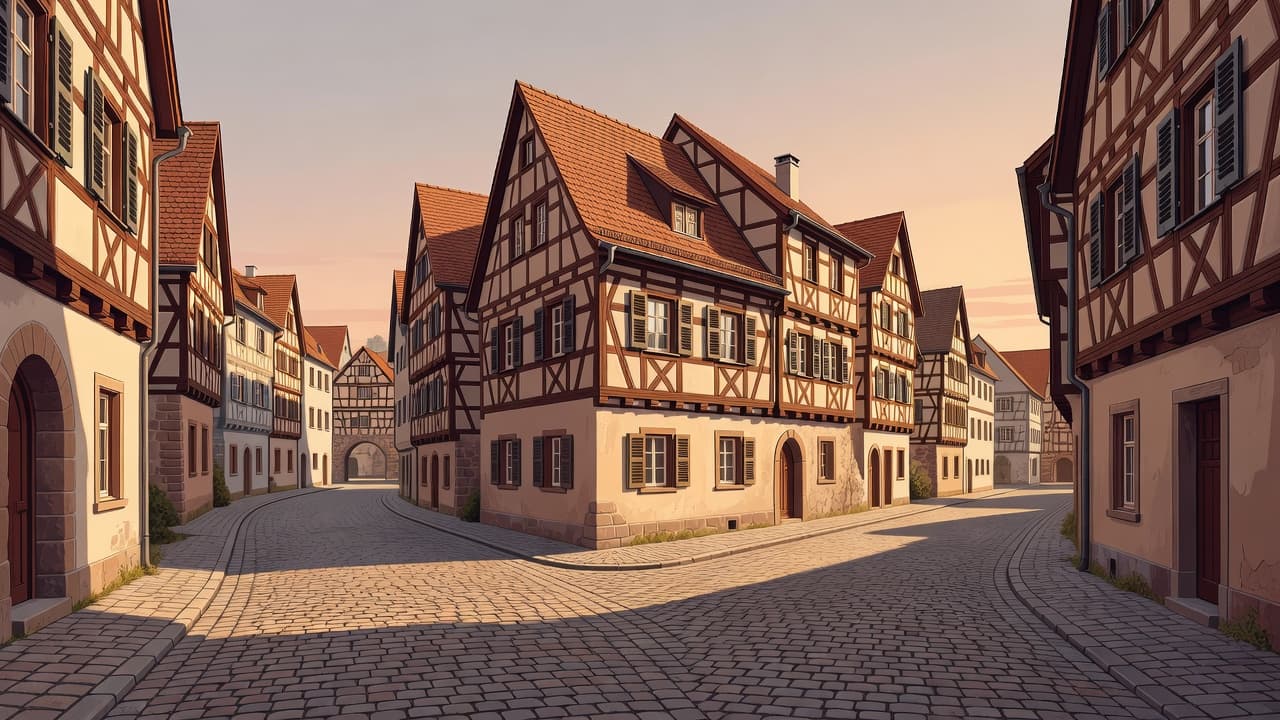
After the standard shot, turn around. The back view often surprises people because the softer side streets and climbing lanes can feel more personal than the famous fork itself. For extra ideas beyond the postcard stop, Bilderschmied’s Rothenburg photo spots points toward quieter corners that many visitors miss.
Keep going for walls, rooftops, and the castle side
After Plönlein, head toward the town’s western side through the quieter lanes near the center. Marktplatz is worth a brief pause if it’s empty, because the broad space gives you a break from tight street compositions. No buses yet. If the cobbles are wet, use the reflections and keep people small in frame.
Then look for a wall access point that is open during your visit. You don’t need a full circuit. Even a short section can give you slits of light, repeating timber rooftops, and better separation between foreground stone and distant spires. The wall works especially well with a normal lens because the town’s roofscape is dense enough to fill the frame without looking cramped.
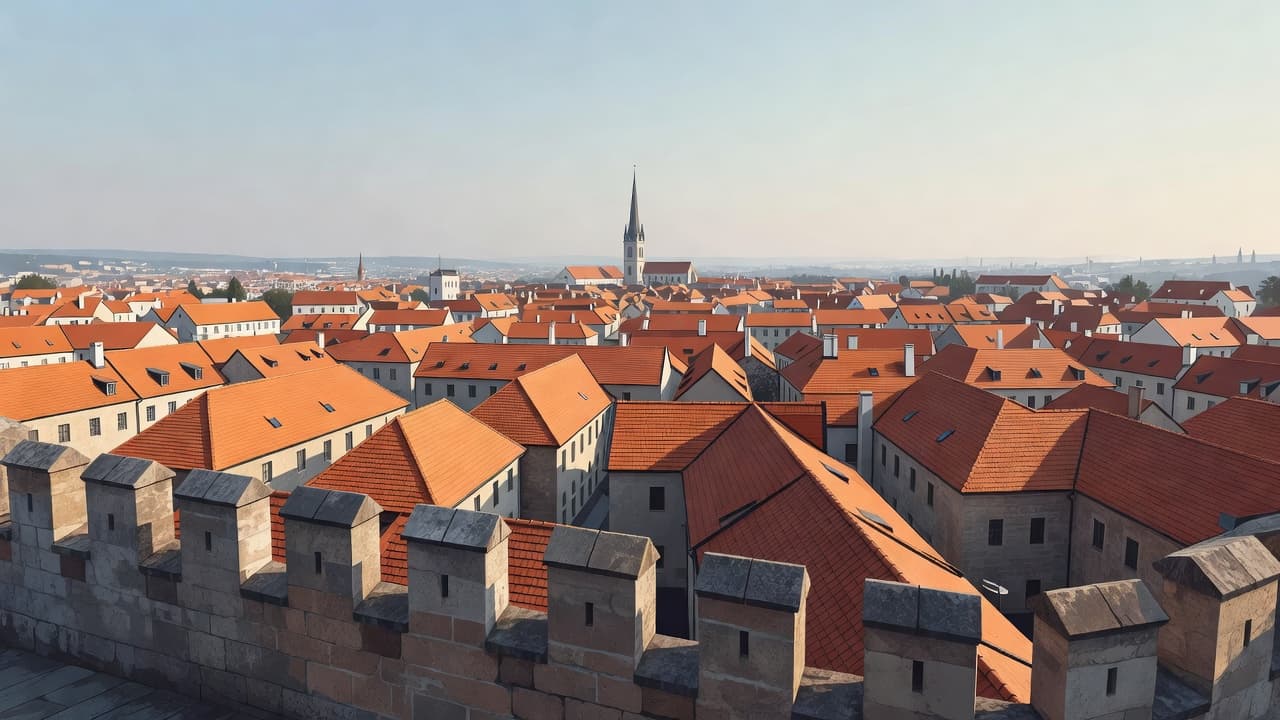
From there, finish in Burggarten. The garden changes the rhythm of the walk because the compositions open up and the light has more room to spread. Instead of shooting street tunnels, you’re balancing trees, stone, valley air, and the edge of the old walls. If you want a sense of the garden’s look in finished travel images, these Burggarten and Town Hall examples are helpful, especially for visitors deciding whether to save one elevated viewpoint for later in the day.
Castle Gate is also worth a final stop on this side. By then, the sun is higher, and the gate often picks up enough contrast for a stronger silhouette or a cleaner architectural study.
Timing, lenses, and the small choices that shape the route
This route is short enough for a relaxed 75 to 90 minutes, but it rewards discipline because the light changes fastest during the first half hour and the famous scenes can go from empty to busy before you’ve adjusted your exposure twice.
A simple setup is enough:
| Stop | What to look for | Lens that works well |
|---|---|---|
| Rödertor | Gate, tower, leading lines | 24mm to 35mm |
| Rödergasse | Signs, facades, layered street depth | 35mm to 50mm |
| Plönlein | Classic fork, towers, cobbles | 35mm to 70mm |
| Burggarten or wall | Roofs, garden edge, distant spire | 50mm to 85mm |
The gear matters less than timing, but a 24 to 70mm zoom covers nearly everything on this walk, and a light tripod or stabilized camera helps when the streets are still dim because dawn in Rothenburg looks best when you protect shadow detail instead of pushing ISO too hard.
If you prefer primes, bring one wide lens and one normal lens. That keeps your bag light and your pace steady. Meanwhile, use vertical frames more often than you think. The town’s towers, steep roofs, and narrow lanes all favor height.
White balance also matters more here than in many city walks. Auto can cool the stone too much before sunrise, so a warmer setting often holds the feeling you saw with your eyes. Also, keep an eye on the edges of your frame. A modern sign, parked car, or bright trash bin can pull attention away fast in a town where the older textures do most of the work.
Move fast, then linger. Get the clean postcard frame early, then spend the rest of the route noticing the side details that give your set more range.
The frame worth waking up for
The strongest early morning route in Rothenburg isn’t about collecting every famous spot. It’s about matching your walk to the town’s first hour of light, when the streets are still spare and the buildings look less like a backdrop and more like a place people still live in.
If the morning goes well, your favorite image may not be the one everyone expects. It may be a patch of wet cobblestone below Siebers Tower, catching the first thin strip of sun while the upper windows are still blue.
