
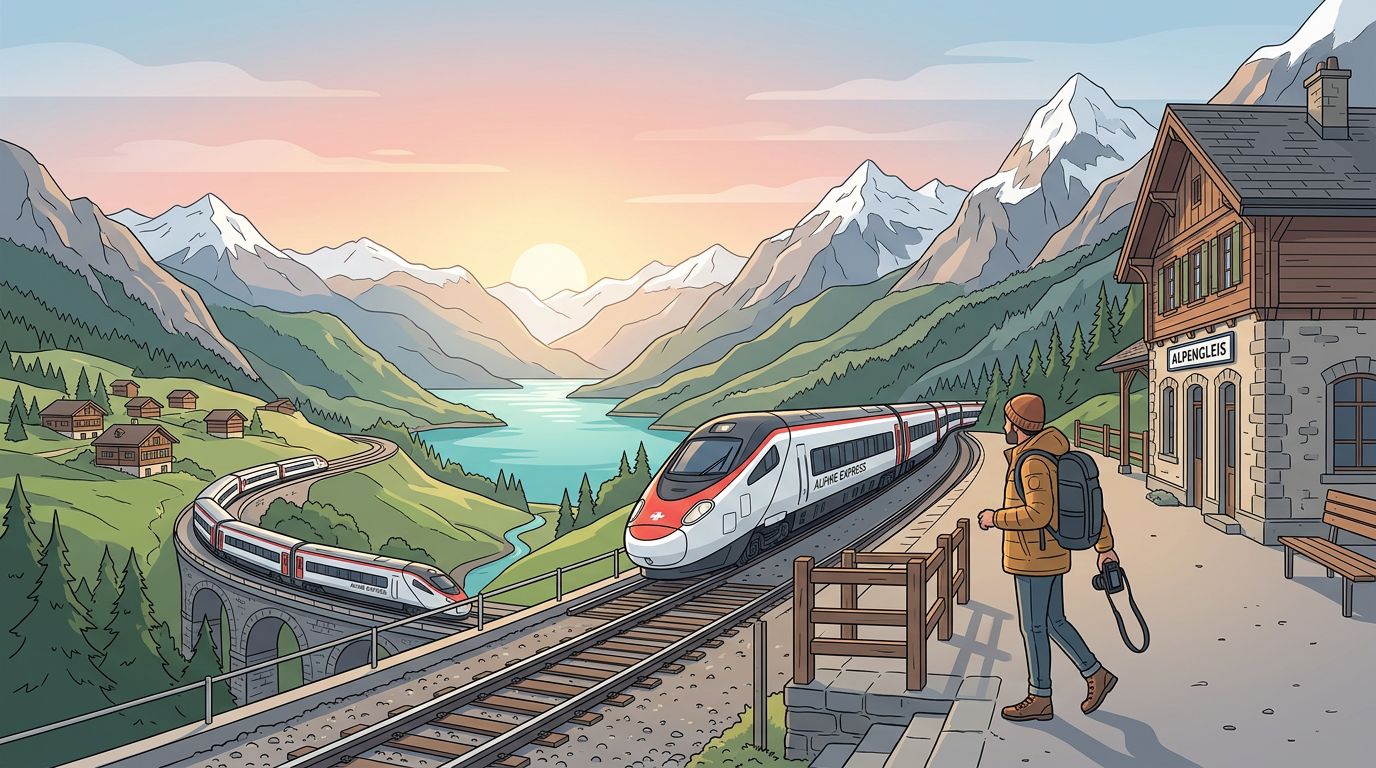
Parking lots waste good light. Some of Europe’s strongest photo trips start on platforms, ferry docks, and village lanes where moving with a camera is easier than driving.
The sweet spot is simple: ride a scenic line, stay in a station-centered base, and walk or take a short local connection to the frame you want at dawn. For travelers planning train photography trips in Europe, that means more shooting time and less friction. The routes below prove it.
Key Takeaways
- The best car-free photo trips combine scenic rail lines with walkable bases like Chur, Tirano, Marseille, and Poggibonsi.
- Switzerland gives you the highest concentration of dramatic frames, especially on and around the Glacier Express and Bernina line.
- Car-light or car-free places such as Hydra, San Gimignano, and Giethoorn work well because traffic doesn’t get between you and the shot.
- Book early, pack light, and allow return visits to the same location, because weather and repeatable light matter more than mileage.
Why trains often beat cars for photography
A rental car gives freedom, but it also eats time. You park, backtrack, watch toll signs, and miss the hour when station roofs glow or a harbor wakes up. No car needed.
Rail travel shifts the whole day. You can scout through the window, arrive in the center, drop your bag, and walk straight into a usable scene. That rhythm helps more than most people expect.
When you build a trip around bases like Chur, Marseille, or Poggibonsi, you trade highway dead time for repeatable light, short walks, and the chance to revisit the same view after rain, fog, or a break in the clouds. Timing matters more.
Another advantage is mental space. On a train, you can watch shadows move across a ridge or track how lake reflections change over an hour. Behind the wheel, you’re busy with the road.
Panoramic trains get the headlines, and some deserve them. Yet photographers often do better on ordinary regional services that run on the same tracks, because they stop more often, cost less, and let you hop off for an hour instead of treating the route like one long sealed experience. Before you lock anything in, scan Eurail’s scenic train route guide and note which lines also have regular service.
Car-free destinations also become easier to read when you arrive by rail. You notice gradients, footpaths, station exits, and where the first good frame sits in relation to your hotel. That matters in places with tight streets or ferry-only access.
Pack lighter than usual. One body, two lenses, and a small tripod are enough for most of these trips. Less parking, more shooting.
Swiss Alpine rail routes with the highest photo density
If one region owns this subject, it’s the Swiss Alps. The Glacier Express between Zermatt and St. Moritz packs in 291 bridges and 91 tunnels, while the Bernina Express and local Bernina trains give you high passes, stone viaducts, lakes, and sudden shifts from Alpine rock to Italian color.
The trick is not to treat these lines as once-only rides. Use Chur, Brig, St. Moritz, or Tirano as bases, then break the route into smaller pieces. Chur is especially good because you can combine old-town details with fast access to the Albula and Bernina lines, and Tirano works well if you want early departures with softer light and fewer people on the platform.
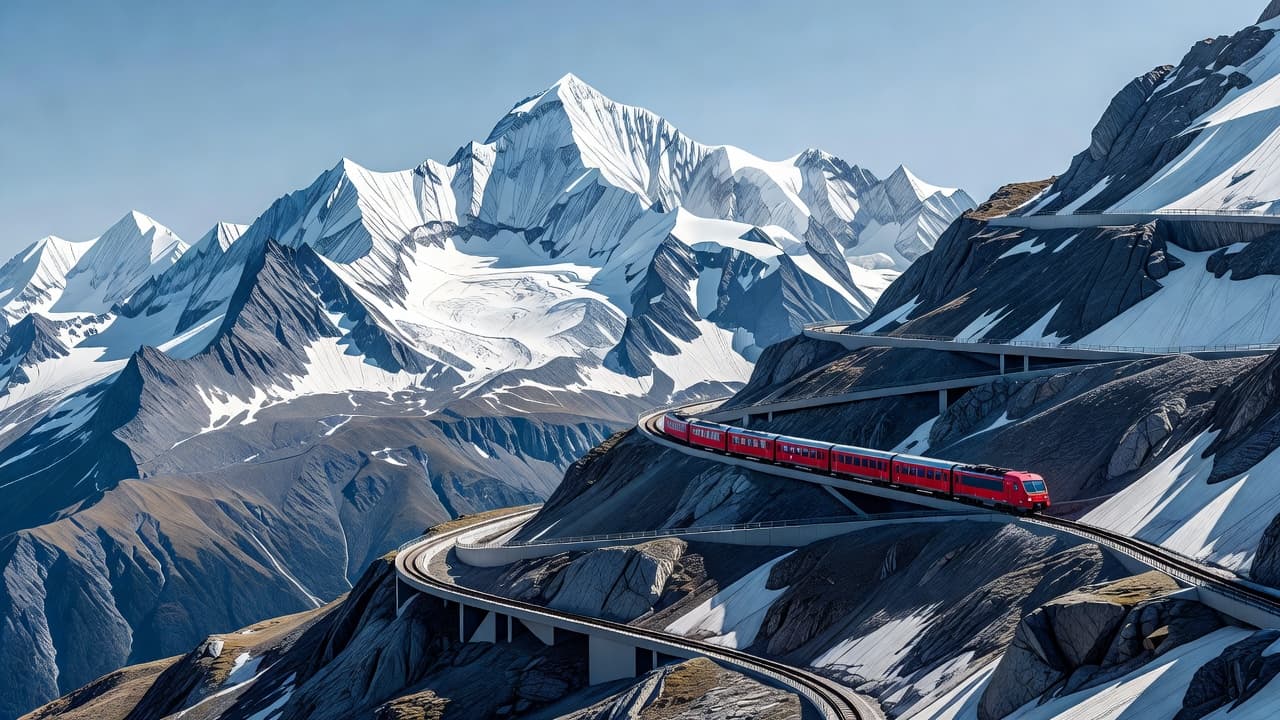
Summer, especially July through September, usually gives the clearest mountain definition. Winter can be beautiful, but fresh snow often hides track geometry, lower waterfalls, and the contrast that makes railway images read well. Weather changes everything.
On a cold morning in Tirano, a photographer on platform 2 ignored the mountains and pointed the camera at a rain puddle instead. When the red train rolled in, the reflection beat every postcard frame that hour. That happens a lot in Switzerland. Grand scenery is easy; smaller compositions take patience.
You can also use Innsbruck as an Alpine hub, even if your main goal is Switzerland. Its station sits right in a mountain bowl, and it connects well for onward rail days into western Austria, northern Italy, and Switzerland.
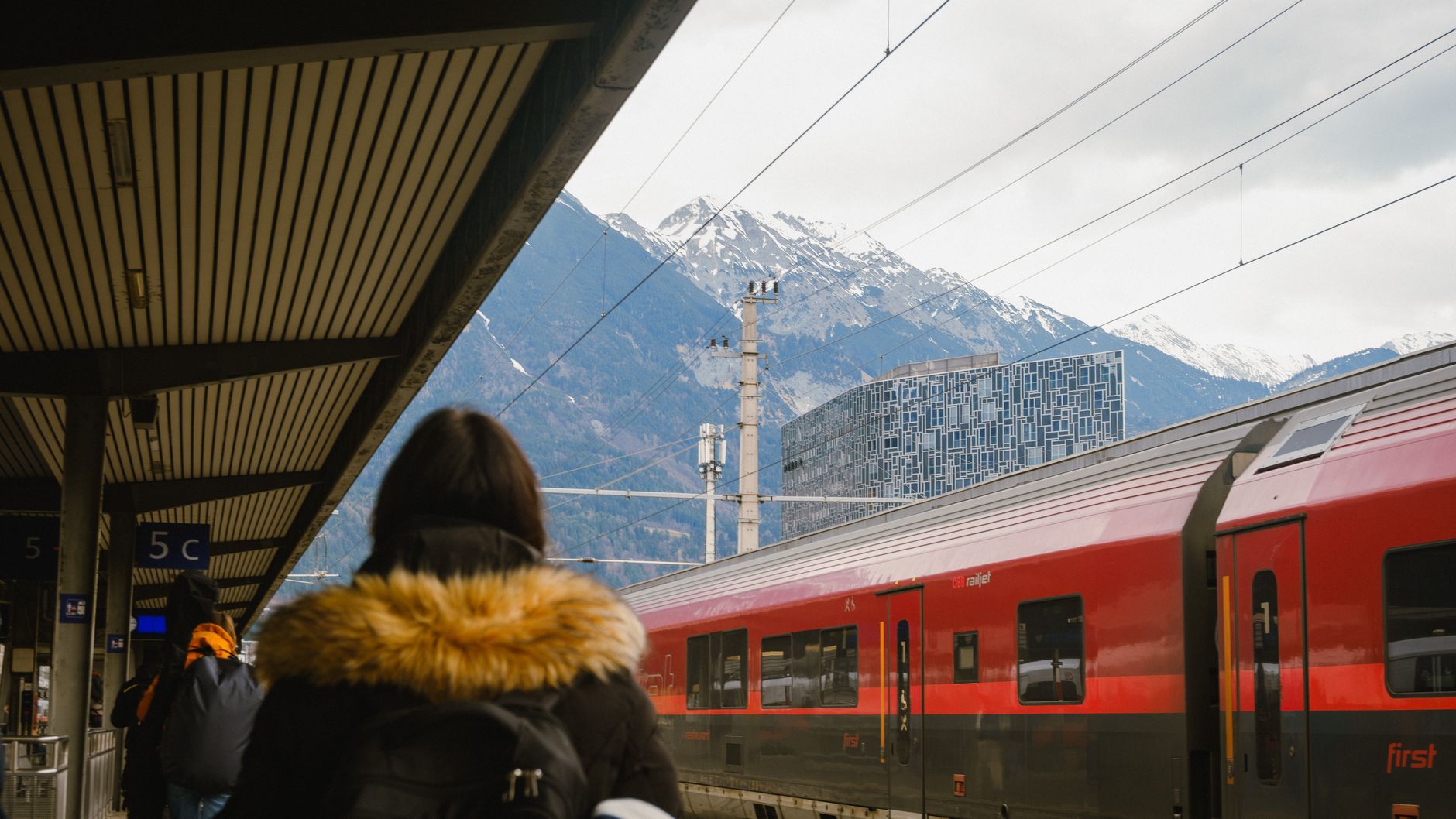
Photo by Giuseppe Macri
If you want quick visual inspiration before booking, this roundup of travellers’ favorite train views gives a useful sense of how often Swiss lines deliver. Still, the best frames usually come after you step off the train, not while you’re pressed against the glass.
Mediterranean and Tuscan light without a steering wheel
Not every great rail-based photo trip needs snow peaks. Some work better with white walls, stone lanes, and water that throws light back at you.
Hydra is one of the clearest examples. You reach it without a car by taking the train or metro connection through Athens to Piraeus, then boarding the ferry. Once you arrive, the island’s vehicle ban changes the whole mood. Footsteps replace engines, the harbor fills with clean lines instead of traffic clutter, and dawn comes with fishing boats, steps, mules, and pale facades rather than parked scooters.
Stay at least one night. Better, two. Day-trippers stack up around the port by late morning, but the first hour after sunrise still feels spacious, and blue hour softens the stone in a way midday never will.
San Gimignano asks for one more step, yet it’s still easy without driving. Ride the train to Poggibonsi-San Gimignano, then take the local bus up to the hill town. Inside the historic core, limited vehicle access and local electric transport keep the visual noise low, which matters when you’re trying to isolate towers, arches, and narrow shafts of afternoon light.
This is a place for shoulder season. In May or October, the sun sits lower, the stone glows longer, and you can frame the towers without summer haze flattening everything. If you want landscape shots with vineyards and the skyline, sleep nearby and shoot early from outside the walls before buses arrive.
These trips also suit travelers who like mixing people and place. Hydra’s harbor bends around human movement. San Gimignano turns doorways, market stalls, and late walkers into scale markers. The camera notices the slower pace.
Canals, cliffs, and other quiet routes worth your time
You don’t need another alpine pass. Europe has plenty of lower-key places where rail access and car-light streets make photography easier, not harder.
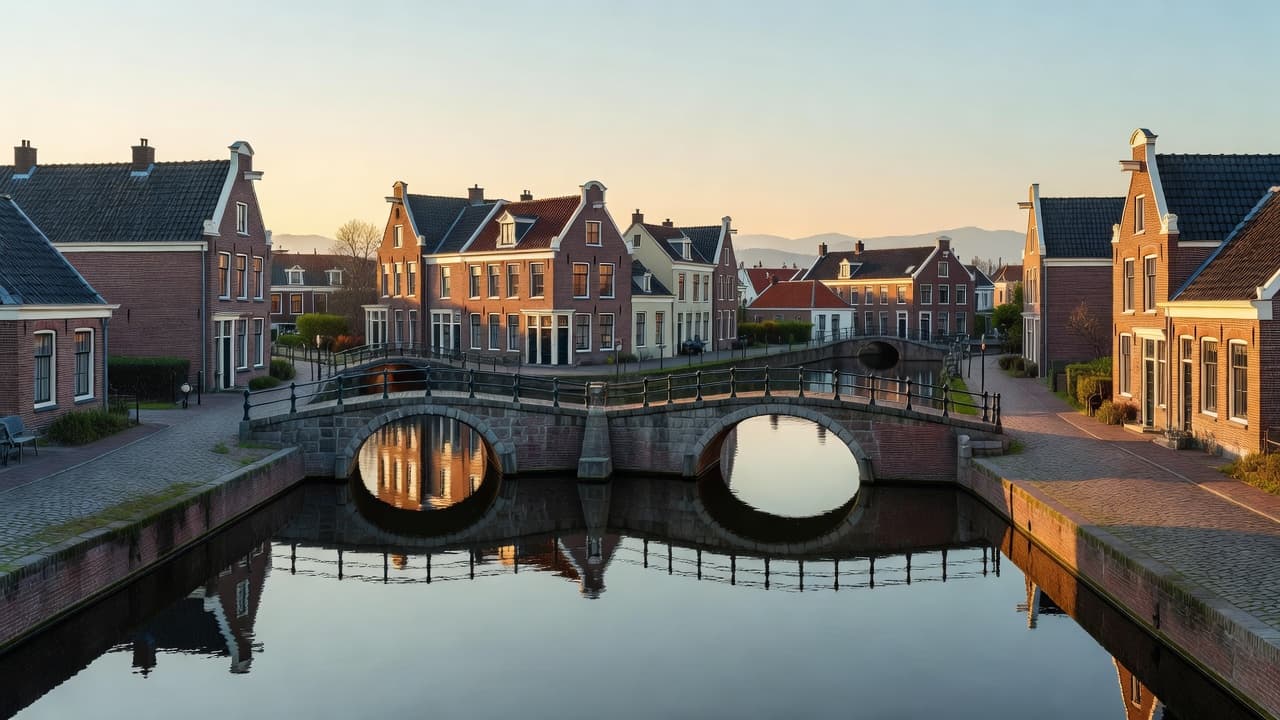
Giethoorn is a strong example in the Netherlands. Reach Steenwijk by train, then connect by bus to the village. Once there, you’re working with canals, footbridges, reeds, boathouses, and reflections instead of roads. Early morning is everything here, because the water is calmer, rental boats are still tied up, and the village feels like it belongs to locals again.
Further south, Marseille and Cassis make a smart rail pair for photographers who want sea cliffs and urban texture in the same trip. TER trains link the cities quickly, and from Cassis you can walk or connect onward toward the Calanques. The limestone coves around d’En Vau, Sugiton, and Morgiou reward longer lenses at sunrise and wider frames late in the day, when the rock stops glaring and the water holds more color.
Ljubljana works differently. It isn’t car-free, but it is compact, rail-connected, and excellent as a base for the Slovenian Alps. Use local trains and buses to reach places near Kranjska Gora, then return to the capital for blue-hour street scenes by the river. That combination, mountain layers by day and city detail by night, gives you variety without constant repacking.
France’s Pyrenees also deserve a note. If Switzerland feels too obvious, the community notes on the Petit Train Jaune are a good reminder that smaller mountain lines can still produce big images. Sometimes the quieter route wins. And sometimes, fog.
How to plan a rail photography trip in Europe for 2026
A little structure saves whole days. Start with one base you like, one major line, and one backup plan for bad weather.
This quick comparison helps narrow the field:
| Trip | Best base | Strongest season | What to shoot |
|---|---|---|---|
| Glacier and Bernina lines | Chur or Tirano | July to September | Viaducts, lakes, high passes |
| Hydra | Hydra Town | April to June, September | Harbor curves, white walls, boats |
| San Gimignano | Poggibonsi | May or October | Towers, lanes, vineyard outlooks |
| Giethoorn | Steenwijk | Late spring, early autumn | Canals, bridges, reflections |
| Cassis and Calanques | Cassis or Marseille | September, October | Limestone coves, blue water, coast light |
Book point-to-point tickets or reservations three to six months early if your dates are fixed. Non-flexible fares are often the cheapest, and the savings add up when you string several countries together. For younger travelers, Belgium’s Go Pass 1 still stands out at 6.40 euros one way for eligible under-26 passengers, which makes short side trips painless.
For overnight positioning, European Sleeper expanded its 2026 offer with routes such as Brussels to Milan and Prague to Copenhagen, and those night moves can protect your daylight hours for shooting instead of station transfers. If you’re in the DiscoverEU age window, the 2026 round ran from April 8 to April 22 for travel between July 1, 2026 and September 30, 2027, so it’s worth keeping an eye on the next cycle if you’re planning ahead.
Stay at least two nights beside the line you care about most. The second dawn usually beats the first.
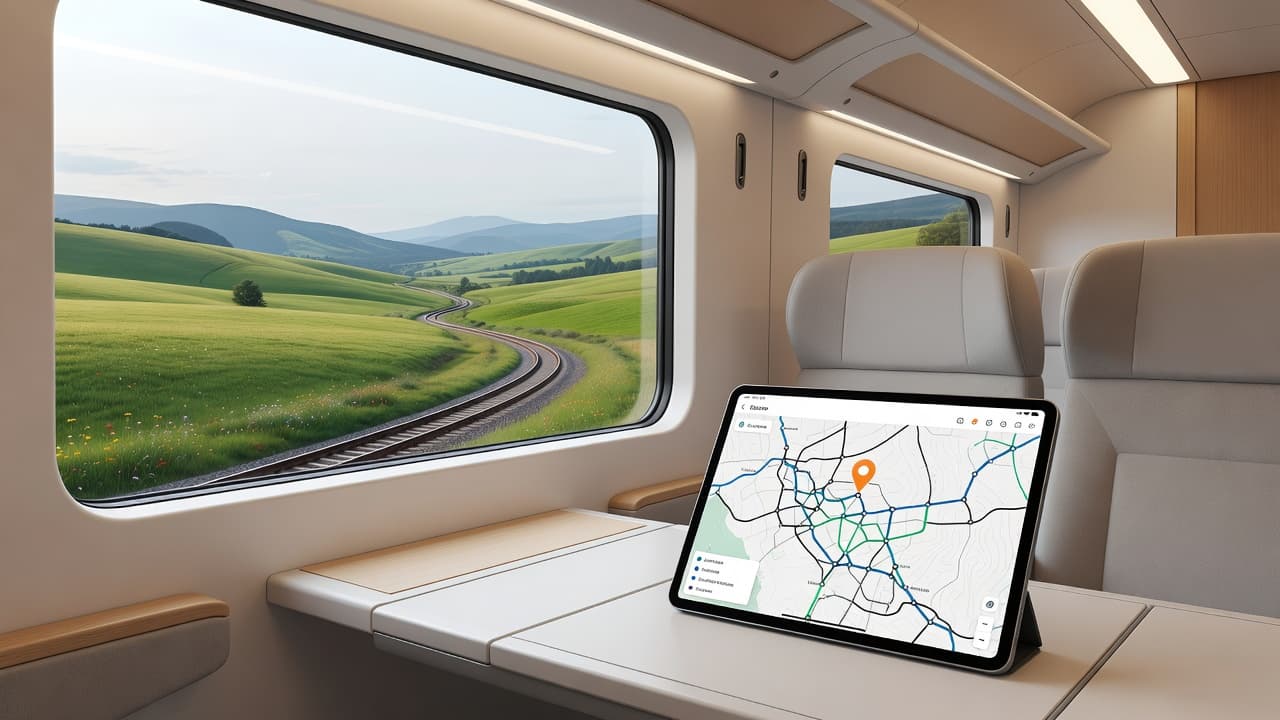
Base choice matters as much as the headline route. A glamorous train ride followed by a hotel 40 minutes from the station can ruin the rhythm of a photo trip, while a simple room five minutes from the platforms lets you catch first light, drop gear at noon, and head back out when weather changes.
Keep your kit small enough to carry up stairs, through underpasses, and onto ferries without resentment. A weather-sealed body helps, but access matters more than perfection. If a tripod slows you down, leave it unless you know you’ll use it.
Finally, build in repeat rides. The first pass shows you the landscape. The second pass shows you where to stand.
Final Thoughts
The smartest car-free photo trips are usually smaller than people expect. Pick one line with depth, one walkable base, and enough time to wait for weather instead of chasing distance.
Europe still rewards that slower method. Would you rather race through six stations, or stand above the Brusio spiral at 7:17 a.m. after rain and wait for the red train to enter the curve?
