
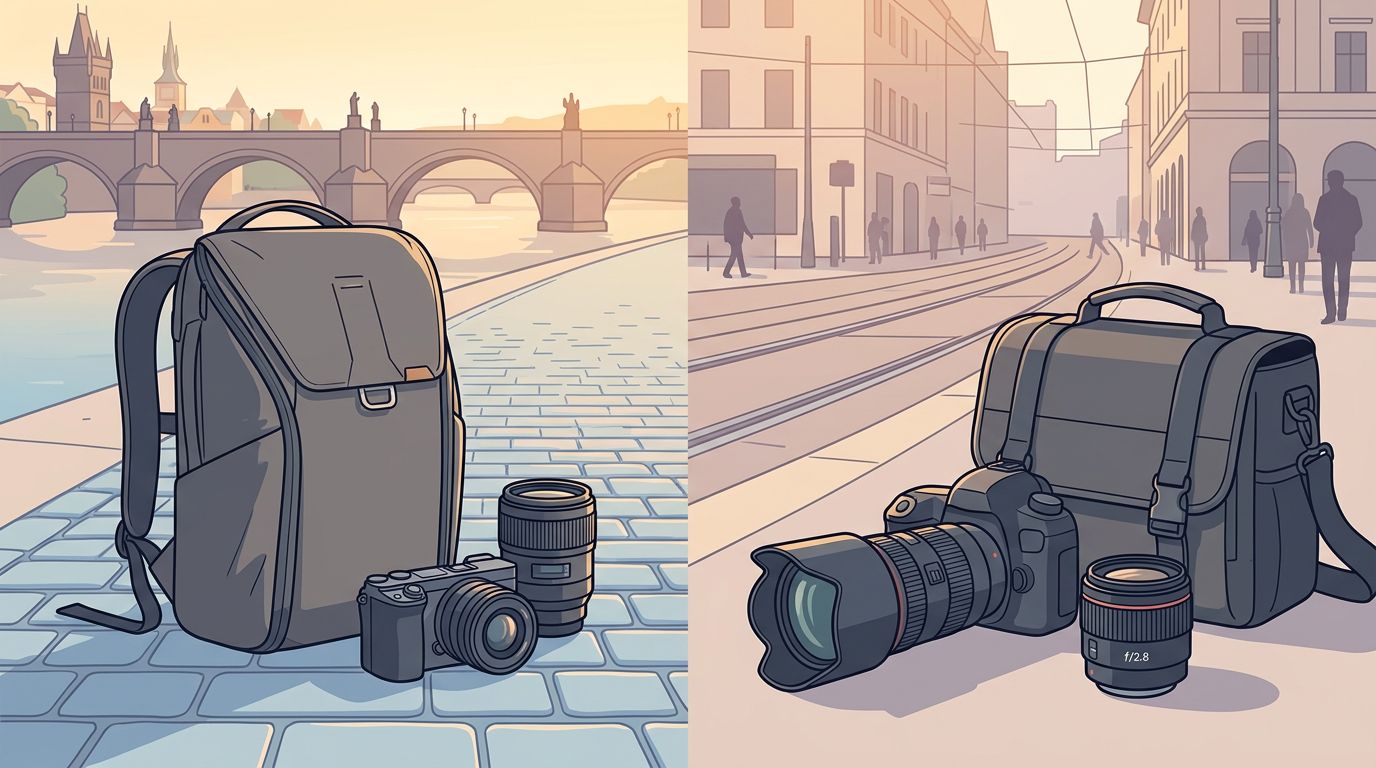
Europe punishes overpacking. Cobblestones, stairs, budget flights, and full-day walks turn a heavy camera bag into dead weight by lunch.
The right travel photography lens kit depends less on your skill level than on your pace, your budget, and the kind of scenes you chase. A beginner doesn’t need a weak setup, and an advanced shooter doesn’t always need a backpack full of glass.
Pick the wrong kit, and it stays in the hotel. Pick the right one, and it stays with you from a blue-hour bridge to the last late-night tram.
Key Takeaways
- A beginner kit should favor flexibility, low weight, and fewer lens swaps.
- An advanced kit earns its extra weight only when you need speed, reach, or stronger low-light control.
- For most European trips, one zoom plus one small prime is enough.
- City-heavy itineraries reward compact gear more than large f/2.8 zooms.
- The best kit is the one you’ll still carry after eight hours on foot.
What Actually Separates Beginner and Advanced Lens Kits
The real difference isn’t talent. It’s margin.
Beginner travel photography lens kits usually aim for broad coverage at a reasonable price. That means a standard zoom, maybe a compact prime, and fewer decisions while you’re standing in a crowded square.
Advanced kits buy more control. Faster apertures help in dim cathedrals. Better weather sealing helps when rain starts in Amsterdam. Longer telephotos pull detail from rooftops, mountains, and street scenes you can’t physically enter.
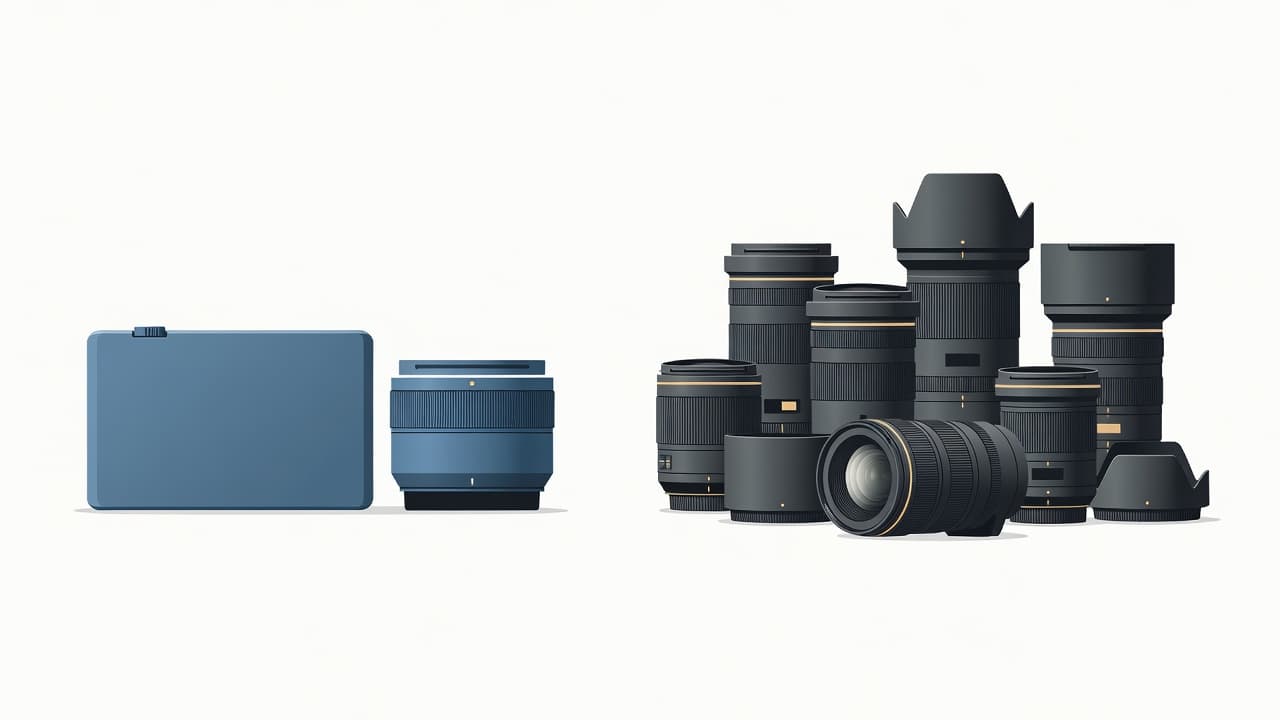
In Europe, those gains can matter, but so can speed of movement. Museums have bag limits. Trains have overhead racks, not gear closets. Old town centers make you walk more than you planned, so every extra lens has to justify itself by the second or third day.
A recent European travel gear discussion captured the choice well. One traveler compared a Canon R6 with a 14-35mm f/4 and 70-200mm f/4 against a Sony A7C with a 24mm f/1.4 and 85mm f/1.8. One setup favored coverage and reach, while the other favored speed and simplicity.
This quick comparison keeps the choice grounded.
| Kit level | Typical Europe setup | What it does well | Main trade-off |
|---|---|---|---|
| Beginner | 16-80mm f/4 on APS-C, or 24-105mm on full-frame | Handles streets, interiors, food, portraits, and landmarks with one lens | Slower in low light |
| Advanced | Wide zoom plus fast prime, sometimes a short telephoto | Better low-light work, stronger subject separation, more creative options | More weight, higher cost, more lens swaps |
The pattern is simple: advanced kits buy control, not magic.
The lens you still want to carry at 8 p.m. is usually the right one.
A Beginner Kit That Still Feels Capable
Most beginners do best with one good zoom. For APS-C, that often means a 16-80mm, 17-70mm, or 18-50mm f/2.8. For full-frame, a 24-105mm or 20-70mm f/4 hits the sweet spot.
That range covers most of Europe well. You can shoot a narrow Lisbon street at the wide end, a cafe table in Paris around 35mm, and a portrait in Prague near 70mm or 105mm.
Weight matters. Crowds move fast. Rain happens.
If you’re flying into Lisbon, hopping trains through Spain, and finishing with three museum-heavy days in Rome, a camera body with a compact standard zoom will usually produce more good frames than a heavier bag that stays in the hotel wardrobe.
A small prime can improve the kit without making it complicated. A 35mm f/1.8 on full-frame, or a 23mm f/2 on APS-C, is a smart add-on for dinners, night walks, and church interiors where flash isn’t allowed. You give up some reach. A fair trade. Most city scenes sit between wide and normal anyway.
Concrete examples help here. A Fujifilm X-S20 with the XF 16-80mm f/4 is a practical one-lens setup. A Sony a6700 with the Sigma 18-50mm f/2.8 stays compact and bright. On full-frame, a Nikon Zf or Z6 III with the 24-120mm f/4 works for almost everything short of wildlife or serious sports.
The mistake many beginners make is buying for rare moments. They pack an ultra-wide for one cathedral ceiling and a telephoto for one distant tower. Then they carry both through six train stations. A single zoom handles the other 95 percent.
If you want a second opinion before buying, this beginner travel gear overview makes the same case in plainer terms: simple kits get used more.
When an Advanced Kit Makes Sense
Advanced travelers often know their style before they leave home. That changes everything.
An experienced photographer who knows they will shoot interiors at dawn, portraits at dinner, compressed street scenes from across a square, and distant ridgelines in the Dolomites can justify carrying two or three lenses because each one solves a clear problem.
The classic advanced Europe kit usually has one of two shapes. Some photographers carry a wide zoom and a standard zoom, such as a 16-35mm f/4 plus a 24-70mm f/2.8. Others keep it leaner with a standard zoom and one fast prime, like a 24-70mm plus a 35mm f/1.4 or 50mm f/1.8.
That second option is often smarter for travel. You keep flexibility during the day, then switch to the prime after dark. Low-light performance improves. Background separation improves too. Meanwhile, the bag doesn’t balloon.
Short telephotos also make sense in Europe, but only for certain trips. A 70-200mm f/4 is useful in the Alps, along the Amalfi Coast, and on city overlooks where layers matter. It matters far less inside Vienna, Florence, or central Copenhagen, where streets are tighter and distances are shorter.
Advanced kits also need discipline. Carrying more lenses doesn’t mean changing them all day. Pick a lens for the morning, then stay with it until the light or subject truly changes. That habit reduces sensor dust, missed shots, and decision fatigue.
There’s also a money angle. A fast zoom trio looks impressive on paper, but Europe’s budget airlines and daily walking punish that kind of optimism. The extra quality is real. So is the strain in your shoulder by day four.
Match the Kit to Your Route
Your route should shape the kit more than your experience level.
City breaks reward compact setups
For Paris, Rome, Amsterdam, or Barcelona, a standard zoom and one small prime cover almost everything. Streets are tight, museums are busy, and cafes don’t leave room for a giant shoulder bag. A lighter setup also draws less attention, which matters in crowded tourist zones.
Mixed itineraries need range
If the trip includes both cities and landscapes, stretch the main zoom first. A Nikon Z 24-120mm f/4, Sony 20-70mm f/4, Canon RF 24-105mm, or OM System 12-45mm f/4 PRO gives you far more freedom than a short kit lens. The jump from 70mm to 105mm matters more than many people expect when you’re shooting details on facades or tighter portraits.
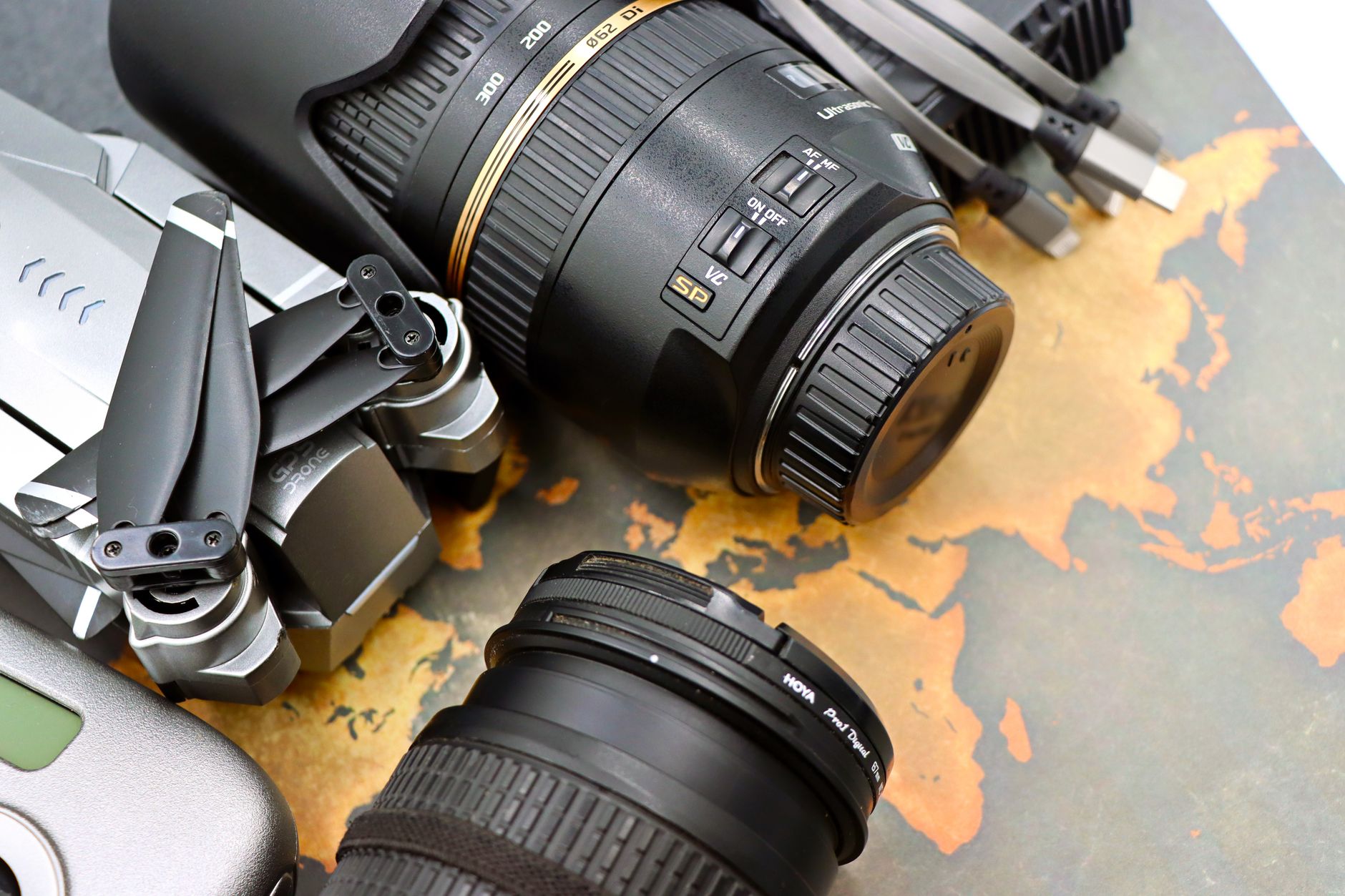
Photo by Marta Branco
Photo-first trips can carry more
Trips built around sunrise, blue hour, and long scenic drives make room for a larger kit. If you’re heading to Iceland, the Dolomites, or the Scottish Highlands after a stop in Europe proper, extra glass makes more sense because the photography is the schedule, not a side activity between museum tickets and dinner reservations.
One more point matters: bag size. If the kit doesn’t fit in a small sling or a compact backpack, you’ll feel every compromise. This is why many advanced travelers still downsize. They know the difference between what makes a file better and what makes a trip better.
For a quick reality check before adding another lens, this beginner travel photography gear breakdown is useful because it strips the decision back to what gets carried in real life.
Conclusion
The gap between beginner and advanced kits isn’t about status. It’s about mobility versus control, and where your own trip lands on that line.
Most people traveling through Europe need less than they think, especially if the trip includes flights, trains, museums, and long days on foot. The smartest kit is often one step smaller than the bag you first pictured.
If your camera, one extra lens, a spare battery, and a 500 ml water bottle fit without a fight, you’ll probably still be carrying them halfway up the stone steps outside Vernazza station.
