
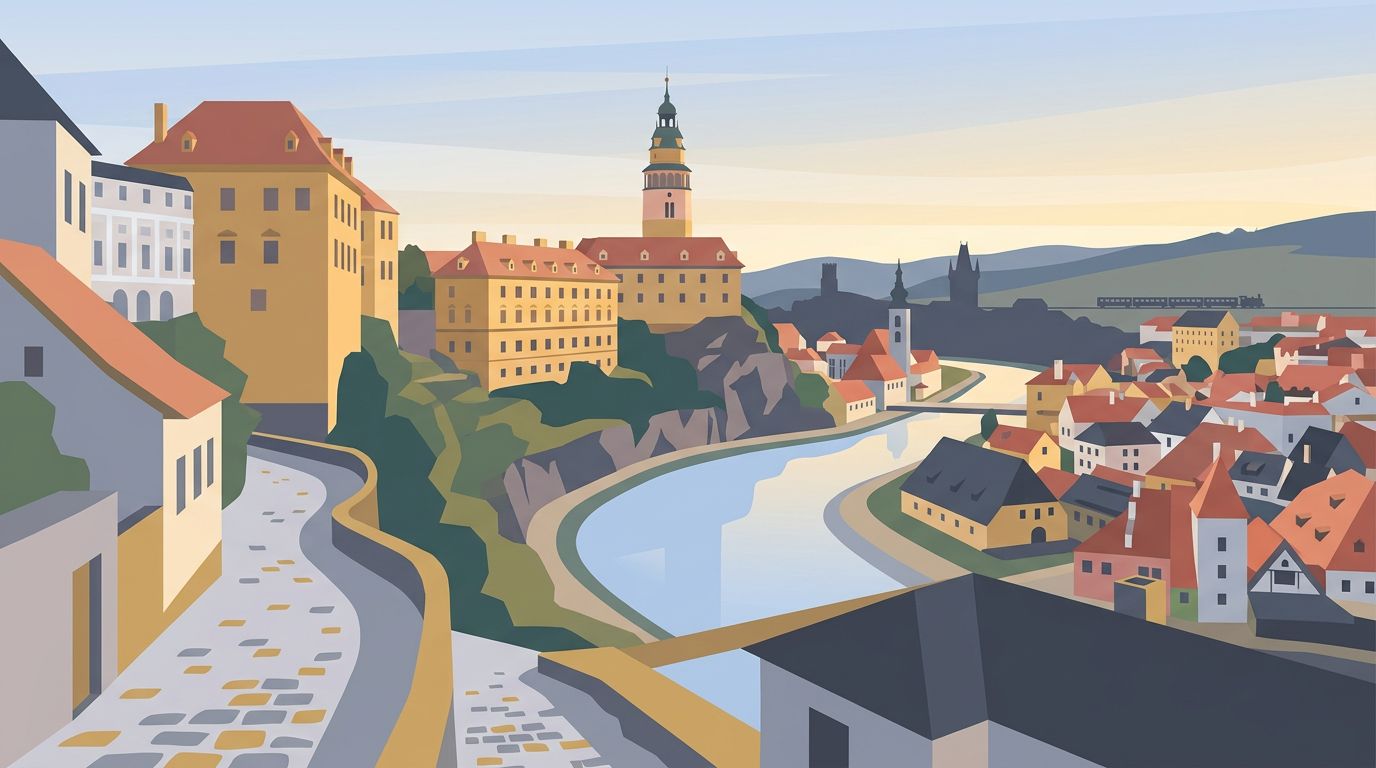
Prague gets the attention, but the strongest frames often sit a train ride away. If you’re searching for the best photo spots in the Czech Republic beyond Prague, look for places with clean lines, soft morning light, and a reason to slow down.
The country is full of scenes that work fast on camera. River bends, sandstone towers, castle hills, and small squares do most of the work for you. Go early. Stay late.
Český Krumlov for the classic river-castle frame
Start with Český Krumlov, because few places in the country give you such an easy win. The town curves around the Vltava like it was drawn for a wide lens, and the castle sits high enough to split the skyline without crowding it.
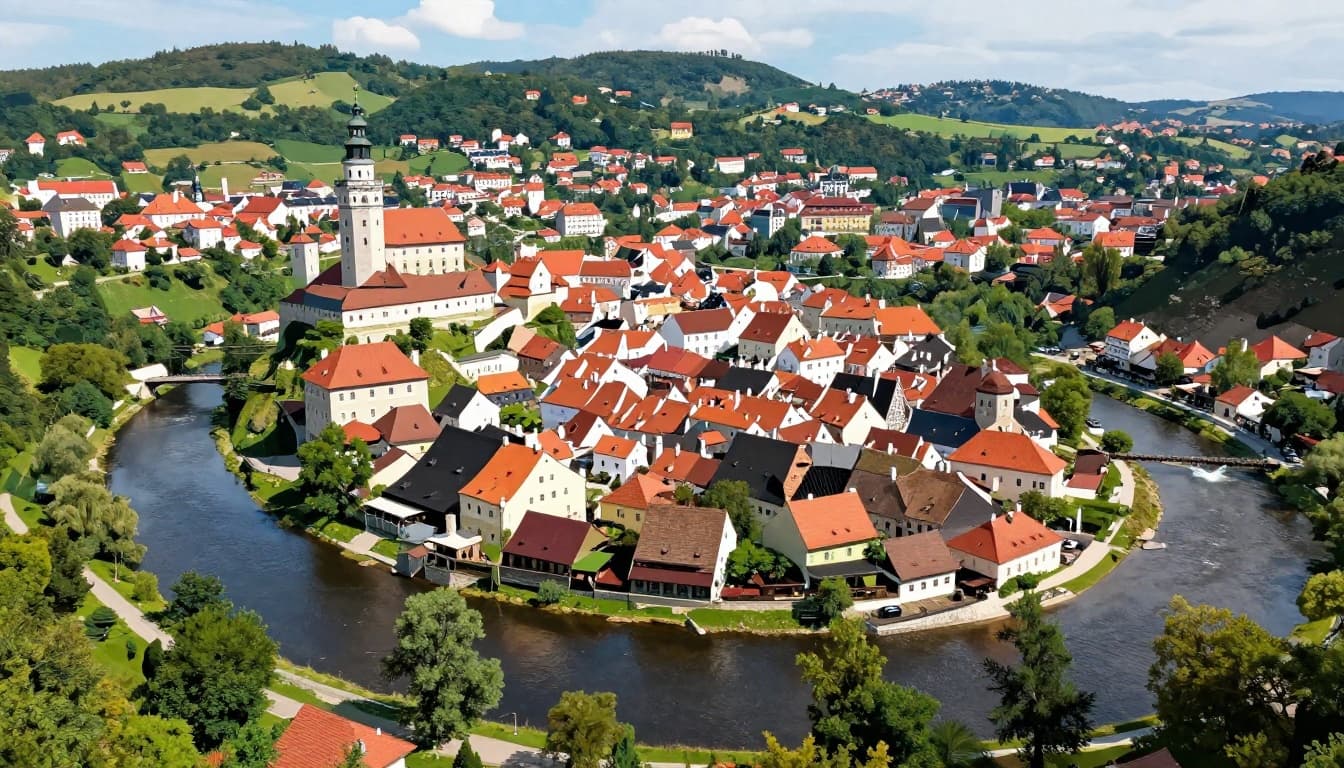
The cleanest shots come before breakfast. Dawn wins here. Always. Midday is harder, because the streets fill up and the bright stone starts to flatten the scene.
A solid starting point is this guide to the best viewpoints and photo spots in Český Krumlov, which helps you move beyond the obvious riverside angles. Once you reach the castle area, keep looking for turns in the road, small bridges, and the higher paths that let the river bend sit inside the frame.
One October morning, a bakery delivery van rolled across the bridge just as fog lifted. The bridge was empty a minute later, but the frame stayed clean because the town still felt asleep. That kind of timing matters more than gear here.
A good trick is to shoot the same spot twice. First from the lower river path, then from a higher overlook after the light shifts. The town changes character fast, and that shift gives you a second image without moving far.
South Moravia for vineyards, hills, and open horizons
South Moravia has a different mood. The light feels broader, the land opens up, and the shapes are simpler. If you like images that depend on slope, line, and sky more than on famous landmarks, this region gives you room to breathe.
The hills around Mikulov and the Pálava area are especially strong at sunset. Vineyard rows pull the eye into the distance, while limestone ridges hold the edge of the frame. In spring, the greens are fresh and clean. In late summer, the fields go warmer and softer.

Photo by Dawid Zawiła
The region also works well when you want a quieter road shot. Small lanes, bare trees, and farm tracks can look plain at first, then turn rich when low light falls across them. Morning fog. Better still.
For a very different kind of curve, the Vltava Horseshoe viewpoint near Zduchovice gives you one of the country’s cleanest river loops. It pairs well with a South Bohemia detour if you want a wide landscape after the tighter streets of Krumlov.
The best approach here is simple. Park, walk, wait. The scene often improves after the first five minutes, because the fields stop feeling empty and start feeling intentional.
Bohemian Paradise for sandstone towers and misty depth
Bohemian Paradise is where the Czech Republic starts looking carved rather than built. The rock towers rise fast, the trails dip out of sight, and every ridge gives you another layer to work with. If you like landscape shots with a bit of drama, this place delivers.
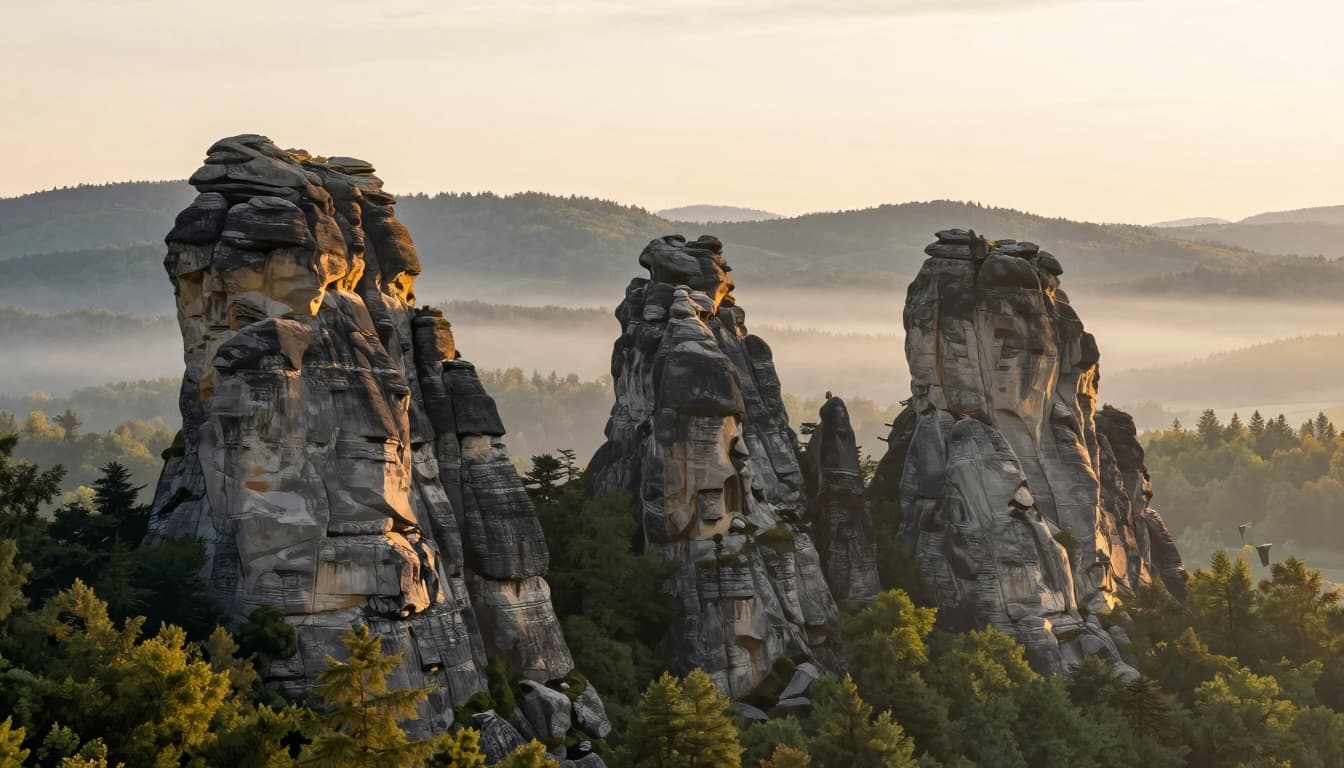
The light is the real prize. Early morning gives the rocks shape, while side light pulls out the edges and keeps the forest from going flat. Mist helps. A little haze in the valley can make the whole scene feel layered without hiding the forms.
Keep your framing simple. The rocks are the subject, so let them breathe. A busy foreground often hurts more than it helps. Instead, step a little off the main path and look for a higher line that lets you stack one tower behind another.
If you want a second sandstone stop on a longer trip, the Marienfels viewpoint guide in Bohemian Switzerland is a smart reference. It has a similar mix of rock, height, and open view, though the feel is wilder and more vertical.
You don’t need much movement once you’re in the right place. A few steps can change the whole composition. That is the beauty of this region.
Kutná Hora for stone detail and quiet contrast
Kutná Hora gives you a different kind of photo stop. It isn’t about wide views. It’s about texture, age, and contrast. The town rewards slower eyes, especially if you want images that feel a little heavier and more serious.
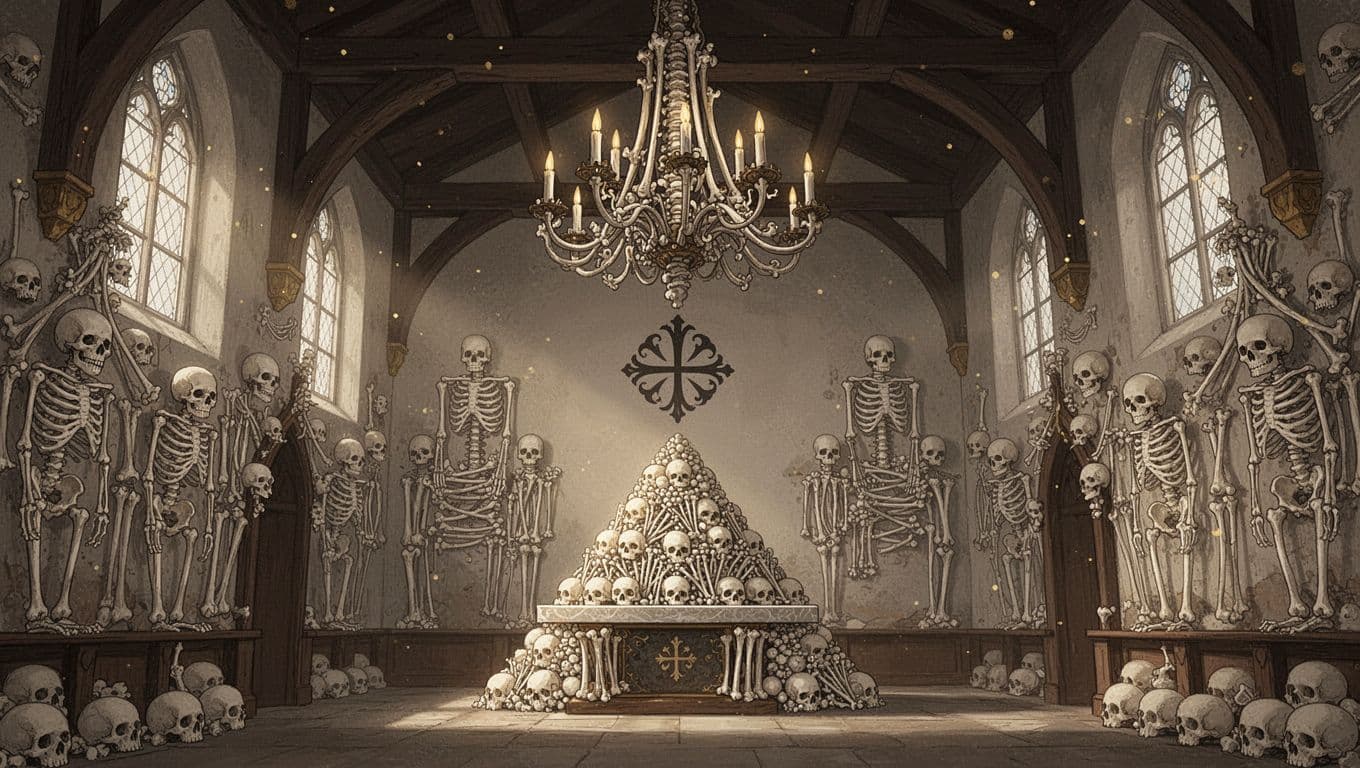
The Sedlec Ossuary is the obvious draw, but the town around it matters too. Inside the ossuary, the light is dim and the details are dense, so a steady hand and patience matter more than speed. Outside, the streets around the old center give you calm stone facades, narrow lanes, and one of the most photogenic cathedral silhouettes outside Prague.
This is a place where shadow helps. The bone decorations in the ossuary read best when you let the dark parts stay dark. Too much exposure flattens the mood. With the right balance, the interior feels sculptural rather than chaotic.
The wider town also gives you strong lines for editorial-style images. Roofs overlap. Towers cut through the sky. After rain, the cobbles pick up a soft sheen, and the whole place becomes easier to frame.
A short visit can still work, but don’t rush it. The strongest shots here often come after the first obvious ones are done.
Moravian Karst for depth, light, and the Macocha Abyss
Moravian Karst is where the ground opens up and the image goes vertical. The Macocha Abyss is the obvious star, and it deserves the attention. The shaft is deep, stark, and dramatic in a way that feels almost unreal until you’re standing at the rim.
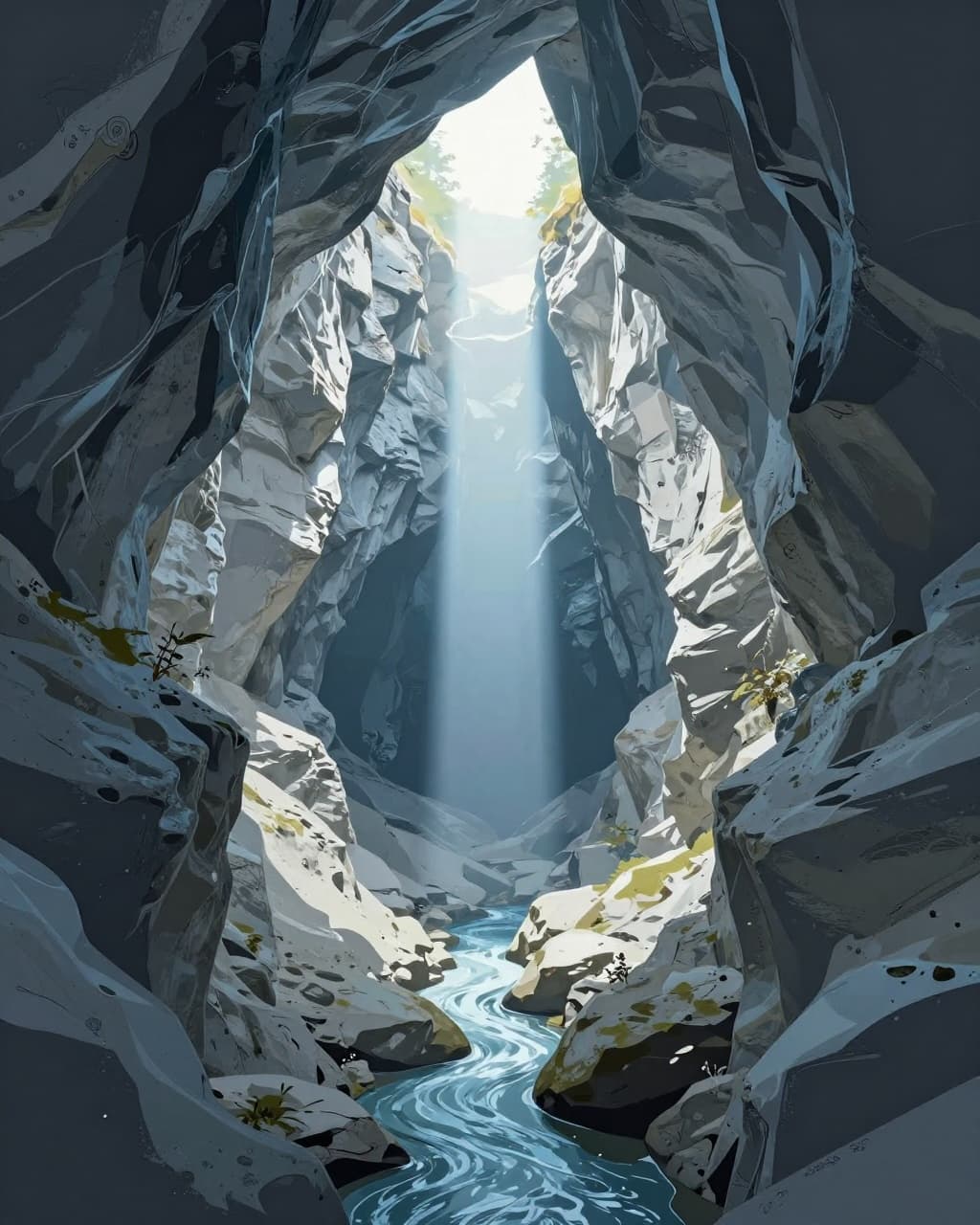
The best photos happen when the light is soft enough to keep the contrast under control. Overcast mornings work well, because they keep the walls readable without blowing out the highlights. A vertical frame suits the abyss better than a wide one, since the shape drops straight through the scene.
Cold air. No echo. The space feels different the moment you lean over the edge. That is part of the appeal, because the place gives you a clear subject without needing a lot of extra detail.
If you move through the karst area, keep your eyes open for smaller contrasts too. A path cut into limestone, a railing against a dark opening, or a shaft of light hitting the cave floor can turn into a strong detail shot. Go before the buses arrive. You want the hush.
This is also a good region for slower content. Short clips of water, footsteps, and stone surfaces work better here than fast edits. The place already has pace.
Telč and Mikulov for color, symmetry, and easy framing
Sometimes the best photo spot is a square with no drama. Telč is one of those places. Its façades line up neatly, the colors stay gentle, and the whole center gives you order without feeling stiff. If you want a clean composition, this is a good place to relax and shoot.
Mikulov takes a different path. It has stronger slope, more sky, and a hilltop presence that gives every street a bit of lift. The town works well at blue hour, when the castle hill darkens and the buildings hold their shape against the last light.
Silence helps. Rain helps too. After a shower, the cobbles reflect the façades and the scene gains a soft shine that makes simple images feel finished.
These towns are useful because they don’t ask much from the viewer. The lines are clear, the colors are easy, and the frame stays tidy. That makes them strong stops for content creators who want dependable results without spending hours hunting for one angle.
They also work as recovery days between bigger landscape locations. After a rocky viewpoint or a cave visit, a town square gives your camera, and your legs, a break.
How to plan a photo trip outside Prague
The best route usually follows light, not mileage. Start with one river town, add one open landscape area, then finish with either a small historic center or an underground stop. That balance gives you variety without turning the trip into a race.
A good route usually means one base in South Moravia, one night in South Bohemia, and a second stop in central or eastern Bohemia, because the country is small enough to connect them without burning half your day on the road. If Karlovy Vary fits your route, the Deer Jump Lookout photography guide is useful for planning sunset time and valley views there.
Book one sunrise, not five. Carry a lens cloth. Check parking early. Those small choices matter because they save time when the light is best.
Spring and early summer are reliable for green hills and longer evenings. September is strong too, especially in vineyards and riverside towns, where the light gets lower and the colors start to warm. Winter can work for cleaner streets and sharper silhouettes, but you need patience and good boots.
For gear, keep it simple. A wide lens helps in castle towns and stone squares. A mid-range zoom helps on viewpoints. A spare battery matters more than people think, especially in cold weather or after a long day of video clips.
The biggest mistake is trying to cover too much ground. Pick places with different shapes, then give each one enough time to settle into the frame.
Conclusion
The strongest photo spots beyond Prague aren’t hidden treasures. They’re places that know how to hold light. Český Krumlov gives you a river bend and a castle, South Moravia gives you open lines, and Moravian Karst drops you straight into depth.
If you plan around sunrise, stay patient, and let each place breathe, the Czech Republic rewards you with scenes that look calm on the surface and rich in detail once you slow down. Would you start with Český Krumlov at dawn or Macocha before the tour buses arrive?
