
Budapest gets most of the headlines, but the strongest Hungary photo spots often sit well outside the capital. If you want cleaner horizons, fewer crowds, and photos that feel less polished and more alive, the road trip is where the best light lives.
The places that reward a camera here are varied. Some are wide plains, some are lake edges, and some are old towns that glow at dusk. Start with the west, then work east.
Lake Balaton’s Shores
Lake Balaton is easy to underestimate. On a map, it looks calm and simple, yet the right shoreline can give you layered hills, long reflections, and a sky that does half the work for you.
The north shore is the better choice when you want depth. Look for higher viewpoints near the Balaton Uplands, where the water line stretches out and the hills break the horizon in clean steps. If you want a more elevated frame, the Kossuth-kilátó above Lake Balaton and the Sipos-hegyi lookout in Fonyód both give you a wider view than the beach level path.
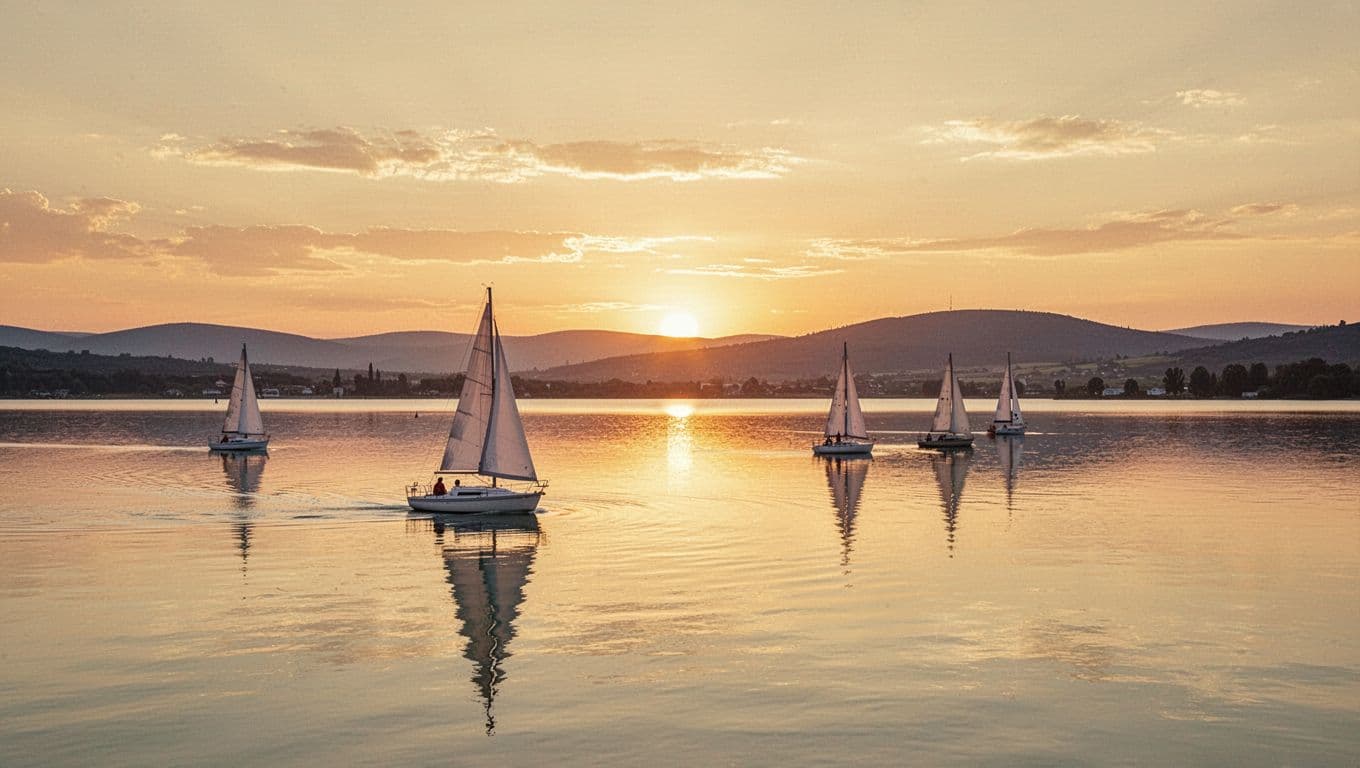
Midday can flatten the whole scene. Early morning gives you softer color and cleaner lines, while late day can turn the water into a long strip of silver. Tripods help. So does a polarizer.
I once reached Keszthely after a storm and waited on the promenade with my bag still wet from spray. The clouds opened for ten minutes, a cyclist in a red jacket crossed my frame, and that small bit of movement kept the photo from feeling empty. Sometimes, one person is enough.
Not every tower helps the shot, either. Some viewpoints add railings and metal lines that cut across the water, so check the angle before you drive out. If you want a broad note on Balaton viewpoints, a recent guide on photographing Lake Balaton shows why the exact platform matters.
Hortobágy National Park
Hortobágy feels like the opposite of Balaton. It is flat, open, and full of air, so the sky becomes part of the composition instead of a backdrop. That is why the steppe works so well in photos.
The park is Hungary’s largest protected area and a UNESCO World Heritage site. More than that, it gives you honest shapes, wide space, and a sense of distance that makes even a simple shepherd scene feel dramatic. If you want birds, the roosting crane hide in Hortobágy is a strong starting point, especially when cranes gather at dawn.
If you arrive before sunrise, the steppe can feel almost empty, yet cranes, cattle, and the nine-arch bridge all shift from soft shapes to sharp lines in minutes as the light climbs. That is the moment when a long lens starts to pay off. The land looks plain, then it doesn’t.
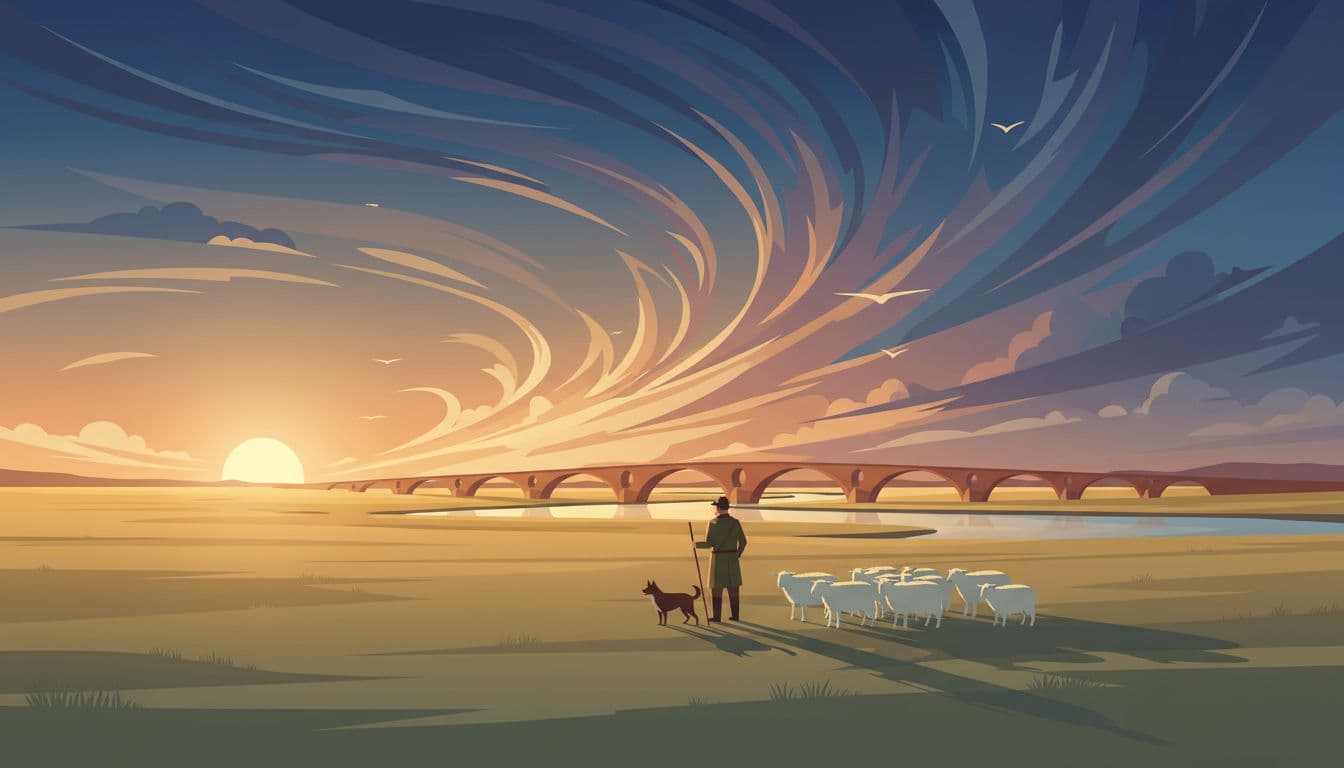
For a classic frame, look for shepherds, long-horned cattle, and the bridge itself. Those details tell the story fast. Early morning. Always.
A quiet car, low sun, and a little mist can turn the plain into a moving gray field. After that, you only need patience. A few minutes can change everything.
Eger’s Castle and Rooftop Views
Eger gives you a different kind of scene. The city has strong stone, warm roofs, and hilltop views that stack old and new into one frame. It feels compact, which is useful when you want a photo with clear lines.
Start with the castle if you want height and structure. Then move into the town for churches, narrow lanes, and rooftops that catch the last light. The official page on viewpoints in Eger is useful when you want to map a route between the Magic Tower, Panoráma Terasz, and other lookout points.
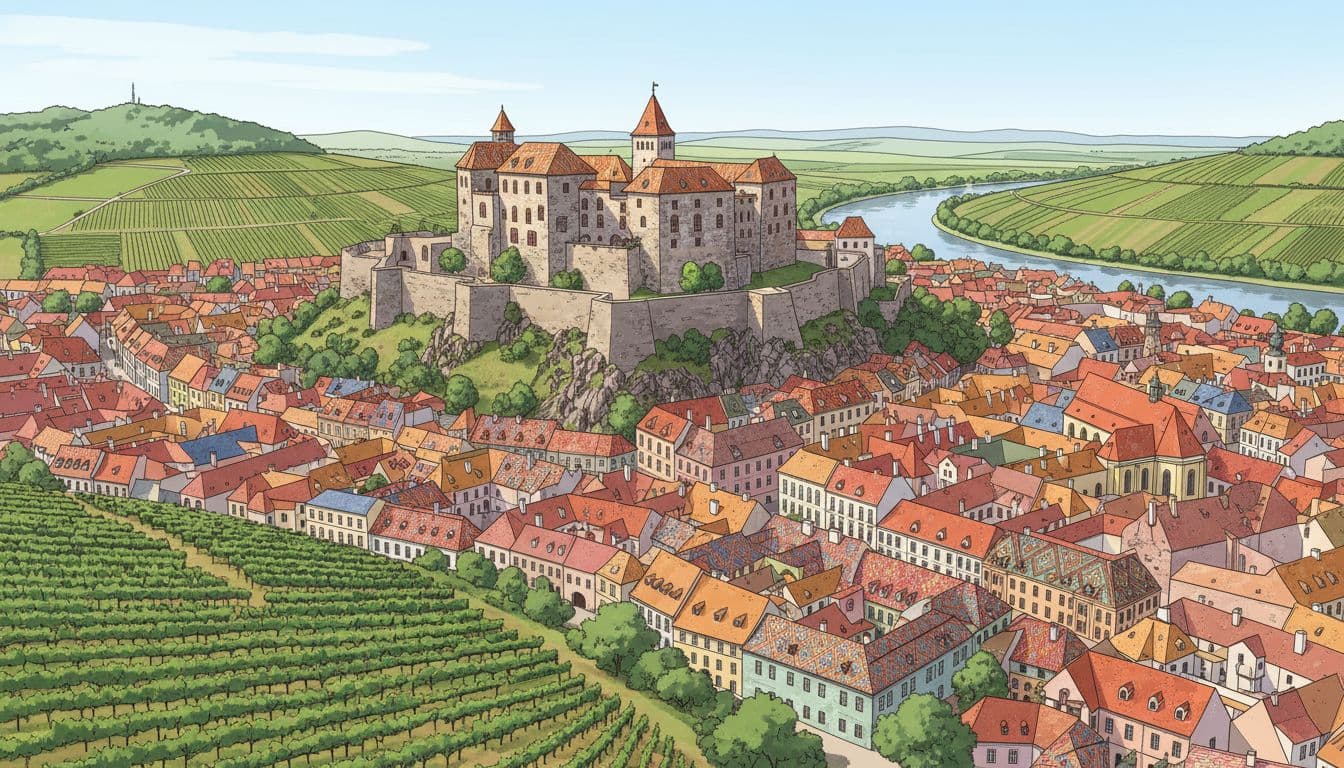
The climb matters here. Some views ask for 314 steps, and that effort changes how you read the final photo because the town feels earned rather than grabbed. From above, the roofs line up in neat blocks, while the castle wall holds the edge of the frame.
Walk down toward Bérc street when you want something quieter. The lanes narrow, the walls close in, and the mood softens without losing detail. Eger works best in late afternoon, when stone stays warm and the streets still hold light.
Go late. Stay longer.
Tokaj, Lillafüred, and the Northeast Hills
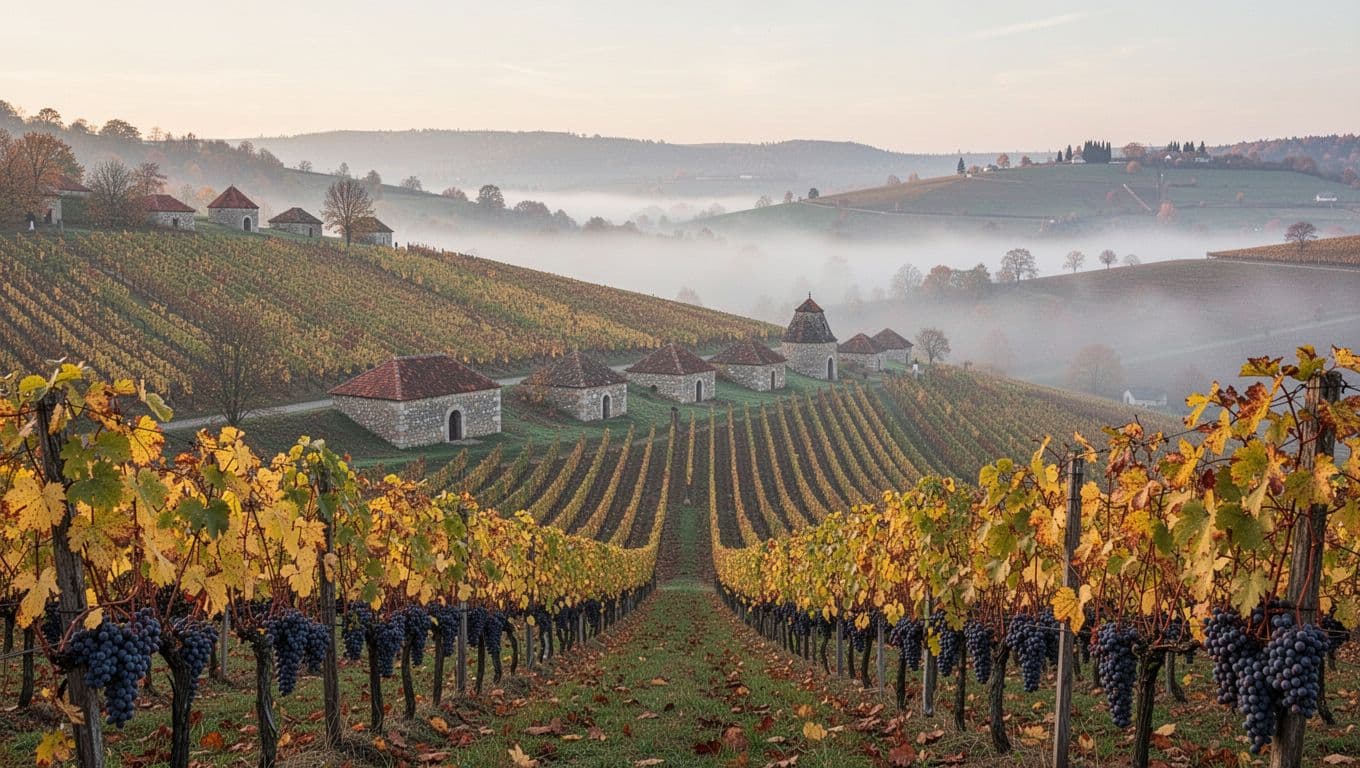
Tokaj is for color. The vineyards roll out in neat rows, the hills stay low enough to keep the horizon calm, and autumn adds copper and gold without making the scene loud. It is a good place to slow down and watch how light sits on the slopes.
Early mist helps here. So does a simple foreground, like a vine row, a path, or a cellar door. The historic wine cellars add texture, but the real strength is the way the land opens without clutter. A wide lens works well first, then a tighter one can pick up the shape of the terraces.
If you have another day, keep driving toward Lillafüred and the Megyer-hegy Tarn. Lillafüred gives you a palace hotel, hanging gardens, caves, and an artificial lake, so the mood is lush and a little fairytale-like. Megyer-hegy Tarn feels different, because it sits in an old millstone mine and the stone walls close in around the water.
That contrast is useful if you want a set of photos that doesn’t repeat itself. One stop feels manicured. The other feels carved out of the earth. Autumn wins here.
The northeast is also a good place to move without hurry. Small roads, short stops, and changing hills make the drive part of the shoot. If you want to sketch a bigger route, the Hungary photo locations map gives you a broad starting point.
How to Get Stronger Frames Outside Budapest
The spot matters, but timing matters more. A lake, a plain, and a castle can all look ordinary if you arrive in harsh noon light. The same places can feel sharp and rich an hour later.
The best frame is usually one step higher.
Go early. The light is softer, and the roads are quieter.
A few habits help more than fancy gear:
- Carry a wide lens for Balaton, Tokaj, and Eger’s rooftop views.
- Bring a telephoto lens if you want cranes, cattle, or distant hills.
- Use a small tripod for blue hour and low-light village scenes.
- Keep a cloth in your bag because lake spray and dust show up fast.
- Walk past the first viewpoint since the better angle is often farther on.
Tripods help. So do calm weather apps and an eye on the cloud cover. If the sky is flat, choose a place with a strong shape, like Eger’s castle wall or Hortobágy’s bridge. If the sky is alive, give it room.
One more thing: don’t try to chase every famous stop in one day. The best Hungary photo spots outside Budapest reward space, not speed.
Conclusion
Hungary outside Budapest feels bigger when you shoot it slowly. The lake edges, open plains, hill towns, and vineyard roads each ask for a different kind of attention, and that variety is what makes the trip worth it.
If you plan one route with room for dawn, dusk, and a few unscripted stops, the photos will look more like the place itself. Which would you pick first, the wide water at Lake Balaton or the open steppe at Hortobágy?
