
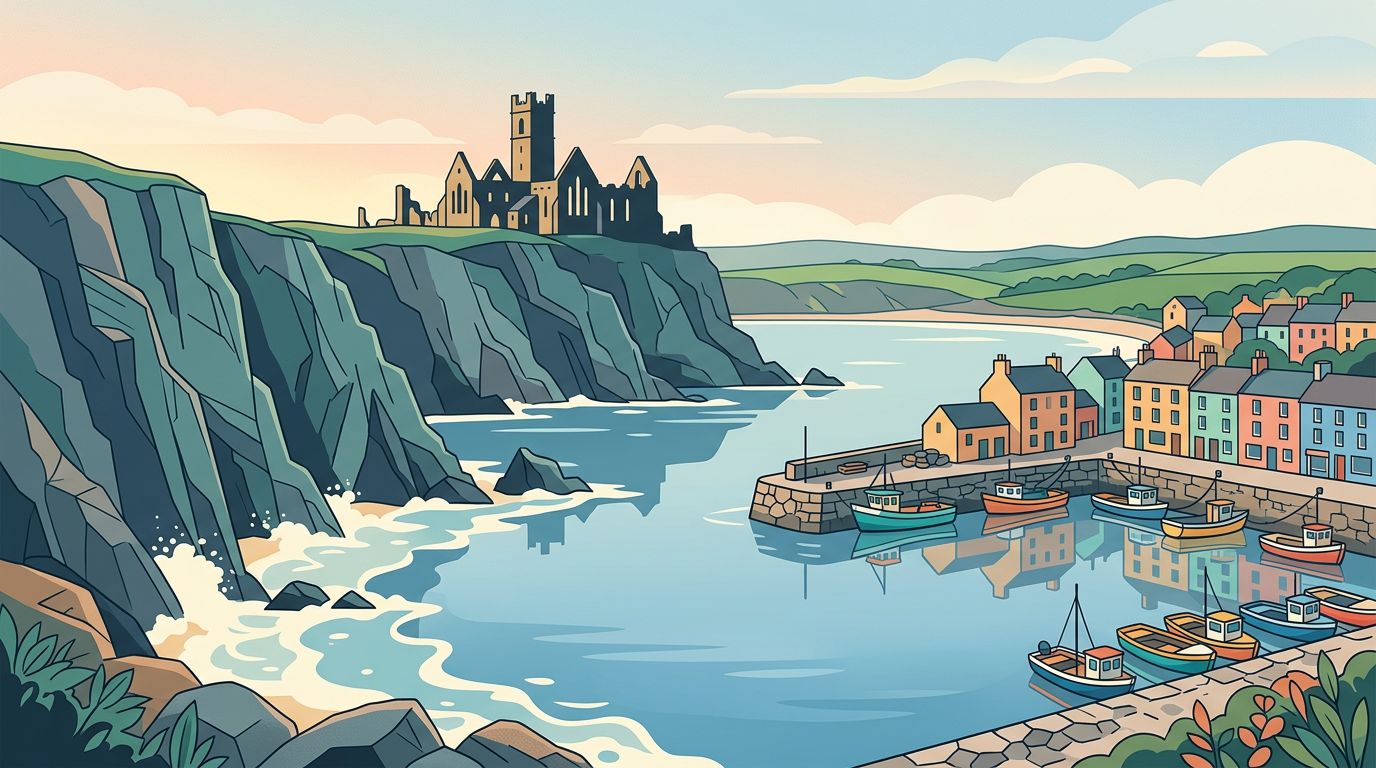
Some Ireland photo spots ask for patience. The cliffs shift with weather, abbeys glow in soft light, and harbors can change color after one brief shower.
If you want a trip that gives you scale, texture, and bright waterfront scenes, this mix works well. It also keeps your route varied without turning every stop into the same picture.
Go early. Bring a rain jacket. Keep your lens cloth handy.
Cliffs That Turn Weather Into Drama
At the Cliffs of Moher, the strongest frame often comes from a lower path where the cliff line cuts across the image and the Atlantic fills the background, because the scale feels larger when the horizon stays clean and the foreground grass gives you depth. Afternoon light often works well there since the cliffs face west, but a moody morning can be just as good if the wind drops.
Go early. Stay low. Watch the wind.
Around Doolin, I once saw two photographers wait out a squall with cold coffee and wet sleeves, then get five clear minutes that turned the rock face silver and the sea almost white. Those five minutes mattered more than the hour before them.
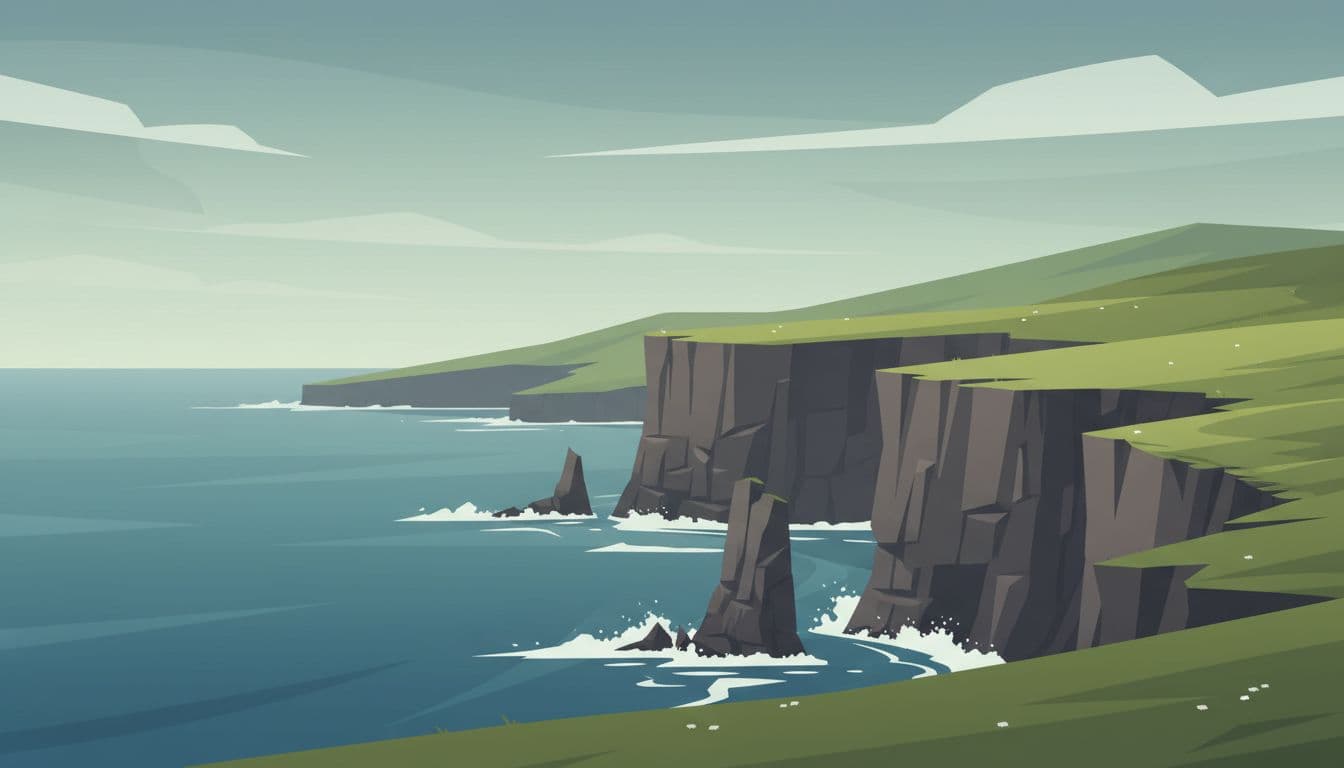
Slieve League in Donegal feels harsher and quieter. The cliffs rise high, the road feels small, and the best shots often include a person or a fence line so the scale doesn’t vanish.
Fair Head in Antrim works well on a moody day, when dark stone and pale water separate cleanly. Long lenses help when the air turns hazy, while a wide lens suits the sweep of the coast and the broken grass at your feet.
If you want to stitch a bigger loop together, this 9-day Ireland road trip itinerary with photo spots is a useful starting point.
Abbeys With Texture, Quiet, and Soft Light
Abbeys reward slower work, because their best frames come from stone texture, broken arches, wet grass, and the kind of pale light that makes every crack in the wall visible without flattening the scene.
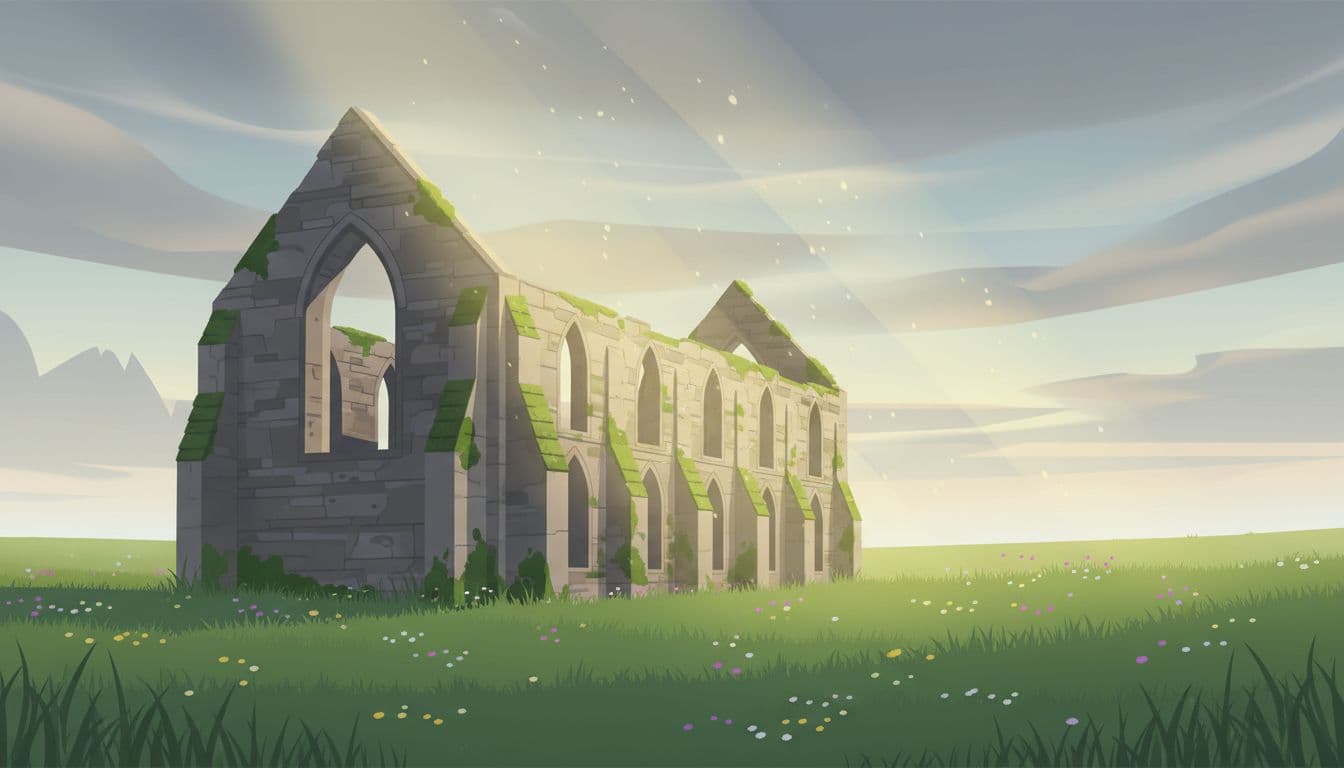
At Kylemore Abbey, the lake can mirror the building on still mornings, so a low viewpoint near the waterline often gives you a cleaner, calmer frame. Glendalough and Jerpoint Abbey both work well after rain, when the stone darkens and the moss reads clearly.
Morning is kinder here. Cloud cover helps. Harsh sun is harder on old stone.
A lone visitor under an arch can anchor the frame without stealing it, and a doorway shot can pull the eye deeper into the picture without needing much else. Winter grass and wet stone also give cleaner color than bright summer light, which can make old masonry feel flat.
For more options across the country, 13 of the Best Photography Spots in Ireland adds useful stops if you’re building a longer itinerary.
Colorful Harbors That Bring the Scene to Life
A harbor looks best when the water is calm enough to hold the color of the buildings, but not so flat that the scene loses the small ripples, ropes, and reflections that make it feel alive.
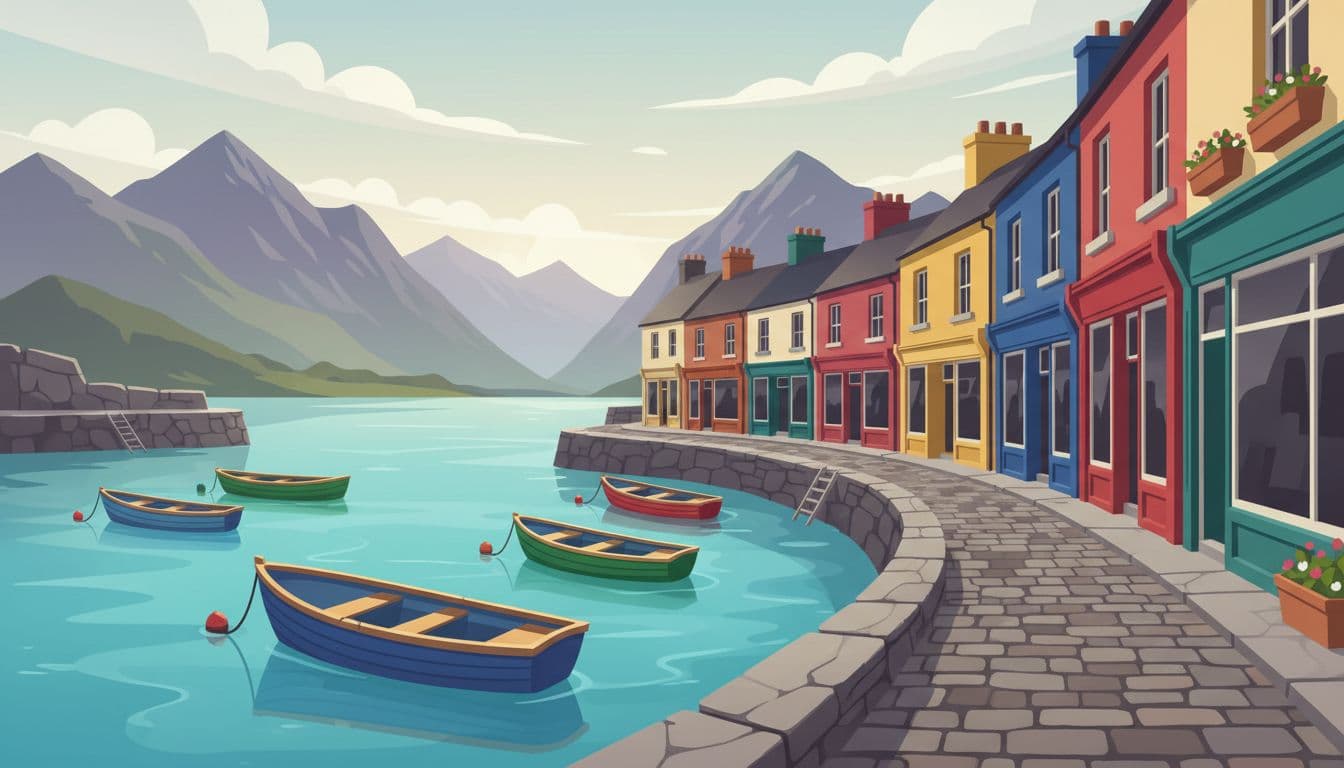
Kinsale gives you painted fronts, narrow streets, and a quay that pops after rain. Cobh stacks color up the hill, while Dingle brings boats, masts, and a working-town feel that keeps the scene grounded.
The color works hardest after a shower. Tide matters. Walk the quay first.
Blue hour also helps, because painted walls hold their color while lamps and window light start to show. Fishing gear, mooring lines, and small boats add a human scale that bright buildings alone can’t carry.
Try to shoot across the water when you can, because reflections add depth without crowding the frame. A longer lens can also compress houses, boats, and harbor walls into one tight image. On a quiet morning, a single wake can become the cleanest line in the shot.
When to Go, What to Carry, and How to Keep It Safe
Spring and autumn usually win. April to June and September to October bring milder weather, fewer crowds, and softer light. Early morning and late afternoon give the most forgiving tones near the coast.
- Before the buses arrive.
- Pack sturdy shoes.
- Bring a rain jacket.
- Stay on marked paths.
- Keep an eye on the tide.
- Carry out all litter.
Check tide charts before you leave town. A ten-minute delay can save a whole shot, especially when a harbor edge or narrow pull-in looks better after the water shifts.
Pack a microfiber cloth. Sea spray gets everywhere.
Harbors clear quickly, cliffs move slowly, and abbey grounds sit somewhere between the two. That rhythm helps when you’re moving through a road trip, because you can switch from dramatic edges to quiet stone to bright waterfront color without losing the thread of the day.
Why These Ireland Photo Spots Work Together
The best Ireland photo spots give you different moods without changing the country on you. One morning can start with surf against rock, then end with a painted harbor at low tide.
That mix is what makes this route so satisfying. If you plan around light, weather, and safe access, you come home with strong images and a trip that still feels easy to remember.
Would you rather stand on a cliff at sunset or wait beside a quay for the boats to come in?
