
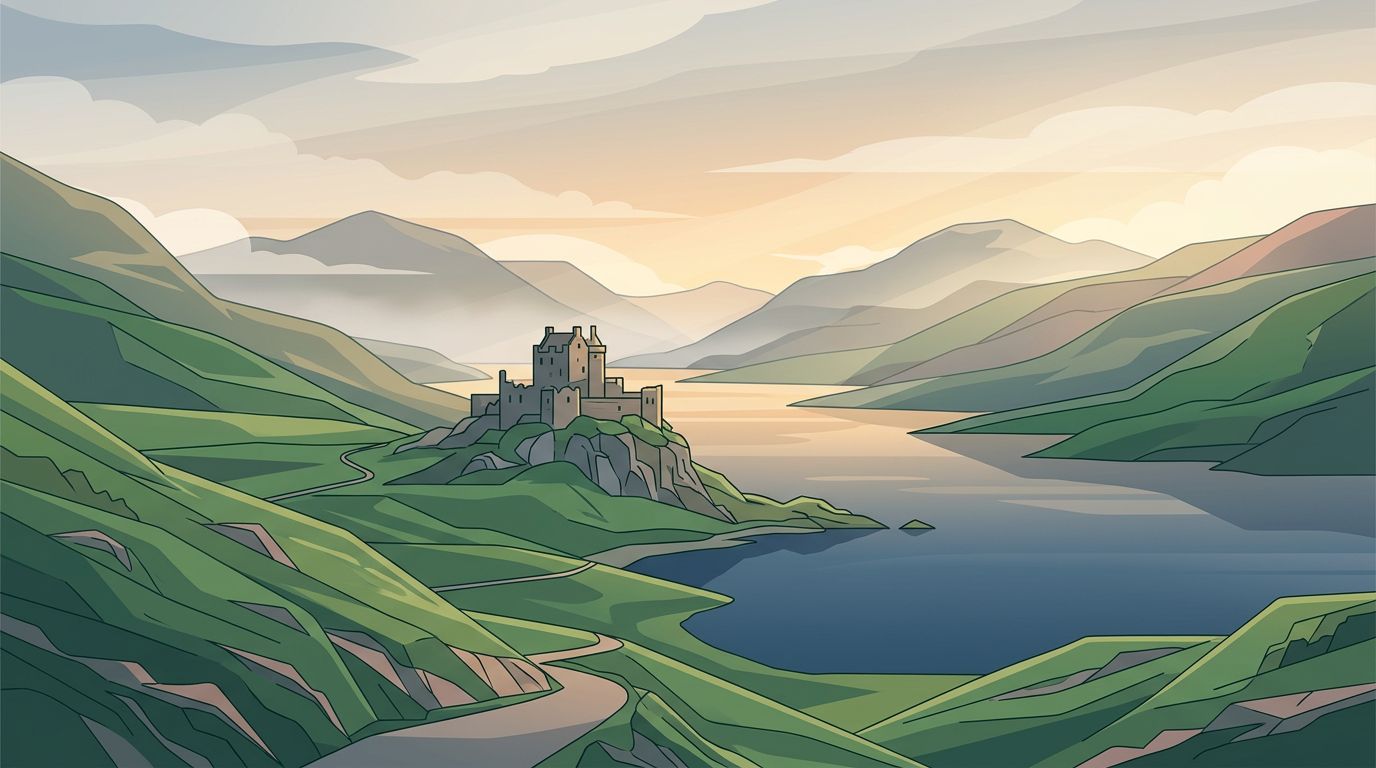
Scotland can change your frame in five minutes. The best Scotland photo spots often sit where weather, water, and stone meet in one strong view.
If you’re chasing Highland ridges and castle silhouettes, the hardest part isn’t finding scenery. It’s choosing where to stop, when to pull over, and which direction gives the cleanest line of sight. The good news is that the Highlands reward patience.
Why the Highlands keep giving you better frames
The Scottish Highlands work so well for photography because the land gives you shape before it gives you detail. Long valleys, sharp ridges, dark lochs, and old stone walls create layers fast. That matters when the sky changes every half hour.
Weather is part of the picture. So is distance. A scene can look plain from the road, then turn rich and moody once cloud breaks over a ridge or mist lifts off the water.
The weather is part of the composition.
A good Highlands shot often needs only three things, a strong foreground, a sense of scale, and one clear focal point. That focal point might be a mountain, a ruin, or a castle sitting above a loch. If you want more ideas beyond the usual stops, Colin Prior’s top Scotland photography locations is a useful place to start.
Go early. Stay late. Wait.
Those short windows matter more here than on flatter ground, because low sun and moving cloud can pull texture out of rock and grass in a way midday light never can. That is why Scotland keeps returning to photographers who like slow mornings and long drives.
Glencoe gives you the strongest opening shot
Glencoe is the place that teaches patience fast. The valley is wide, the mountains are steep, and the light can change the mood in minutes. One minute it feels harsh, then the cloud drops and the whole scene turns soft and deep.
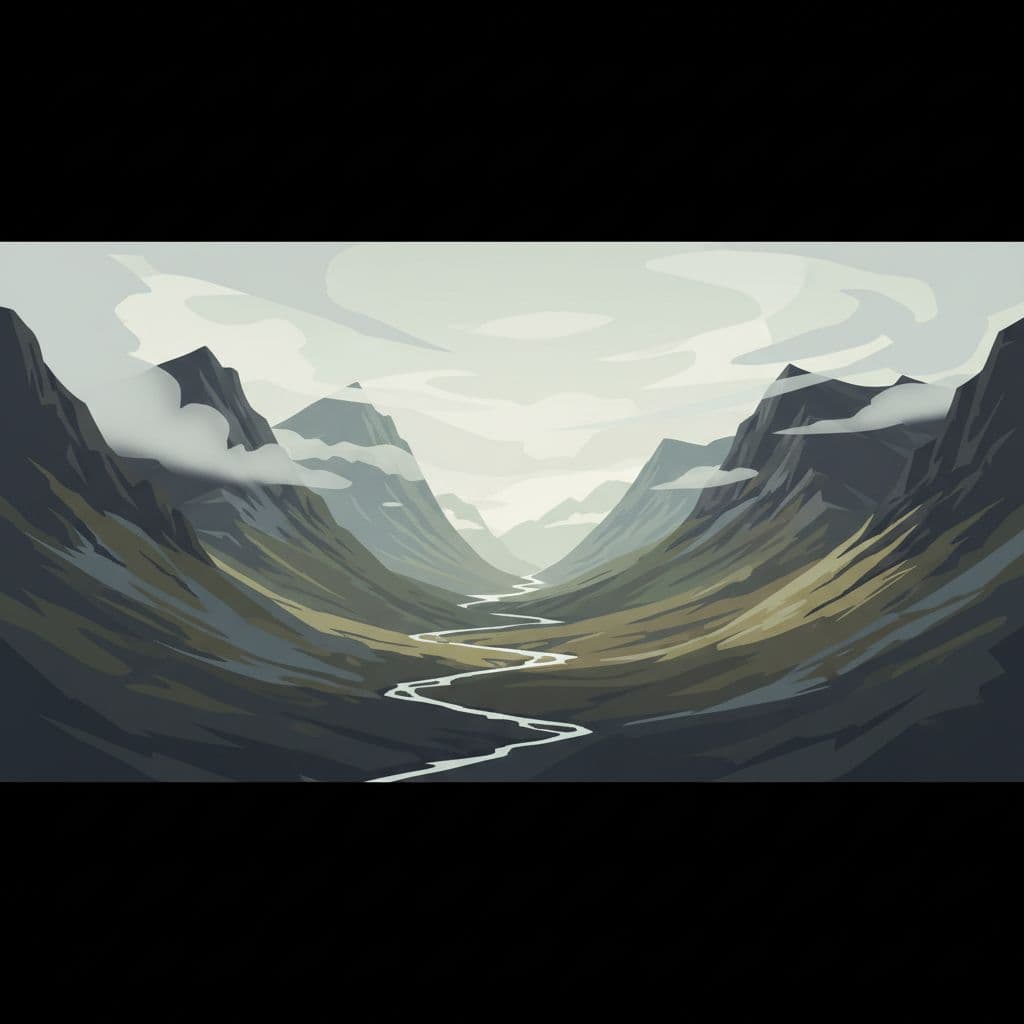
Look for the pull-offs near the A82, but don’t stop at the first obvious view. The best frames usually come when you move a little farther, then let the road curve out of sight and give the valley room to breathe. A narrow road. A wider sky. Then the whole valley opens below you.
The Three Sisters are the headline view, but they work best when the foreground has life. Wet grass, a dark fence line, or a strip of road can give the peaks something to sit behind. If the cloud is low, stay put. If the wind clears the valley, move fast.
A good Glencoe frame often needs the same thing castles need, a calm place to stand and a reason for the eye to travel. Here, the reason is easy. The mountain walls do the work.
Cloud adds texture.
Mist helps.
Go early.
For a road trip photographer, Glencoe is the anchor. It gives you wide scenes, close detail, and weather that keeps rewriting the frame.
The castles that work best on camera
Castles are easy to photograph badly. Shoot them too close and they flatten. Shoot them without context and they look like isolated buildings instead of part of the Highlands. The strongest castle photos give the stone a setting, not just a subject.
Eilean Donan Castle
Eilean Donan is the easiest castle to recommend because it almost always gives you a usable frame. The bridge, the water, and the mountain backdrop create a neat composition from several angles. The lochside view is usually stronger than the most crowded roadside stop.
On a damp September morning, a single gap in the cloud can turn the castle, bridge, and water into one clean silhouette for less than ten minutes. That tiny window is enough. If you get reflections, even better. If you get mist, keep shooting.
Try a low angle from the shoreline so the castle rises above the waterline. A longer lens also helps compress the bridge and the background hills. Go when the tide and wind are calm if you want the loch to behave like a mirror.
Urquhart Castle
Urquhart Castle gives you a classic Highlands pairing, ruin and loch. It sits low and wide on the shore of Loch Ness, which means the best images usually come from stepping back and letting the water do part of the framing. Wide shots work well here.
Morning light can leave the castle in shadow while the loch takes the color of the sky. Later in the day, the stone picks up warmth and the whole shoreline feels softer. If you want a view that reads quickly, keep the composition simple.
This is a good place for layers. Put the ruin in the middle distance, let the water fill the foreground, and keep the hills pale in the back. That mix gives the frame more depth than a straight-on castle view ever will.
Dunrobin Castle
Dunrobin looks different from many Highland castles because it feels more formal. The building is grand, the gardens are neat, and the whole place suits a cleaner composition. If your style leans toward symmetry, this is a strong stop.
The front approach gives you a straight, stately view. The gardens can add color and shape in spring and summer. A longer lens helps pick out detail in the stonework, while a wider one can include the sea and the grounds together.
Cloudy days work well here. The light stays even, and the white stone doesn’t blow out as fast. If the sky clears late, try the softer afternoon glow on the facade.
Cawdor Castle
Cawdor Castle is a good choice if you want a castle that feels a little calmer. It doesn’t dominate the scene the way Eilean Donan does, and that makes it easier to work with trees, paths, and garden edges. The setting gives you more options.
Look for softer light in the shoulder seasons, when the grounds feel less busy and the colors turn richer. A side angle often gives more shape than the front view. You can also use foliage to frame the stone without hiding it.
Late light helps.
So does a longer lens.
If you like a quieter stop, Cawdor fits that mood. It feels less like a postcard and more like a place you can walk around with time to think.
Duntulm Castle
Duntulm is all mood. The ruin sits on the Isle of Skye with rough coastline and a strong sense of edge, which means the weather does half the work for you. Overcast light suits it best.
The site rewards caution and a simple approach. Keep the castle in the middle distance, let the shoreline lead the eye in, and avoid forcing a dramatic angle if the conditions already have enough tension. The place has its own edge. You don’t need to add more.
A telephoto lens can pull the ruin tighter against the sky. A wider frame can show how exposed the site feels. Both work, as long as you let the land stay part of the story.
Pair castle stops with wild Highland landscapes
The best castle route becomes stronger when you add a landscape stop in between. That break changes the rhythm of the day and keeps the trip from feeling like a checklist. The Highlands are at their best when a castle view is followed by open water, bare moorland, or a ridge that catches the light.
For broad, open scenery, Wester Ross is hard to beat. Colin Prior’s top photography locations in Scotland also points toward the North West Highlands, and that corner of the country gives you huge views with very little visual clutter. If you want more ideas for building a landscape-heavy road trip, NatureTTL’s Scottish Highlands photography locations adds a strong mix of options.
| Location | Best for | Best light | Why it works |
|---|---|---|---|
| Glencoe | Wide mountain scenes | Early morning or late day | Big shapes and shifting cloud |
| Rannoch Moor | Empty, open landscapes | Soft overcast light | Space and atmosphere |
| Torridon | Mountain and loch layers | Golden hour | Strong foregrounds and depth |
| Wester Ross | Long, remote vistas | Clear breaks after rain | Clean lines and scale |
| Old Man of Storr | Iconic rock formations | Sunrise or late evening | Sharp forms against the sky |
Rannoch Moor is especially useful when the weather feels heavy. It turns plain sky into atmosphere. Torridon gives you stronger mountain profiles, and Wester Ross often feels more remote than the map suggests.
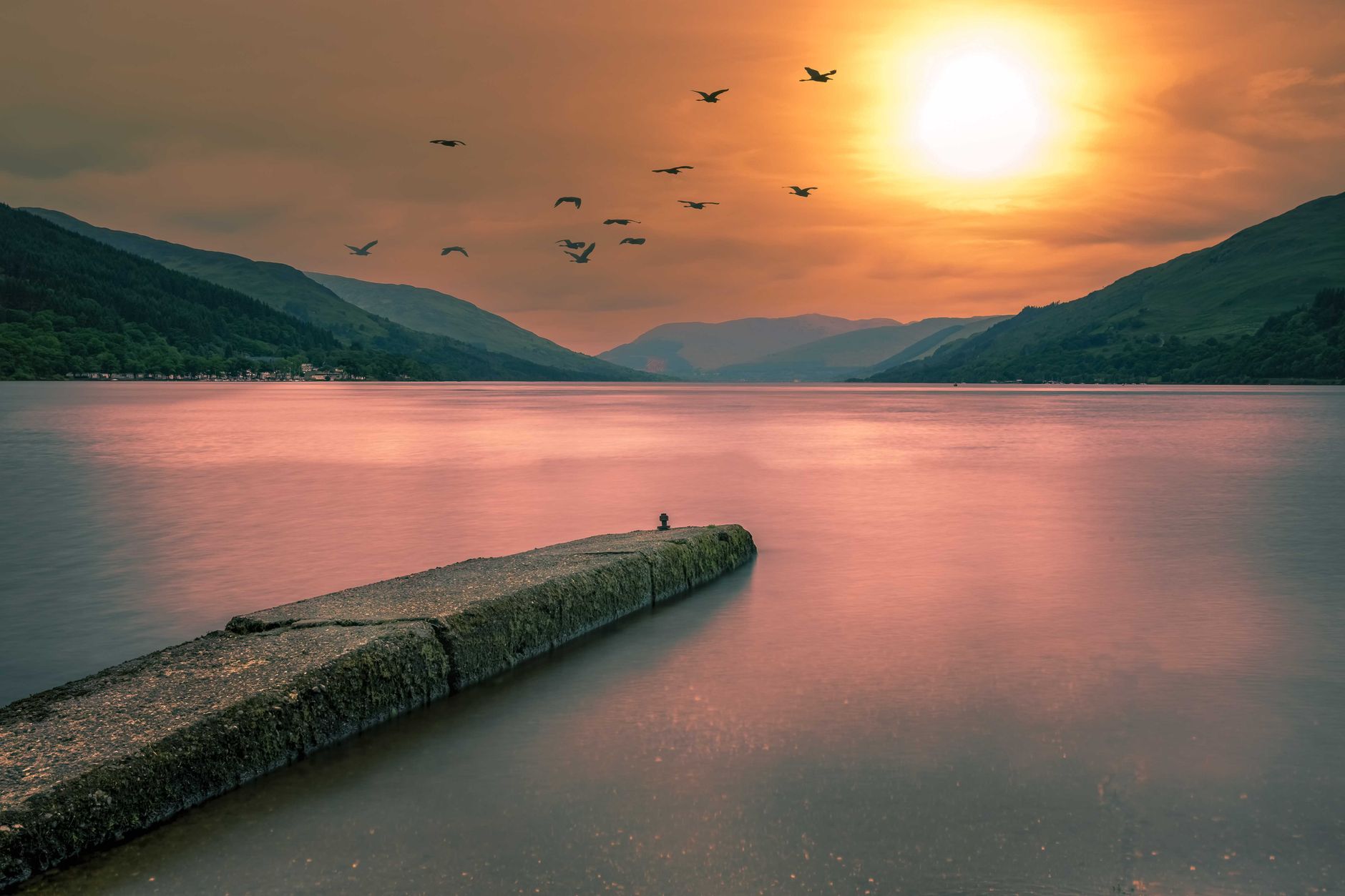
Photo by Andy Fotheringham
The still water in that kind of scene is gold for photographers. When a castle sits near a calm shoreline, you get a second subject in the reflection. That doubles the payoff without adding much effort.
A practical route that keeps you in good light
A short route works better than a long wish list. If you try to hit every famous spot in one day, you’ll spend more time driving than shooting. Pick a base, then build around the light.
Start with Glencoe before sunrise if the sky looks promising. Move on to a castle by late morning, then leave your most open landscape stop for the end of the day when the light starts to soften again. That way, you keep the best places for the best hours.
A simple kit helps too:
- A wide lens for Glencoe and open moorland
- A short telephoto for castle details and compressed views
- A microfiber cloth for rain and spray
- A spare battery, because cold weather drains them fast
- Waterproof shoes, since Scottish pull-offs are often muddy
Parking and access matter more than people expect. Some of the best photo spots in Scotland sit beside narrow roads, and a careless stop can ruin a shot or block traffic. Use marked lay-bys when you can. If a view feels unsafe, move on. Another bend in the road is usually waiting.
If the light looks wrong, wait ten minutes.
That rule saves more shots than extra gear does. Weather fronts move fast in the Highlands, and a scene that feels flat at noon can become full of shape by late afternoon. The difference is often a single break in the cloud.
For castles, side light is usually kinder than harsh front light. For lochs, calm water matters more than a perfect sky. For mountains, low cloud can be an advantage, because it cuts the scene into layers.
One more thing: don’t pack the day too tightly. Leave space for the road, because some of the best frames happen between the official stops, at a bend with a view, a patch of wet grass, or a lochside pull-off that wasn’t on the plan.
Conclusion
Scotland rewards the photographer who keeps moving and keeps waiting. The strongest frames usually come from a simple mix of stone, water, and weather that changes while you’re still standing there.
Start with Glencoe, give a castle room to breathe, and leave time for one landscape stop that feels a little wild. That rhythm works better than racing through a list.
If your trip starts at Eilean Donan or Glencoe, you already have a strong first day. Which one would you chase first, the bridge at Eilean Donan or the mist over the Three Sisters?
