
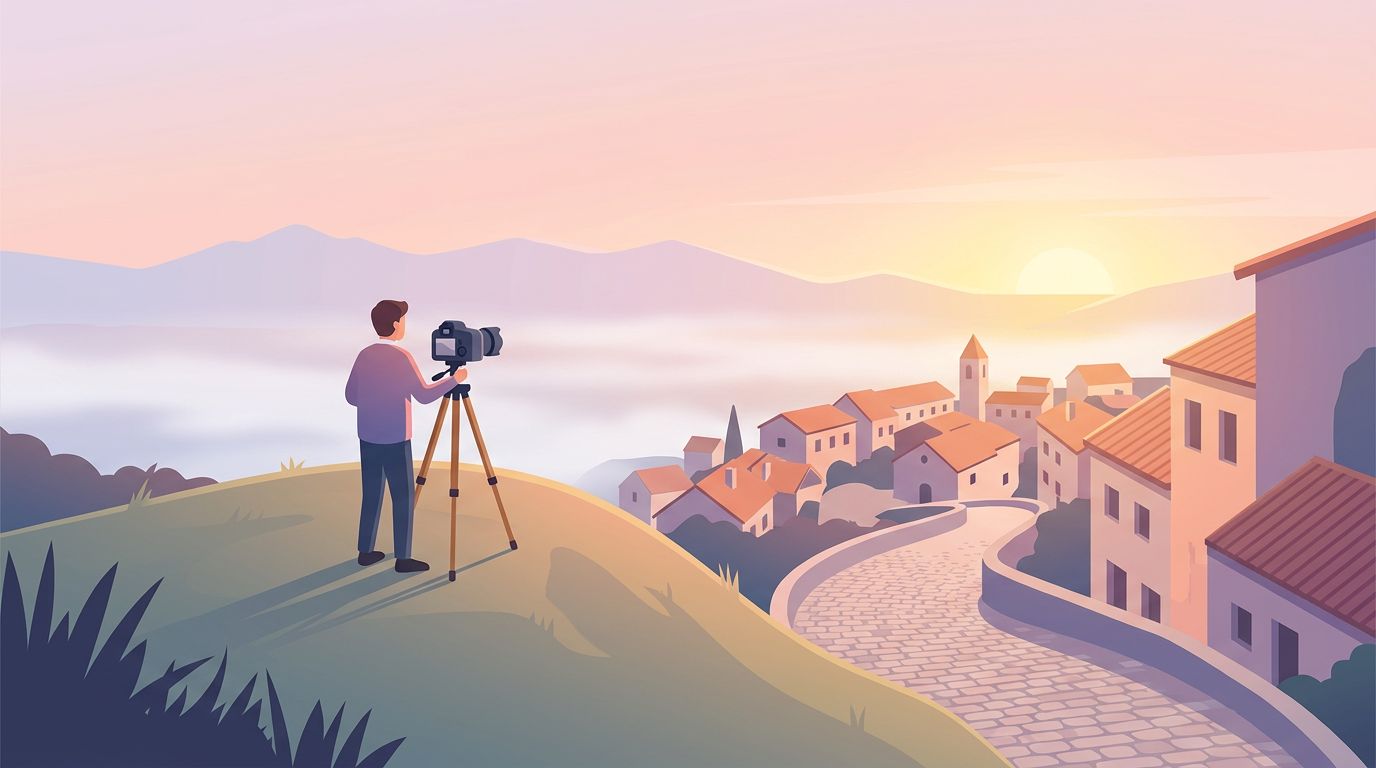
What if your best shot in Europe isn’t at the viewpoint everyone already knows? For photographers, the problem isn’t a lack of beauty. It’s the wall of tripods, tour groups, and phones that flatten a place before you even lift the camera.
The good news is simple. Some of Europe’s strongest scenes still sit a step away from the headline route, and a few of the best hidden gem photo spots in Europe reward patience more than luck. Start with places that wake up slowly, and the whole trip feels different.
What makes a place feel hidden now
A spot doesn’t need to be unknown. It needs space, good light, and enough stillness to let you work. Crowds flatten a place. Light matters more.
In 2026, “hidden” often means one of three things: a town outside the big circuit, a famous region’s less-photographed edge, or a place that changes completely if you sleep nearby and shoot before breakfast. That last point matters most, because even a semi-known location can feel private when the shutters are closed, the road is empty, and the sound of your steps bounces off stone.
A long traveler thread on hidden finds in Europe shows how fast lesser-known places spread online, so the real advantage now is timing and route design, not chasing a secret that no one else has heard of.
This quick comparison helps when you’re sketching a route:
| Place | Best light | Strongest frame | Easiest crowd dodge |
|---|---|---|---|
| Monsaraz, Portugal | Sunrise, sunset | White walls over Alqueva | Sleep inside the village |
| Lago di Resia, Italy | Early morning | Bell tower reflection | Arrive before day-trippers |
| Kravice, Bosnia and Herzegovina | Early weekday | Long-exposure water | Avoid late morning |
| Motovun, Croatia | Blue hour, dawn | Hill town above mist | Stay in inland Istria |
| Pérouges, France | First light | Cobbles and stone texture | Go midweek, off-season |
| Tübingen, Germany | Morning, late afternoon | Riverside color | Shoot side streets first |
The pattern is clear: stay overnight, shoot early, and use the second hour after sunrise for details instead of the main overlook.
The calmest frame usually comes 30 minutes before everyone else starts looking for it.
Lake views and stone horizons worth waking for
Monsaraz, Portugal
Monsaraz is one of those places that looks almost too clean to be real. Whitewashed houses, thick walls, and open views over the Alqueva landscape give you shape, contrast, and simple color. Sunrise works best if you want soft shadow lines along the lanes. Sunset is broader and warmer, but it brings more visitors.
If you stay inside the walls, the village changes before 7 a.m. In early summer, one lane may hold a single cat, the smell of bread, and no other cameras at 6:20. That small window is gold for photographers because the frame stays honest. Less spectacle, more atmosphere.
Use a 35mm or 50mm lens for the streets, then switch wider for the wall views. Also, don’t spend all your time at the overlook. Doorways, rough plaster, and slanting shadows carry the story better than one big panorama.
Lago di Resia, Italy
Lago di Resia gives you a subject with instant character: the church tower rising from the water. Yet the place can still feel open if you arrive early and work the edges of the lake instead of parking beside the first obvious angle. The cleanest shots come when the water settles, because the reflection turns a familiar landmark into a stronger graphic frame.
Winter is famous here, though shoulder-season mornings often offer more room and softer color. If the sky is flat, lean into it. Pale water, gray-blue air, and the tower’s vertical line make a spare, almost minimalist image.
One more thing helps. Walk a little farther than the boardwalk crowd. A ten-minute shift in position can remove parked cars, signs, or cluttered foreground reeds.
Kravice Waterfalls, Bosnia and Herzegovina
Kravice has movement, green tones, and enough width to keep you busy for hours. It’s less overloaded than Europe’s headline waterfalls, but it still fills later in the day, especially when the weather is warm. Therefore, weekday mornings are your friend.
Bring a tripod if rules and access conditions allow it, plus an ND filter for smooth water. Then step back and look for layers, not only the full cascade. Wet rocks, hanging branches, and side pools often produce better frames than the center view everyone rushes toward.
This is also where restraint matters. Spray can tempt you to wipe the lens every few seconds and keep shooting anyway, but slower work wins here. Make fewer frames. Make cleaner ones.
Old towns with texture, color, and room to breathe
Motovun, Croatia
Motovun rises above inland Istria like a set piece, but it doesn’t feel staged at dawn. The town’s stone core, narrow lanes, and broad valley views give you two different shoots in one stop. First, work the exterior views before sunrise if valley mist is building. Then go inside the walls for details once the light reaches the facades.
Blue hour is strong here because the street lamps add warmth without turning the scene orange. Meanwhile, the upper viewpoints let you frame the town against soft hills rather than a busy foreground. You don’t need dramatic weather. Plain morning haze does enough.
Pérouges, France
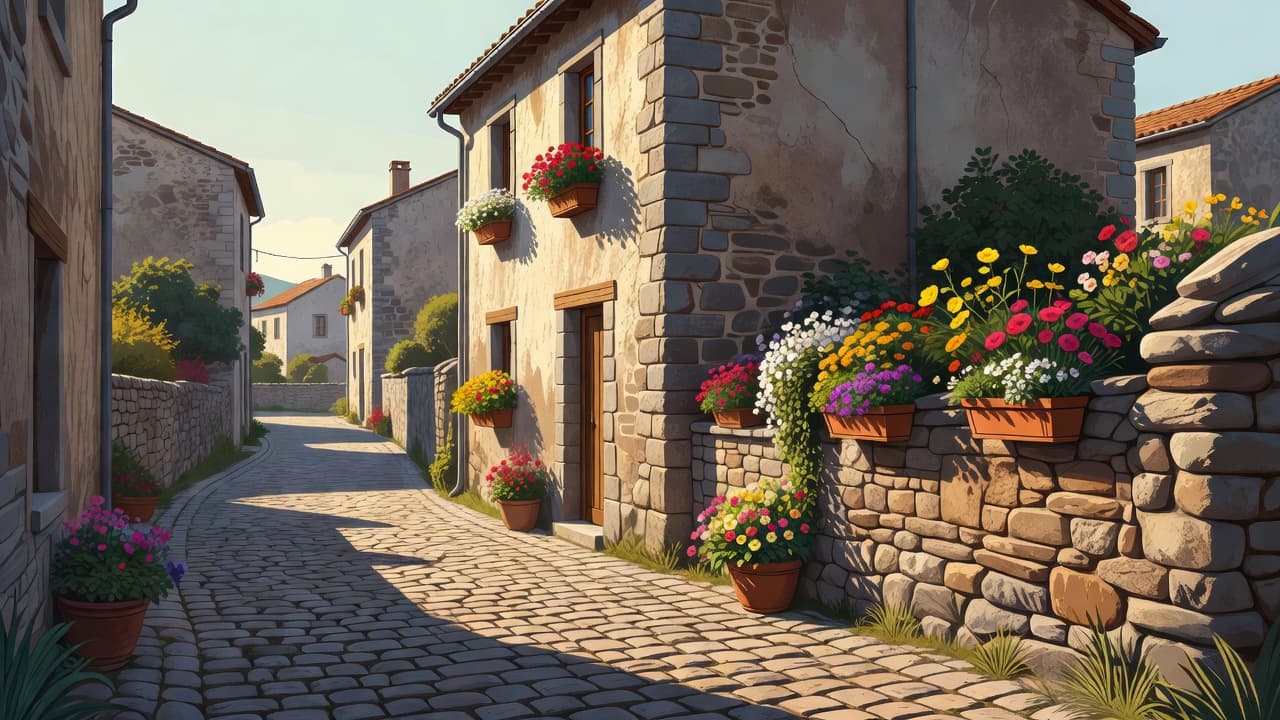
Pérouges is small, and that’s exactly why it works. You can cover it fast, but you can also slow down and build a whole set around texture. Cobblestones, uneven stone walls, and muted wood tones hold up in both color and black-and-white.
Go early, because the main square loses some of its spell once cafe furniture and visitors fill the frame. The better images often come a street away, where the bends in the lane hide modern clutter. Also, look up. Window shutters, rooflines, and hanging signs create neat vertical studies.
If your trip mixes hidden towns with one bigger city, a compact urban stop can still fit well. For that contrast, this Vienna photography guide shows how much variety you can get from one walkable center without spending days in transit.
Tübingen, Germany
Tübingen gives you color without the pressure of a major tourist center. The riverside houses are photogenic, but the town’s strength is how easily you can step off the obvious strip and find calm side scenes with flower boxes, timber facades, and reflections. That makes it one of the easier hidden photo spots in Europe for content creators who need both broad frames and small detail shots in the same morning.
Start by the Neckar, then drift uphill. The river gives you postcards. The upper lanes give you character. Because the old town is compact, you can work quickly when light breaks through clouds, then duck into tighter streets when the sky goes flat.
Residents still live behind those doors and shutters. So keep voices low, don’t block entrances, and skip the urge to move chairs or props for the sake of a cleaner composition.
How to get clean shots without adding to the crowd
Timing matters even more. A strong location can turn ordinary by 10 a.m., while a modest lane can sing at 6:30. That’s the trade.
The best approach is simple:
- Sleep near the place you want to shoot, even if it costs a little more.
- Pick weekdays over weekends whenever you can.
- Carry one lens for scenes and one for details, not a whole bag you’ll resent on cobbles.
- Check local access rules before sunrise starts, especially around lakes, gates, and old-town entries.
- Leave drones at home unless local rules are clear and the flight is respectful.
Budget matters, too, and smaller towns often stretch your trip better than famous capitals. If you’re comparing broader travel costs, this value-for-money photography destinations roundup is a useful planning companion before you build in places like Monsaraz or Motovun.
There’s also an editing note many travelers miss. These places rarely need heavy treatment. Pull back on saturation. Keep stone neutral, skies believable, and shadows textured. Europe gives you enough built-in mood already.
The frame you remember
The best hidden photo spots in Europe aren’t always the hardest to reach. They’re the ones that give you a little room to wait, notice, and compose without someone else’s selfie stick crossing the corner of the frame.
Pick fewer stops. Stay longer. Then go out before the bakery opens and the delivery van rounds the square.
Would you rather bring home the same postcard as everyone else, or the bell tower at Lago di Resia reflected in still water at 7:08 a.m.?
