
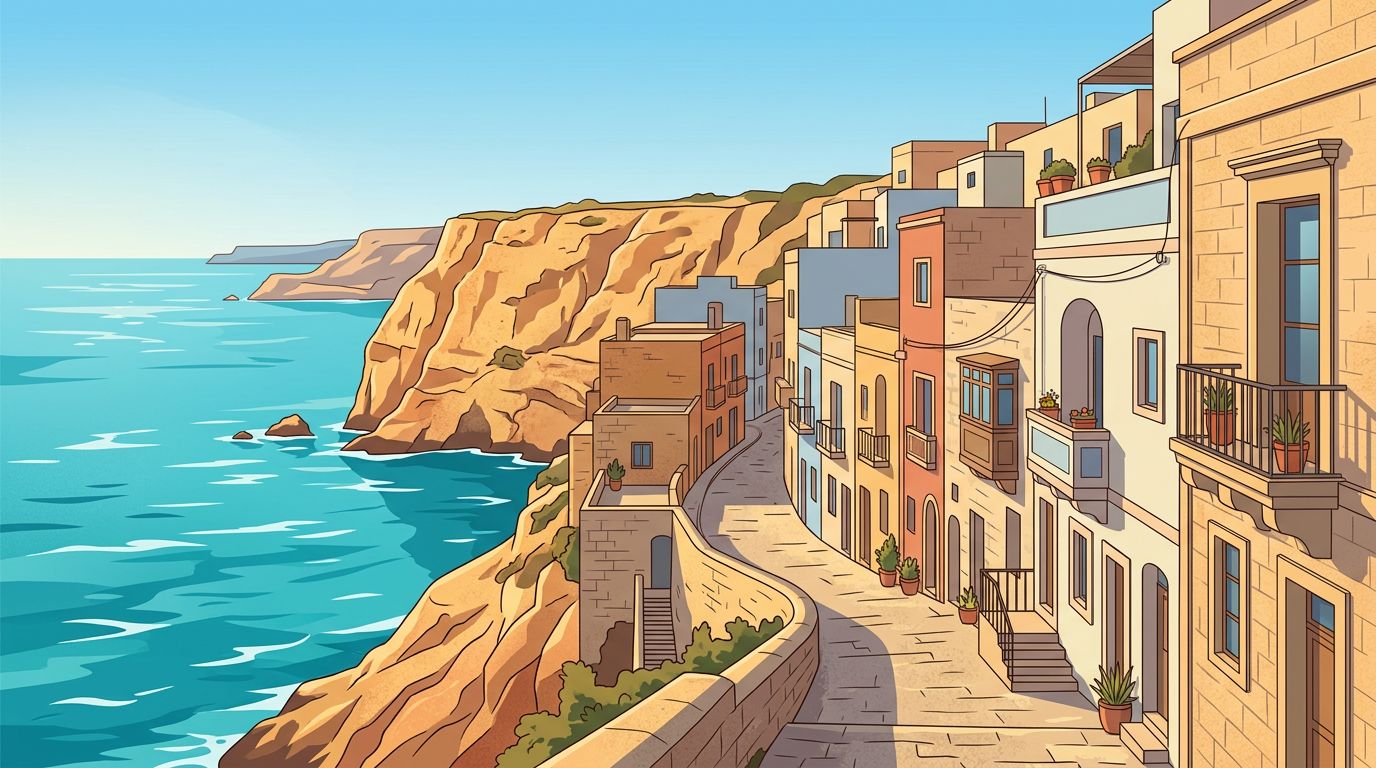
Malta is small on a map, but it gives photographers a lot to work with. If you’re searching for the best photo spots Malta has to offer, start with places that mix stone, sea, and sharp light.
The island shifts fast from one mood to the next. One narrow lane can give you warm limestone, a quiet doorway, and a sliver of blue sky, then a short drive can drop you on a cliff edge above deep water.
Go early. Stay late. That timing matters more here than on many other islands.
Why Malta works so well for photos
Malta’s strength is contrast. The coast is wild, while the old towns feel tight and calm. Golden limestone catches light in a way that flatters both streets and cliffs, especially when the sun sits low.
That low sun is the secret. Morning first. Evening next. Midday can still work, but the light gets harder and the shadows turn sharp.
This is why the island keeps drawing people back. You can move from a harbor view to a church lane in minutes, then switch from open water to a shaded alley without losing the visual thread. The whole place feels built for variety.
Short walks help a lot. So do slow turns. Malta rewards people who look up, not only forward.
Valletta’s golden limestone streets
Valletta is the easiest place to start if you want stone streets that glow. The city has tall façades, tight corners, balconies, and long lines of color that change with each block. A single morning here can give you portraits, leading lines, and quiet street scenes before the crowds arrive.

Photo by Efrem Efre
On my last walk through Valletta at dawn, a street cleaner moved past a yellow façade while a delivery scooter turned the corner, and the whole scene lasted less than a minute. That brief moment had everything, light, motion, and the soft texture of limestone before the city woke up.
A narrow street near Republic Street can give you strong shadows in the morning. Upper Barrakka Gardens works better when you want the harbor in the background. Strait Street is a good place to hunt for texture, because old doors, steps, and signs break up the stone in clean layers.
Sunrise. Empty streets. Better angles.
If you want the walls to glow, keep an eye on the corners. Side light gives the buildings depth, while front light can make them feel flat. Try shooting from lower than eye level, too. It makes the façades feel taller and the lanes feel tighter.
Valletta also rewards tiny details. A brass door knocker, a cracked paint edge, or a balcony shadow can carry a frame on its own. The best shots here often come from restraint.
The cliffs that give Malta its edge
When people picture Malta, they often think of the coast first. That makes sense, because the cliffs have a harsh, clean shape that looks strong in photos. Dingli Cliffs is the obvious place to begin, but St. Peter’s Pool, Għajn Tuffieħa, and parts of Delimara give you different textures and angles.
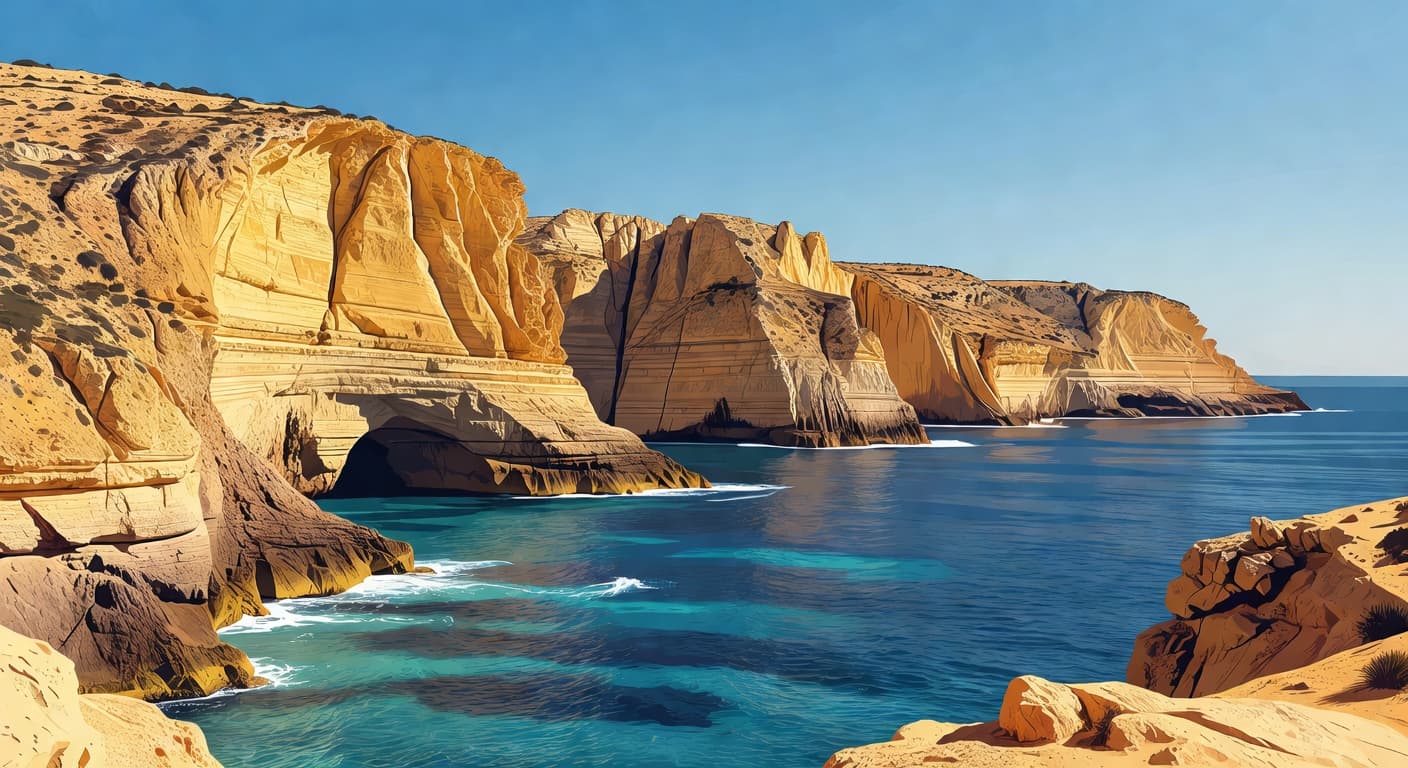
The best cliff photos usually happen when the light starts to drop. The sea gets richer. The rock face gets warmer. Long shadows give the cliff line more shape, and the edge of the water feels deeper in tone.
Stay back from the rim. Wind can move fast on exposed ground. Bring water, too. Cliffs look simple in pictures, but the walk to reach them can be hot and uneven.
Wide lenses work well when you want scale. A human figure can also help with depth, as long as it stays small in the frame. That tiny person near the edge tells the viewer how big the place is without stealing the scene.
Clouds help here. A broken sky can add drama without making the water dull. Clear sky is fine, but a touch of haze often gives the coast more shape.
Mdina and Birgu for quieter stone frames
Valletta gets most of the attention, but Mdina and Birgu give you a slower version of the same stone story. Mdina is calm, almost hushed, with narrow lanes that feel made for soft shadows and careful framing. Birgu adds harbor views, worn walls, and a more lived-in edge.
These places suit photographers who like doors, arches, and depth. You can build a frame around one window and still catch layers of stone behind it. That makes the streets feel less posed and more natural.
Take slow turns. Stop often. Look for small changes in surface and color.
Mdina works especially well in the morning before the light gets strong. Birgu can be better in late afternoon, when the harbor starts to glow. Both places reward patience because the scene changes as soon as a person walks through it.
For a wider route, the best Malta photo locations guide adds more stops beyond the main cities. A quick scroll through recent Malta photo examples also shows how much the island changes with weather and angle.
Timing, weather, and simple gear choices
A simple timing chart helps when you only have one day. Malta’s light changes fast, and the same spot can look flat or rich depending on the hour.
| Scene | Best time | Why it works |
|---|---|---|
| Valletta streets | Sunrise or late afternoon | Soft light warms the limestone |
| Cliff edges | Last hour before sunset | Long shadows add shape |
| Harbor views | Sunset | The water picks up color |
| Narrow alleys | Early morning | Fewer people, cleaner lines |
The main takeaway is easy. Morning favors quiet streets. Sunset favors cliffs and harbor edges. Midday is the hardest time for stone because the light is bright and the shadows get thin.
A small kit helps more than a heavy one. A wide lens is useful in Valletta. A short telephoto helps on the coast. A cloth for dust, a spare battery, and enough water will save more shots than an extra filter.
Bring water.
Cloud cover can be a gift, not a problem. It softens the limestone and keeps highlights under control. After rain, the streets can pick up a darker tone that makes the stone look richer. That is often when Malta feels most alive.
The route that connects cliffs and streets
A good photo day in Malta can move in a clean arc. Start in Valletta before sunrise, stay for the quiet lanes, then move inland to Mdina when the streets warm up. After that, head for the coast and wait for the cliffs to catch the evening light.
That kind of day gives you change without chaos. You see the island’s two strongest moods, the stillness of the old towns and the open line of the coast. You also avoid trying to do everything at once, which usually means you miss the best moment.
One afternoon, a photographer near Birgu kept checking the sky while the harbor stayed pale and flat. Ten minutes later, the stone wall behind him turned honey-colored, and the whole frame changed without him moving a step. That’s Malta in a small moment.
If you have room for only three stops, make them Valletta, Mdina, and Dingli Cliffs. That route gives you walls, lanes, and open water without wasting time on long detours.
Conclusion
Malta works because it gives you strong shapes and warm color in the same day. The cliffs bring scale, and the stone streets bring detail.
If you want the richest frames, chase low light and keep your route simple. One quiet lane, one high cliff, one harbor edge can give you more than a packed itinerary ever will.
Would you rather catch the first glow on Republic Street or the last light on Dingli Cliffs at 7:40 p.m.?
