
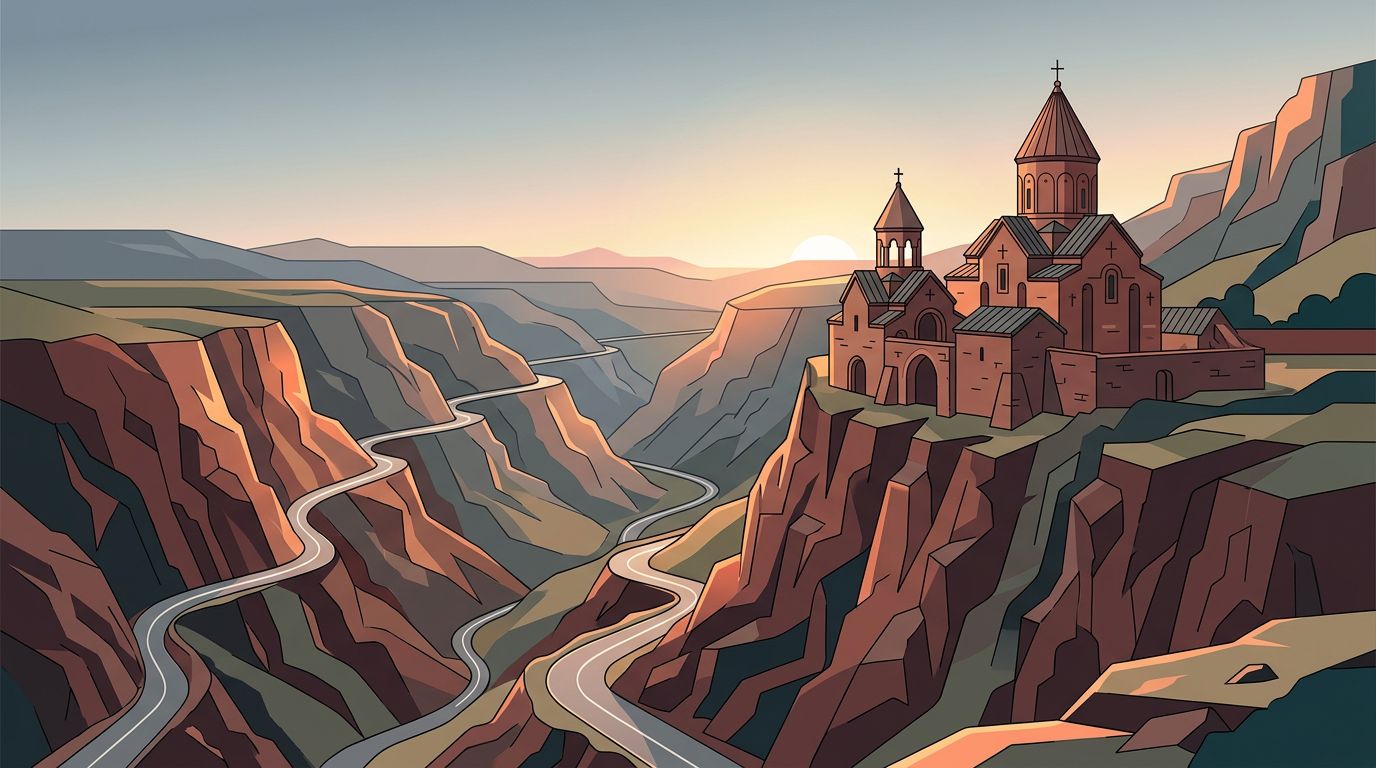
Armenia rewards drivers who stop often. One bend reveals a stone church on a ridge, and the next opens to a canyon road with light sliding across the hills.
If you’re mapping Armenia photo spots, the strongest frames often sit between the big-name stops. The country is compact, the scenery shifts fast, and the best shots usually come when you give the road a little extra time.
Why Armenia feels made for the camera
Armenia works so well for photography because its landmarks rarely stand alone. Monasteries cling to cliffs, sit under walls of red rock, or rise from broad plains with mountains behind them. You don’t need to choose between culture and landscape. They arrive in the same frame.
Scale matters here. A small church can look huge when it sits above a gorge. A long road can look intimate when fog drops into the valley and cuts the scene into layers. Some roads beg for sunrise.
The light helps, too. Dry air and open terrain can bring clean outlines in the morning, while late-day sun warms the stone and makes the land look older than it already is. Mist changes everything.
This also makes planning simpler than many travelers expect. You can leave Yerevan early, shoot Khor Virap with Mount Ararat, reach Noravank by midday, and finish near Tatev the next day without turning the trip into a blur. Because distances look modest on a map but mountain roads take time, Armenia rewards a slower rhythm and a shortlist of stops you really want to frame.
For a broad sense of how varied the scenery feels through a camera, these field notes from an Armenia photography trip show why the country keeps pulling photographers back.
Monasteries that give you scale and drama
Khor Virap is the obvious starting point, and that’s fine. On a clear day, the monastery sits low in the frame while Mount Ararat rises behind it, which gives you one of the cleanest layered compositions in the country. Go early if you can. Haze builds later, and tour traffic thickens fast.
If you want a recent sense of that angle, this recent Khor Virap view with Ararat captures the reason so many travelers make the stop even on tight schedules.
Geghard offers a different mood. Instead of broad distance, you get carved stone, dark interiors, and canyon walls close at hand. A fast lens helps here because contrast is high, and the best images often come from doorways where the interior shadow meets the outside light.
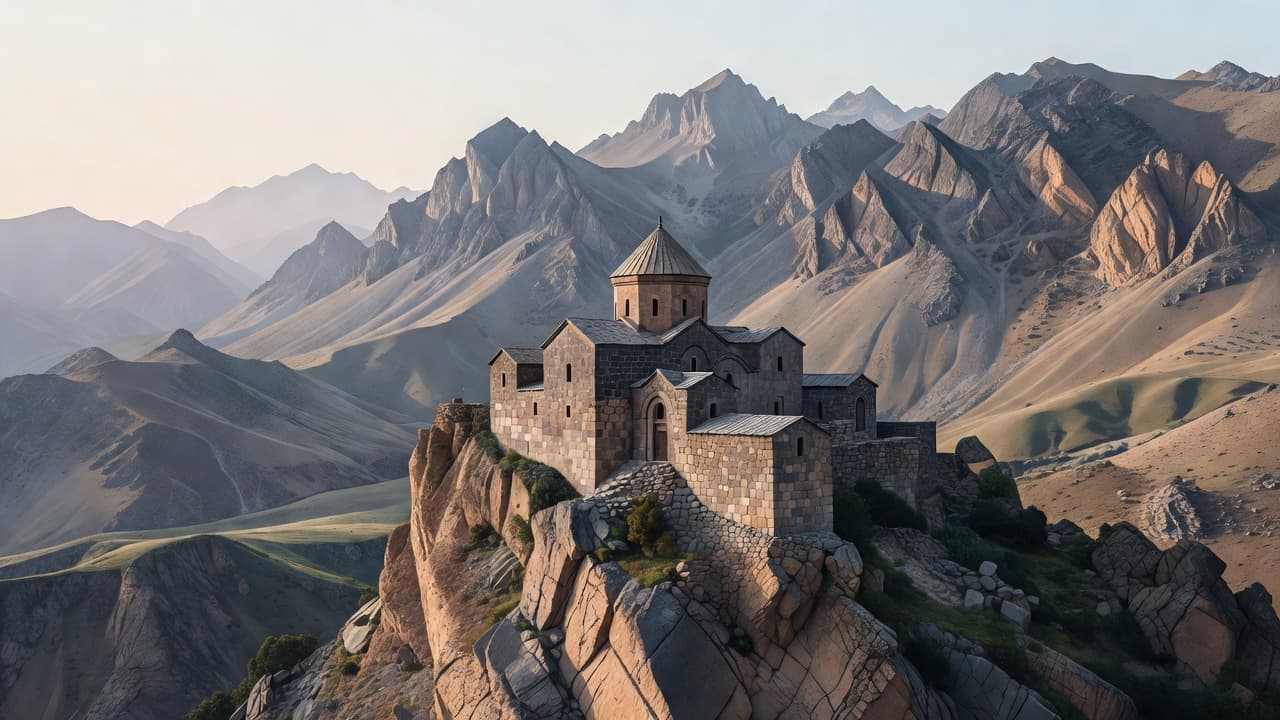
Noravank is where many photographers start losing track of time. The church itself is elegant, but the red canyon is what gives the place its punch. Red cliffs, pale stone, a thin road below. If you reach Noravank before the tour vans arrive, the first light slides down the orange walls behind the church, and the whole canyon feels larger than the map ever suggested.
A photographer behind this Armenia photo diary on Khor Virap and Noravank wrote that Noravank became the favorite monastery stop because the terrain around it kept changing the picture. That rings true on site. Every few minutes, the backdrop shifts.
Tatev finishes the set with pure drama. The monastery sits above the Vorotan Gorge, and the approach builds suspense because you see the land open up before the full complex appears. Late afternoon works well when the walls catch warm light and the gorge holds deeper shadow.
Roads worth driving slowly
The road from Yerevan to Tatev is one of the strongest drives in the country because it gives you changing geology, long sightlines, and enough roadside pull-offs to build a full shooting day without ever feeling trapped inside the car. It covers about 250 kilometers and usually takes 5 to 6 hours without long stops.
That route earns patience. South of Yerevan, the land opens and the traffic thins. Farther on, the road starts to feel cinematic, especially near the red rock around Vayots Dzor and the deeper valleys on the way to Syunik.

Photo by Joyston Judah
The Shenavan to Amberd Fortress drive in Aragatsotn is shorter, but it packs a lot into a small stretch. The H20 road climbs through open mountain country with clean horizons and strong autumn color. If clouds hang low over Aragats, the fortress and slopes can look severe and soft at the same time.
Lake Sevan to Dilijan changes the palette. The road is only about 40 kilometers, yet it moves from wide blue water into greener, tighter mountain scenery in around an hour. That contrast is the point. Start at Sevanavank for elevated lake views, then watch for forest edges and rolling ridges as you head west.
Azat Reservoir is one of the easiest high-reward stops near Yerevan. The top viewpoint gives a broad frame of water, dry hills, and sky, and it pairs well with Geghard or Garni if you want a half-day route. Sometimes the small stop becomes the keeper.
Easy route pairings for a short trip
If you have two full days, the cleanest pairing is south. Start with Khor Virap at sunrise, move to Noravank by late morning, and sleep somewhere between Yeghegnadzor and Goris. Then shoot the road early and reach Tatev before afternoon light goes flat. That sequence keeps the scenery building instead of repeating itself.
A shorter loop from Yerevan works if time is tight. Geghard and Garni fit well with Azat Reservoir, and you can still return to the city before dark if you don’t linger too long in the canyon. The road is easier, but the frames still feel grand.
Northern Armenia suits travelers who want greener scenes. Lake Sevan, Sevanavank, and the drive to Dilijan make a calm counterpoint to the harsher south. Haghpat and Sanahin can fit as a longer extension if you have another day and want monasteries with a heavier medieval feel.
One October morning near Noravank, a driver had to pause at 7:15 a.m. while a flock of sheep crossed the road above the monastery. During that delay, the sun hit the canyon wall, lit the church facade for less than two minutes, and turned an ordinary roadside stop into the best frame of the trip. Armenia does that often. The place asks for margin.
Timing, light, and roadside stops
Morning is the safer bet for most monastery shots. The air is usually cleaner, parking is simpler, and popular sites feel calmer. Khor Virap and Noravank both benefit from that early clarity.
Late afternoon is stronger on long roads and canyon scenes. Side light helps the land show texture, and shadows make valleys read better in wide frames. Midday can still work, but it favors detail shots over broad landscapes.
Road safety matters because many of the strongest Armenia photo spots sit near bends, slopes, or narrow shoulders. Pull off only where you have full visibility. If a turnout looks sketchy, keep driving. Another view is usually minutes away.
Pack for dust and wind. Bring a cloth for your lens, water for the car, and offline maps because signal can thin out in the mountains. Also, leave room in the day for unplanned stops, because the shot you remember most may come from a nameless lay-by with cracked asphalt and one crooked fence post.
The frame is usually around the next bend
Armenia is at its best when stone and road share the scene. The monasteries give the images weight, and the mountain drives give them breath.
A fast trip can still work, but the stronger pictures come when you leave space for weather, traffic, and one extra pull-over above a gorge or vineyard. When the light turns on the cliffs near Noravank and the dust on your shoes is already orange, do you keep driving?
