
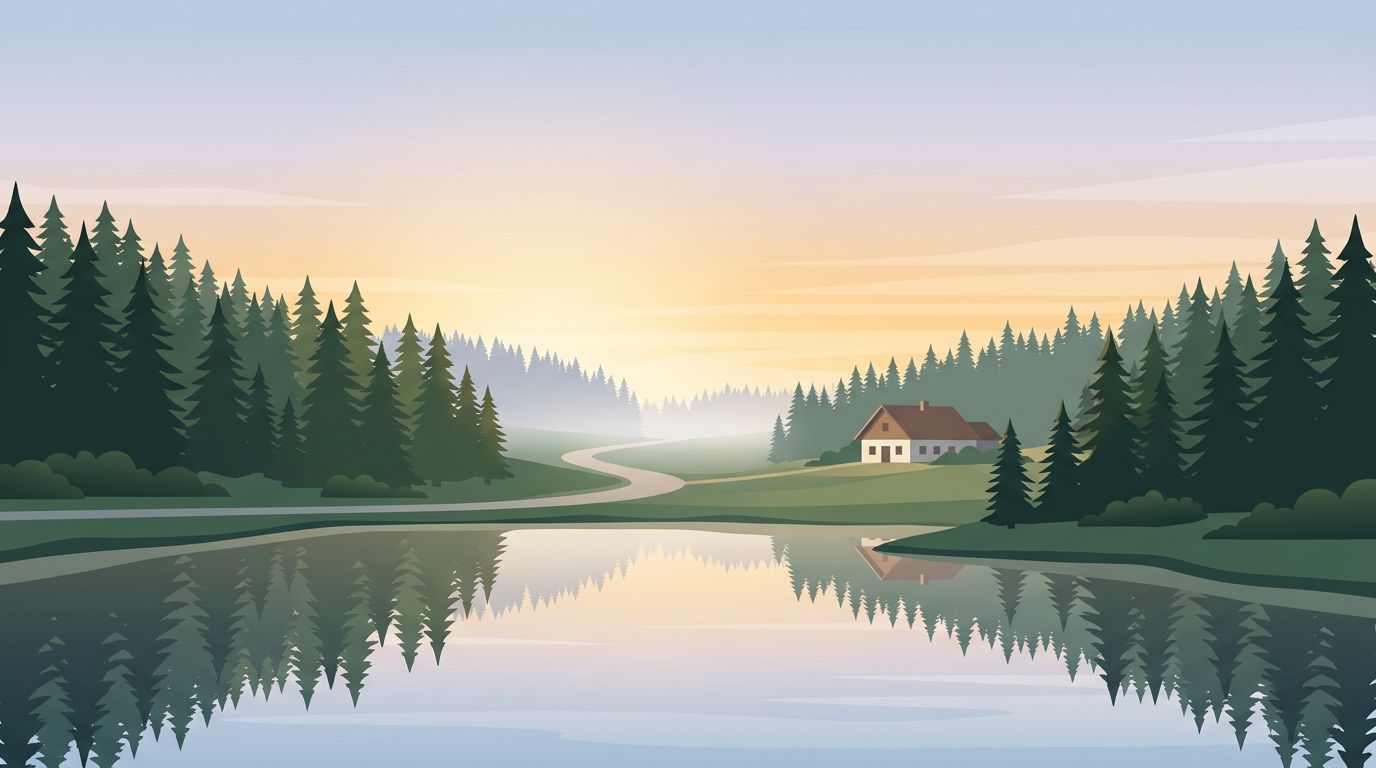
Some roads ask you to keep driving. The Black Forest asks you to pull over.
If you’re chasing Black Forest photo spots, the hard part isn’t finding beauty. It’s choosing the places where lakes stay calm, fir roads bend cleanly, and farmhouses sit far enough from the trees to breathe in a frame.
Start with spots that give you shape before detail.
Lakes that reward early light
For water shots, Schluchsee and Titisee are the easiest wins. Both are photogenic, both are easy to reach, and both change fast with weather. Still, they don’t behave the same way.
Schluchsee feels broader and calmer. The lake gives you more room for layered frames, especially near open shorelines where reeds, docks, or low branches can hold the foreground. At sunrise, the far tree line often turns into one dark band, and that simplicity helps.
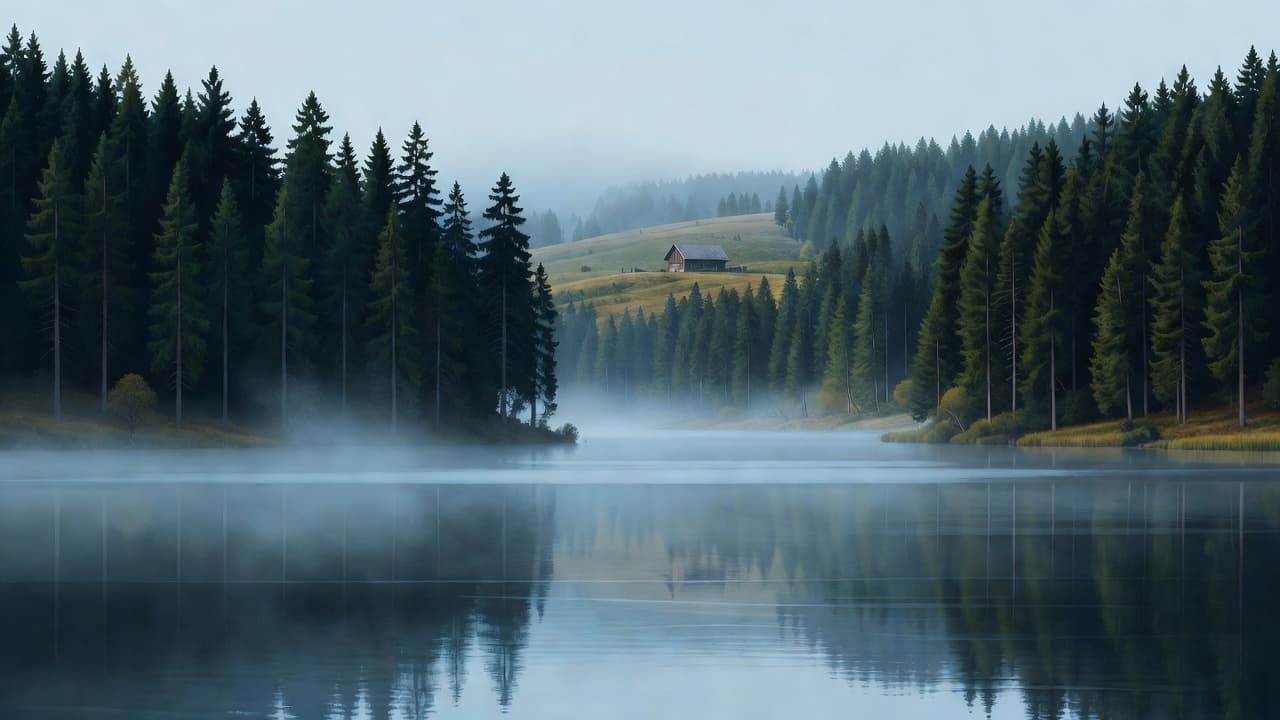
At Schluchsee, the wide shoreline gives you room to work, so you can frame reeds in the foreground, hold the far tree line across the upper third, and wait for the lake to turn into a sheet of brushed steel.
Mist changes everything.
One October morning near Aha on the north side of Schluchsee, a lone rower split the reflection just as the fog lifted, and the whole scene changed in five seconds. The photo worked because the water had stayed empty long enough to make the wake matter.
Titisee is more famous, which means it gets busier sooner. That doesn’t make it a bad stop. It means you should shoot the edges, not the busiest promenade. Work the quieter corners early, or go on a gray morning when the crowds thin and the water picks up a cooler tone.
Cloud cover helps. Fir trees look richer under soft skies, and lake highlights stay under control. If the sun is already high, turn away from the postcard view and look for smaller scenes, boats tied to a dock, a patch of ripples under shadow, or a line of pines reflected in broken water.
If you only have one lake sunrise, pick Schluchsee. If you want a classic stop that fits easily into a broader drive, Titisee earns its place.
Fir-lined roads with the strongest sense of place
The Black Forest roads are half the reason people bring a camera here. Long fir trunks, narrow bends, and quick shifts between shade and open sky give you frames that feel cinematic without trying too hard.
The Feldberg area is good for roads with elevation and wider views. By contrast, the Black Forest High Road, or Schwarzwaldhochstraße, is better for that classic tunnel-of-trees feeling mixed with scenic pull-offs. If you want a quick visual reference before your trip, this Black Forest High Road reel shows the road’s mood well.
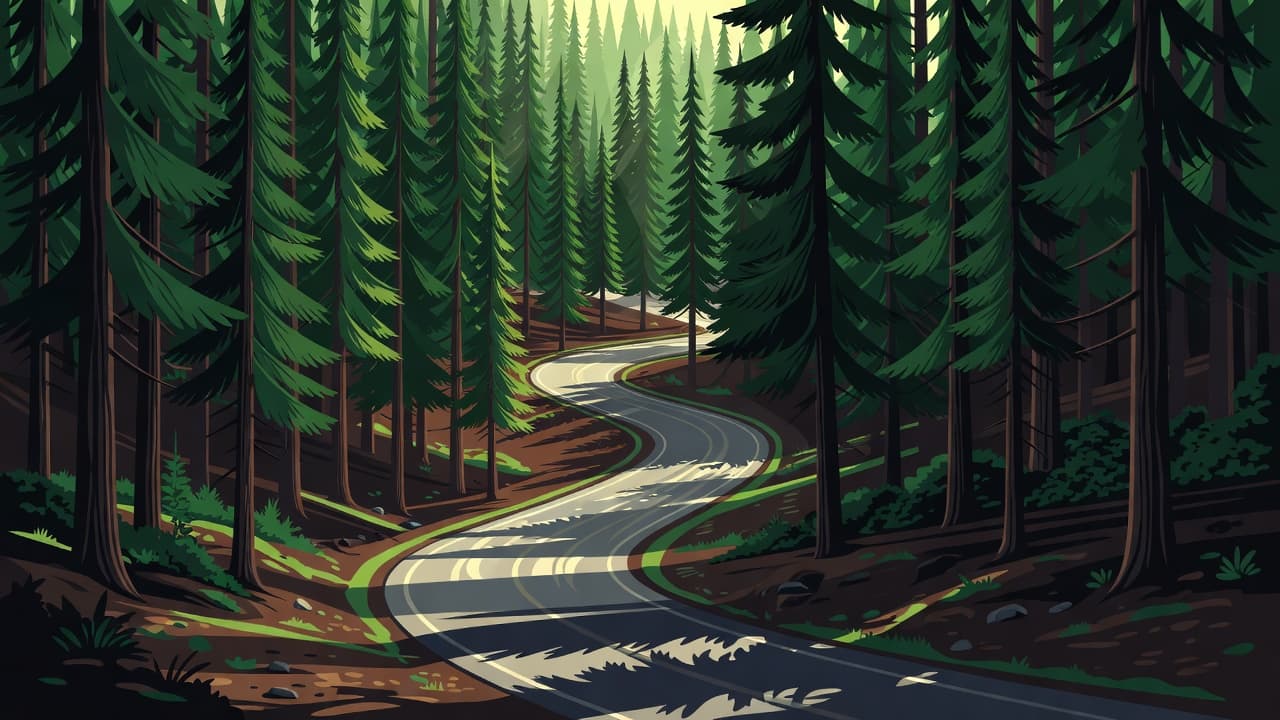
Road shots work best when you simplify them. Let the curve do the job. Keep the frame clean, and don’t crowd it with too much sky unless the clouds are part of the story. A wet road after rain often looks better than a dry one because it picks up light and darkens the firs around it.
On the Schwarzwaldhochstraße, the best frames often come a few minutes after you think the view has peaked, because the road dips, the fir wall opens, and a pale strip of sky slides into the bend like a background panel.
Never stop in a blind curve for a photo. Use signed pull-offs, parking pockets, or trail entries where you can step away from traffic.
Autumn is the easiest season for contrast, especially in the northern part of the region where gold leaves can break up all that green.

Photo by Joerg Hartmann
Meanwhile, summer gives you thicker greens and cleaner road edges. Winter can be stunning, but snowbanks limit where you can safely stop. If you want a broader feel for a drive through the region, this road trip through the Schwarzwald gives a useful seasonal snapshot.
For road photos, late afternoon often beats noon. Light comes in lower, tree trunks separate better, and the shadows stop looking flat.
Farmhouses that look unmistakably Black Forest
The farmhouse shot is where the region gets personal. Lakes are grand, and roads are dramatic, but farmhouses give the Black Forest its human scale.
The classic form is easy to spot, a deep roof, broad footprint, wood siding, and a low, settled shape against meadow or slope. These buildings look best when you give them space. Step back. Let the pasture, fence line, or orchard hold part of the frame.
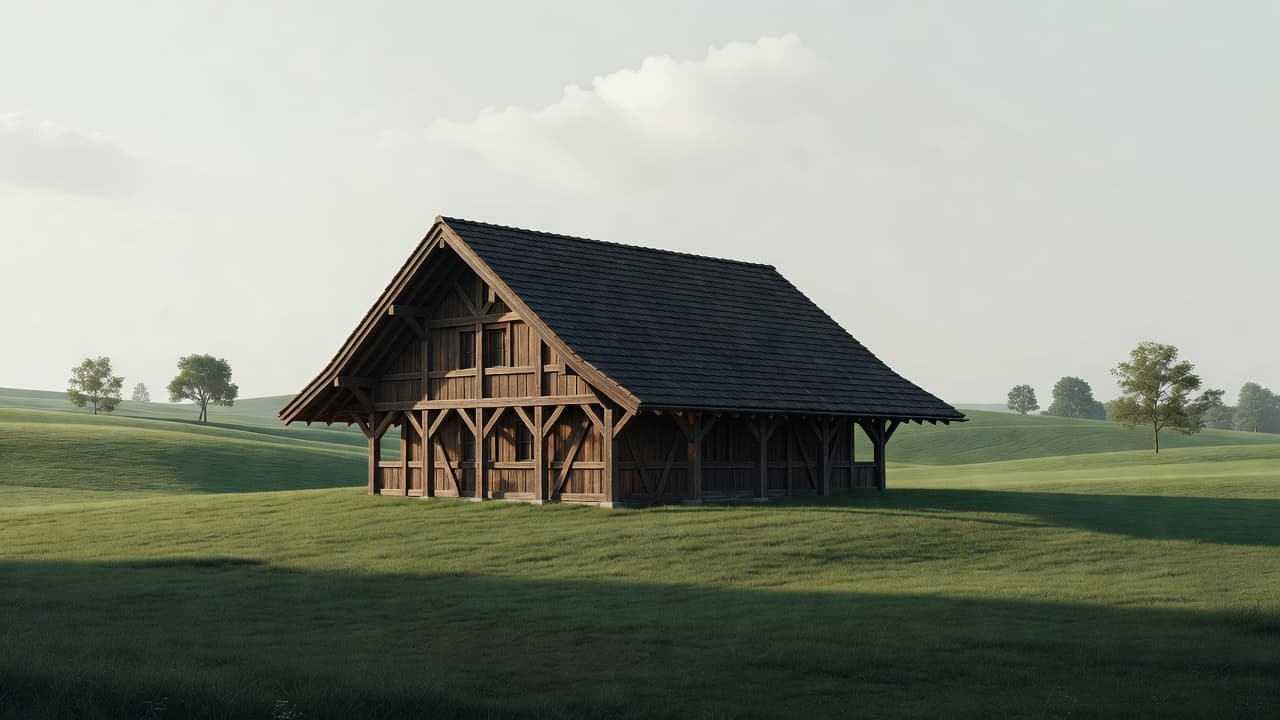
For reliable access to traditional buildings, the Black Forest Open Air Museum near Gutach is the obvious choice. It gives you old houses, barns, and rural details without the stress of searching back roads for a perfect roofline. Because the site is curated, it’s also easier to study how these houses sit in the land.
Working farm areas around Baiersbronn and quieter southern valleys can be even better if you want photos that feel less staged. Still, respect fences, driveways, and private fields. A long lens from a public road often does more for the composition anyway. It compresses the slope, pulls the roof forward, and keeps modern clutter out.
Red roofs help.
Morning light works well when the meadow is still cool and the house catches the first warm edge. Evening can be even better, especially if the roof faces west and the forest behind it drops into shade. That contrast makes the farmhouse stand out without heavy editing.
A good reference for winter spacing and field depth is this farm view in the southern Black Forest. Snow isn’t required, but the example shows how open ground can separate a house from the forest wall behind it.
Patience pays. Smoke from a chimney, a grazing cow, or fresh-cut hay can turn a plain farmhouse frame into one that feels rooted.
A simple route for one long photo day
If you want one ambitious day on the road, match the subject to the light. Lakes first, roads in the middle, farmhouses last. That order keeps you from wasting the softest part of the day on dense forest.
This quick plan keeps the stops practical.
| Stop | Best time | What to shoot |
|---|---|---|
| Titisee | Early morning | Quiet water, docks, edge reflections |
| Schluchsee | Sunrise to mid-morning | Mist, broad lake views, layered shoreline |
| Feldberg roads | Late morning | Higher roads, changing cloud, open bends |
| Black Forest High Road | Afternoon | Fir-lined curves, overlooks, wet pavement after rain |
| Gutach or rural farm areas | Golden hour | Rooflines, meadows, side light on wood facades |
The sequence isn’t magic. It’s about using the right light on the right subject.
Start early. Park once, shoot slowly, and move on before the scene turns flat. A standard zoom handles most of the day, while a short telephoto is handy for farmhouse shots taken from public roads or trail edges. A cloth for mist or drizzle matters more than an extra lens.
If a storm clears while you’re between Feldberg and the High Road, keep driving until the first safe overlook, because wet asphalt, broken cloud, and dark firs can turn an ordinary bend into the strongest frame of the day.
Road trippers often try to do too much. Don’t. Two great lake frames and one strong farmhouse shot beat thirty rushed stops. The Black Forest looks gentle on a map, but the roads take time, and the best photos usually come when you’re not scrambling for the next pin.
When the forest finally gives you the shot
The Black Forest rarely hands its best frame to the rushed driver. It gives it to the person who slows down when the light turns soft, or waits by the roadside until a farmhouse roof slips into sun.
That is the real pattern behind the strongest Black Forest photo spots. Lakes need calm, roads need patience, and farmhouses need space around them.
Sometimes the keeper is one small scene, a damp pull-off above the Schwarzwaldhochstraße, fir trunks still dark from rain, and one steep roof glowing for ten seconds at 7:48 pm.
