
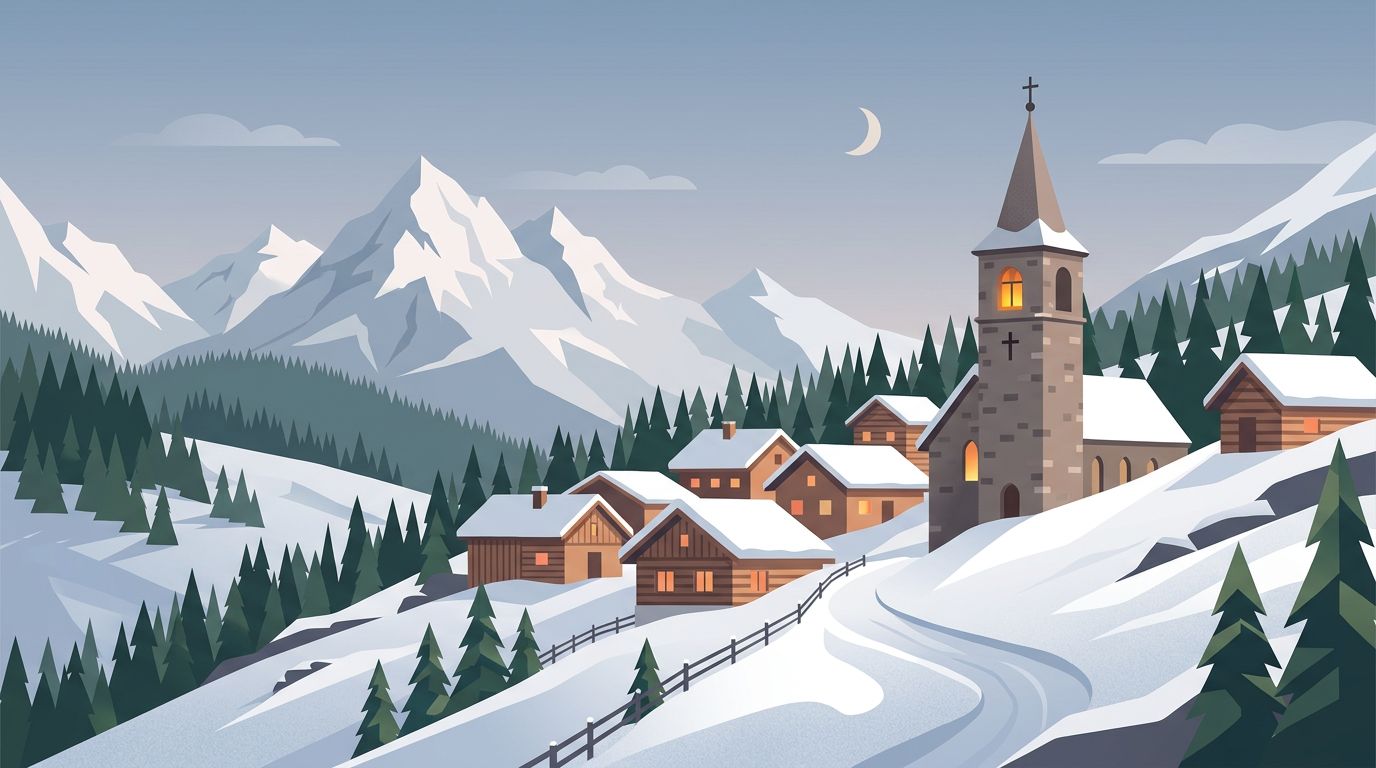
The strongest winter photos in Europe do not come from snow alone. They come from places where a lit window, a church tower, or a row of cabins holds the frame while the mountains rise behind it.
That mix is why a few locations keep pulling photographers back every cold season. If you want winter photo spots Europe that feel cinematic without looking staged, start with villages and viewpoints where scale, access, and light all work in your favor. These European winter destinations offer the perfect backdrop for capturing a classic winter wonderland, providing endless inspiration for those looking to document the magic of the season.
Key Takeaways
- Layering for Depth: Great winter photos rely on combining foreground elements—such as village architecture, lake edges, or lit windows—with mountain backgrounds to create depth and visual interest.
- Prioritize Accessibility: Choose destinations that are compact and walkable, allowing you to reach prime vantage points quickly during the brief windows of blue hour and golden hour.
- Embrace Flexibility: Weather in the mountains changes rapidly, so base yourself in areas with diverse composition options that allow you to pivot between village street scenes and high-altitude vistas depending on visibility.
- Master the Light: Snow conditions and lighting behave uniquely in winter; prioritize early starts to catch low-angle light and use local webcams to monitor conditions rather than relying solely on forecasts.
What separates a good snowy stop from a great one
The best winter scenes usually rely on two distinct layers. You need a village, a winding road, a lake edge, or even the festive glow of local Christmas markets in the foreground; white mountains without a visual anchor can look flat in your frame. Mastering these layers is the key to elevated winter photography, as it adds the necessary depth to make your landscape photography stand out.
Access matters just as much as composition. Some of the most iconic winter photo spots in Europe are small enough to explore on foot before breakfast. This accessibility allows you to shoot the blue hour in town and still catch the first light higher up the slope, ensuring you do not lose half the morning in transit. Think of these locations as a self-guided photo tour where the village infrastructure supports your creative workflow.
Snow changes everything. So does the way light behaves in the mountains.
A compact mountain village also provides a vital backup plan when the summits disappear behind a cloud layer. If the peaks close in, you can still shoot charming rooflines, rising steam, warm lamp glow, and narrow streets with fresh tracks. This flexibility is far more critical in winter than in summer because weather patterns move quickly and daylight fades early.
This quick comparison helps narrow down the best regions for your next trip:
| Place | Best frame | Best light | Main challenge |
|---|---|---|---|
| Zermatt, Switzerland | Matterhorn above chalets | Sunrise and blue hour | Price, fast weather shifts |
| Hallstatt, Austria | Lake, church spire, snowy roofs | Early morning | Crowds after breakfast |
| Chamonix, French Alps | Town with huge Alpine backdrop | Clear mornings, late afternoon | Deep valley shade |
| Lofoten Islands, Norway | Red cabins under sharp peaks | Blue hour, low winter sun | Wind, icy roads |
| St. Moritz, Switzerland | Frozen lake and elegant alpine skyline | Morning | Clean snow can disappear after storms |
The pattern is clear. Switzerland and Austria provide the classic village and peak aesthetic that defines the region. The French Alps add a sense of raw, imposing scale to your shots. Meanwhile, the Lofoten Islands in Norway trade postcard calm for harder, sharper lines and high-contrast environments. If you want to build a wider mood board before booking your travel, this short winter Europe reel captures the glow and snow look that many photographers chase.
Swiss Alps, where village detail meets giant peaks
Switzerland is the safest pick for classic winter mountain photography, because the rail links are strong, the villages are compact, and the peaks feel close enough to press against the rooftops. That last part matters.
Zermatt is the obvious first choice, and for good reason. On a clear morning above Zermatt, when the first light reaches the Matterhorn before it touches the chalet roofs below, you can frame a scene that feels almost layered by hand, with cold blue shadows in the village and pink light on the summit.
From the village itself, look for clean lanes, old barns, and snow-covered rooftops that point the eye upward. If the sky is clear, the Gornergrat line opens bigger views with less clutter. If clouds hang low, stay lower and let the village carry the photo.
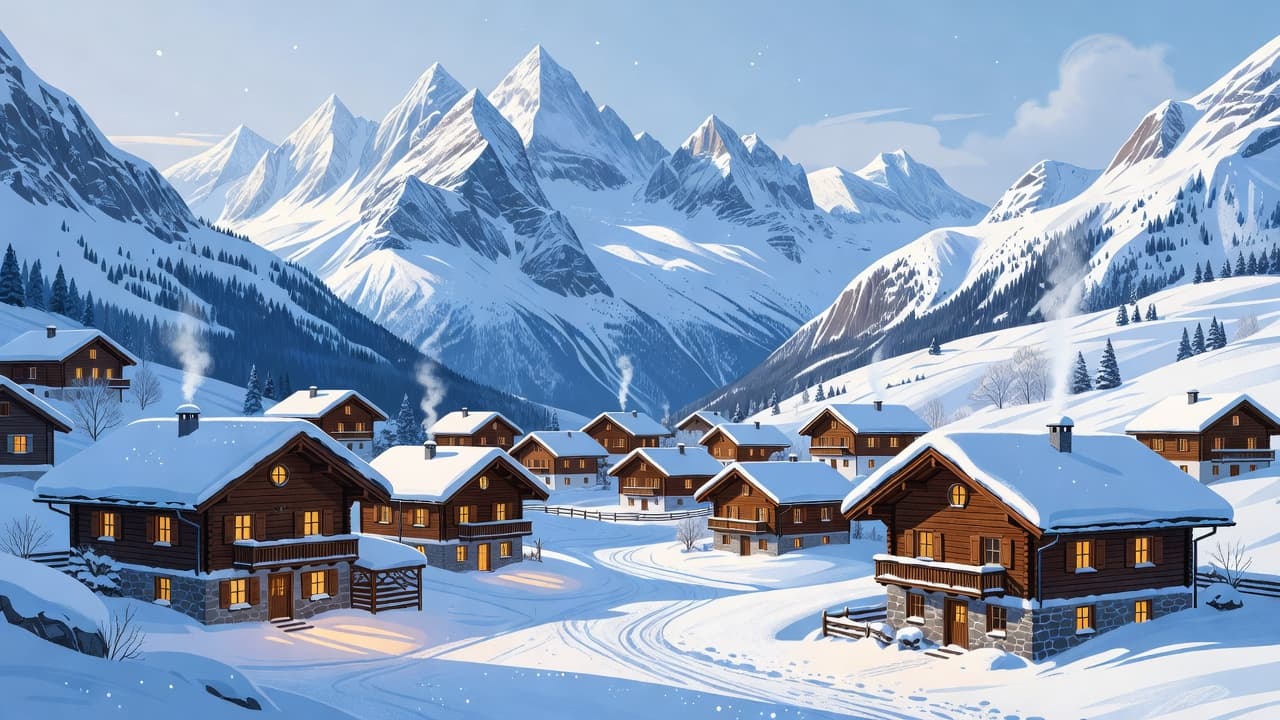
The Swiss formula works because you can pivot quickly between intimate frames and sweeping alpine landscapes. Whether you are capturing the scale of the mountains or the charm of the architecture, Switzerland remains a premier destination for photographers.
St. Moritz offers a different mood. The lake creates space, which helps when you want reflections, skaters, or tracks in the snow rather than tight chalet scenes. The town itself feels polished, yet the surrounding Engadin valley still gives you that cold, high-altitude look. Meanwhile, smaller places such as Wengen and Murren often feel calmer on camera, because the streets are simpler and the background ridgelines stay clean.
If you are choosing one Swiss base, pick the place that gives you both a valley walk and a lift-access viewpoint. You want options, as the weather shifts fast.
Hallstatt and the Austrian Alps for storybook winter frames
Hallstatt Austria is famous for a reason. This fairytale village stacks tightly along the water, the church tower provides a clean focal point, and the mountains behind the lake close the frame without swallowing it.
Timing decides whether Hallstatt feels magical or crowded. Get out before sunrise, while the lamps still glow and the lake is gray-blue. Crowds arrive later. By mid-morning, the waterfront often fills with day-trippers, and your composition starts collecting parked cars, people in bright ski jackets, and too many phones held at eye level.
One cold morning in Hallstatt, the bakery lights came on before the sun reached the lake, and the church tower sat above a sheet of fog for less than ten minutes. A five-minute show. After that, the fog thinned, the tour buses rolled in, and the spell broke.
That small window is why Hallstatt rewards repeat passes more than long single shoots. Walk the waterfront first, then move uphill for a wider angle once the roofs brighten. If the village feels too familiar, nearby spots in the Austrian Alps often give you more breathing room. Gosau is a strong example, because the Dachstein backdrop feels bigger and the village edges stay quieter in winter. In Tirol, smaller mountain villages often produce cleaner street scenes than the famous lake towns.
Austria works best when you want warmth in the frame, not only scale. Window light matters here. So do wooden balconies, the glow of Christmas markets during the holiday season, and church silhouettes against pale snow. For extra trip-planning ideas, this dreamy winter destination guide is useful for comparing village mood and access across several cold-weather stops.
Chamonix gives you raw Alpine scale without losing the town
Chamonix feels distinct from the typical scenes in Switzerland and Austria. In this part of the French Alps, the mountains are not merely decorative; they dominate every horizon.
That sheer scale is exactly what makes the valley a premier destination for winter photography. Mont Blanc and the surrounding peaks rise so abruptly above the valley floor that even simple street scenes feel dramatic under a clear sky. Whether you are focusing on a bridge, a train platform, or a snow-dusted church roof, the immense backdrop provides a powerful sense of place.
Still, Chamonix can catch first-time visitors off guard. The valley floor remains in shadow for long periods during midwinter, so a sunny forecast does not always guarantee bright streets at 9 a.m. Often, the smarter move for your winter photography is to use that shade intentionally. Cold blue tones in town can contrast beautifully with the sunlit peaks glowing above.
The town center provides quick frames with easy access, and the river corridors help lead the eye directly toward the mountains. If conditions are stable, the higher viewpoints on the lift network open up broader, sweeping vistas. Yet you do not need to head to the summits every day. Some of the most compelling images come from staying low and waiting for a break in the clouds over the ridgeline.
Because Chamonix mixes reliable rail access, walkable streets, and immense topographical relief, it is an ideal choice for travelers who want mountain drama without needing a car for every excursion. If you want a simple starting point for exploring the region, this Chamonix winter destination guide shows why the valley remains a top choice on any list of the best winter destinations in Europe.
Lofoten and coastal Norway for colder, sharper light
If the Alps are about balance, the Lofoten Islands are about tension. Located well above the Arctic Circle, this region of Norway provides a dramatic landscape where red cabins, black water, and white slopes meet peaks that rise almost straight out of the sea.
That high-contrast environment makes the islands one of the most photogenic winter destinations in Europe. You can shoot a harbor at blue hour, then turn ten degrees and find a jagged ridge catching the only soft light of the day. The scenes feel graphic, almost cut from paper, and if you are lucky, the clear night skies offer the perfect backdrop to capture the Northern Lights dancing above the fjords.
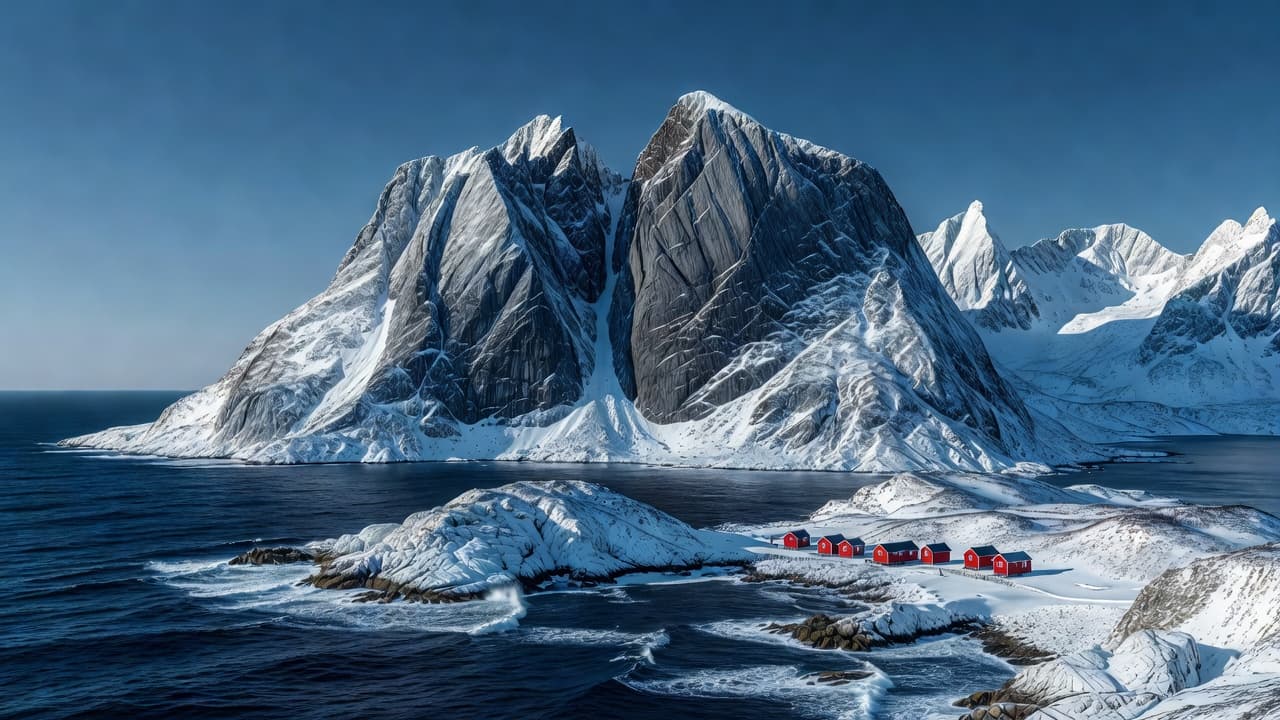
Blue hour is brief. Wind is not.
Reine, Hamnoy, and Sakrisoy keep showing up in winter portfolios because the cabin clusters are compact and the mountain lines are immediate. You do not need a long hike to make a strong frame. Often, a bridge, roadside pull-off, or harbor edge is enough. That is great news in winter, when snowdrifts and ice can slow every plan.
Norway also gives you longer low-angle light than much of central Europe. Even on ordinary days, the sun skims the horizon and stretches shadows across the snow, which helps texture show up in the scene. Meanwhile, storms can turn the same view into something darker and more severe within an hour.
A lot can happen in one short afternoon, especially when cloud gaps move fast over the water and the peaks keep flashing in and out behind the fishing cabins, so patience matters more here than perfect scheduling.
If you want village charm, stay near the harbors. If you want bolder shapes, move toward the open fjord edges. Either way, drive slowly and give yourself room in the plan. Road conditions can turn a ten-minute transfer into a careful half hour.
The right month changes the whole look
The month you choose matters almost as much as the location itself. December provides festive holiday lights, shorter days, and a better chance at capturing that cozy village glow. January often brings deeper snow and quieter mornings for your travel photography. February usually offers the best balance of snow cover, lift access, and workable daylight. While early March provides longer shooting windows, lower villages can start to lose their pristine white look as the season turns.
Photo by Jerry Geraldi

Even the most picturesque village can look dull at noon. This is why you should plan your photography locations around the golden hour. First light and late afternoon are vital in winter, as even a modest hill becomes visually striking when the sun stays low. During these times, shadows rake across the snow instead of flattening the landscape.
If the summit is hidden, shoot lower and wait. Winter often rewards the second pass.
Be mindful of how mountain shadows shift your schedule. In a deep valley, sunrise on a weather app may mean usable light does not hit the ground until an hour later. On exposed Nordic coasts, the opposite can occur because even weak dawn light reaches the scene early. Check webcams rather than relying solely on forecasts. A clear sky over the region does not guarantee that the specific street you want to photograph is bright, blue, or free from shadow.
For travelers planning their trips around prime lighting, February is often the safest middle ground. You get excellent winter texture and plenty of snow-covered scenery without the most punishing hours of darkness. That is the time when many snowy villages and peaks across Europe look settled rather than freshly chaotic.
Practical tips for snow, cold, and cleaner compositions
Cold weather punishes sloppy habits. The good news is that winter scenes often reward small adjustments to your camera equipment more than expensive new gear.
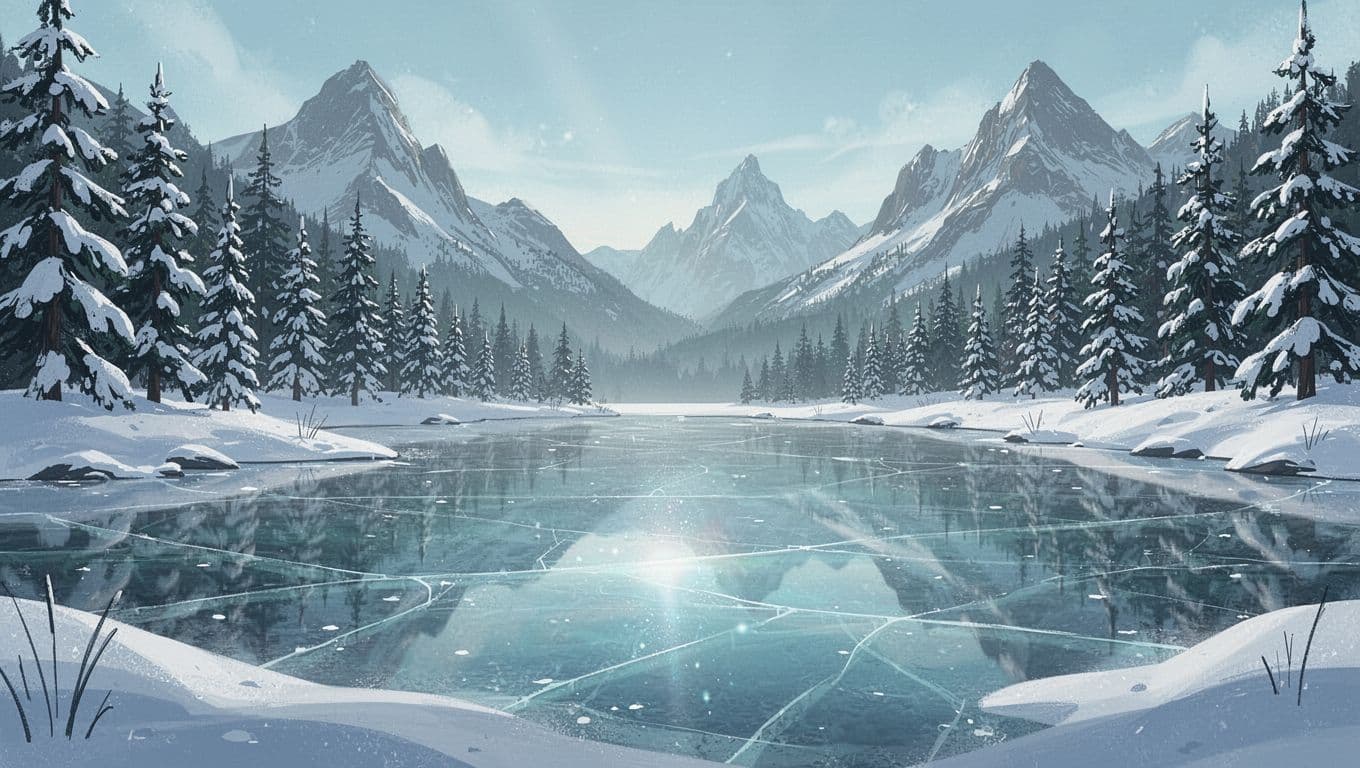
Start with exposure. Snow can trick your camera into underexposing, which leaves white scenes looking dingy. When fresh snow fills most of the frame, check your histogram and add light if needed. Many photographers specializing in winter landscape photography land around two-thirds to one full stop brighter than the meter first suggests, then adjust from there. If you are shooting at dawn or dusk near frozen lakes, consider a long exposure to smooth out the water and emphasize the stillness of the environment.
Next, protect your batteries and your footing. Keep spare batteries close to your body, bring a dry cloth for snow on the front element, and wear boots you trust on ice. Microspikes are not glamorous, but they can save a shoot on frozen side streets or harbor paths. When framing expansive mountain vistas, a wide angle lens is essential for capturing the full scale of the peaks, but be careful to keep your front element clear of moisture in high humidity.
Composition improves when you simplify. Fresh snow helps by hiding clutter, yet it also makes dirty plowed piles and random tire tracks stand out. Move a few steps left or right before you set up. Sometimes the best change is small, because it removes a signpost, a van, or a patch of churned slush from the lower edge of the frame.
People can help too. A single figure in dark clothing adds scale on a bridge or lakeside path. Too many people break the quiet. This is why early starts keep paying off.
Finally, book for position, not only comfort. A hotel near the station, lakefront, or old center saves time twice a day, and that matters when sunrise is cold and sunset ends fast. Pick one base where you can walk to at least two compositions. Then shoot the same view in different weather. The second visit is often better, because you stop hunting for shots and start noticing the finer details.
Frequently Asked Questions
Which month is best for winter photography in Europe?
February is widely considered the best balance for photography because it offers consistent snow cover, reliable lift access, and more functional daylight than December or January. While March provides longer days, lower elevations may begin to lose their pristine white aesthetic as the season turns.
How can I stop my camera from underexposing snowy scenes?
Snow can trick internal meters into making bright white scenes appear gray or dingy. To correct this, use your histogram to monitor exposure and manually increase it by two-thirds to one full stop to ensure the snow remains bright and crisp.
Should I focus on high peaks or village streets?
Focus on locations that offer both, as mountain summits are often obscured by clouds during the winter months. By staying in a village with visual character, you ensure you have a compelling subject to shoot even when the peaks are hidden behind low-hanging weather.
Is it necessary to carry a tripod for these locations?
Yes, a tripod is essential for winter landscape photography, particularly when shooting during the blue hour or using long exposures to capture reflections on frozen lakes. It also helps you precisely frame your shots while keeping your hands warm and steady in freezing temperatures.
Choose a place that lets you stay still
The most memorable winter photos rarely come from racing through five countries in seven days. They come from returning to the same corner when the light changes, when the clouds lift for four minutes, or when one window glows after the rest of the street goes blue.
Pick a base with both village texture and a mountain backdrop, then give it time. Zermatt, Hallstatt, Chamonix, and Lofoten all reward patience more than speed. If you are looking for variety, Iceland offers incredible drama with its frozen waterfalls, while Lapland Finland serves as the ultimate winter wonderland for those chasing the Northern Lights. For a touch of gothic mystery, consider the snowy landscapes of Transylvania Romania, or explore the frozen canals of cities like Amsterdam or Bruges to capture a different side of the season.
The frame that stays with you may be the one taken after everyone else has gone inside, when a church clock reads 8:03 a.m. and one yellow window is still lit. Whether you are seeking high peaks or quiet city streets, find a spot that invites you to linger and wait for the light to turn perfect.
