
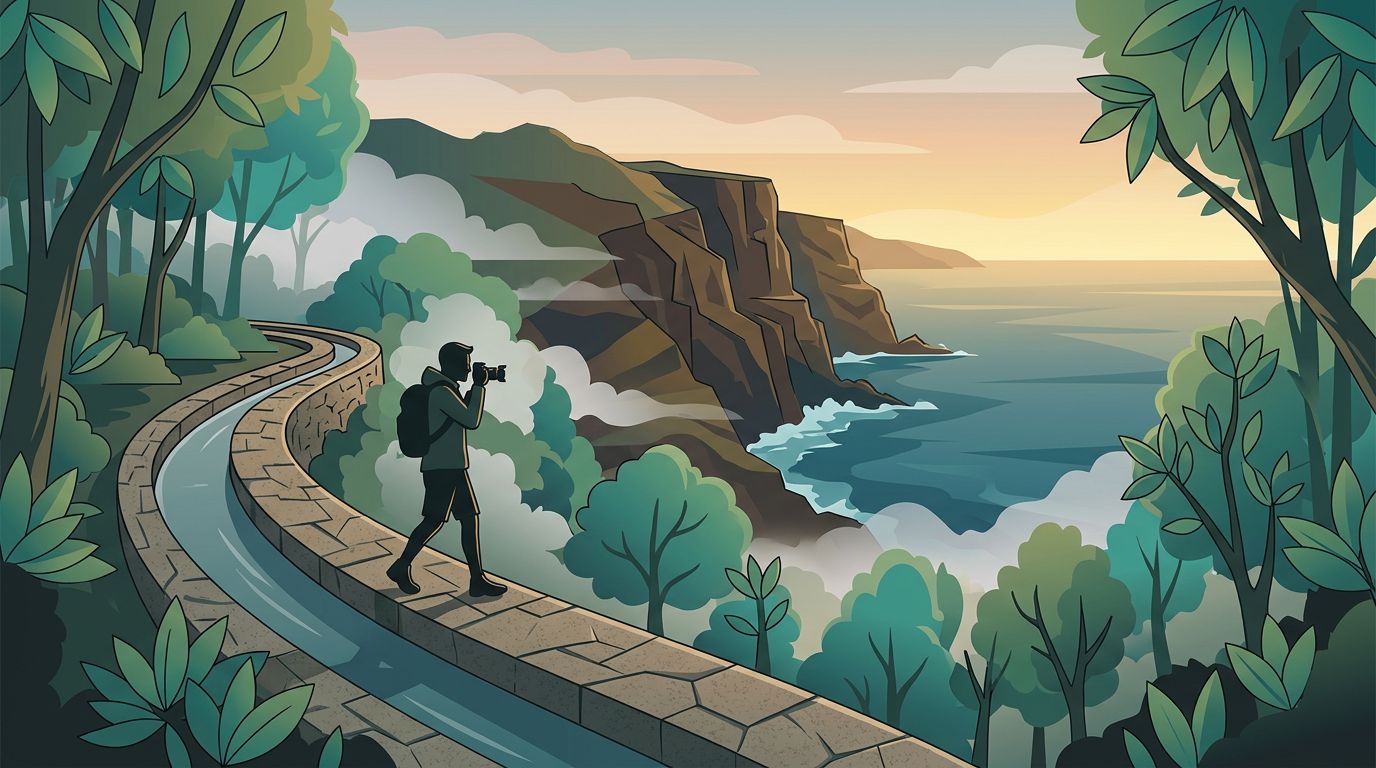
Madeira can ruin ordinary viewpoints for you. One path slips through wet laurel forest beside a narrow levada, then the next road bend opens onto cliffs that fall straight into the Atlantic Ocean. For those interested in landscape photography, the island offers a dramatic range of textures that shift constantly with the mist.
If you are planning a trip with hiking shoes and a camera, the best Madeira photo spots reward timing more than distance. A short walk at the right hour often beats a famous stop at noon, and while high peaks like Pico do Arieiro provide incredible panoramic vistas, the levadas teach you how this island truly holds light. By balancing your time between these mossy water channels and the rugged coastline, you can capture the full, diverse character of the landscape.
Key Takeaways
- Prioritize timing over distance: A short walk during golden hour or under optimal cloud conditions often yields better images than visiting famous landmarks at midday.
- Balance diverse environments: Madeira offers two distinct photographic moods—the lush, green water-filled levadas and the dramatic, exposed sea cliffs of the coast.
- Master the weather: Embrace changing conditions; overcast weather enhances the mossy textures of the forest, while sunrise and sunset create depth on the rugged east coast.
- Use scale to your advantage: When shooting vast cliffs, include human figures, road paths, or terraces to provide a sense of scale, otherwise the landscape can appear flattened.
- Pack for versatility: A 24-70mm lens range is ideal, but don’t forget a sturdy tripod for coastal winds and a headlamp for the necessary levada tunnels.
Levada walks that reward a camera
The levadas are more than hiking routes. They give you leading lines, still water, dripping leaves, and that dark green glow Madeira does better than almost anywhere in Europe.
In 2026, the most popular levada hikes for photography are Levada das 25 Fontes, Levada do Caldeirao Verde, and Levada do Rei. That tracks with what photographers keep chasing, because each walk gives a different mood rather than the same frame repeated all day. While these spots are all within a reasonable drive from Funchal, they each offer a distinct character. If you want a wider shortlist beyond these trails, the Lostitalianos Madeira photo guide is a useful companion.
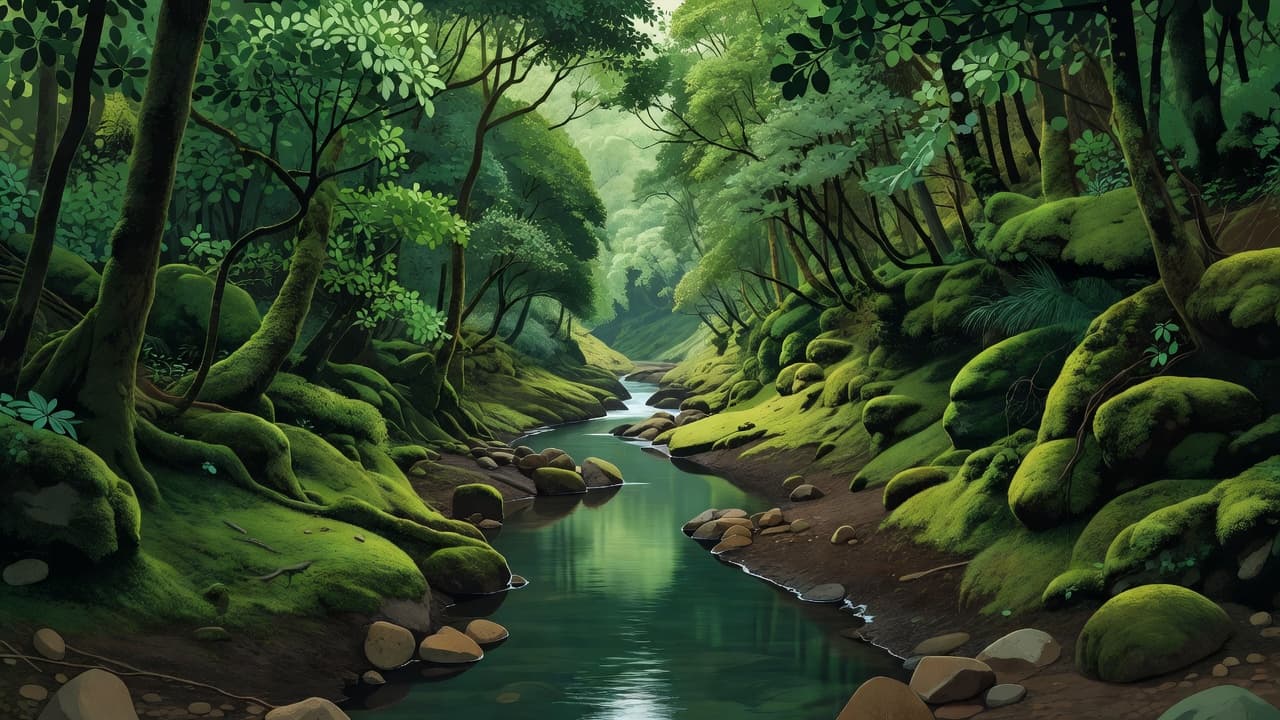
Levada das 25 Fontes is the crowd favorite for a reason. The main payoff is the waterfall pool, but the better photos often come earlier on the approach, where moss covered stone, railings, and low branches pull the eye forward. Go early. By mid morning, people stack up at the pool and the scene loses its stillness.
Caldeirao Verde feels different. The path is tighter, the rock walls are darker, and the tunnels break the walk into small scenes, so when you finally reach the waterfall, the reveal feels earned and the frame carries more tension than a simple roadside viewpoint ever could. Bring a headlamp, because the tunnels are part of the route and the wet floor gets slick fast.
Levada do Rei is softer and quieter. If 25 Fontes is the postcard shot, Rei is the place for detail, fern patterns, reflections, and that pale light that hangs under the canopy after a light shower. Frequent fog and mist help set the mood. So does patience.
If you only have half a day, Levada do Alecrim is the smart compromise. It is one of the more accessible levada hikes, as it is shorter, easier to fit around driving, and still gives you layered greens with open views toward Rabacal.
East Madeira’s sea cliffs at first light
The east side is where the island turns sharp. Ponta de Sao Lourenco, Ponta do Rosto, and Pedra Furada trade lush forest for dry ridges, ochre rock, and open water on both sides.
Sunrise fits this part of Madeira better than any other hour. The first light hits the headlands from the side, so the rock gets shape and the sea keeps its texture. Sunrise is truly the best time to capture these photography locations before the contrast turns harsh and the trails fill up with other visitors.
If you only set one sunrise alarm, use it for the east end.
At Ponta do Rosto, the frame is all about layers. Foreground rock matters because it gives scale to the long line of cliffs behind it. A wide lens works well, but don’t stay locked there. A short telephoto can compress the ridges and make the sea look heavier.
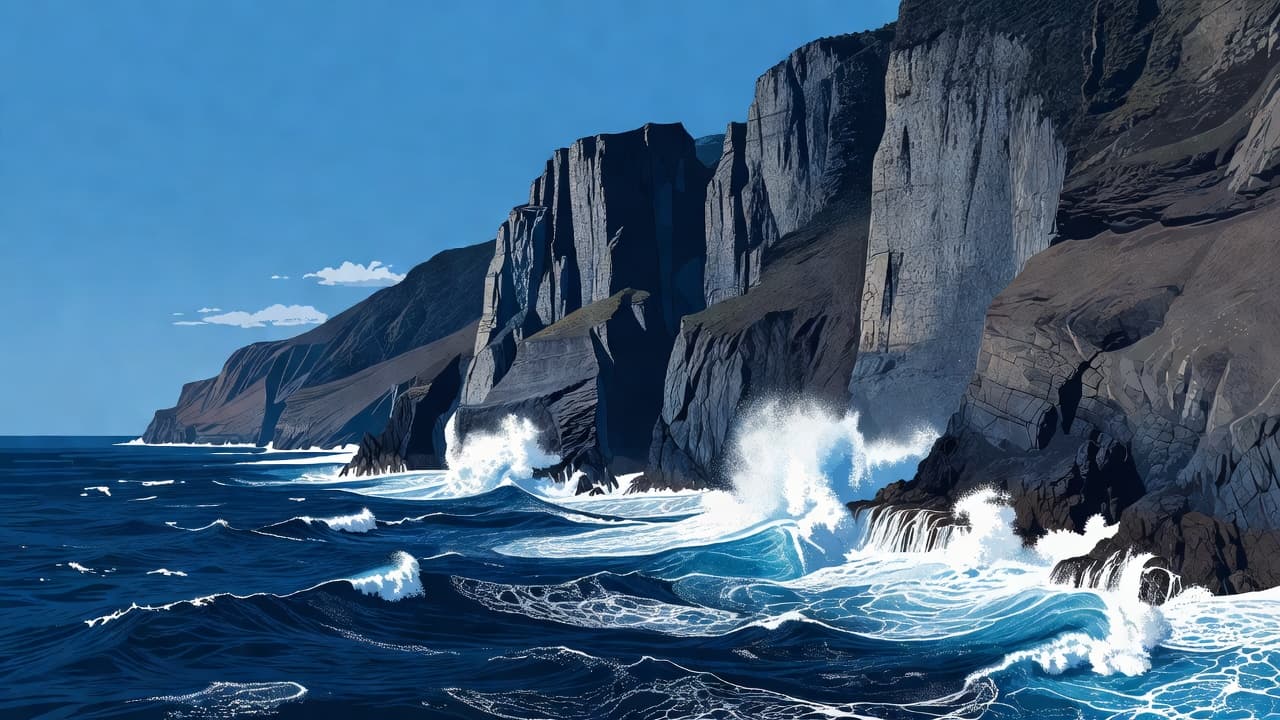
One May morning at Ponta do Rosto, a cloud bank hid the sun until 6:58, then a gap opened for less than a minute, a hiker in a red shell stepped onto the ridge, and the whole point turned copper. That kind of brief light is common here, so stay put even when the sky looks flat.
Pedra Furada adds a different shape to the east coast set. The rock arch breaks up the long cliff lines and gives you a natural focal point, which is why it appears so often in guides like Bilderschmied’s Madeira photo locations. Because the coast is exposed, wind can shake longer exposures. Using a sturdy tripod is essential to keep your shots sharp, though you may also need to brace against the rock or increase your shutter speed if the gusts are particularly strong.
Ponta de Sao Lourenco is also better than many people expect for human scale. Tiny figures on the path can make the cliffs look massive. Just remember that the crowds arrive fast, so visiting early remains the best strategy for getting the perfect shot.
North and west coast viewpoints with real scale
The north and west sides feel bigger, darker, and rougher. The cliffs do not just drop, they loom, and the sea often looks restless even on a calm day.
Miradouro do Cabo Girao is the most famous stop, and it earns its reputation. The glass platform is not the only shot, though. Step back from the obvious railing frame and use the terraces far below to show the height. Early evening usually works better than late morning, because the angle softens and the glare off the water drops.
Miradouro do Guindaste, near Faial, is one of the cleanest north coast viewpoints. The platforms push you out toward the sea, so you can shoot along the cliff line rather than straight at it. That side angle gives the coast more depth. If low cloud hangs above the ridge, even better.
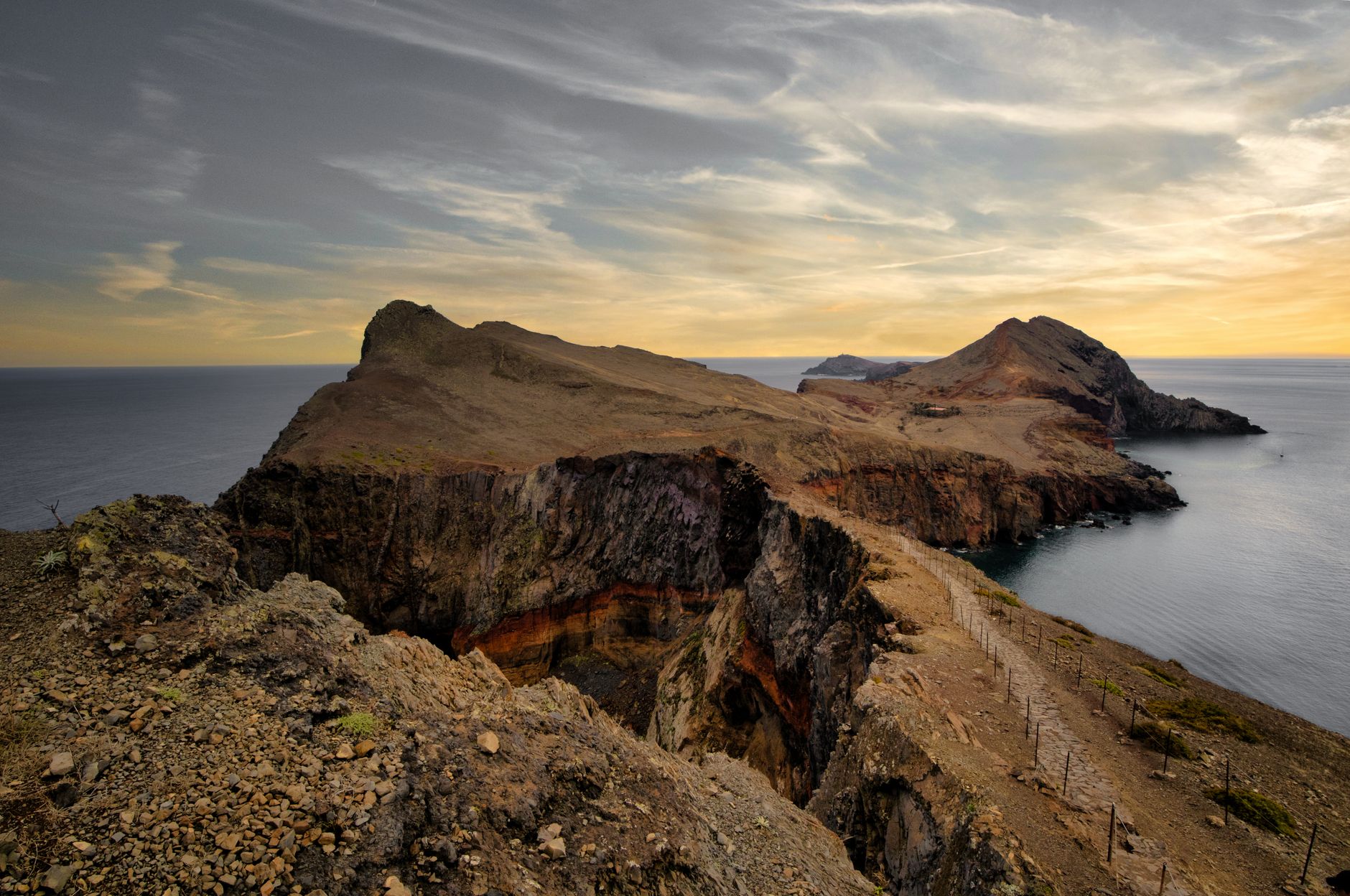
Photo by Ruben Boekeloo
Achadas da Cruz is worth the detour if you like vertical drama. The view from the top shows a near-wall of rock dropping to farmland and surf, and the cable car line adds a subtle graphic element without taking over the scene. Nearby, Rocha do Navio gives you a strong north coast frame when the waves are active, because the narrow fields below make the cliffs feel even steeper.
Continuing along the coast, the black sand beach at Seixal offers a beautiful contrast to the towering green cliffs. Further west, the dramatic sea stacks at Ribeira da Janela jut out of the ocean, creating a perfect silhouette against the crashing surf. These sea stacks at Ribeira da Janela serve as a brilliant natural foreground for long-exposure photography. Before ending your day, visit the natural volcanic rock pools at Porto Moniz, where the rugged landscape meets the calming tide.
On this side of Madeira, scale is the whole game. Include roads, terraces, or a person when you can. Without that cue, the cliffs can flatten into a handsome but vague wall.
When light, weather, and timing do the hard work
Madeira changes by the hour. A clear sunrise can turn into a cloud-wrapped forest by breakfast, and that is not bad news if you choose your spots based on the weather instead of fighting it.
Levadas usually look better under cloud. The greens get richer, the water loses harsh reflections, and the shadows stay open. When photographing the ancient fanal forest, fog and mist are actually essential components that define its moody, ethereal character. Similarly, the fanal forest relies on these shifting weather patterns to create a sense of mystery that bright sunlight often washes away. Sea cliffs often want side light, but they can also look great under moving cloud when patches of sun slide across the rock. A brief opening in the cloud, then gone. That is often the frame you keep.
For those chasing the best illumination, Pico do Arieiro is a premier destination where you can experience a sunrise above the clouds. Later in the day, the sunset at this same peak offers a dramatic shift in color that is perfect for landscape photography.
This quick table helps match each miradouro and trail to the light it likes best.
| Spot | Best light | What works in photos | Watch for |
|---|---|---|---|
| Levada das 25 Fontes | Early morning, overcast | Waterfall pool, moss, leading lines | Crowds by mid-morning |
| Caldeirao Verde | Cloudy or after light rain | Dark tunnel contrast, big waterfall | Wet ground, headlamp needed |
| Ponta do Rosto | Golden hour | Ridge layers, warm rock color | Strong wind |
| Cabo Girao | Late afternoon to sunset | Height, terraces, sea texture | Busy platform |
Low cloud changes everything. On a cliff, it can hide half the view. In the forest, it often improves the shot.
If you shoot with one lens, a 24 to 70 mm range covers most of these places well. Wide angles help on levadas where the path needs space. A short telephoto earns its keep on the coast, because it can pull distant ridges together and pick out a lone walker without cropping away the sea.
A simple route plan for seeing both in one trip
You do not need a packed schedule to capture the best images on the island. Madeira is better when the day has room for missed light, sudden fog, and one extra stop that was not on the map. Navigating the island with a rental car is the most reliable way to execute this plan, giving you the flexibility to move between coastal cliffs and deep forests at your own pace.
A smart one-day plan starts in the east before sunrise at Ponta do Rosto or Ponta de Sao Lourenco. After capturing the morning light, drive your rental car toward the lush interior. Spend your midday hours in the Fanal Forest, where the ancient laurel trees create moody, atmospheric scenes that look far better under high sun than exposed viewpoints. Finish your day at a north or west coast cliff, such as Achadas da Cruz or the natural pools in Porto Moniz, to catch the sunset before heading back to Funchal. For those looking for more adventure, you could swap the forest for the iconic hike from Pico do Arieiro to Pico Ruivo to photograph the mountain peaks above the clouds.
If you have two days, split the island by mood instead of distance. Use your first day for nature and forests, perhaps visiting the Monte Palace Gardens in Funchal to photograph the dense tropical foliage and the vibrant tiles that define the area. On your second day, dedicate your time to coastal cliffs and cultural landmarks like the traditional Santana houses. You could also spend more time exploring the quiet corners of the Monte Palace Gardens before heading to the coast, ensuring you do not have to rush your photography to make it to the next destination.
Parking often shapes the day more than trail length. Popular trailheads fill early, and east coast viewpoints draw traffic even outside of peak summer. Bring a rain shell, a small tripod, and a headlamp for tunnel walks. Most of all, leave margin in the schedule. Madeira is full of hidden photo spots that appear between named locations, often found at a roadside pull-off with one clean angle and ten minutes of perfect light.
Frequently Asked Questions
What is the best time of year to visit for photography?
Madeira is beautiful year-round, but spring offers vibrant greenery and wildflowers, while winter provides more dramatic, misty conditions in the forests. If you want to avoid the largest crowds, try to visit during the shoulder seasons of May, June, or September.
Do I need a professional camera to get good shots in Madeira?
Absolutely not. While a DSLR or mirrorless camera offers more control, the dramatic lighting and unique landscapes of the island can be captured beautifully with a modern smartphone, provided you pay attention to your composition and lighting conditions.
Is it necessary to rent a car to visit these spots?
While some locations are accessible by public transport, renting a car is highly recommended for photographers. It provides the flexibility to chase the best light, reach remote trailheads early in the morning, and stop at unexpected viewpoints along the roadside.
Are the levada trails difficult to hike?
Difficulty varies by route, with some being flat and easy while others require more stamina. Always check trail conditions in advance, wear proper footwear, and remember that some routes involve walking through unlit tunnels, making a headlamp an essential piece of gear.
Final frame
The island provides two distinct rewards. Levada walks slow you down until you start noticing the intricacies of water, moss, and soft light, while the sea cliffs do the opposite and make every ridge feel raw and exposed. If you are using Funchal as your base, these diverse environments are easily accessible gateways to some of the most dramatic landscapes in the Atlantic.
The best shots usually come from patience, not mileage. Stay five minutes longer at your chosen vantage point, because the color often arrives after the cloud thins and the salt starts to dry on the rail at Guindaste. Before you head home, ensure you save time for the ethereal Fanal Forest, where the mist creates a perfect conclusion to your journey. By balancing the lush greens of the interior with the rugged edges of the coast, you will find that Madeira is home to an endless variety of world class photography locations.
