
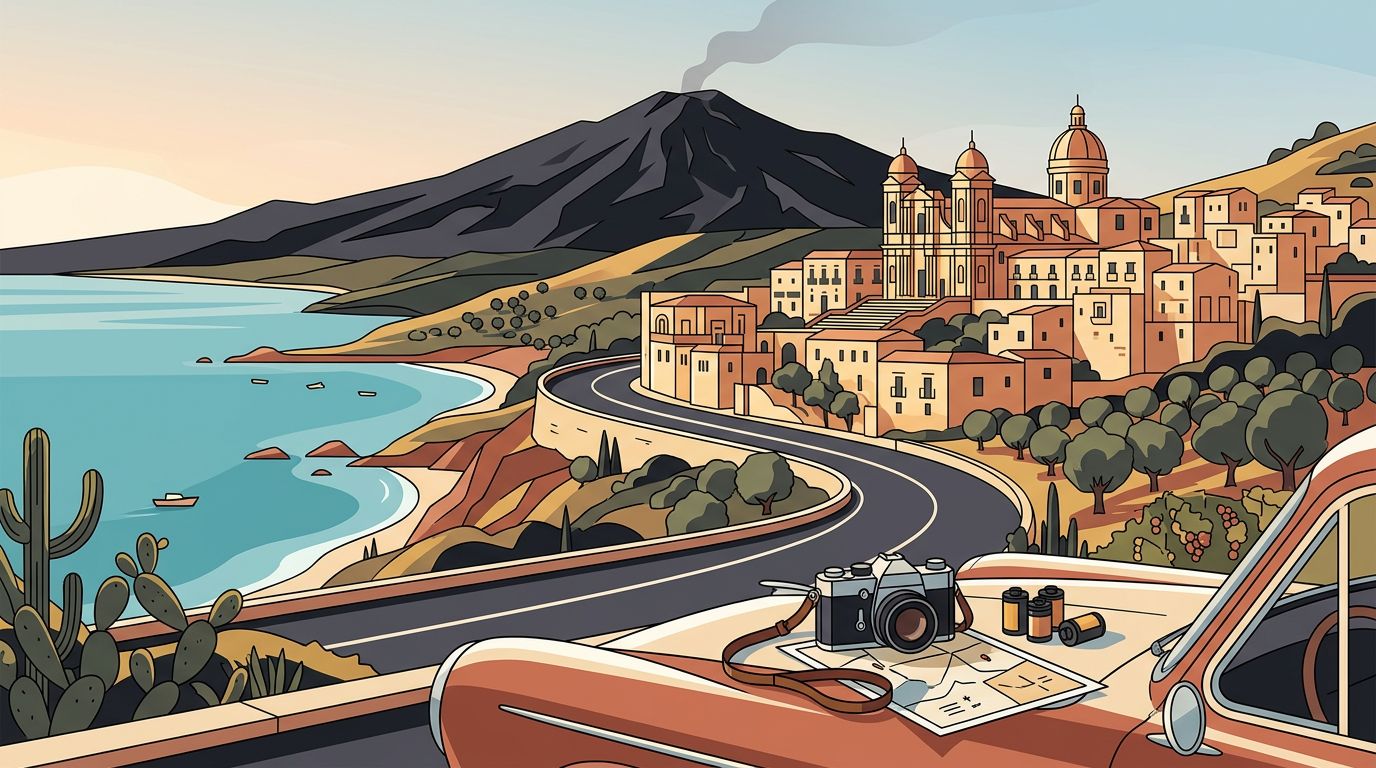
Sicily rewards photographers who are willing to wake early, wait for better light, and take the longer road. Limestone towns rise above valleys, while black lava slopes meet skies that can change in minutes.
A Sicily photography road trip works best when you treat the island as a sequence of light studies rather than a list of stops, leaving enough room for dawn alleys, late sunsets, and weather-driven detours. Start before the shutters open. The roads below link the southeast’s Baroque cities with Mount Etna and an optional volcanic-island extension.
How to Shape a Sicily Photography Road Trip
Give the route at least seven days, with an extra night if Etna or the Aeolian Islands matter most. The southeast towns sit close enough to combine, yet each one needs time on foot because the strongest viewpoints often begin where vehicle access ends.
Build around overnight bases
Sleep in or near the place you want to photograph at sunrise. This avoids driving unfamiliar roads in darkness and lets you return after dinner for blue-hour frames without watching the clock.
A practical seven-day structure looks like this:
- Spend your arrival day in Catania, then photograph its dark volcanic-stone streets at dusk.
- Use Syracuse and Ortigia for a waterfront sunrise and layered urban scenes.
- Stay in Noto for warm limestone architecture and evening street light.
- Pair Modica with Scicli, keeping one flexible morning for a return visit.
- Base yourself above Ragusa Ibla for viewpoints at dawn and blue hour.
- Give Mount Etna a weather-dependent day.
- Keep the final day free for the location that delivered the best conditions.
That rhythm gives you two attempts at important compositions, absorbs weather delays, and keeps the final day open for the dawn conditions that can turn a familiar church facade or black lava field into your strongest frame.
The workable rule for hill towns is simple: outside parking, then a walk uphill.
Let Noto and Ortigia Set the Visual Pace
The Val di Noto has the density many architectural photographers hope for, but rarely find. Streets, balconies, church steps, and pale facades overlap without needing a long walk between subjects.
Work Noto at both ends of the day
Noto’s Corso Vittorio Emanuele gives you a clean central axis, while the side streets break the order with laundry, worn shutters, and hard shadows. Photograph the cathedral area before the crowds build, then return after sunset when the stone holds a softer glow.
The historical anecdote behind those facades begins in 1693. A devastating earthquake reshaped southeastern Sicily, and the towns that make up the World Heritage site were rebuilt on or beside earlier settlements. UNESCO’s Val di Noto World Heritage record names Noto, Modica, Ragusa, and Scicli among the eight connected cities.
Baroque architecture reads best when a frame includes the slope, the street, and enough open sky to show how the town occupies its hill.
Use Ortigia for contrast
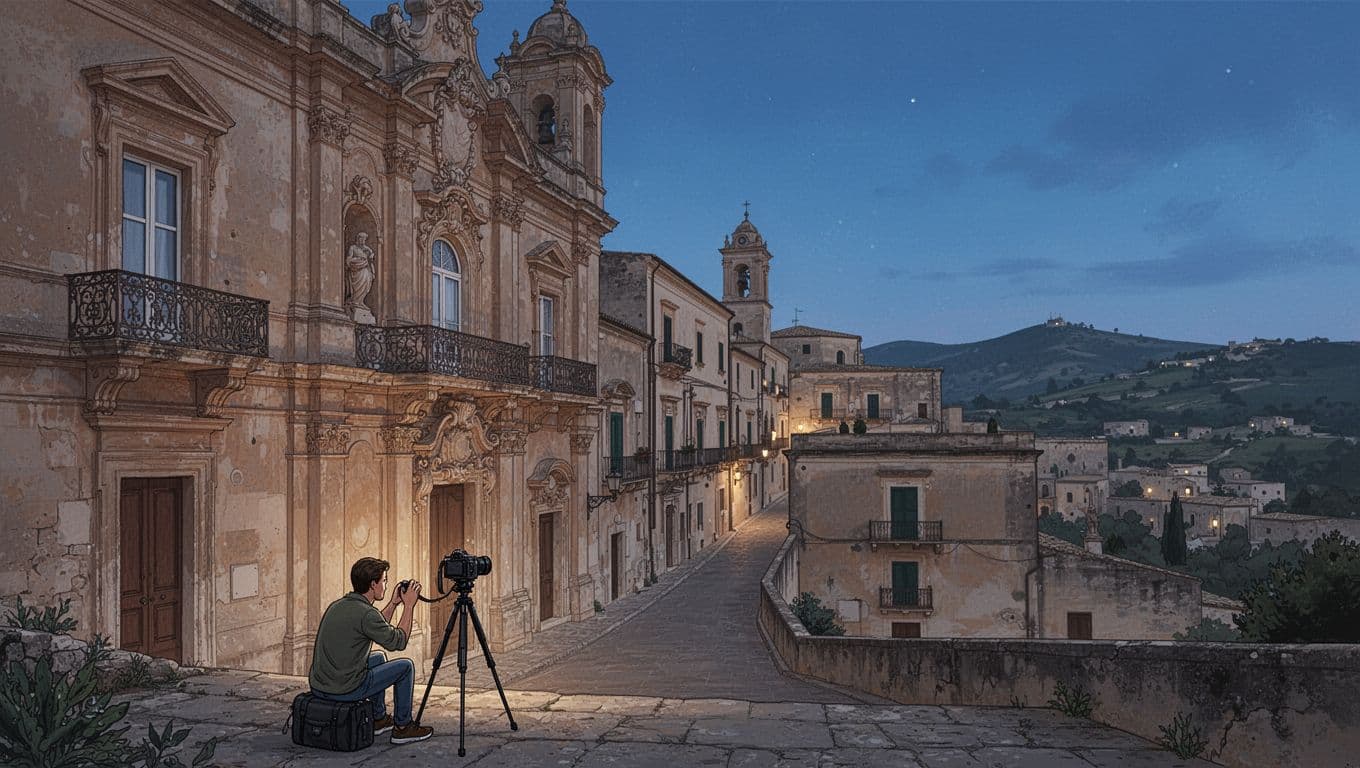
Ortigia adds sea light, tighter lanes, and older textures to a trip focused on late Baroque towns. Shoot the waterfront before sunrise, then move inward as bright light reaches the stone walls.
The Italian tourism guide to Sicilian Baroque is useful for placing the towns in their wider architectural context. Still, leave the guidebook in your bag while shooting. Follow reflected light through the lanes instead.
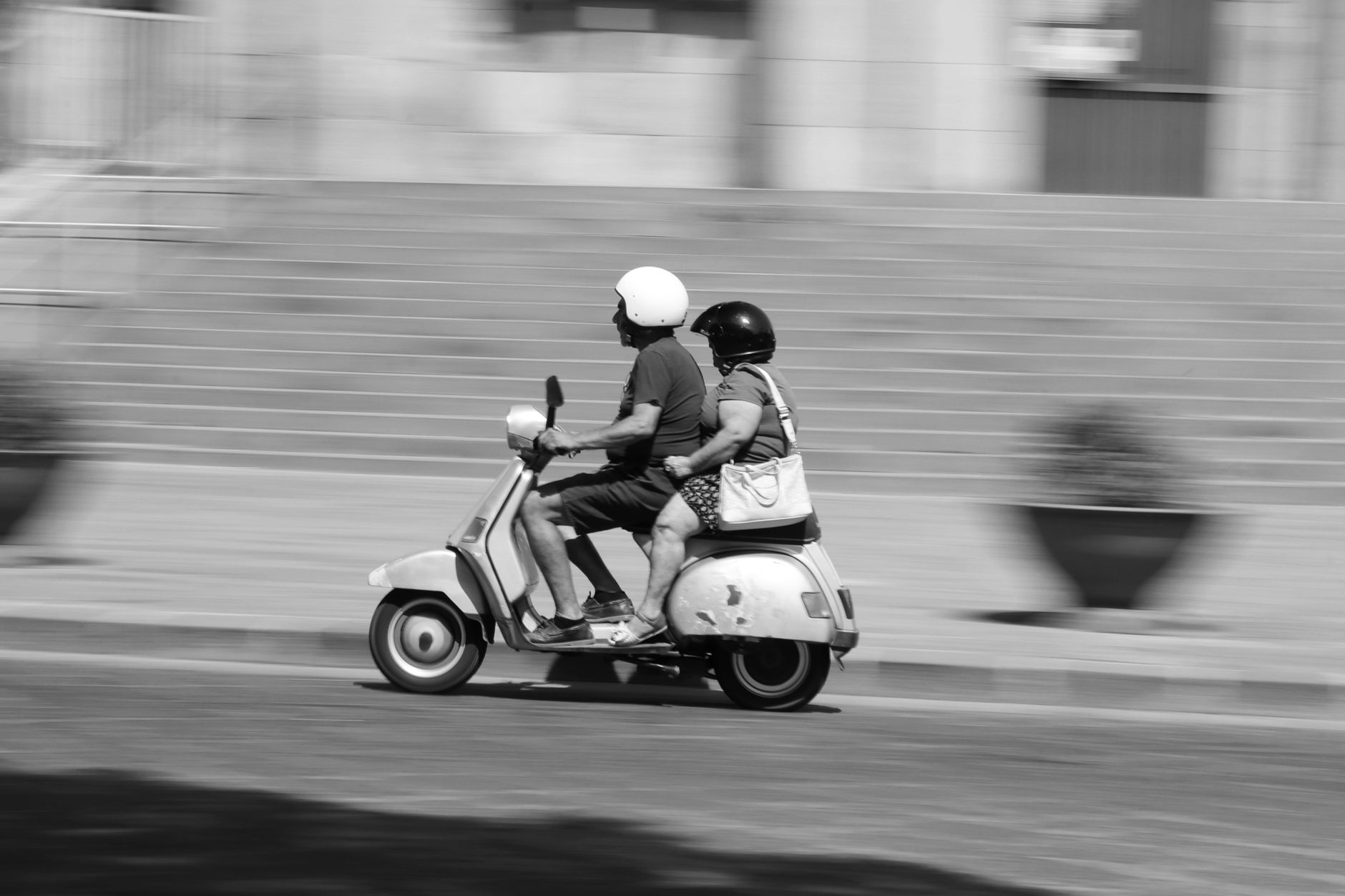
Photo by Efrem Efre
Ragusa Ibla and Modica Reward Patience
Ragusa and Modica can look overwhelming at first because their best angles depend on elevation. Wide views reveal the towns’ stacked roofs and church domes, while street-level work brings texture and scale back into the frame.
A Sicily photography road trip becomes stronger here when you resist the urge to cover both towns in one rushed afternoon.
Find height above Ragusa Ibla
Ragusa Ibla works as a layered composition. Look across the valley toward the dome of San Giorgio, then work downward with a longer focal length to compress balconies, stairways, and tiled roofs.
Arrive before sunrise and scout the previous evening. At dawn, the warm lights in the lower town can remain visible while the upper streets catch the first sun. A polarizer helps later in the morning, but remove it if it creates an uneven sky with a wide lens.
Let Modica’s slopes shape the frame
Modica’s buildings follow the contours of a steep valley, so foreground choices matter. A doorway, a parked scooter, or a stone stair can give the frame a route into the larger scene.
Avoid photographing every church straight on. Instead, use the converging streets around the historic center, then wait for a solitary pedestrian to provide scale. The Baroque cities’ official regional overview can help you identify lesser-known stops beyond the headline locations.
Photograph Scicli Without Rushing It
Scicli has a more intimate rhythm than Noto or Ragusa. Its lower profile, pale facades, and broad streets give you room to simplify a composition.
Follow the changing shade
Walk Via Francesco Mormina Penna early, when low light reaches across the street instead of dropping vertically onto it. The facades can appear flat at noon, yet they gain shape when the sun catches cornices and recessed windows at an angle.
Use a moderate wide lens instead of the widest option in your bag. Buildings near the frame edge can bend in distracting ways, especially when you tilt upward. Step back, keep the camera level, and crop later if needed.
After dark
Scicli is a good place for small, quiet night studies. Set up after the restaurants fill, but stay clear of entrances and narrow pedestrian routes. A tripod with rubber feet helps on polished stone.
Blue hour matters here. Expose for the brightest lamps, then bracket a darker frame to protect detail in the surrounding limestone. The aim is a believable scene, not an orange glow that buries every shadow.
Mount Etna Requires a Flexible Day
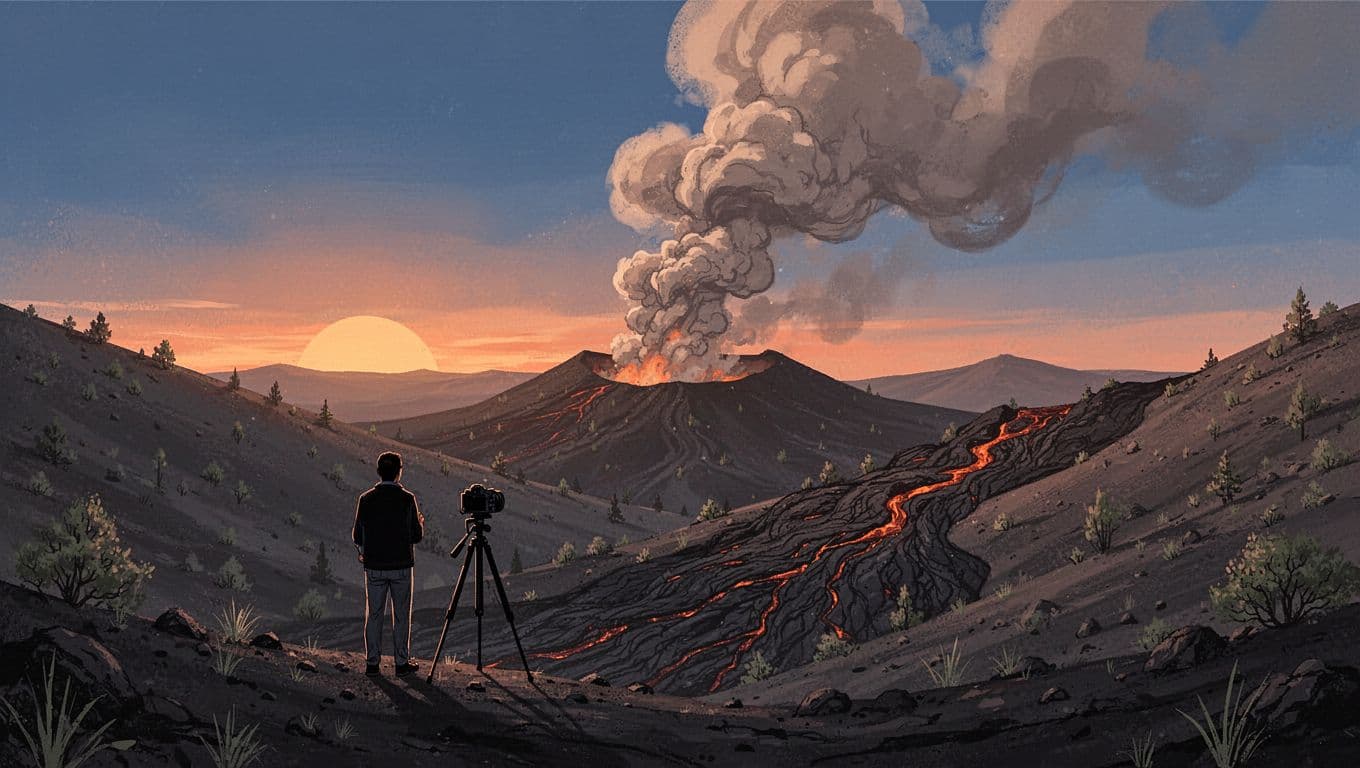
Mount Etna changes the visual language of the trip. Pale stone becomes charcoal ash, ornate silhouettes give way to ridges, and the frame can feel almost monochrome until low sun adds color.
Italy’s Civil Protection Department describes Etna as Europe’s largest volcano, with a base roughly 35 kilometers across and an elevation listed at 3,350 meters. Read its Etna hazard information before setting out, because active conditions can change access rules quickly.
Choose a side with intent
The southern approach near Rifugio Sapienza gives easier access to broad lava fields and the Silvestri craters. The northern side around Piano Provenzana often feels wilder, with darker forest remnants and more irregular volcanic terrain.
Because cloud can fill the lower valleys while the upper slopes remain clear, reserve Etna for a flexible day and carry food, water, warm layers, and a clean protective bag for the camera. Etna refuses a schedule.
Treat safety rules as part of the plan
Do not build an itinerary around getting close to an active lava flow or summit crater. Guided excursions and access limits depend on current volcanic activity, weather, and local orders.
Visit Sicily advises that summit-crater hikes require expert guides and suitable clothing, including closed shoes. Check the latest Mount Etna visitor guidance the evening before you go, then accept a lower-slope composition if conditions restrict the higher routes.
On Etna, the camera bag needs weather protection before it needs another lens.
Plan for Sicily’s Light and Weather
Light on Sicily is often harsh by late morning, especially in summer. The strongest work usually happens before breakfast, near sunset, and during the blue hour that follows.
Return to important scenes twice
Scout in the afternoon, mark promising angles on an offline map, and come back at dawn. This is particularly effective in Noto and Ragusa, where buildings may face away from the evening sun.
Heat changes everything. Streets empty, haze thickens, and bright walls lose their detail. Use the middle of the day for driving, food, image backups, or indoor locations with permission.
When a forecast puts clear air after rain over the southeast, leave the wide lens on the camera and take the long view from Ragusa’s upper streets, because distant folds and isolated church towers will separate better than they do in heat haze.
Watch the sky, not only the forecast
Etna creates its own weather. A clear morning in Catania doesn’t guarantee clear slopes, while clouds on the volcano can produce useful shadow patterns across the lower terrain.
Check wind direction before changing lenses. Fine volcanic grit can move quickly across exposed areas, so turn your back to the wind and shield the camera body during swaps. A microfiber cloth and a rocket blower earn their space here.
Carry a Kit That Fits Cobblestones and Ash
A full camera bag becomes tiring on staircases, rough pavements, and long uphill walks. Pack for the photographs you want, then remove the equipment you are unlikely to use.
Keep focal lengths practical
A wide zoom handles narrow streets, church interiors where permitted, and volcanic foregrounds. Add a short telephoto for domes across valleys and compressed layers on Etna. A fast prime can be useful after dark, although image stabilization and a sturdy tripod matter more for static architecture.
A compact working kit can include:
- A weather-sealed camera body with a wide zoom and one short telephoto.
- A stable travel tripod that can stay low on uneven paving.
- Two batteries, spare memory cards, and a power bank for long driving days.
- A microfiber cloth, blower, and lightweight rain cover for ash or windblown dust.
- A headlamp with a dim red mode for dawn setup and blue-hour packing.
Make people part of the scale
Human figures keep monumental buildings from feeling like empty set pieces. Wait for a person to cross naturally rather than asking strangers to pose, and avoid blocking local routines with a tripod.
In markets and neighborhood streets, ask before making a close portrait. If someone declines, thank them and move on. The photograph is never more important than the interaction that produced it.
Drive, Park, and Reach the Islands Wisely
Road travel gives you control over the mainland route, yet it also creates friction around historic centers. A small rental car is easier to place on narrow roads and less stressful in town parking areas.
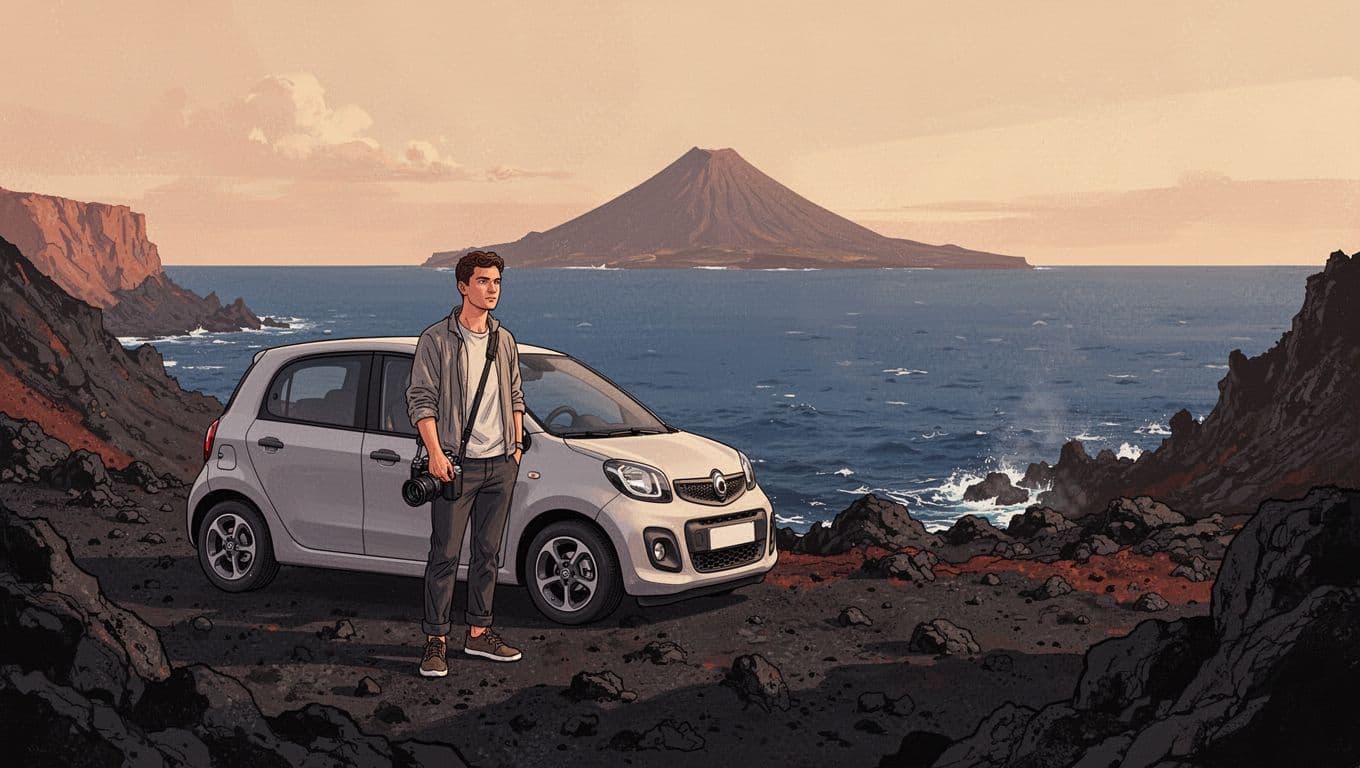
Park outside restricted centers
Catania’s historic core has restricted traffic areas, and camera-controlled access can make a wrong turn costly. Review current Catania ZTL and parking advice before arrival, then ask your accommodation whether it can register a vehicle if access is necessary.
The same caution applies in the smaller Baroque towns. Read signs carefully, park beyond the center when possible, and keep your hotel confirmation available. A five-minute walk often saves a long argument with a satnav.
Treat the Aeolian Islands as a separate extension
The volcanic islands make a compelling final chapter, especially for Stromboli’s sea-and-cone views and Vulcano’s dark coastal geology. However, they don’t fit a casual driving detour.
Milazzo is the practical mainland departure point for many crossings. Check Liberty Lines timetables close to departure, since seasonal schedules can change. Summer vehicle-landing rules vary by island, so plan to leave the rental car on the mainland unless you have confirmed current permissions.
Book island seats early. A foot-passenger trip also leaves you freer to work with changing light rather than hunting for parking.
Leave Room for the Unplanned Frame
The strongest photographs on this route often come after the scheduled stop has ended, when a wet street reflects Noto’s lamps or a passing cloud opens a clear window over Etna. Keep one morning and one evening unscripted.
A Sicily photography road trip asks for patience more than speed. Save your last exposure for Noto’s pale stone under the lamps on Corso Vittorio Emanuele.
