
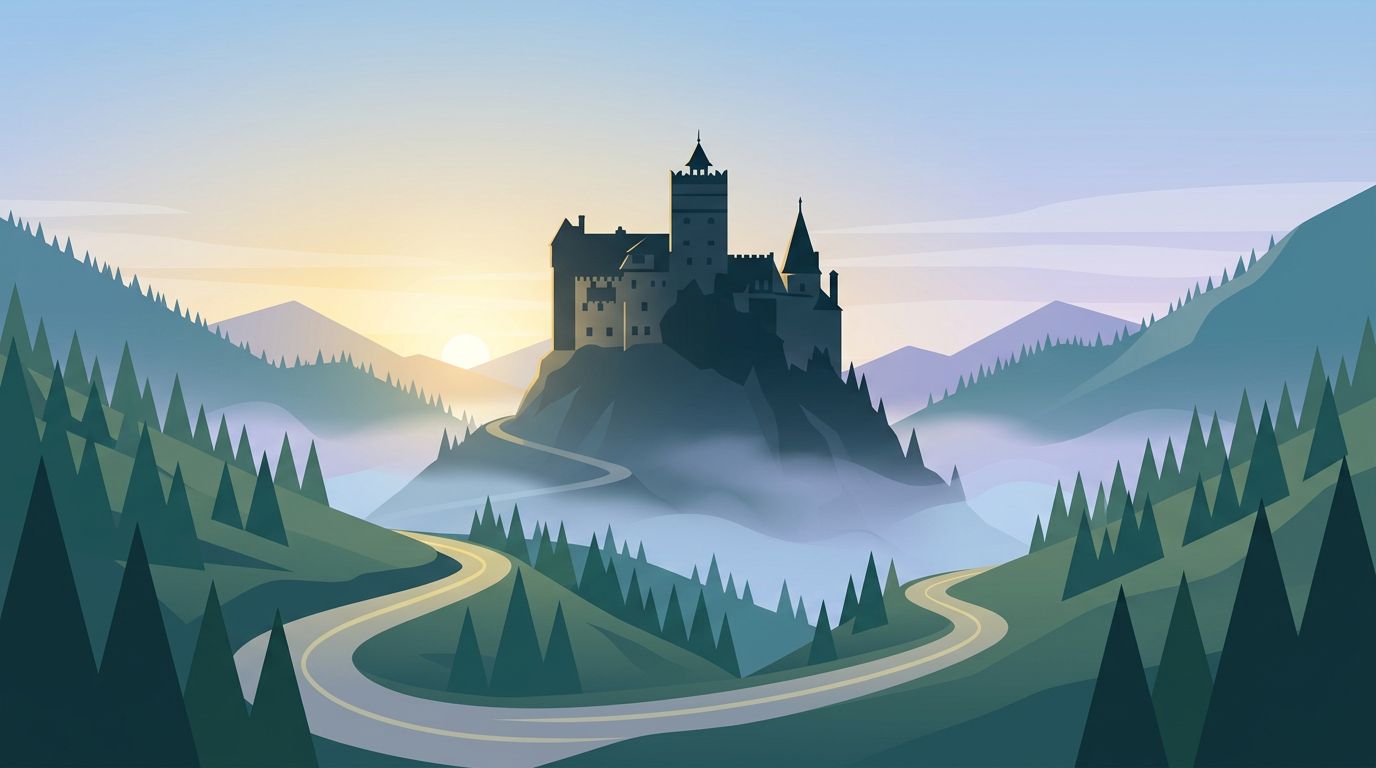
Romania gives you two strong subjects in one trip, castles with hard edges and mountain roads that bend like ribbon. If your camera roll needs more than another city skyline, these landscapes deliver fast, because a single day can give you stone towers, fogged ridges, hairpin turns, and a lake that turns blue at dawn.
In May 2026, timing matters even more. The highest passes are still closed by snow, so the smartest plan starts with open castles and lower scenic routes, then moves higher when the roads reopen.
Start with a route, not a checklist
These Romania photo spots work better as a loop than as random pins. If you base yourself in Brașov, Sinaia, or Hunedoara, you can move between castles and road views without wasting whole days behind the wheel.
| Stop | Best for | Best light | Quick note |
|---|---|---|---|
| Bran Castle | Hilltop silhouette, moody walls | Sunrise, late afternoon | Easy to frame from the valley and nearby rises |
| Peleș Castle | Facade detail, gardens, mountain backdrop | Early morning, golden hour | More angles than Bran, with richer foregrounds |
| Corvin Castle | Heavy stone, bridge, large scale | Morning, cloudy weather | Works best when you step back |
| Poenari Castle | Cliffline drama, lake views | Early light | Steep access, strong payoff |
| Transfăgărășan | Curves, Bâlea Lake, dam views | June to September, dawn | Closed high up in May 2026 |
| Transalpina | Ridge road, open plateaus | Summer mornings, sunset | Less crowded, wider skies |
If your time is short, castle-first is the safer move right now. In May 2026, the high parts of Transfăgărășan and Transalpina are still shut by snow. Save the full road drives for later, then pair them with the castles now.
In May 2026, the highest road sections are still closed by snow. Use the season for castles, valley viewpoints, and route planning.
The order matters. Morning light on stone is easier to control than glare on asphalt. Later in the day, the roads open up more, but the castles begin to lose their crisp edges.
Castles that reward an early start
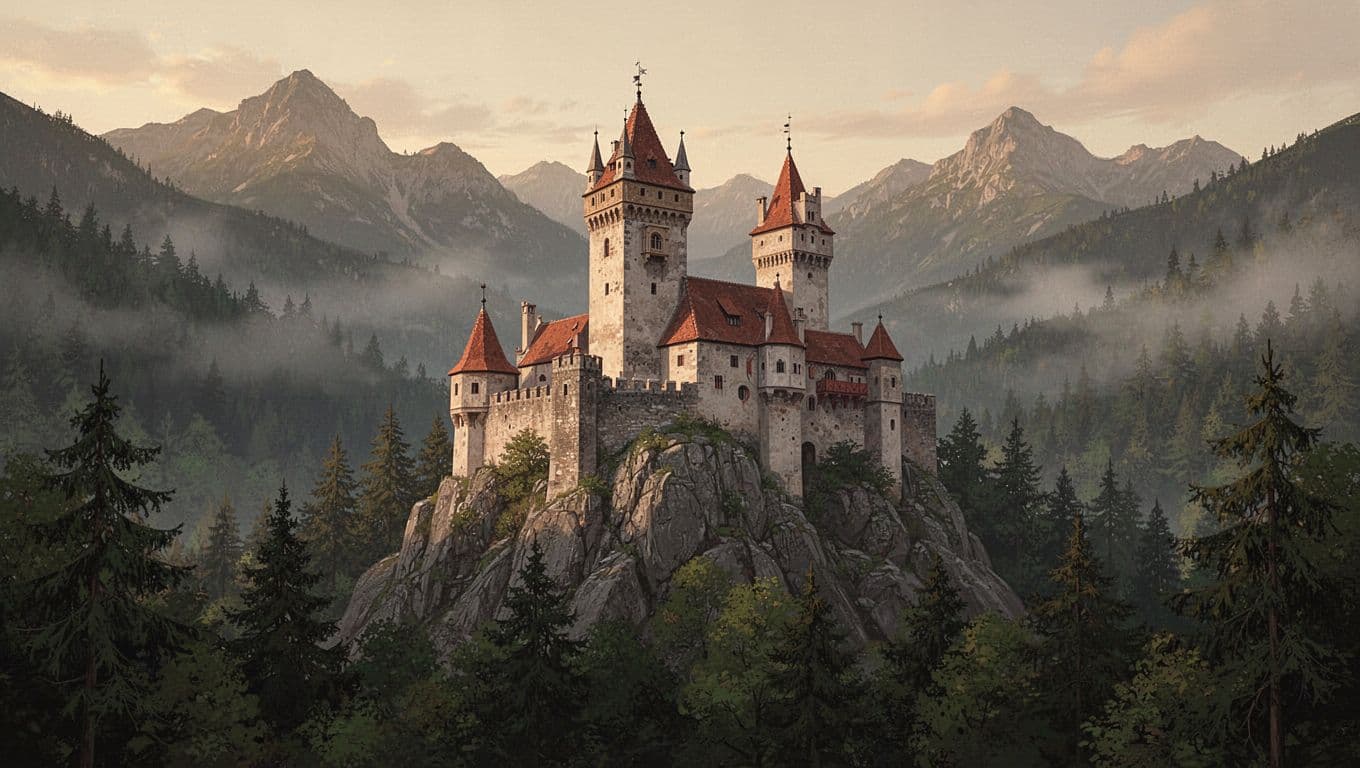
Bran Castle
Bran wakes up fast. Arrive early, and the hill feels still. Arrive late, and you are sharing the frame with tour groups, buses, and a lot of moving heads.
The best outside views come from the valley below, a higher point to the west, or the north-east side when the sky stays clear. A telephoto lens helps pull the castle tight against the hill. A wider lens gives you more of the slope and the trees.
For a practical map of angles, the PhotoHound’s Bran Castle spot page is useful. It matches what many photographers find on the ground, a few clean vantage points and a lot of less useful ones in between.
The castle looks strongest when the hill stays dark and the sky stays pale. That contrast does the work for you. The scene feels simple, but it keeps changing with cloud cover. Fog helps here. So does a little side light.
Peleș Castle
Peleș gives you more variety than Bran. The facade has detail, the gardens give you leading lines, and the mountain backdrop adds a second layer without stealing the frame. It feels polished, but not stiff.
Early morning is the cleanest time for exterior shots. Late afternoon also works well, especially when the stone warms up a little. If you want the best interior work, check the photo fee and lighting rules before you go. The dark rooms need patience.
A good field note from Sinaia: one photographer I met reached the gate at 8:20 AM, walked down the stone steps after the first visitors moved inside, and had nearly ten quiet minutes for facade shots before the courtyard filled again. That window was tiny, but it changed the whole set.
For more detail on access and timing, the Peleș Castle photo tips guide is worth a look. The big lesson is simple. Go early. Stay calm. Move around the edge of the garden before the crowd settles.
Early light wins.
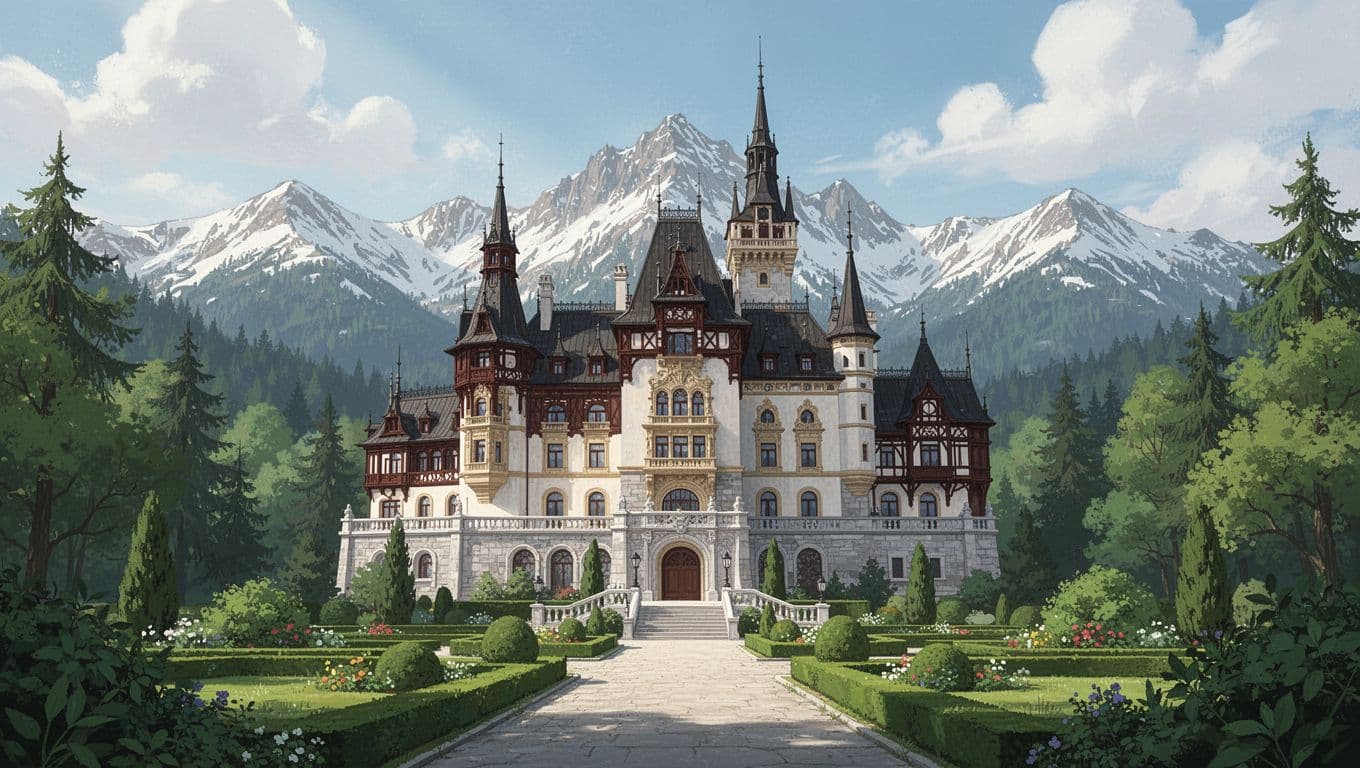
If you only have one castle day near Brașov or Sinaia, Peleș usually gives the broadest range of shots. Bran gives the sharper silhouette. Both belong on a photographer’s list.
Stone walls and steeper climbs
Corvin Castle
Corvin Castle feels heavier than the others. The walls are larger, the stone is darker, and the whole place has more weight in the frame. It’s one of those Romania photo spots where you should not stand too close.
Step back until the towers, bridge, and walls read as one shape. Cloudy weather helps, because the dark stone can swallow harsh sun. The geometry is strong enough to hold a simple composition. You do not need much extra.
A solid reference is Corvin Castle photo spot. The wide views there match the on-site feeling well. This is the place for scale, not clutter.
Corvin feels heavier.
If you want a castle that looks built for a wide frame, this is it. The bridge, the inner yard, and the walls all line up well when the light stays soft.
Poenari Castle and the cliffline stops around it
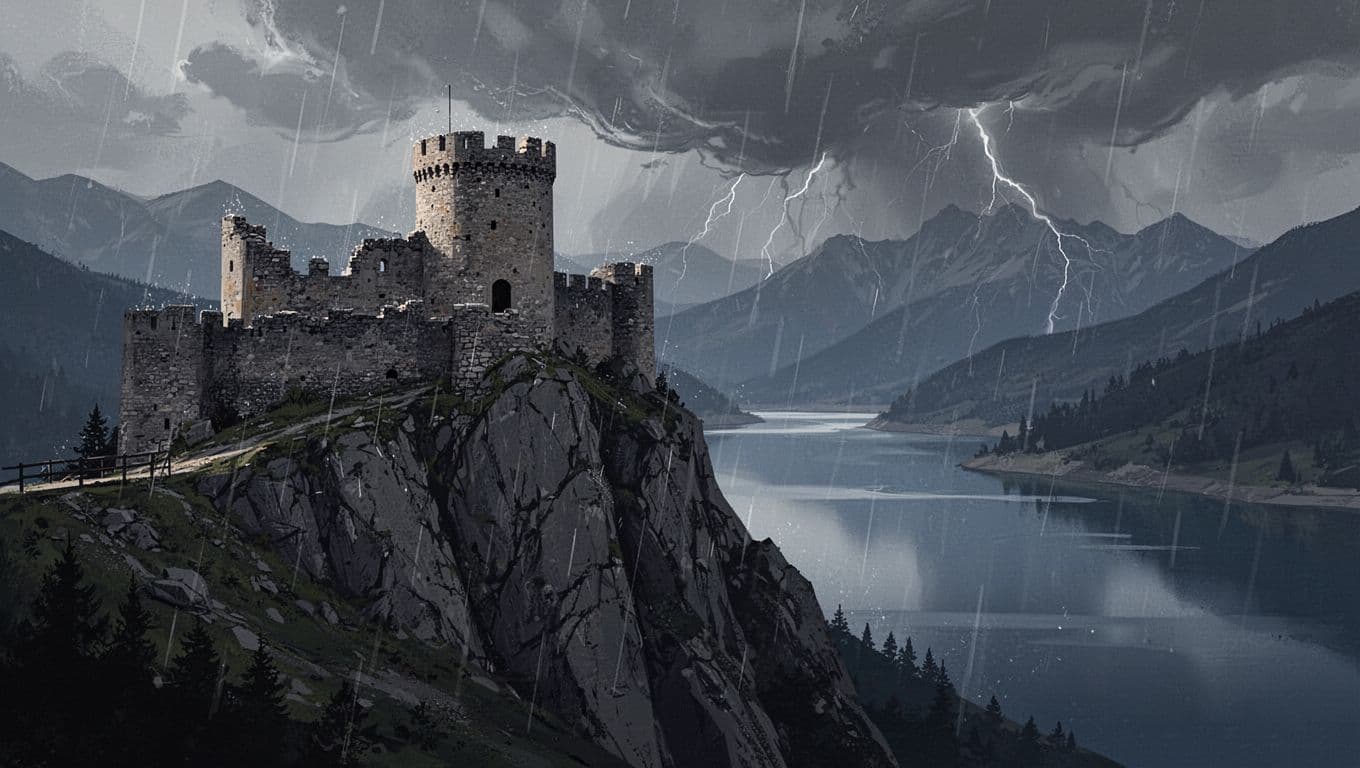
Poenari is smaller, rougher, and far more dramatic in position than in comfort. The climb is steep. The ruin sits on the cliff. The view opens over Vidraru Lake and the ridge beyond.
That view is the reason people go. The staircase is part of the story, but the photo payoff comes from the ruin on the edge and the wide sweep below it. When the sky turns moody, the place gets even better. Storm light adds shape to the stone.
If the climb feels too much, Râșnov Citadel is an easier backup. It gives you a broad hilltop view with less effort and still fits the castle plus mountains theme well.
Poenari is not the easiest stop, but the angle is hard to beat.
The Transfăgărășan when it opens
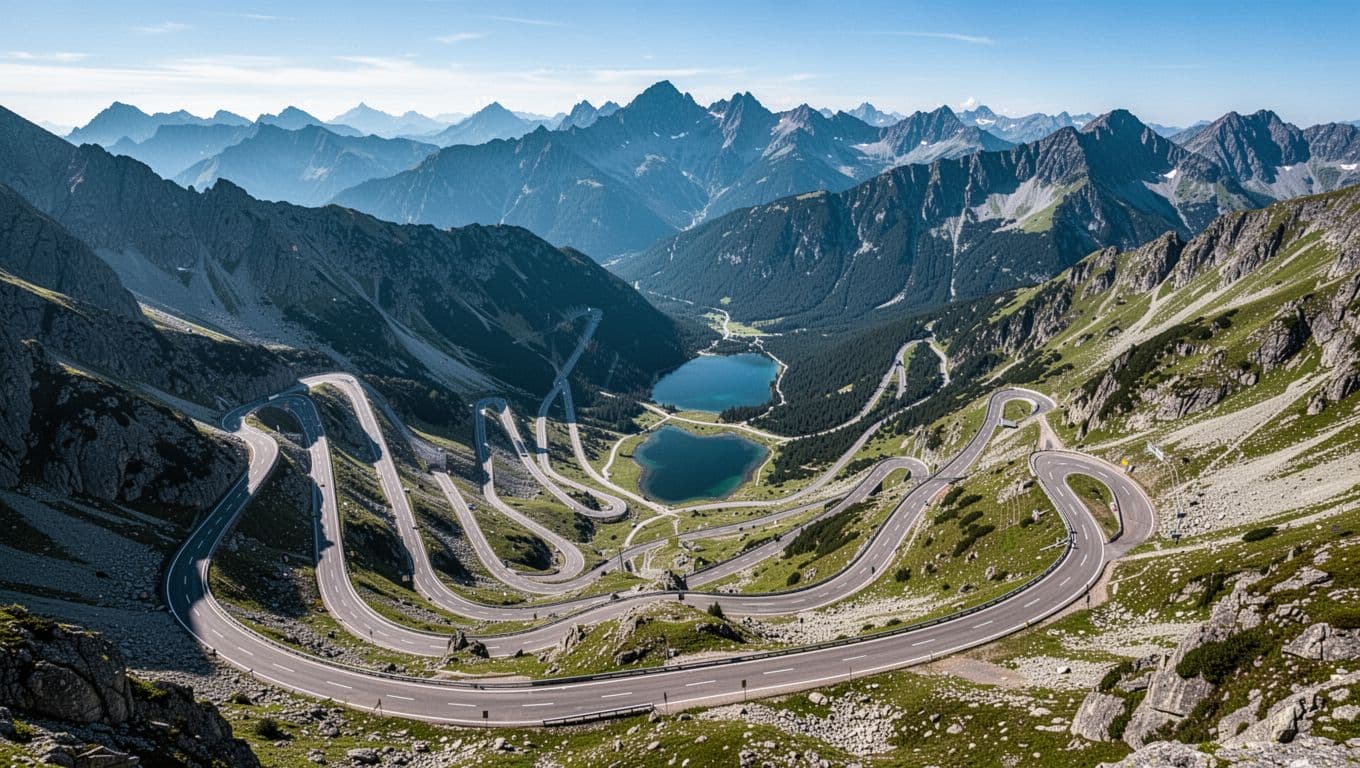
The Transfăgărășan is the road most travelers picture first, and for good reason. When the snow clears, the road gives you curves, tunnels, ridges, and a lake that catches light like glass. Right now, in May 2026, the high section is still closed, so the full drive has to wait.
When it opens, the strongest frames come from Bâlea Lake, the hairpins near the tree line, and the Vidraru side of the route. You can also stop near the Bâlea Waterfall and along the curves where the road cuts across the slope. For a wider map of those stops, Transfăgărășan photo stops guide is a helpful reference.
The road rewards patience. Pull off only where it’s safe. Then wait for a clean gap in traffic. That one pause often gives you the shot. The best frames are usually not the first ones you take.
When the pass is open, this is the road that feels closest to the sky. Go before sunrise. The light is softer, the parking is easier, and the lake often stays still enough to hold the mountains in its surface.
When the snow melts, Bâlea Lake becomes the anchor shot. The water, the curve, and the peaks all work together. A telephoto lens can tighten the bends. A wide lens opens the full sweep.
Transalpina gives you space
Transalpina is the quieter road, and that matters. It is high, broad, and less crowded than the Transfăgărășan when both are open. In May 2026, the upper sections are still under snow, so the best time for a full drive is usually summer, often from June into September.
Because Transalpina sits high and wide, the scene changes faster than people expect, so one corner might give you valley light, while the next opens to wind, sheep, and a pale road that vanishes into cloud. That makes it a strong place for long views and simple compositions.
Transalpina runs high.
For a good primer, the Transalpina road guide explains why the road feels different from Transfăgărășan. The main thing to remember is that Transalpina often works better for clean mountain forms than for tight, busy road drama.
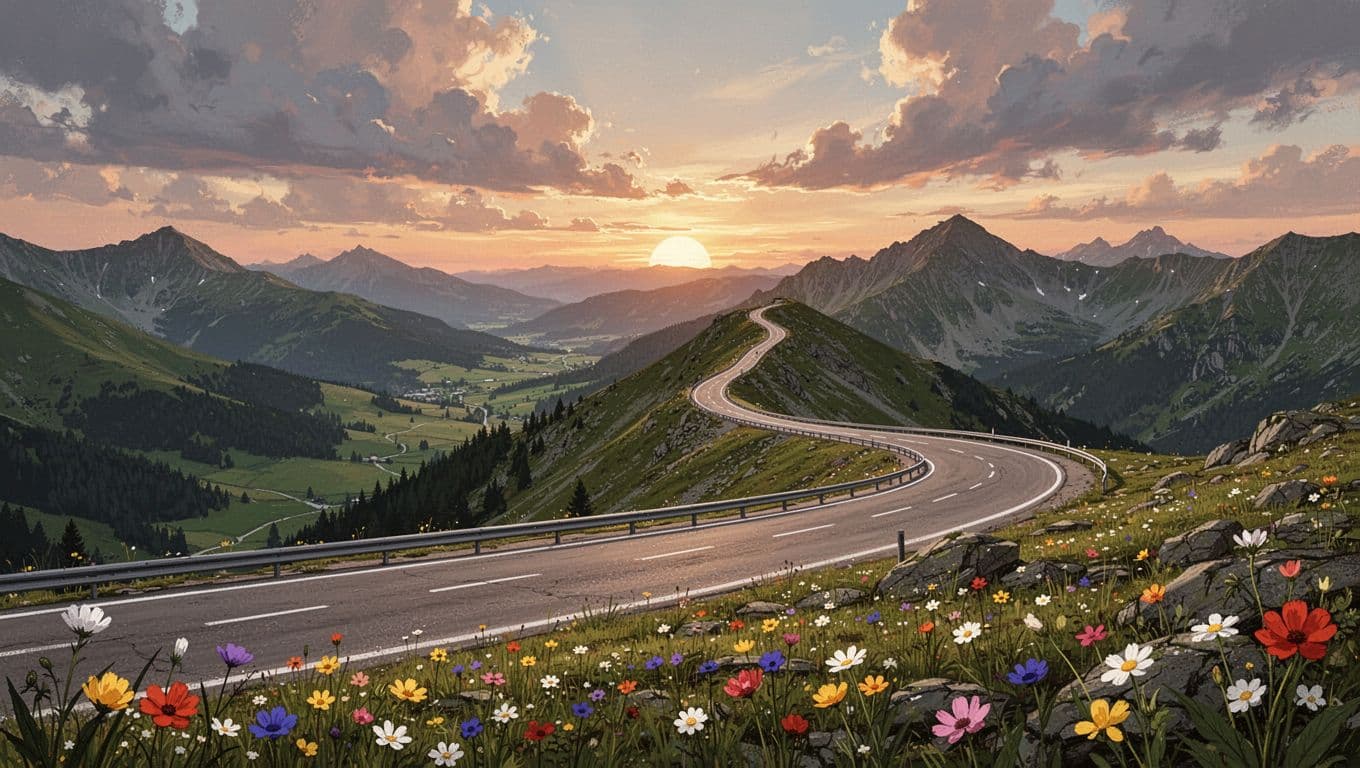
Empty road, wide sky, late light.
If you want quiet frames, this is the road to wait for. The best shots often come when the road feels almost empty and the clouds sit low enough to break the horizon into layers.
How to keep the photos clean
A good scene still needs good habits. The same mountain can look flat or dramatic depending on when you stop, how far you step back, and whether you give the frame room to breathe.
Start early. Stay flexible. Check road status before you drive up. In mountain weather, that last step matters more than people expect.
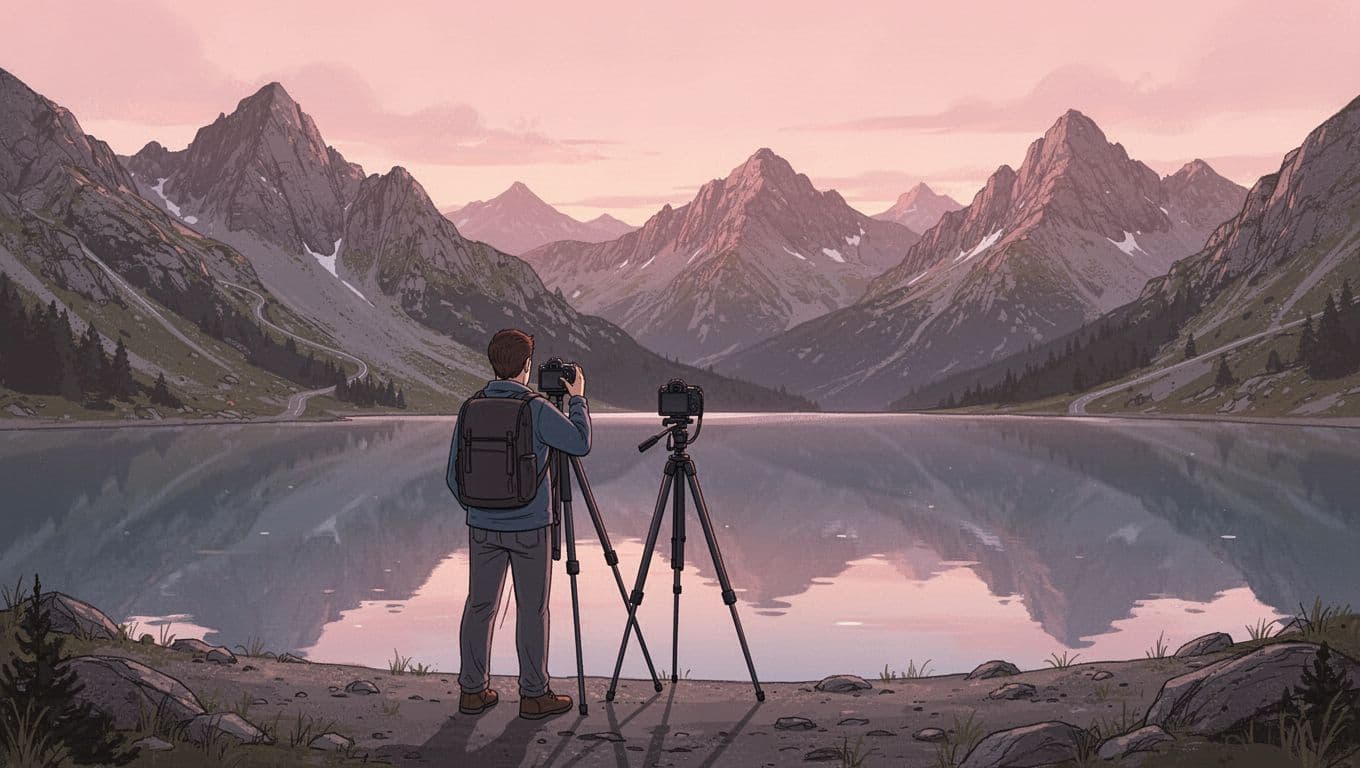
A simple field kit is enough for most of these places:
- A wide lens helps at castles and broad ridge views.
- A telephoto lens pulls towers and curves closer together.
- A polarizer cuts glare on water and stone.
- A tripod helps at dawn and in shaded courtyards.
- Safe pullouts beat risky shoulders every time.
The weather can shift fast in the Carpathians, so watch for fog, wind, and low cloud. If a viewpoint looks crowded, wait ten minutes. It usually clears enough for a better frame.
One more thing. Long mountain drives need a slower pace than most travelers expect. The best photos often come after the first stop, not the first glance.
Final Thoughts
Romania gives you a rare mix, solid stone and moving roads. That’s why the best frames feel different here. Castles give you shape. Mountain passes give you motion. Together, they keep a trip from feeling repetitive.
If you’re planning around May 2026, use the open castle routes now and save the high passes for later in the season. Bran, Peleș, Corvin, Poenari, Bâlea Lake, and the high bends of Transalpina each ask for a different kind of light, but they all reward patience.
Would you rather stand under Bran’s hill at sunrise or wait for Bâlea Lake’s first clear morning?
