
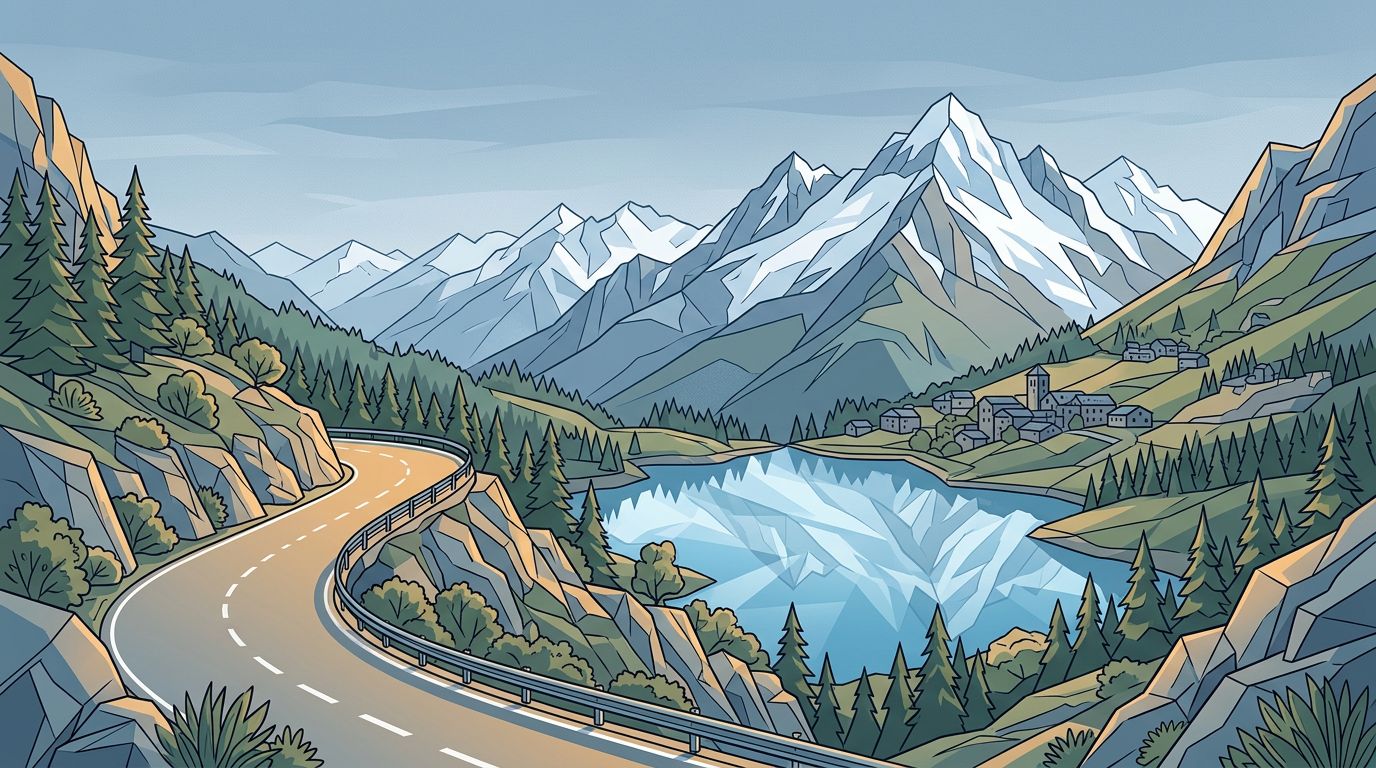
Andorra looks small on a map, but it can fill a memory card before lunch. That is why so many of the best Andorra photo spots feel close together, even when the scenery shifts fast between still water, steep passes, and high lookouts.
If you are planning a photo-focused trip, the hard part is not finding beauty. It is choosing where to stop, when to wait, and which roads are worth driving twice. Start with the lakes and roads below, explore the rugged terrain of the Pyrenees mountains, and let the weather make a few choices for you.
Key Takeaways
- Prioritize timing over gear: Success in Andorra comes from arriving early or waiting for shifting light conditions rather than using high-end camera equipment.
- Choose your lake style: Tristaina Lakes offer iconic alpine reflections, while Lake Juclar provides a rugged, textured landscape, and Engolasters remains the most accessible option.
- Master the road photography: The route from Ordino to Arcalis provides the best rhythm for landscape shots, but always prioritize safety by using legal pull-offs and avoiding blind curves.
- Balance grand views with intimate ones: Pair famous viewpoints like Roc del Quer with quieter, less-trafficked roadside spots to ensure your portfolio includes both massive mountain scale and personal, detailed frames.
- Factor in access time: Distances on a map can be misleading; budget extra time for hiking trails, variable mountain weather, and potential parking delays at popular tourist sites.
Mountain lakes that give you the strongest frames
The best lake photography in Andorra does not always require the same amount of effort. Some locations reward you for exploring the most remote hiking trails, while others are perfect for a calm stop when you want to minimize your gear and keep the composition simple.
If you only have one morning and want the cleanest mix of water, granite, and high-country scale, Tristaina Lakes offer the strongest odds of coming home with shots that feel professional. The setting provides exactly what photographers crave, including broken rock, open sky, and water that either mirrors the peaks or turns silver under a layer of clouds.
Go early.
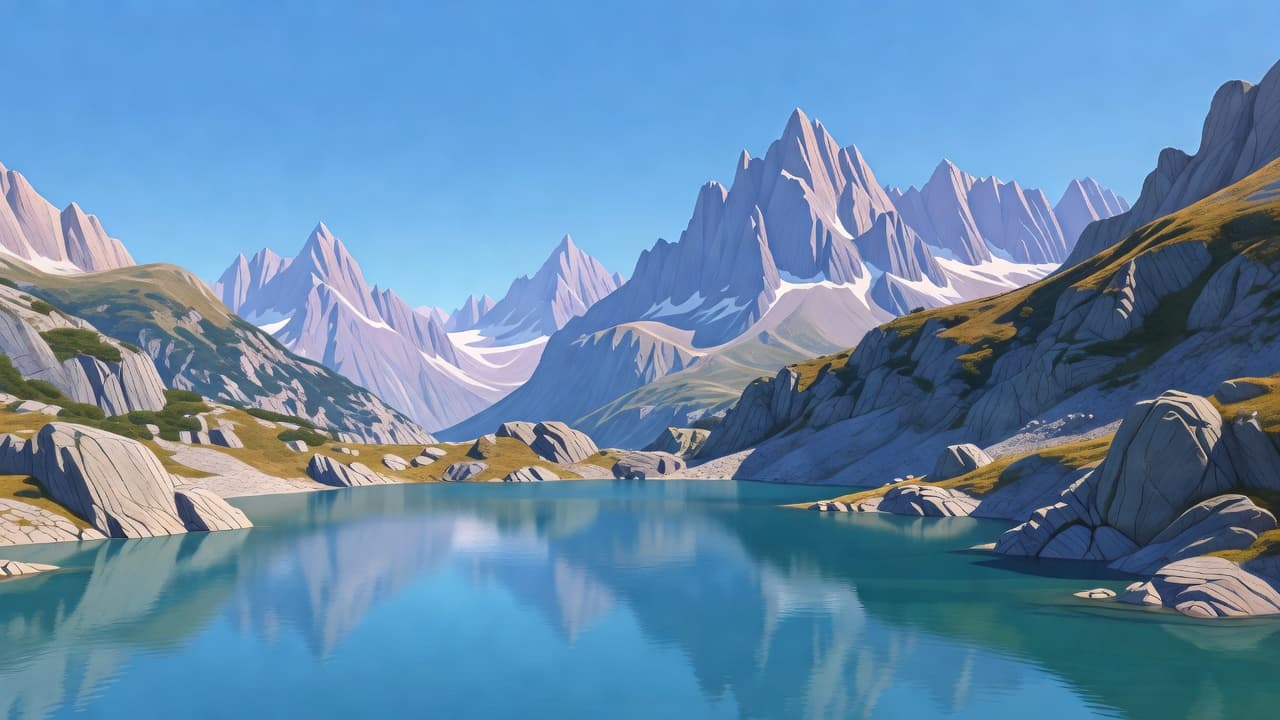
Lake Juclar feels significantly wilder. The basin is broader, and the terrain surrounding it possesses a rougher, more rugged look. That is ideal if you prefer natural landscapes that showcase texture rather than postcard symmetry. Engolasters lake is the more accessible option. It remains a calmer choice and is incredibly useful when the higher routes are windy or your schedule is tight.
This quick comparison helps narrow down which of these stunning spots belongs in your portfolio.
| Spot | Best photo style | Access feel | Best light |
|---|---|---|---|
| Tristaina Lakes | Big alpine scenes, reflections | Moderate hike | Early morning |
| Lake Juclar | Wilder mountain mood | Longer outing | Morning or broken cloud |
| Engolasters lake | Easy lake shots, forest edges | Easier stop | Soft morning light |
| Estany Primer | Classic Pyrenees feel | Hiking required | Early or late side light |
Estany Primer also deserves a look if you want a classic high-altitude scene with fewer crowds. If you want to scan a broader set of names before your trip, Tripadvisor’s Andorra lakes list is useful for cross-checking locations.
At these lakes, wind is your real editor. Cold air, pink light, and no wind provide the ideal conditions for a simple composition. By late morning, ripples often erase the clean reflection and force you to build a stronger foreground to keep the frame balanced.
Scenic roads that look as good as they drive
Andorra’s mountain roads offer incredible opportunities for landscape photography that go well beyond simply reaching a trailhead. Some of the best images happen between destinations, where a bend opens, the valley drops away, and the road becomes the primary subject.
The strongest road section for many photographers is the drive from Ordino to Arcalis. It has the right rhythm for capturing the rugged beauty of the Ordino valley: long valley views, changing elevation, and enough curves to create leading lines without turning every photo into the same repetitive hairpin shot. The road also feels open, which matters when you are trying to place a strip of asphalt into a wider mountain frame without visual clutter.
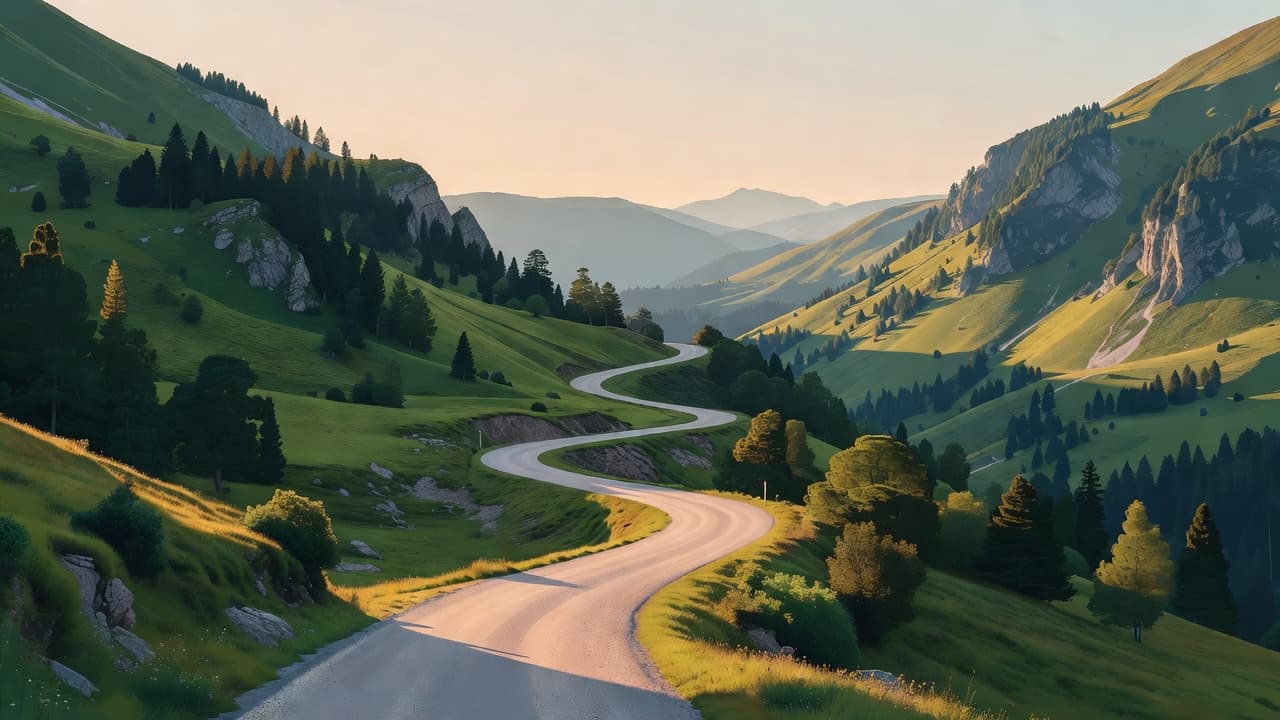
The route from Canillo to Roc del Quer in Canillo parish is shorter, but it is excellent when you want a road and viewpoint pairing on the same outing. While you are in the area, the nearby Tibetan bridge serves as a fantastic secondary photographic subject that complements the dramatic mountain architecture. Alternatively, the Incles Valley remains a quieter, more intimate choice. The road scenes there feel less dramatic at first glance, yet they often photograph better because the setting is simpler and the eye lands exactly where you want it.
Worth the detour.
A small road tip matters here: do not shoot every curve from eye level at the roadside. Step back when it is safe, use the slope, and let the road sit lower in the frame. That gives the mountains room to breathe. Wet pavement can also help, because it darkens the road and adds contrast without needing a car in the scene.
One specific travel anecdote says a lot about how memorable these drives are. In an August travel thread, a cyclist planning an Andorra crossing asked where to stop, and other travelers pointed him toward Coll d’Ordino in this route discussion, which says plenty about how often that pass stays with people after the trip.
Road photography also rewards restraint. A single strong bend beats five average overlooks. If a section feels ordinary in flat light, keep driving until the terrain gives you depth.
Viewpoints where roads, valleys, and peaks line up
Lake photos pull you inward. Viewpoints do the opposite. They show how small the roads are, how steep the walls are, and how fast the country changes shape.
Roc del Quer is the best known stop for those sweeping, panoramic views. It works because the valley opens enough to show layers, while the built viewpoint gives the frame a clear edge. Many people walk straight onto the platform and shoot the obvious angle. Often, the better image is a few steps back, where the structure, mountain slope, and road below sit together in one frame. Roc del Quer serves as a prime example of how architecture can frame a massive landscape.
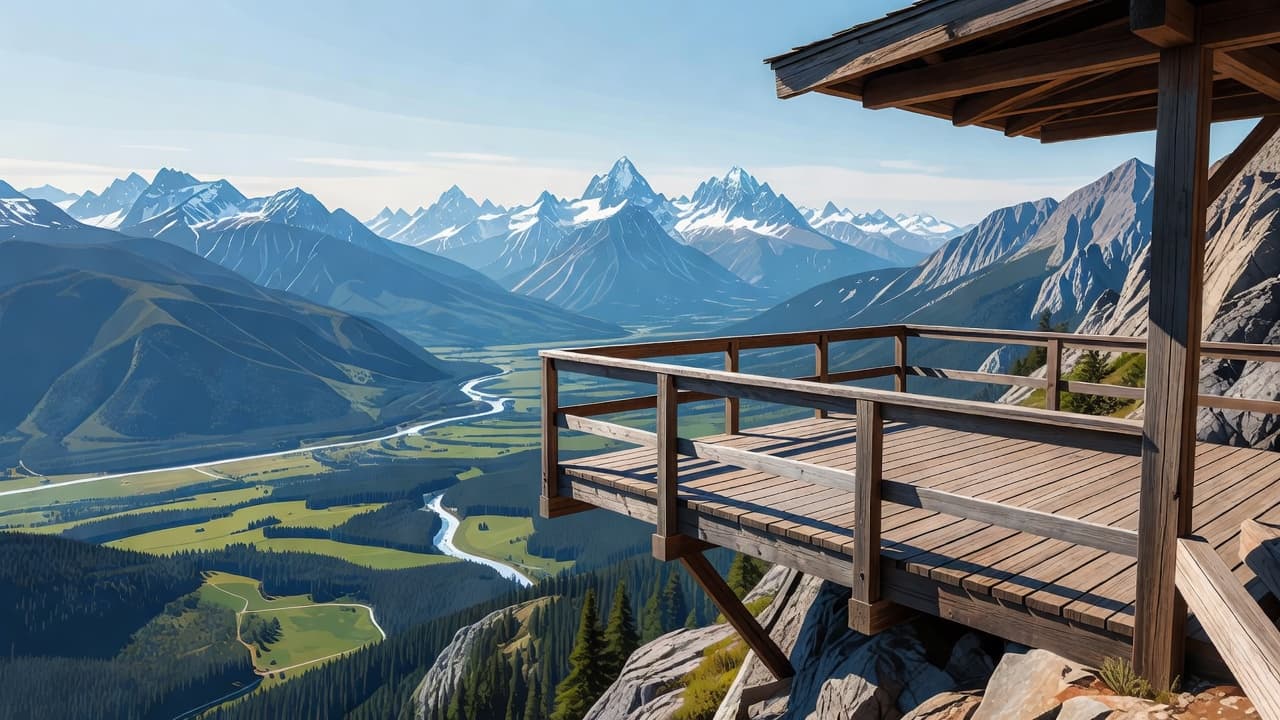
That matters because Andorra’s most photogenic places are often strongest when they show scale, not only beauty. A tiny car on a distant road, a walkway edge, or even a person paused at the railing can help the mountains read as mountains rather than flat blue shapes.
If the valley looks hazy, wait a little. Side light can rescue a scene in minutes.
The Ordino area also deserves time outside the famous stops. You should visit the Tristaina solar viewpoint, which provides a unique geometric circular frame for your photos. Smaller roadside viewpoints in this region often give you cleaner compositions than the headline locations, mostly because you can work without crowds stepping into the edge of the frame. Compared to the massive panoramic views found at other high elevation spots, these intimate lookouts offer landforms that are still strong enough to carry a wide shot.
Don’t chase every lookout. Pick one big viewpoint and one quieter one. That mix usually gives you both the grand frame and the more personal image that survives the edit later.
Light, weather, and timing matter more than gear
Andorra rewards patience more than gear. A phone, a compact camera, or a professional kit can all work if you arrive at the right moment and stay put long enough for the light to shift.
Because Andorra’s valleys are tight and the peaks rise fast, light changes quicker than many travelers expect. A scene that looks flat at mid-morning can gain incredible shape and texture just twenty minutes later as a cloud edge sweeps across the slope. This is why broken weather often beats a perfect blue sky. The land gains depth, roads separate from the hills, and mountain lakes stop looking pale.
Mist changes everything, and sunrise and sunset remain the critical windows for managing the harsh lighting conditions often found at altitude. For mountain lakes, morning usually gives you the cleanest water and the fewest people in frame. For scenic roads, golden hour light works best because long shadows carve out the bends. At high viewpoints, try to avoid harsh midday sun, as the valley can lose detail while the brightest slopes pull too much attention.
While the natural landscape is the main draw, the urban and cultural contrast of the country is equally compelling. Andorra la Vella serves as the perfect base for your outdoor activities, offering an interesting blend of modern infrastructure and ancient history. Within the city, you can capture the austere beauty of the Casa de la Vall or visit several historic Romanesque churches that offer a glimpse into the past. For a more iconic shot, seek out the Salvador Dalí sculpture, known as The Nobility of Time, which sits prominently in the capital. If you want a quick, accessible view without a long hike, the Rec del Solà path provides a beautiful, walkable viewpoint right above the capital that is perfect for city vistas.
Access also shapes the day more than many first-time visitors expect. A high lake may look close on a map, yet the trail and weather can slow you down. A road viewpoint may be easy to reach, but traffic and parking can shorten your stop. Build slack into your plan. Leave room for one missed turn, one weather pause, and one place that asks for longer than you thought.
Above all, protect the shot by protecting the stop. Use legal pull-offs, stay off blind bends, and never block a narrow road for one frame. The photo is never worth that risk.
Frequently Asked Questions
What is the best time of year to photograph Andorra’s mountain landscapes?
Late spring through early autumn is generally best for accessing high-altitude lakes and mountain passes that might be blocked by snow in winter. Late summer and early fall often provide the most stable weather and beautiful, changing foliage that adds depth to mountain shots.
Do I need a professional camera to get good photos in Andorra?
No, the dramatic scale of the Pyrenees means you can get excellent results with a smartphone or compact camera. Focus on composition and lighting—such as shooting during the golden hour or capturing moving clouds—to make your images stand out regardless of your gear.
Are there specific safety rules for taking photos on Andorra’s roads?
Safety is critical because these roads are narrow, winding, and often feature blind corners. Always use designated pull-offs and parking areas; never stop your vehicle in the middle of the road or in a way that blocks traffic just to get a photograph.
How much time should I dedicate to photography in Andorra?
To truly capture the landscape without feeling rushed, plan for at least three to four days. This allows you to revisit spots if the light or weather is poor on your first attempt and provides enough buffer time to explore deeper into the hiking trails.
Final thoughts at altitude
The best Andorra photo spots are not just the famous names. They are the places where you arrive a little early, hold your ground a little longer, and let the light do half the work. While many travelers hunt for the most Instagrammable locations to capture a quick snapshot, the true reward lies in the journey itself.
If you rush, the country can feel like a chain of quick overlooks. If you slow down, it starts to read as one connected mountain story, with roads feeding lakes and viewpoints tying them together. These natural landscapes offer far more depth than a single frame can hold, but that is where patience pays off.
When the day is fading, would you rather collect one more average stop, or stand still above Tristaina at 7:05 am and wait for the last ripple to disappear?
