
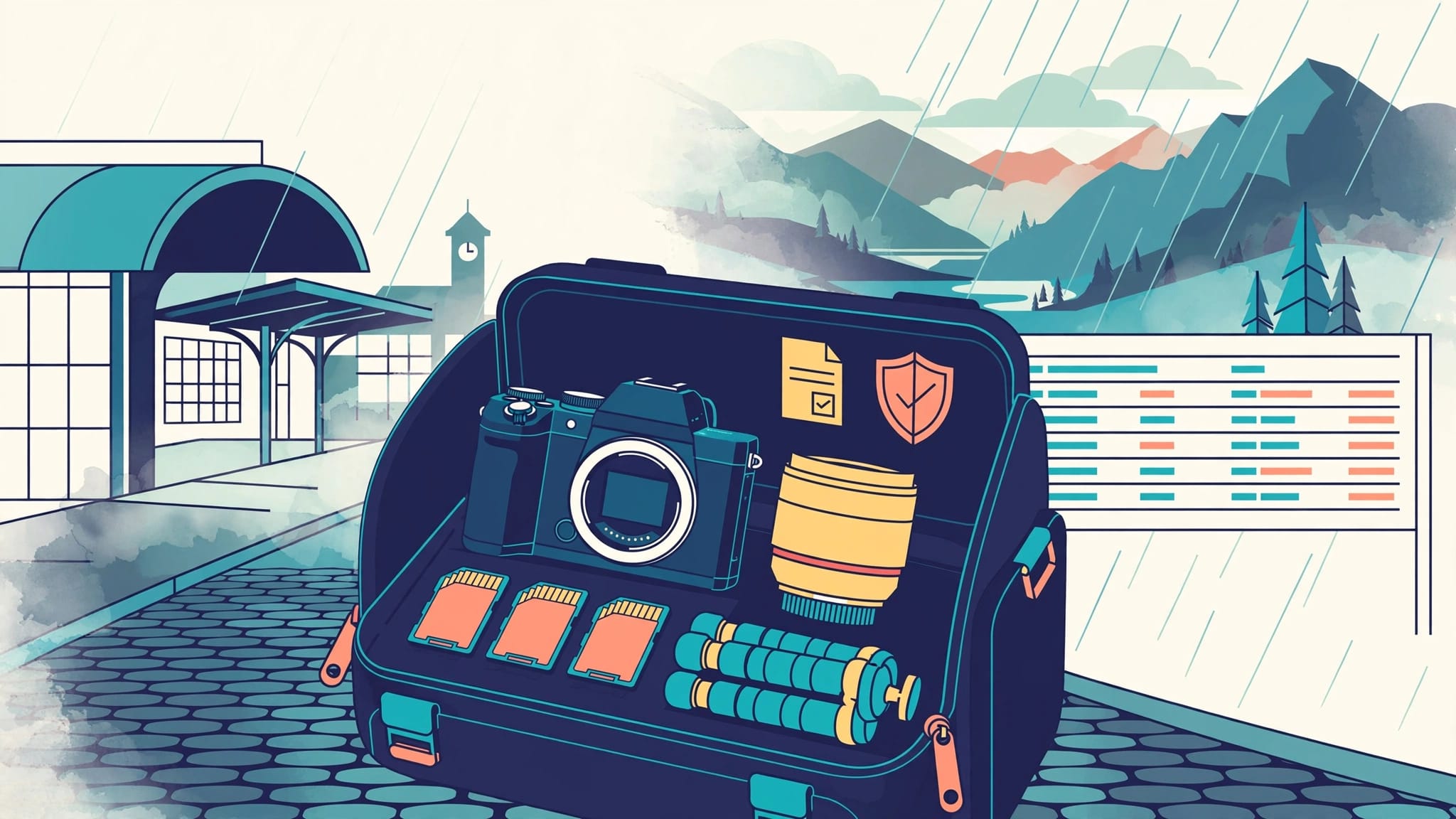
A missed train is inconvenient. A stolen camera bag can end a trip’s work.
Searching for camera insurance options in Europe is less about finding a low premium and more about protecting the kit you carry through airports, stations, old-town streets, and rainy viewpoints. A policy can sound broad until you find an exclusion for unattended gear, long overseas stays, or paid photography work.
Start with the wording, then match it to your itinerary.
Key Takeaways
- Specialist cover is often a better fit than generic travel cover when a camera body or lens has a high replacement cost.
- Confirm theft, accidental damage, and physical loss cover before comparing premiums.
- A worldwide allowance may apply to all travel days in a policy year, rather than each trip.
- Equipment left in a vehicle is often subject to strict storage rules.
- Professionals should check public liability, hired replacement gear, and business-use terms.
- Back up images every day. Insurance can replace hardware, not a sunrise file from Venice.
Camera Insurance Europe: Cover That Holds Up on the Road
European trips create frequent handoffs. Your bag moves through security, train racks, hotel lobbies, and small rental cars. The pressure points are familiar: rain, rails, and rushed hotel checkouts.
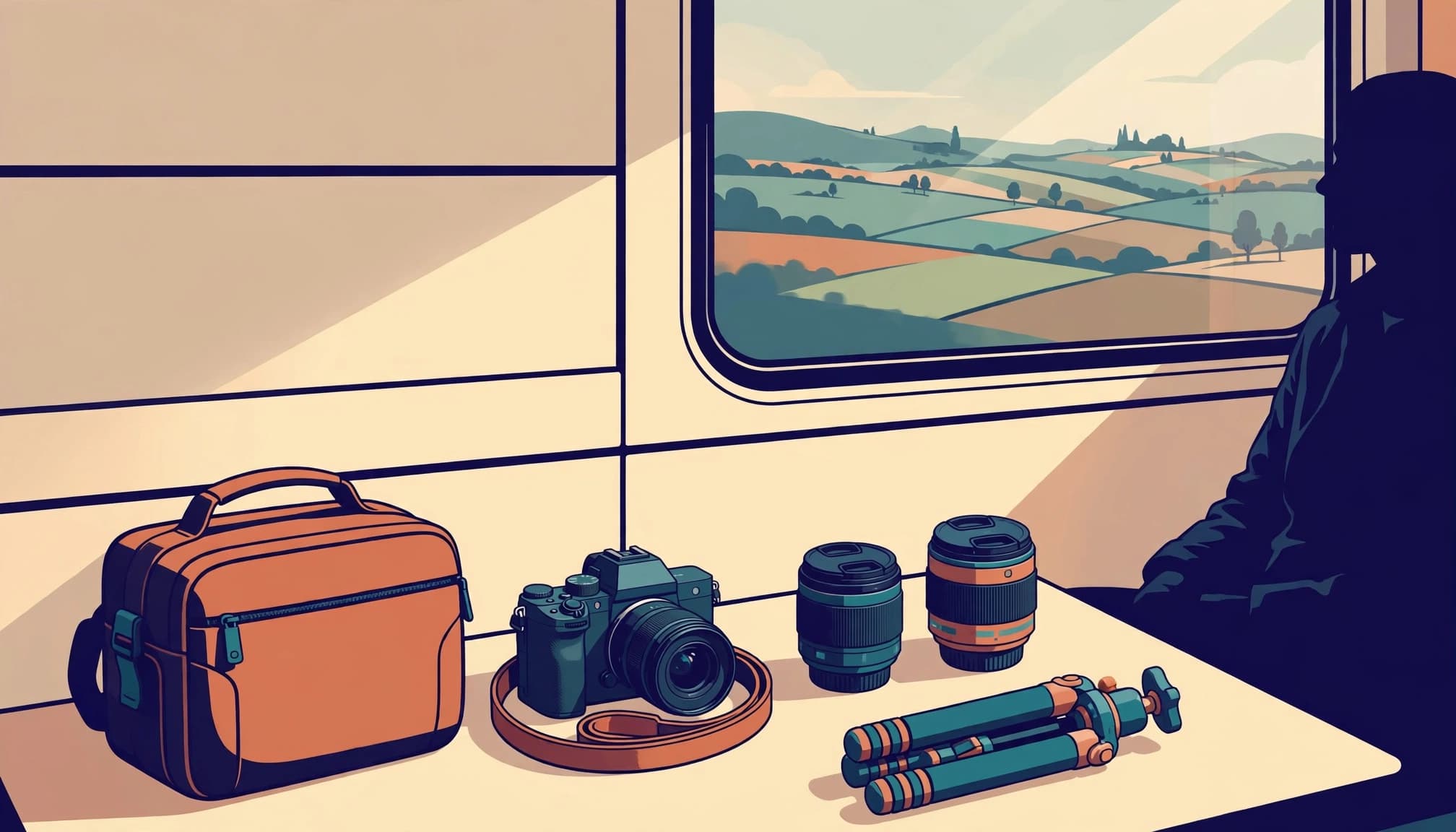
Theft, accidental damage, and physical loss
The starting point is cover for theft and accidental damage. Physical loss matters too, particularly when a lens pouch or camera bag disappears during a change of trains. Check whether the policy covers the equipment itself, its accessories, and damage caused by a fall or spill.
A camera body alone rarely tells the whole story. Add the replacement cost of every lens, flash, battery, card, filter, tripod, and bag. Then insure the complete amount. A policy with a low item limit can leave you paying for most of a premium lens yourself.
Transit, vehicle storage, and hired gear
Look for wording that applies while gear is in transit and when it is temporarily stored. Some policies cover an item in a locked vehicle only when it sits out of sight in a secure compartment.
Eversure’s camera-insurance guidance says theft cover can apply when gear is in a locked boot or glove box, out of view. That condition makes a difference on a road trip through the Dolomites, where a camera bag left on a back seat may not qualify.
A locked car does not automatically make equipment covered. The exact location of the bag can decide a claim.
If you shoot paid assignments, ask about emergency equipment hire. Replacing a damaged body fast can matter more than waiting for a reimbursement after you return home.
The Best Camera Insurance Europe Options to Compare
There isn’t one best policy for every photographer. Residency, trip length, total equipment value, and professional use can change the answer. Still, several specialist choices deserve close attention.
photoGuard for documented travel terms
For eligible UK residents, photoGuard is the best-documented option in the available policy information. Its standard protection permits worldwide travel for up to 30 days in total during the policy period, while its Global Travel option can extend overseas cover across the full policy period.
Read photoGuard’s Global Travel details before booking a longer photography trip. Thirty days across several city breaks can disappear faster than expected.
Its policy materials also describe covered causes including theft, attempted theft, accidental damage, malicious damage, storm damage, flood, and fire. Public liability can reach £1 million under the relevant cover. Published excesses vary by claim value and drone status, so confirm the current schedule before purchase.
Eversure for hobbyists and working photographers
Eversure states that theft and accidental damage are standard features of its photography cover. Its photography insurance overview says the policy can suit both enthusiasts and people whose photography is their work.
That broad positioning is useful, but it doesn’t remove the need to read exclusions. Ask how the insurer treats checked baggage, unattended gear, hired items, and work completed abroad. The answer should match how you shoot, not only the label on your occupation.
Other specialist policies worth pricing
Ripe allows customers to add theft and accidental-damage cover away from the insured location, with limits of up to £30,000 stated on its camera insurance page. That may suit a larger kit carried daily outside a home studio.
Assetsure arranges cover for physical loss up to the chosen sum insured. Its camera equipment policy information is worth reviewing if you want to set a clear total replacement figure.
Avoid picking a provider based on a headline alone. Premiums were not publicly verified here, so a “cheapest” verdict would be guesswork.
Check Eligibility Before You Buy
An excellent policy is useless if you don’t meet its residency rules or exceed its territory allowance. Deal with those details before adding optional cover.
Residency and overseas day limits
photoGuard’s policy wording requires the policyholder to be permanently domiciled in the United Kingdom. Aaduki accepts customers based in the UK, Isle of Man, or Channel Islands. Photographers living elsewhere should look for a local insurer or an international policy designed for their country of residence.
Aaduki can extend some cover worldwide, subject to its terms and destinations where the UK Foreign Office advises against all but essential travel. Therefore, don’t assume that “Europe” means every destination on your route has identical cover.
Drones, travel advice, and commercial work
Drone cover needs its own review. photoGuard’s published conditions include a 21-day wait for accidental-damage cover after adding a drone, a £200 minimum sum insured, and no cover for a flyaway or an unrecoverable drone.
Commercial photography introduces another layer. Confirm that paid portraits, editorial assignments, workshops, or stock work are permitted. Also ask whether public liability applies in each country where you plan to work. A policy for personal travel may not cover a client shoot in Paris.
Compare Policies by the Gaps, Not the Headline
A simple comparison grid keeps the important questions visible while quotes are still open.
| Policy question | Why it matters on a Europe trip |
|---|---|
| Is each item listed at current replacement cost? | A high-value lens can exceed a per-item cap. |
| Does overseas cover last for every trip day? | Several short trips can use a yearly travel allowance. |
| What counts as secure vehicle storage? | A visible bag in a car may fall outside cover. |
| Is business use allowed abroad? | Paid work may need a specialist policy. |
| What excess applies to a camera or drone claim? | A small repair may cost less than the excess. |
| Is public liability included? | It can matter during portraits or client work. |
The strongest quote is the one whose exclusions you can follow on the road. A cheaper premium loses its appeal when the required storage rules don’t match your actual travel days.
For example, a photographer planning three weeks in Lisbon, Vienna, and Prague may value broader territory terms. Someone taking a single mirrorless body for a five-day city break may care more about accidental damage and a modest excess.
Protect the Kit Before a Claim Happens
Insurance works after a loss. Your routine can reduce the chance of needing it.
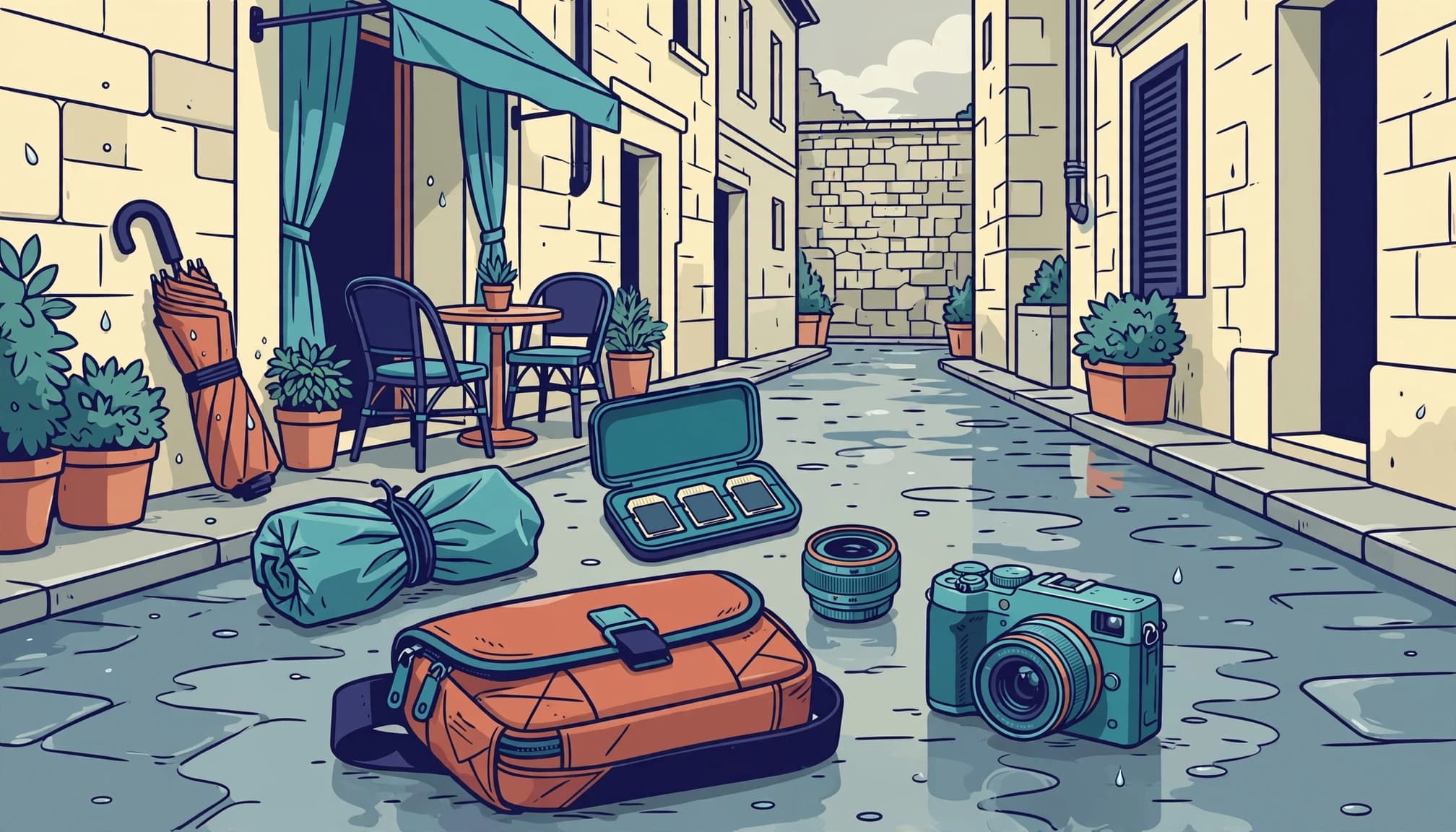
Carry the expensive gear with you
Keep camera bodies, lenses, batteries, and memory cards in your cabin bag when flying. Budget-airline luggage rules can be strict, and a bag that fails the sizer can be sent to the hold. Pack your camera bag to meet the allowance you bought.
On trains, keep the bag close rather than placing it at the far end of a carriage. During cafe stops, loop a strap around a chair leg only if you remain beside it. Better yet, keep it on your person.
Build a ten-minute backup routine
A Venice-to-Burano photography day can begin before sunrise and end after blue hour. If the card corrupts before the next morning, insurance won’t restore the images. Copy files to a small SSD after each shooting day, then keep cards and backup drive in separate bags.
Use a routine that survives a small hotel room and weak Wi-Fi. Verify the copy, label the card, and charge batteries before sleeping. Simple habits matter.
Make a Claim Easier to Support
A claim goes more smoothly when you can show what you owned, where it was, and what happened. Prepare that evidence before your first departure.
Create a clean equipment record
Photograph every item and record its serial number, purchase date, and replacement cost. Save invoices in cloud storage and on your phone. Include old gear bought second-hand, since ownership can be harder to prove later.
Update the list after each major purchase. A new 70-200mm lens cannot be claimed at its full value if it was never added to a scheduled policy.
Report theft promptly
If gear is stolen, contact local police as soon as practical and keep the report number. Tell the insurer quickly, preserve damaged equipment, and don’t discard broken parts without permission.
Write down the location, time, witnesses, and circumstances while they are fresh. A short factual record is more useful than a vague account written after a long journey home.
FAQ
Does travel insurance cover camera equipment in Europe?
Some travel policies include personal belongings, but their limits and exclusions may not suit a dedicated camera kit. Review the per-item cap, excess, overseas duration, and rules for unattended belongings before relying on it.
Specialist camera cover is often clearer for higher-value gear, especially when you need accidental-damage protection outside your home.
Should I insure a camera at replacement cost or purchase price?
Use the amount required to buy an equivalent replacement today, subject to the insurer’s valuation terms. A two-year-old body may cost more or less than its original purchase price depending on availability.
Keep receipts anyway. They help establish ownership and model details.
Is a camera covered in a hotel room?
Coverage depends on the policy wording and the facts of the loss. Some insurers require signs of forced entry or secure storage. Never assume a hotel safe, shared hostel room, or unlocked rental apartment meets every policy condition.
Can professional photographers use the same cover as hobbyists?
Sometimes, but not always. Eversure says its photography insurance can suit both groups, while other policies may separate personal and commercial use. Confirm paid work, public liability, and overseas assignments in writing before accepting a job abroad.
Choose Cover That Matches Your Actual Route
The right policy follows your gear through real travel days, not an idealized itinerary. It should match the way you fly, store equipment, work, and move between cities.
Read the exclusions while your packing list is still open. Before sleep, place your charged camera, 24-70mm lens, and rail ticket together beside the door.
