
Warsaw rewards photographers who wake before the first rush of trams. A focused Warsaw photography route gives you glowing rebuilt facades at dawn, blunt postwar forms at noon, and river light after sunset.
Two days give you enough time to work slowly, return when the light improves, and leave space for a wrong turn. Begin in the historic center, then give Praga-Polnoc a full day across the Vistula. That split keeps your bag light and your frames purposeful.
Your Warsaw Photography Route: Timing, Transit, and Kit
Because Old Town compresses its viewpoints into a small walkable area while Praga spreads its best textures across side streets, this plan gives each side of the Vistula a separate day and protects the strongest light for places that need it.
Keep the first morning for places that empty out early, and save the river for evening, when traffic and lit windows add scale. Pack a fast prime. Carry an extra battery and a rain cover. A bit of patience, too.
A 24-70mm or similar standard zoom covers most of the route, while a 35mm or 50mm works well in low-light streets. The Metro and trams make longer jumps easy, but your strongest frames come on foot, with your camera already out.
Use this schedule as a working spine, then slow down when a scene holds you.
| Window | Place | Frame to hunt |
|---|---|---|
| Day 1, dawn | Old Town | Empty facades and brick curves |
| Day 1, afternoon | Lazienki Park | Water symmetry and shaded paths |
| Day 1, dusk | Castle Square | Warm facades and lamp glow |
| Day 2, morning | Praga-Polnoc | Courtyards, murals, street layers |
| Day 2, blue hour | Vistula | Bridge lines and skyline lights |
Check sunrise and sunset for your travel dates before setting alarms, because Warsaw’s daylight hours shift sharply between winter and summer. Save an offline map, carry enough memory for a second pass through Old Town, and leave room for weather changes.
The Warsaw travel photography guide is useful for previewing Lazienki Park, but do your own light scouting when you arrive.
Day One: Old Town, Lazienki, and Golden Hour
On this Warsaw photography route, day one opens in the reconstructed heart of the city, where narrow streets and large squares reward a patient wide angle.
Work Old Town Before the Crowds
Be there before the first tour groups arrive. Start at Castle Square before the shops open, then follow the Royal Castle wall to Rynek Starego Miasta, choosing side views that include tiled roofs, shutters, and a slim strip of sky.
At the Market Square, move around the Mermaid statue rather than planting yourself in the center. Off-axis frames make room for colorful house fronts and give your subject some breathing space.
One postwar anecdote belongs in every Old Town walk. Planners consulted Bernardo Bellotto’s eighteenth-century Warsaw views, painted under the name Canaletto, while recreating streets damaged in World War II.
At the Barbican, photograph along the curved brick wall first. A frontal frame makes the passage look flat.
Afterward, climb toward the viewing points by St Anne’s Church if they are open, but watch the clock and the shadows. By mid-morning, hard light starts to flatten the facades.
Use Midday for Lazienki Park
Allow an unhurried afternoon at Lazienki Park, a 76-hectare mix of gardens, water, palaces, and peacocks highlighted in this Warsaw travel photography guide.
At the Palace on the Isle, use the water as a symmetrical anchor, then take the wider paths for tree trunks, small bridges, reflections, and bird life near the lawns. Rain helps on cobbles.
Take a midday break indoors if the light is harsh. Then return to the park if clouds soften the contrast, because even a thin overcast can bring out the pale stone and green water.
Return for Old Town’s Warm Light
Return to Old Town about an hour before sunset, when the lower sun brings warm definition to ochre, rose, and terracotta facades.
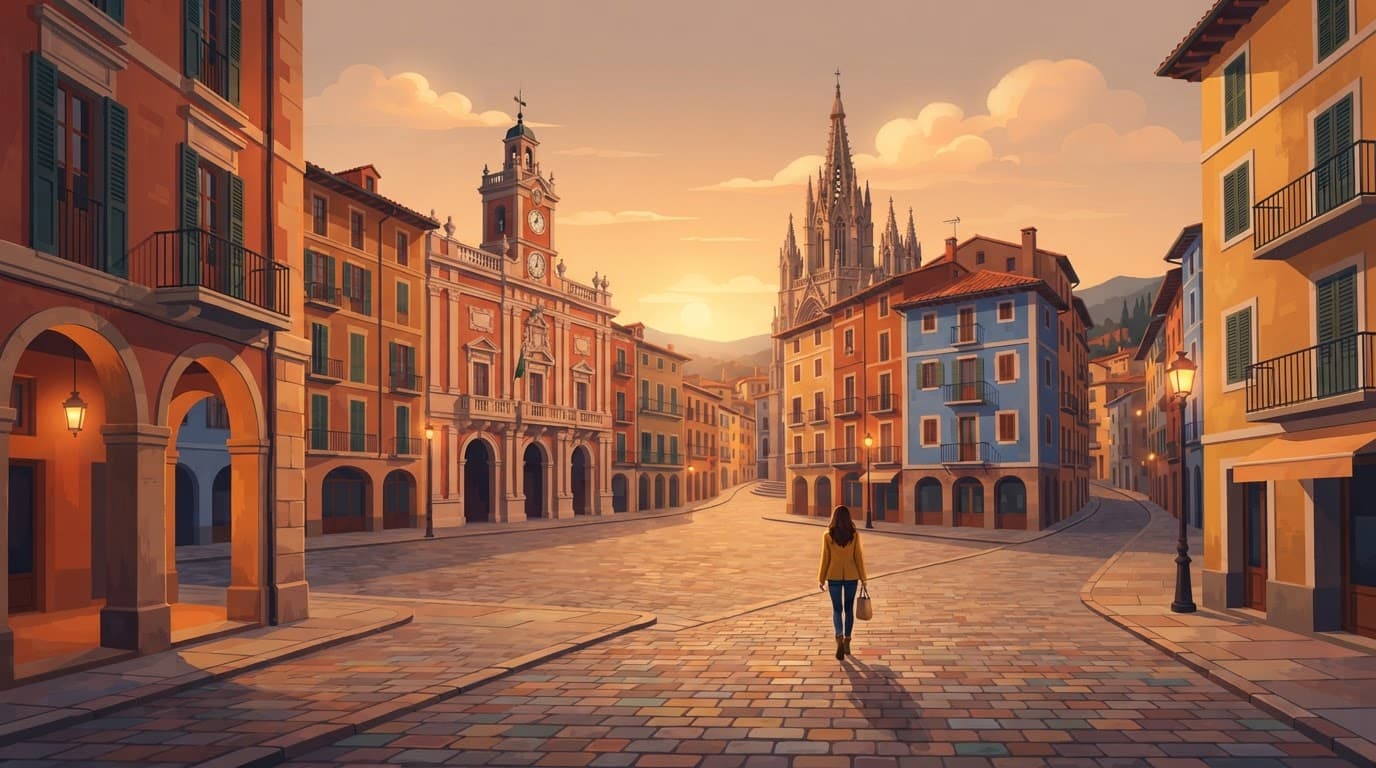
Warm light can exaggerate orange paint, so lower the white balance slightly if you shoot JPEG. RAW files give you more flexibility later, but don’t depend on editing to rescue a flat composition.
For alternate angles, browse the Warsaw community photo guide before you go, then look beyond its obvious viewpoints. Stay through dusk for street lamps, silhouettes, and a final quiet pass at the Barbican.
Day Two: Praga’s Brick, Murals, and Street Life
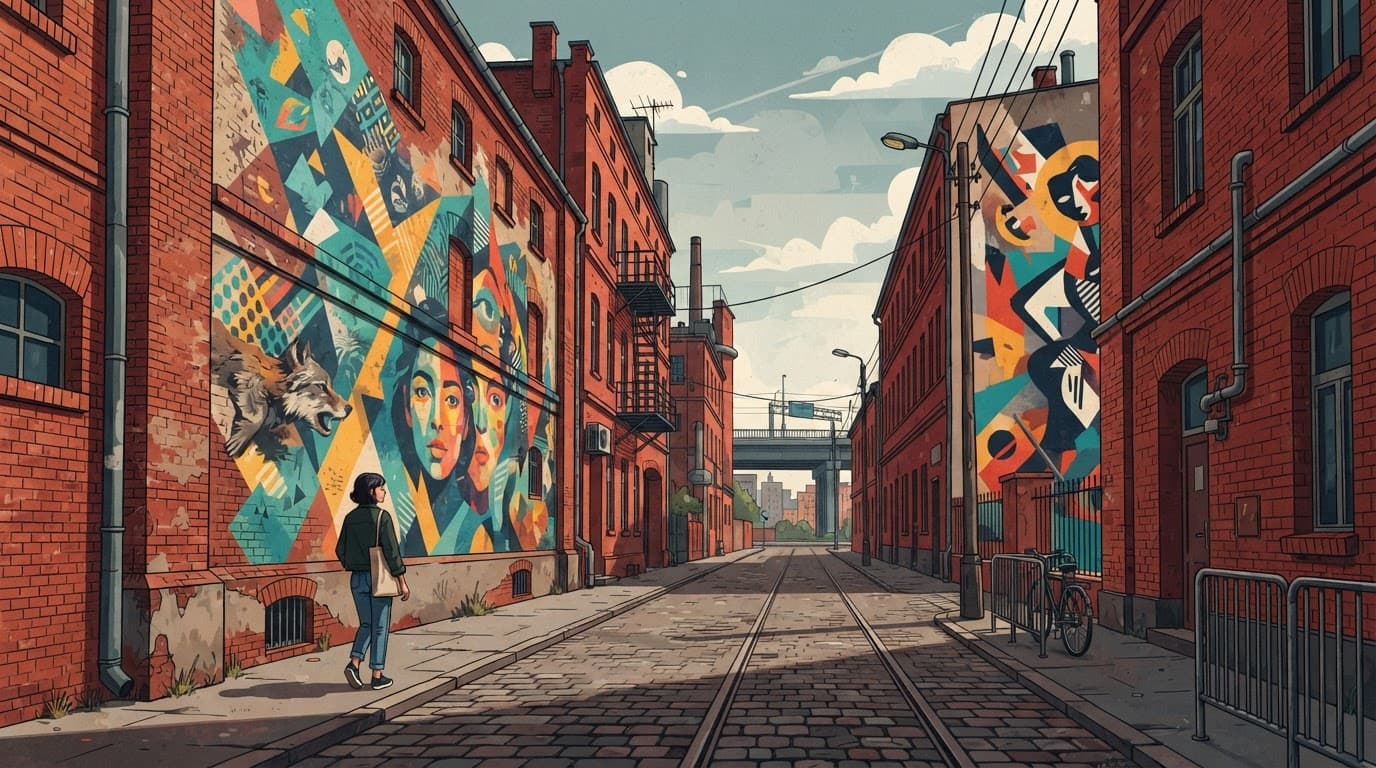
By its second morning, the Warsaw photography route moves closer to the pavement. Praga-Polnoc trades postcard symmetry for scuffed thresholds, older courtyards, murals, and storefront movement.
Take Metro line 2 to Szwedzka, then work toward Zabkowska Street at walking pace. Photograph what catches your eye before checking the map again.
Photograph Praga-Polnoc With Restraint
On Brzeska and Mala streets, the best frames often come after you wait beside a doorway, because pedestrians, tram wires, uneven plaster, and a single open window can organize an otherwise messy scene.
At 13 Zabkowska, an 1870 courtyard has a wooden first-floor gallery, but treat it as a residential space, not a set. Keep your lens low-key, don’t block entrances, and never step past a gate that suggests privacy.
If someone notices your camera, meet their glance and offer a small nod. A quick gesture often feels better than shooting around people as if they are furniture.
Before you leave your hotel, scan a Warsaw street-photography discussion for current local suggestions, construction updates, and changing street conditions.
Frame Industrial Details at Koneser
Continue to Centrum Praskie Koneser for a change of material. The former vodka-factory complex pairs preserved red brick with glass, steel, courtyards, and visitors moving through its open spaces.
Use a longer focal length to compress chimney stacks, rooflines, and passing figures. Then switch back to a wider lens when you find reflections in windows or puddles after rain. Take a coffee break here.
Later, move around the edge of the complex instead of stopping at the main courtyard. Side alleys often give you cleaner geometry and fewer people in the frame.
Blue Hour on the Vistula
After Praga, return to the Vistula before the sky loses its remaining color. The river gives a cleaner view of Warsaw’s height and distance than any Old Town lane.
On the west-bank boulevards, use the bridge structure to lead the eye toward the skyline. Keep the horizon level, leave room above the tallest buildings, and wait for one or two cyclists to cross the frame.

Photo by Vladyslav Dukhin
Hold the Camera Still as Lights Appear
At blue hour, exposures lengthen fast, while bridge lights and windows remain bright. Set your tripod low if you have one, and keep straps tucked away from the wind.
Cars only become clean light trails when the camera stays steady. Without a tripod, brace it on a railing and use a timer.
If you prefer handheld shots, push ISO only as far as your camera can handle cleanly and prioritize a sharp frame. Don’t chase every light trail. A single person against the river can carry the image.
By blue hour, the Warsaw photography route reaches its widest view, so give yourself time to make several frames with small shifts in position.
A Fast Edit Before You Leave Warsaw
At night, back up your files before you start editing. Make one folder for Old Town, one for Lazienki, one for Praga, and one for the river, so the visual contrast remains clear.
A two-day Warsaw photography route produces more useful work when each location has a different purpose. Keep the soft color and ordered lines of Old Town separate from Praga’s rougher detail and the cooler Vistula scenes.
Avoid lifting shadows too far in Praga, where darkness often gives a frame its depth. In Old Town, watch highlight detail in pale facades and bright skies. Small, careful adjustments beat heavy presets.
Save a few location notes with your favorite files. The exact corner, direction of light, and time of day matter more than the lens you used.
Final Frames in Warsaw
Warsaw changes character with every hour of light, and that is the point of giving it two full days. Let the historic center breathe at dawn, then look for the lived-in details across the river.
The strongest image may come after you have already photographed the obvious landmark. Let your last frame be the Palace of Culture’s lit crown across the Vistula.
